How Do I Set Up Gas Supply for My Malaysian Home?
When you first arrive in Malaysia, settling into your new home involves tackling a long list of essentials, and getting your utilities sorted is always high up there. Among electricity, water, and internet, one question that often leaves expats scratching their heads is: "How do I set up gas supply for my Malaysian home?" It's not always as straightforward as flipping a switch, and the system can vary depending on where you live, leading to a fair bit of head-scratching. This guide will walk you through the nitty-gritty of Malaysia's gas supply, demystifying the process so you can get that stove cooking and that water heating without unnecessary stress.
Understanding Malaysia's Gas Supply Landscape
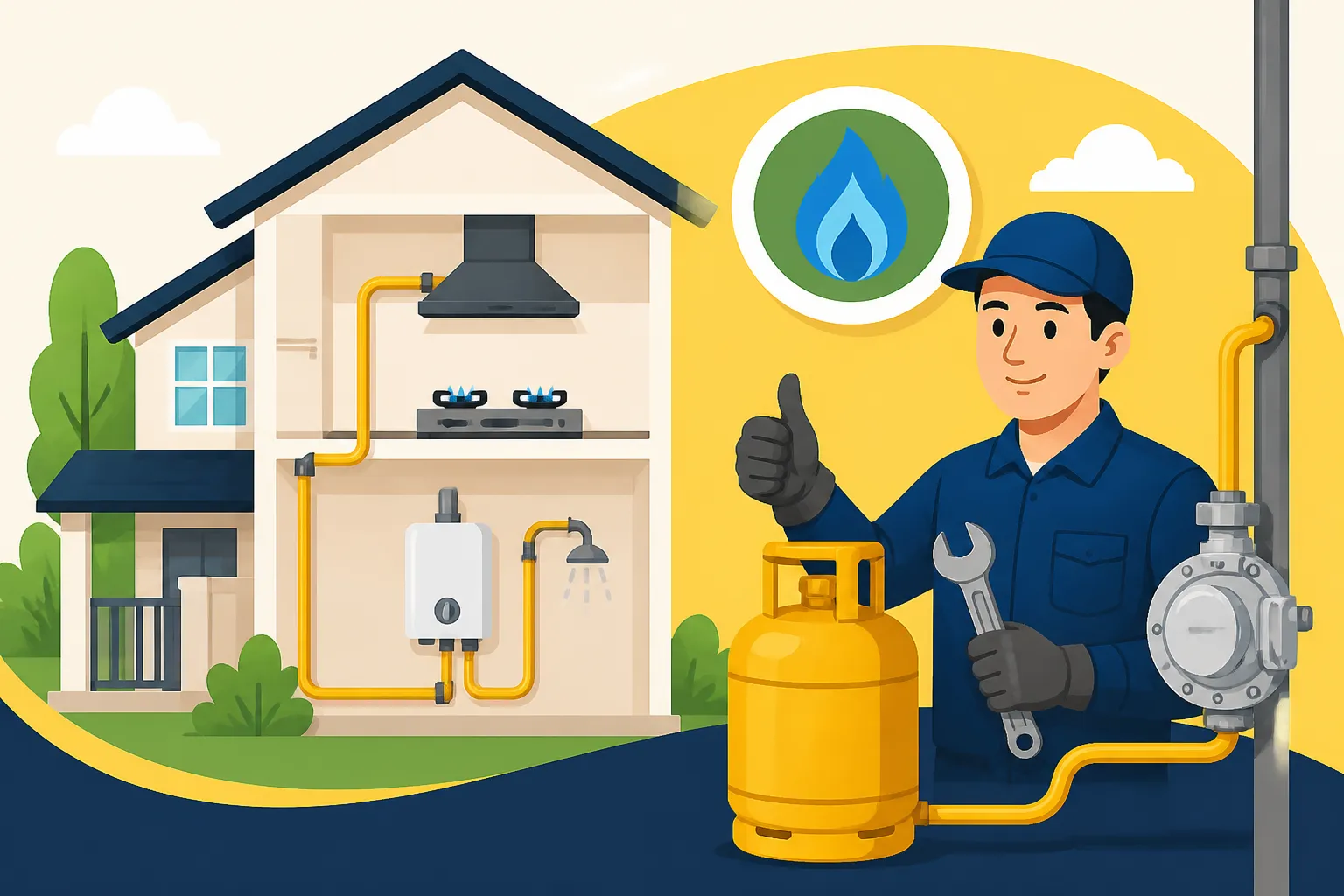
Unlike some countries where piped natural gas is almost universal, Malaysia presents a bit of a mixed bag. This can be confusing, especially if you're used to one particular system. You'll primarily encounter two main types of gas supply here: centralised piped natural gas and the more common liquefied petroleum gas (LPG) cylinders. Knowing which system your home uses, or is even capable of using, is your first crucial step.
Centralised Piped Natural Gas
Imagine moving into a sleek, modern condominium in Mont Kiara or a newer landed estate in certain parts of Greater Kuala Lumpur. In these instances, you might be one of the lucky ones whose home is connected to a centralised piped natural gas system. This is often provided by Gas Malaysia Berhad, the primary natural gas distributor in Peninsular Malaysia.
Having piped gas is, for many, the dream. It means a continuous supply without worrying about running out mid-cook or lugging heavy cylinders. The gas flows directly to your kitchen hob or water heater, just like electricity or water. You'll typically find a gas meter either within your unit or on the exterior of your property, which measures your consumption. Newer developments, especially high-rise residential buildings, are increasingly incorporating this infrastructure due to its convenience and safety advantages. If you're looking at an unfurnished rental, definitely check if it has piped gas or if it relies on LPG. It makes a big difference to your daily life!
LPG Cylinders The Common Reality
For the vast majority of residential homes, particularly older apartments, terrace houses, or even some mid-range condos outside of the latest developments, your gas supply will come in the form of liquefied petroleum gas (LPG) cylinders. These are the familiar colourful gas tanks you see delivered to homes or stacked outside sundry shops.
This is the reality for many expats, and while it might seem a bit old-school if you're from a country with widespread piped gas, it's a perfectly normal and efficient system here. LPG cylinders are incredibly versatile. They power everything from your kitchen stove to portable gas heaters or even outdoor BBQ grills. The trick with LPG is managing your supply – knowing when to order a new cylinder so you don't find yourself with a half-cooked dinner because you ran out! I've been there, more than once, frantically calling the gas man. It's an experience that really makes you appreciate the continuous flow of piped gas!
Setting Up Piped Gas The Process
If your home is fortunate enough to have access to centralised piped gas, the setup process is generally straightforward, albeit with a bit of Malaysian administrative flair – which usually means a few forms and a waiting period.
Application and Documentation
The first thing you’ll need to do is confirm that your property is indeed connected to the Gas Malaysia Berhad network. Often, the landlord or property management will be able to tell you this upfront. If it's a new connection, or if the previous tenant's account has been closed, you'll need to open a new account.
You'll usually need to provide:
- Copy of your Passport and Visa/Employment Pass: Essential for any official service as a foreigner in Malaysia.
- Tenancy Agreement or Sale and Purchase Agreement: Proof of residence.
- Property Title/Strata Title (if applicable): If you're a homeowner.
- Meter Reading: An initial reading to ensure accurate billing from the start.
- Deposit: A refundable security deposit is typically required. The amount varies but is usually equivalent to a few months' estimated usage.
You can often start this process by contacting Gas Malaysia Berhad directly through their customer service hotline or their website. They may even have dedicated service counters in major cities. Remember to ask about the typical processing time and any installation fees for connecting your unit to the main supply line, if it’s a brand-new connection. It’s always good to be prepared for some back and forth, so keep copies of everything you submit.
Activation and Billing
Once your application is approved and any necessary installation or checks are completed, Gas Malaysia will activate your supply. A technician might visit to ensure the connection is safe and functional. You'll then start receiving monthly bills.
These bills will detail your gas consumption, typically measured in cubic metres (m³), along with the prevailing tariff rates. Payment methods are usually quite flexible:
- Online Banking: Most Malaysian banks support online bill payments to Gas Malaysia.
- JomPAY/PayBills: Popular platforms integrated into banking apps.
- Autopay/Direct Debit: You can set this up through your bank to ensure you never miss a payment.
- Service Centres: Payment can also be made at Gas Malaysia's physical service centres or selected post offices.
Understanding how to pay your utility bills online in Malaysia is a lifesaver, as it saves you countless trips and queues. Always keep an eye on your bills to track your usage and ensure there are no anomalies.
Navigating LPG Cylinders The Everyday Expat Experience
For most expats, LPG cylinders will be your reality. It’s a very common system, and once you get the hang of it, it’s quite simple.
Where to Buy and Get Deliveries
Finding LPG cylinders is rarely an issue. They are widely available:
- Local sundry shops (kedai runcit): These small neighbourhood stores often stock a good supply.
- Petrol stations: Major petrol station chains like Petronas and Shell usually have gas cylinder depots. You can exchange your empty cylinder for a full one here.
- Dedicated gas distributors: Look out for small storefronts with stacks of gas tanks.
- Delivery services: This is probably the most convenient option. Many local shops or dedicated delivery agents offer home delivery. A quick search on local community Facebook groups for "gas delivery near me" will often yield several numbers. You call, they deliver, often within an hour or two, and connect it for you.
The most common brands you’ll encounter are Petronas Gas and Shell Gas, distinguished by their colours (usually red or blue/green, respectively). When you first get a cylinder, you'll pay a deposit for the cylinder itself, in addition to the cost of the gas. When you exchange it, you only pay for the gas refill. When you eventually move out of Malaysia, you can usually return your empty cylinder to a vendor and get your deposit back, but keep that initial receipt!
Safety and Maintenance with LPG
Safety is paramount when dealing with gas cylinders. While generally very safe, proper handling and maintenance are crucial:
- Ventilation: Always ensure your kitchen or the area where the cylinder is stored is well-ventilated.
- Leak Checks: If you smell gas, don’t panic, but act immediately. You can do a simple soap-water test on the regulator and hose connections; if bubbles appear, you have a leak. Turn off the main valve, ventilate the area, and call your gas supplier immediately.
- Hose and Regulator: Regularly check the rubber hose and gas regulator for cracks, wear, or damage. These should be replaced every few years or if any damage is visible. Cheap, damaged hoses are a major risk.
- Storage: Store cylinders upright, away from direct sunlight, heat sources, and electrical outlets. Never store spares inside enclosed cupboards without ventilation.
- Connection: Ensure the regulator is correctly and securely connected to the cylinder valve. If you're unsure, ask the delivery person to connect it for you; they usually do this as part of the service.
For international movers, when you're coordinating with companies like Sirelo to bring your belongings into Malaysia, make sure to explicitly check their policies regarding any gas-powered appliances you might be considering shipping. Most movers have very strict rules about hazardous materials, including residual gas in appliances.
Costs and Considerations for Gas Supply
Understanding the financial aspects and practicalities of gas supply is key to budgeting for your life in Malaysia. Knowing the cost of healthcare in Malaysia: a complete breakdown for foreigners and managing other essential services like your gas supply will give you a clearer picture of your overall cost of living.
Pricing Differences and Deposits
Here's a quick comparison to give you an idea:
| Feature | Piped Natural Gas (Gas Malaysia Berhad) | LPG Cylinders (e.g., Petronas, Shell) |
|---|---|---|
| Availability | Limited to specific new developments, certain areas in Peninsular Malaysia | Widely available across Malaysia in homes, shops, petrol stations |
| Supply | Continuous, on-demand | Manual exchange/delivery when cylinder is empty |
| Cost Basis | Billed monthly based on meter reading (per m³) | Upfront payment per cylinder + refundable cylinder deposit for first purchase |
| Deposit | Refundable security deposit for account opening | Refundable deposit for the cylinder itself |
| Installation | May involve initial connection fees, especially for new properties | Regulator and hose may be purchased separately or from supplier |
| Convenience | High | Medium (requires monitoring/ordering) |
| Maintenance | Gas Malaysia responsible for main line; homeowner for internal piping | Homeowner responsible for hose and regulator integrity |
Please note: Prices for piped gas tariffs and LPG cylinders can fluctuate based on government subsidies and market rates. Always check current pricing with Gas Malaysia or your local LPG vendor.
The initial outlay for an LPG cylinder will include the gas itself (around RM20-RM30 for a typical 14kg tank, but this varies) plus a cylinder deposit (which can range from RM50-RM100 or more, depending on the brand and vendor). For piped gas, your deposit will depend on your estimated consumption and property type.
Installation and Maintenance Fees
For piped natural gas, if your home needs a new connection to the main line, there could be installation charges. These are often handled by the property developer for new builds, but if you're retrofitting, it could be significant. Inside your home, you might incur costs for a certified technician to install or check your gas hob and water heater connections.
For LPG, the primary installation cost is purchasing a gas regulator and a high-quality gas hose. These are typically one-off purchases that you own. Local hardware stores or the gas delivery agents can supply these. Maintenance involves periodically replacing the hose and regulator, which are relatively inexpensive. Remember that the delivery personnel are usually happy to connect the new cylinder for you, which is a great help, especially with those heavier 14kg tanks.
When you're dealing with all these new setups and appointments, staying connected is really important. Services like Airalo can be invaluable for tourists and new expats, giving you immediate mobile data via an eSIM upon arrival, so you can call gas suppliers or check maps without hunting for a local SIM card right away.
As you navigate setting up your Malaysian home, whether it’s figuring out how to set up water, gas and internet in Malaysia or simply choosing the best way to get around Kuala Lumpur without a car, remember that patience and asking questions are your best tools. Malaysia has its own rhythm, and while it might seem like a maze at first, you'll soon find your way.
Disclaimer
The information provided in this guide is intended for general informational purposes only and does not constitute professional advice. While we strive to ensure the accuracy and timeliness of the content, regulations, processes, and costs related to gas supply in Malaysia can change. Expats are strongly advised to verify all information with the relevant authorities, service providers (e.g., Gas Malaysia Berhad, local LPG distributors), and legal or financial professionals before making any decisions. We do not accept responsibility for any loss or inconvenience arising from reliance on the information in this article.