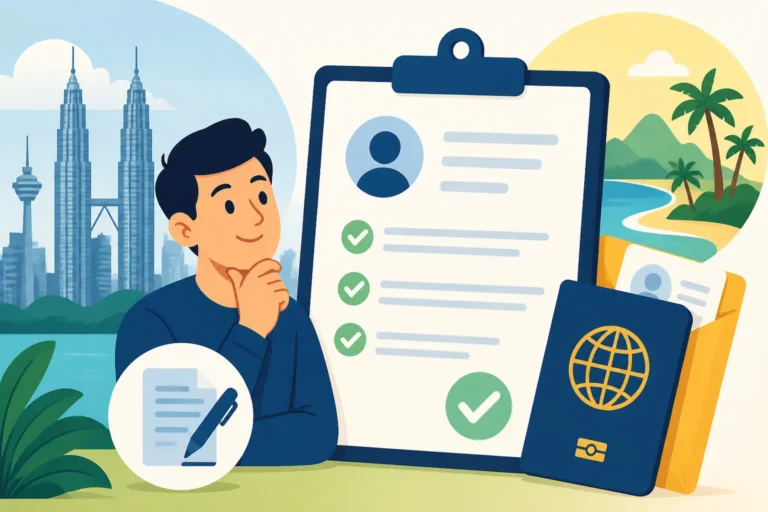
Family and Dependant Visas in Malaysia: A Complete Guide for Expats
Navigating the labyrinthine world of Malaysian immigration can feel like a daunting task at the best of times, and that feeling is only amplified when your deepest desire is to bring your beloved family along on this expat adventure. The bureaucratic hurdles, the endless stacks of documents, the shifting requirements – it’s enough to make anyone’s head spin. This guide aims to cut through the confusion, offering a realistic, empathetic, and comprehensive roadmap to securing family and dependant visas in Malaysia, ensuring you and your loved ones can build a life together here without unnecessary stress.
Understanding the Landscape of Family Visas in Malaysia
Many expats arrive in Malaysia with the excitement of a new job or a fresh start, only to discover that bringing their family to join them is a whole different ballgame. It’s not just about one visa; it’s about understanding the various categories, who qualifies for what, and the specific hurdles each presents. Trust me, I’ve been there, staring at forms and wondering if I’d ever see my family settled alongside me.
Why Bringing Family Can Feel Like a Marathon
The process of obtaining family and dependant visas in Malaysia can sometimes feel like an administrative marathon, not a sprint. You might find yourself gathering what seems like an endless supply of documents – birth certificates, marriage certificates, educational qualifications, employment letters, bank statements – often requiring notarization and even authentication by your home country’s embassy or high commission here in Malaysia. Then, there's the waiting game, which tests the patience of even the most seasoned expat. It’s a common frustration, the feeling that you’re constantly one step behind, one document short, or just plain confused by the subtle differences in requirements from one immigration office to another, or even from one officer to the next. This isn't unique to you; it's a shared experience among many foreign residents trying to navigate the system to reunite their families. The goal, however, is always worth the effort – having your loved ones by your side.
Key Terms and What They Mean
Before diving into the nitty-gritty, let's clarify some common terms you'll encounter. Understanding these is crucial for navigating the visa landscape effectively.
Dependant Pass (DP): This is the most common visa category for the immediate family members of an Employment Pass (EP) holder. It's designed for spouses and eligible children. The Dependant Pass is usually tied to the validity of the main EP holder’s pass, making renewals straightforward when the main pass is renewed. It signifies a direct link to the primary expat's legal working status in Malaysia.
Long-Term Social Visit Pass (LTSVP): The LTSVP is for family members who don’t qualify for a Dependant Pass, such as parents, common-law spouses, or children over the age of 21 (unless they have specific disabilities). This pass is often more challenging to obtain, as it typically requires a local sponsor (a Malaysian citizen or Permanent Resident) or, in some cases, an Employment Pass holder as a guarantor. The approval is often at the discretion of the Immigration Department, based on the merits of each individual case.
Spouse Visa: While often used colloquially, a "Spouse Visa" usually refers to a Dependant Pass for a legally married spouse of an Employment Pass holder, or an LTSVP for the spouse of a Malaysian citizen. For the latter, a Malaysian spouse needs to act as a sponsor, and the foreign spouse will typically be granted an LTSVP that is initially for shorter durations (e.g., 6 months to 1 year) before potentially being extended for longer periods. It’s important to distinguish between these categories to understand the specific requirements and entitlements.
The Employment Pass Dependant Route: Your Primary Pathway
For many working expats, the Dependant Pass tied to their Employment Pass (EP) is the most straightforward route to bringing immediate family members to Malaysia. It’s a recognition that your family unit is part of your relocation here, and the process, while detailed, is generally well-defined.
Who Qualifies as a Dependant Under an EP Holder?
The Malaysian Immigration Department has specific criteria for who can be considered a "dependant" under an Employment Pass holder. This isn’t a free-for-all, unfortunately, so it’s essential to know who genuinely qualifies from the outset to avoid disappointment and wasted effort.
Typically, the Dependant Pass is issued to your legally married spouse and your unmarried children under the age of 21. For children with disabilities, this age limit can sometimes be extended, but you’ll need to provide comprehensive medical documentation to support such a claim. Step-children and legally adopted children can also be included, provided you have all the necessary legal documents from your home country and potentially local Malaysian court orders (for adoptions processed in Malaysia) to prove your legal guardianship and parental responsibility. It's not just about a biological link; it's about formal, legal recognition of the relationship. This clarity helps streamline the application process, so gathering accurate legal proof of these relationships is your first critical step.
Required Documents: Prepare for the Paper Avalanche
Ah, the documents. This is where many expats feel the first pangs of frustration, and for good reason. The Malaysian Immigration Department is thorough, and missing even one seemingly minor detail can cause significant delays. Think of it as preparing for a thorough audit – everything must be in order.
You’ll need a stack of documents for each family member applying. This typically includes:
- Original Passport: With at least six months of validity remaining. Make sure there are enough blank pages for the visa endorsement.
- Passport-sized Photos: Recent, white background, adhering to Malaysian Immigration specifications (usually 3.5 cm x 5 cm). Get these done professionally.
- Visa Application Forms: Duly completed and signed. Often, your employer's HR or a visa agent will provide these, but always double-check every field.
- Original Marriage Certificate: For spouses, to prove the legal union.
- Original Birth Certificates: For children, to prove parentage.
- Adoption Papers/Guardianship Orders: If applicable, for adopted or step-children.
- EP Holder's Documents: Copies of your Employment Pass, offer letter, passport, and sometimes your company's registration documents.
- Employer's Support Letter: A letter from your Malaysian employer confirming your employment and requesting Dependant Passes for your family.
- Medical Report and Health Insurance: Some nationalities or specific visa categories may require a medical check-up report from a clinic in Malaysia, and having comprehensive health insurance, perhaps through a provider like Cigna Global, is highly recommended for all family members.
A critical point to remember: many documents (especially marriage and birth certificates) may need to be certified true copies by your embassy or high commission in Malaysia, and sometimes even by the Ministry of Foreign Affairs (Wisma Putra) here. If your documents are not in English or Malay, they must be professionally translated and notarized. Do not skimp on this step; incorrect translations or lack of proper certification are common reasons for application rejections. When coordinating your move and gathering these vital papers, services like Sirelo can be incredibly helpful for managing the logistics of international moves and ensuring no crucial documents are misplaced during transit.
The Application Process: A Step-by-Step Walkthrough
Once you’ve gathered your formidable pile of paperwork, it’s time to tackle the application process itself. This generally falls under the purview of your employer, particularly if your Employment Pass was processed through the Expatriate Services Division (ESD) portal. Understanding the various stages helps manage expectations.
For most Employment Pass holders, your employer will initiate the Dependant Pass application through the ESD online system. This involves uploading all the scanned copies of your meticulously prepared documents. After online submission, there's usually a waiting period for initial processing and verification. The ESD acts as a single window for all expat-related immigration matters, making it somewhat more streamlined than the older, purely manual methods. You’ll want to be familiar with Understanding the Expatriate Services Division (ESD) in Malaysia as it’s a crucial entity in this process.
Once the online application is approved, you’ll typically receive a "Visa Approval Letter" (VAL) or an "Approval Letter" that needs to be presented at the nearest Malaysian embassy or consulate in your family's home country if they are not already in Malaysia, or directly to the Immigration Department if they are on a tourist visa and permitted to convert their status. This letter is critical for them to obtain a Single Entry Visa (SEV) to enter Malaysia with the intention of collecting their Dependant Pass. Once in Malaysia, with the SEV, the final endorsement of the Dependant Pass is usually done at the Immigration Department, often at the Putrajaya headquarters, or a state immigration office, where biometric data (fingerprints) might be taken, and the sticker is affixed in their passports.
The processing times can vary wildly – from a few weeks to several months – depending on the current workload of the Immigration Department, the completeness of your documents, and even the time of year. Patience is not just a virtue here; it's a necessity. It's always a good idea to factor in significant buffer time for any family travel plans. Do not book non-refundable flights until the VAL is issued and you have a clear path forward. If you’re ever left wondering about the bigger picture, remember to consult guides like The Complete Guide to Malaysian Visas for Expats (2026).
Long-Term Social Visit Pass (LTSVP) for Other Family Members
While the Dependant Pass covers your immediate family, what about other loved ones you wish to bring to Malaysia, such as your parents or even adult children who don't qualify for a DP? This is where the Long-Term Social Visit Pass (LTSVP) comes into play. It's a different beast altogether, often requiring more nuanced approaches and presenting additional challenges.
Beyond the Immediate Family: Who Can Apply?
The LTSVP is designed for family members who fall outside the strict definition of 'dependant' for an Employment Pass holder. This typically includes your parents, your common-law spouse (where legal marriage isn't applicable or recognized in your home country, though this is assessed on a case-by-case basis and can be particularly challenging to prove), and children who are over the age of 21 and are not disabled. In very rare and specific circumstances, other close relatives like siblings might be considered, but this is highly discretionary and usually requires compelling humanitarian reasons or exceptional circumstances.
The key difference here is that the approval for an LTSVP is not as automatic as a Dependant Pass; it often depends on the discretion of the Immigration Director-General, and applicants must demonstrate a clear need for a long-term stay. You’ll need to prove a strong, continuous relationship and, crucially, that these family members will not become a financial burden on the Malaysian state. This means the onus is heavily on you, the expat, to prove financial capability and genuine intent.
Sponsorship and Financial Guarantees
One of the most significant aspects of the LTSVP application is the requirement for sponsorship and financial guarantees. Unlike the Dependant Pass, which is tied to your employment, the LTSVP often requires a guarantor to assume financial and other responsibilities for the applicant.
For parents, for instance, if you are a Malaysian citizen, you would be the sponsor, and you’d need to demonstrate your financial ability to support them. If you are an expat on an Employment Pass, you might be able to act as a guarantor for your parents, but this is subject to stricter conditions, including a sufficiently high income and proof that you can indeed support them without them engaging in any form of employment. This is where the Immigration Department really scrutinizes your financial stability. You might need to provide bank statements, salary slips, and sometimes even a statutory declaration of financial responsibility.
For common-law spouses or adult children, the requirements are often even more stringent. You’ll need to provide proof of the long-standing relationship (e.g., shared addresses, joint bank accounts, photos, affidavits from friends and family) to overcome the lack of a legal marriage certificate. The Immigration Department wants assurance that the individual is not coming to Malaysia to work illegally or become a public charge. Therefore, the financial guarantee usually involves a cash deposit (often thousands of Ringgit, which is refundable upon the departure of the LTSVP holder) and a local Malaysian citizen as a co-guarantor or sponsor, depending on the specific circumstances and the state immigration office. It's a layer of complexity designed to ensure accountability.
Navigating the Bureaucracy for LTSVP
The bureaucratic process for LTSVP can be more convoluted than for a Dependant Pass. You will still need a similar array of personal documents for the applicant (passport, photos, birth certificate, etc.), but with additional evidence specific to the LTSVP.
For parents, you'll need your own birth certificate to prove the parent-child relationship, along with your financial documents. For common-law spouses, besides relationship proof, you might need affidavits from relevant authorities in your home country. All foreign documents must be translated, notarized, and often authenticated by your embassy and the Malaysian Ministry of Foreign Affairs.
The application is typically submitted directly to the Immigration Department – either at the state office where you reside or, for more complex cases, at the Putrajaya headquarters. It is rare for employers to process LTSVP applications through the ESD for non-immediate family members. This means you, as the expat, will likely be doing most of the legwork yourself or with the assistance of a visa agent. The decision process can take several months, and be prepared for potential interviews where the Immigration officer might ask probing questions about your family dynamics, your financial situation, and the reasons for their long-term stay. The key takeaway is to be prepared, patient, and persistent.
Specific Scenarios and Considerations
Bringing family to Malaysia often throws up unique situations. It’s not a one-size-fits-all process, and specific family dynamics or needs can require tailored approaches.
Bringing Your Parents: The Golden Ticket (or Lack Thereof)
Bringing your parents to live with you in Malaysia on a long-term basis as an expat can be one of the most challenging immigration hurdles. For Malaysian citizens, sponsoring parents for an LTSVP is a relatively established pathway, albeit still requiring proof of financial capability. However, for foreign Employment Pass holders, it’s significantly more difficult.
There isn't a dedicated "parent visa" for expats that automatically grants long-term residency. Instead, parents typically apply for an LTSVP. The challenge lies in convincing the Immigration Department that their stay is truly long-term and that you, as their expat child, can fully support them without them working or becoming a burden. You’ll need to demonstrate substantial financial means, often far exceeding what’s required for a Dependant Pass. This means providing extensive bank statements, proof of income, and sometimes even a sizable refundable cash bond. Many expats find this path fraught with uncertainty, and approvals are often granted for shorter durations (e.g., 6 months to a year) initially, requiring frequent renewals. It’s a situation that often causes considerable stress for expats longing to have their elderly parents nearby, and it’s a valid frustration to feel this lack of a clear, welcoming pathway for direct parent sponsorship.
Children's Education and Healthcare
Once your children have their Dependant Pass, their access to education and healthcare in Malaysia becomes much simpler. With a Dependant Pass, your children can be enrolled in international schools, private local schools, or even public schools (though public schools for foreigners can involve their own bureaucratic hoops and tuition fees). For those considering education options, guides like Schools and Education in Malaysia: A Complete Guide for Expat Families can provide invaluable insights.
In terms of healthcare, a Dependant Pass means your children are recognized residents and can access both public and private medical facilities. While public hospitals offer very affordable care, many expats opt for private hospitals for their convenience, shorter waiting times, and English-speaking staff. It’s highly advisable to ensure all your family members, especially children, are covered by a robust health insurance plan. Providers like Cigna Global offer international health insurance tailored for expats, which can cover a wide range of medical needs from routine check-ups to emergencies. This is a crucial consideration, as even basic medical treatments can add up, and having good coverage provides peace of mind. For a full overview, you might want to read The Complete Guide to Healthcare in Malaysia for Expats (2026). Understanding Hospital Admission and Deposit Requirements in Malaysia can also save you a lot of hassle in an emergency.
Working on a Dependant Pass: Is It Possible?
This is a common question, especially for spouses who wish to continue their careers or contribute to the household income. The good news is, yes, it is possible for Dependant Pass holders to work in Malaysia, but not automatically. They need a "Permission to Work" endorsement in their passport.
The process involves the prospective employer applying to the Immigration Department or ESD for this endorsement on behalf of the Dependant Pass holder. The requirements can vary depending on the specific job role and the employer, but generally, the employer needs to justify why a foreigner is being hired for the position and meet certain salary thresholds. The endorsement will be tied to that specific employer and job role. It’s not a general work permit, meaning if your spouse changes jobs, the new employer will need to apply for a fresh Permission to Work. This process adds another layer of paperwork and waiting time, but it’s a viable option for many expat spouses. For more details on this, check out Can My Spouse Work on a Dependant Pass in Malaysia?.
Common Pitfalls and How to Avoid Them
The Malaysian immigration process, while navigable, is not without its traps for the unwary. Many expats, myself included, have stumbled over common errors that lead to frustrating delays or even rejections. Being forewarned is being forearmed.
The Document Dilemma: Missing Pieces and Incorrect Formats
The single biggest reason for delays or outright rejections in visa applications is incomplete or incorrectly formatted documentation. Malaysian immigration authorities are sticklers for detail, and their requirements are precise.
- Missing Documents: This seems obvious, but people often forget to include copies of every page of their passport, a particular bank statement from a specific month, or a translated version of a crucial certificate. Always, always, always go through the checklist provided by Immigration or your employer's HR department with a fine-tooth comb. Then, re-check it.
- Incorrect Formats: This is a sneaky one. Documents often need to be "certified true copies" – not just photocopies. This typically means taking the original and photocopy to your embassy/high commission or a local lawyer for certification. Translations must be professional and notarized, not just done by a friend. Passport photos must adhere to strict size and background specifications. An expired passport, even by a day, will not be accepted.
- Out-of-Date Information: Ensure all information on forms matches your passport exactly. Any discrepancy, even a minor spelling error, can be flagged.
My advice? Create a master checklist. Scan everything, then print what's required. Get every certification and translation done well in advance. Consider using a reputable moving service like Sirelo when moving your belongings, as they often have resources or partners who can help navigate document requirements for relocation, ensuring your vital papers are secure and accounted for.
Understanding Processing Times and Expectations
Another common source of anxiety is the unpredictable nature of processing times. What might take two weeks for one person could take two months for another, even for seemingly identical applications. This lack of certainty is a hallmark of bureaucratic systems worldwide, and Malaysia is no exception.
Realistic Timelines: Never assume an application will be processed quickly. Always plan for the longest possible timeframe you've heard, and then add a few more weeks for good measure. Official estimates are just that – estimates.
Follow-Ups: While it's important to follow up, don't be overly aggressive. Most inquiries can be made by your employer's HR department or visa agent. If you call Immigration yourself, be polite, patient, and have all your reference numbers ready. Persistent, polite follow-ups are better than angry, demanding ones.
Parallel Plans: If you have school-aged children, ensure you have contingencies if their visas are delayed. Can they start school a little later? Is there short-term accommodation available if you arrive before your family? Having a Plan B (and even a Plan C) will save you immense stress.
Visa Run Risks and Overstaying
This is one of the most critical warnings I can give: never, ever attempt a "visa run" or overstay your visa, or encourage your family to do so. This isn't just a minor infraction; it can have severe, long-lasting consequences.
Visa Runs: Some people, upon reaching the end of their social visit pass (tourist visa) period, consider simply exiting and re-entering the country to get a fresh tourist stamp. While this might work once or twice for some nationalities, it is absolutely not a legitimate way to extend a stay for the purpose of awaiting a Dependant Pass or LTSVP. Immigration officers are increasingly vigilant, and if they suspect you are attempting to bypass proper visa procedures, they can deny re-entry, detain you, or even ban you from Malaysia for an extended period.
Overstaying: Allowing any family member to overstay their valid visa is a grave offense. Penalties include hefty fines, detention, deportation, and a ban from re-entering Malaysia. This can permanently damage your family's ability to live in Malaysia and can even impact the main Employment Pass holder's status. Always apply for extensions or new passes well in advance of the current pass's expiry date. If you're ever in a bind or unsure about expiry dates, consult official channels immediately. Knowing What Happens If I Overstay My Visa in Malaysia? is essential for every expat.
Renewing and Updating Your Family's Passes
Just like your own Employment Pass, your family's dependant passes and LTSVPs aren't forever. Proactive management of renewals and updates is key to a smooth, uninterrupted stay in Malaysia.
Proactive Renewal: Don't Wait Until the Last Minute
The golden rule for visa renewals in Malaysia is simple: start early. Waiting until the last few weeks before expiry is a recipe for stress, potential overstay issues, and frantic scrambling.
Most Dependant Pass and LTSVP renewals can be initiated around three months before their expiry date. This ample lead time allows for any unforeseen delays in document gathering, processing, or additional requests from the Immigration Department.
The necessary documents for renewal are largely similar to the initial application – current passports, photos, updated letters from your employer (for Dependant Passes), and proof of continued financial support. Ensure your main Employment Pass is renewed first, as the Dependant Passes are usually tied to its validity. If your EP is being renewed, then your family's DPs can be renewed concurrently or immediately after your EP approval. Stay abreast of your status with guides like The Complete Guide to Malaysian Visas for Expats (2026) to avoid any surprises.
Adding a Newborn or New Spouse
Life happens, and sometimes you need to add a new family member to your existing passes – be it a newborn or a new spouse. The process, while requiring documentation, is generally clear.
For a newborn child born in Malaysia, you’ll first need to register their birth with the National Registration Department (JPN) and then apply for their passport from your home country's embassy. Once they have a passport, you can apply for a Dependant Pass for them, usually tied to your existing Employment Pass. This needs to be done within a specific timeframe after birth to avoid complications. Guides like How Do I Add a Newborn to My Dependant Pass in Malaysia? can walk you through the specifics.
If you marry a new spouse while on an Employment Pass in Malaysia, you’ll need to register your marriage according to Malaysian law (if it occurred here) or provide proof of your internationally recognized marriage certificate. Once the marriage is legally established, you can then apply for a Dependant Pass for your new spouse, following a similar procedure to your initial spouse's application. Always ensure all documents are properly authenticated and translated.
Changes in Circumstances: Employer Switch or Divorce
Expat life is dynamic, and personal or professional circumstances can change, impacting your family’s visa status.
If you, the primary Employment Pass holder, switch employers, your existing Employment Pass will typically be cancelled, and a new one will be issued by your new company. Crucially, your family's Dependant Passes are tied to your EP. Therefore, when your EP is cancelled, their DPs will also be effectively cancelled. Your new employer will need to apply for new Dependant Passes for your family members once your new EP is approved. This means a period where your family might be without a valid long-term pass, potentially requiring them to leave and re-enter Malaysia with new VALs, or apply for short-term extensions (if permissible) while the new DPs are processing. This can be a stressful time, so communicate clearly with both your old and new employers' HR departments.
In the unfortunate event of divorce or separation, the dependant status of your spouse and potentially children will be affected. If your spouse no longer has a legal relationship with you, their Dependant Pass will likely be cancelled. They would then need to explore other visa options, such as an LTSVP (if they have a basis for it) or a work permit, or leave the country. For children, their Dependant Pass status usually remains tied to the primary parent with legal custody and an active Employment Pass. This is a complex area, and seeking legal advice from a family law expert in Malaysia is highly recommended.
Preparing for Your Family's Arrival and Settling In
Getting the visas sorted is a monumental achievement, but it's just one piece of the puzzle. The next big step is ensuring a smooth transition and comfortable settlement for your family in Malaysia. Remember, you’re not just moving things; you’re moving lives.
Beyond the Visa: Practical Preparations
Think beyond the immigration paperwork and focus on the practicalities of setting up a new home and life for your loved ones. This upfront planning can significantly ease the initial shock of relocation.
- Accommodation: Consider family-friendly neighborhoods when looking for a place to live. Areas with good access to international schools, parks, and amenities are often preferred by expat families. Whether you're in Kuala Lumpur, Penang, or Johor Bahru, consider factors like safety, community, and commute times.
- School Enrollment: If you have school-aged children, securing school places is paramount. International schools often have long waiting lists, so start inquiries early. Understand the curriculum, fees, and admission process for your chosen school.
- Healthcare Arrangements: Familiarize yourself with nearby clinics and hospitals. Identify English-speaking doctors or pediatricians. Having private health insurance from a reputable provider like Cigna Global is highly advisable for all family members, ensuring access to quality private healthcare. For help finding medical professionals, check out How Do I Find an English-Speaking Doctor in Malaysia?.
- Utilities and Connectivity: Getting connected is vital. Set up electricity, water, and internet as soon as possible. Reliable internet is essential for schooling, work, and staying connected with family back home. The Expat Guide to Setting Up Utilities in Malaysia can help you navigate this.
- Transportation: Decide whether your family will rely on public transport, ride-hailing apps like Grab, or if you'll buy a car. Factor in traffic conditions and the availability of public transport in your chosen living area.
- Moving Household Goods: If you're shipping your belongings, work with an international moving company. Services like Sirelo can help you find and compare reputable movers, ensuring your household goods arrive safely and on time. Don’t forget to declare all items accurately to avoid customs delays.
Emotional Support and Integration
Relocating is a huge emotional undertaking, not just for adults but especially for children. The excitement of a new place can quickly turn into homesickness or culture shock. Providing strong emotional support and fostering integration are critical.
- Acknowledge Their Feelings: Validate your children’s and spouse's feelings about the move. It’s okay to miss home, friends, and family. Open communication about these emotions is vital.
- Build a Support Network: Seek out expat communities in Malaysia. There are numerous online groups and social clubs that can connect your family with others who understand the unique challenges of expat life. This can be invaluable for forging new friendships and finding advice.
- Cultural Adaptation: Encourage your family to embrace Malaysian culture, food, and traditions. Visiting local markets, trying new foods, and learning a few basic Malay phrases can go a long way in making them feel more at home. For children, school often serves as a great integration point.
- Maintain Connections Back Home: Regular video calls with grandparents, friends, and other relatives can help ease the transition. Plan trips back home if feasible, or encourage visits from family members.
- Mental Well-being: Be mindful of everyone’s mental health. The stress of relocation can be significant. If anyone in your family is struggling, remember that many health insurance plans, including those from providers like Cigna Global, often offer access to mental health support and counselling services. Don't hesitate to seek professional help if needed.
Dependant Pass vs. Long-Term Social Visit Pass: Key Differences
To help clarify the distinctions between these two vital passes for family members, here's a quick comparison:
| Feature | Dependant Pass (DP) | Long-Term Social Visit Pass (LTSVP) |
|---|---|---|
| Primary Holder | Employment Pass (EP) holder | Can be sponsored by Malaysian Citizen/PR or sometimes EP holder (as guarantor) |
| Eligible Family | Legal spouse, unmarried children under 21 (or disabled) | Parents, common-law spouse, adult children (21+), other specific relatives |
| Tie to Primary Pass | Directly tied to the EP holder's validity and employment | Usually independent, but might require EP holder as guarantor |
| Work Eligibility | Requires "Permission to Work" endorsement | Generally NOT permitted to work |
| Application Method | Usually through ESD portal via employer | Directly with Immigration Dept (state or HQ) by applicant/sponsor |
| Financial Guarantee | Covered by EP holder's employment | Often requires cash bond (refundable) & proof of financial support |
| Ease of Application | Generally more straightforward once EP is approved | More discretionary, often requires stronger justification and proof |
| Typical Validity | Matches EP validity (e.g., 1-5 years) | Varies (e.g., 6 months to 1 year initially, renewable) |
| Access to Public Services | Yes, as recognized resident | Yes, as recognized resident |
Disclaimer
The information provided in this guide is intended for general informational purposes only and does not constitute legal or immigration advice. While every effort has been made to ensure accuracy and reflect the current regulations in Malaysia as of 2026, immigration policies and requirements are subject to change without prior notice. It is strongly recommended to consult the official Malaysian Immigration Department website, engage with your employer's HR department, or seek advice from a qualified immigration lawyer or visa agent for the most up-to-date and personalized information regarding your specific situation before making any immigration-related decisions.