Can a Digital Nomad Stay in Malaysia Long-Term?
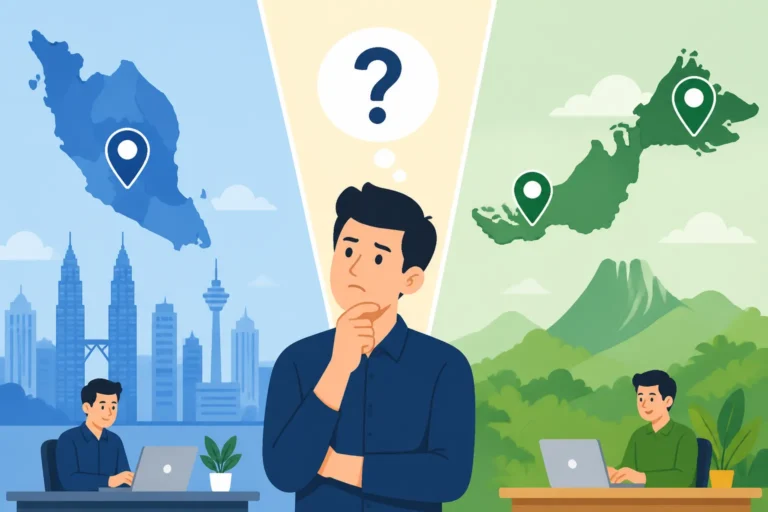
Ah, the siren call of Malaysia for digital nomads – it’s a powerful one, isn't it? The thought of swapping grey skies for sunny beaches, expensive lattes for cheap kopi, and endless commutes for a flexible schedule in a vibrant, diverse country is incredibly appealing. Many of you arrive on a standard tourist visa, fall head over heels for the local charm, delicious food, and friendly faces, and then the big question hits: can I actually stay here long-term as a digital nomad? This guide is going to meticulously unpack just that, delving deep into the practicalities, visa options, and the very real hurdles you’ll face in trying to make Malaysia your long-term nomadic base.
The Lure of Malaysia for Digital Nomads
Malaysia truly has a magnetic pull for those of us who carry our offices in our backpacks. From the bustling metropolis of Kuala Lumpur to the tranquil beaches of Langkawi or the cultural melting pot of Penang, there's a corner for every preference. But beyond the postcard-perfect images, what truly makes it a digital nomad paradise?
Why Malaysia is a Nomad's Paradise: Climate, Cost, Culture
Let's be honest, the tropical climate is a huge draw. Waking up to sunshine most days, even if it means navigating the occasional torrential downpour, beats shivering in colder climes any day. Then there's the cost of living. Compared to many Western countries, your money simply goes further here. You can enjoy fantastic food, comfortable accommodation, and a pretty decent lifestyle without breaking the bank. This makes it incredibly attractive for those on varied income streams, from a fledgling freelance gig to a well-established remote position.
And the culture? Oh, it’s just fantastic. Malaysia is a beautiful tapestry of Malay, Chinese, Indian, and indigenous influences, resulting in an incredible fusion of cuisines, festivals, and languages. You’ll find English widely spoken, especially in urban areas, which significantly eases the initial settling-in period. The internet infrastructure is generally robust in major cities, which is, let's face it, non-negotiable for anyone relying on a stable connection for work. Co-working spaces are popping up everywhere, fostering a strong community of like-minded individuals. It’s easy to see why the dream of extended stays takes root so quickly.
The Dream vs. Reality: Initial Entry and Short Stays
However, this is where the rubber meets the road. Most digital nomads initially enter Malaysia on a social visit pass, which grants visa-free entry for 30 to 90 days, depending on your nationality. This is absolutely fine for a short stint – a month or two to explore, work remotely, and enjoy the sights. The problem arises when that initial period is drawing to a close, and you realise you don't want to leave.
Here’s the hard truth: a social visit pass is explicitly for tourism and does not permit you to work, even if that work is for an overseas employer and your income isn’t sourced from Malaysia. While immigration authorities rarely scrutinise the laptop usage of individual tourists, relying on this short-term visa for a long-term stay is a risky gamble. Many nomads try "visa runs" – leaving the country briefly (to Singapore or Thailand, for instance) and then re-entering to get a fresh tourist stamp. This strategy, while common in some regions, is increasingly frowned upon by Malaysian immigration. They are well aware of this tactic, and if they suspect you're using a tourist visa to live and work in Malaysia without proper authorisation, you could be denied re-entry or face more serious consequences. It's a source of immense stress and uncertainty, and frankly, it’s not a sustainable path for someone genuinely wanting to build a life here.
Navigating Visa Options for Long-Term Digital Nomads
So, if visa runs are out and tourist visas are temporary, what are your options for staying in Malaysia long-term as a digital nomad? This is where understanding the specific visa landscape becomes critical.
The DE Rantau Digital Nomad Pass: Your Best Bet
For those who dream of making Malaysia a long-term base for their remote work, the DE Rantau Digital Nomad Pass is undoubtedly your best, and really, your only official pathway. This pass was specifically introduced to attract and retain digital nomads, offering a legitimate visa for up to 12 months, with the possibility of renewal for another 12 months. This means you could potentially stay for two full years, working legally from Malaysia. It’s a game-changer for the digital nomad community here.
To qualify for the DE Rantau pass, you need to meet a few key criteria. Firstly, you must be a digital professional – this includes freelancers, independent contractors, or full-time remote employees. You'll need to demonstrate a minimum annual income of RM24,000 (approximately USD 5,000 to USD 6,000, depending on exchange rates). This threshold, while seemingly low, is designed to be accessible. You’ll also need to prove you're engaged in digital work, such as IT, marketing, content creation, or similar fields. This could be through client contracts, employment letters from foreign companies, or a portfolio of your freelance work.
The process for applying for the DE Rantau pass involves submitting your application through the Malaysia Digital Economy Corporation (MDEC) portal. It requires a good deal of documentation, including your passport, financial statements, proof of income, employment or client contracts, and sometimes educational certificates. While the idea of gathering all those documents can feel a bit overwhelming, it's a small price to pay for the peace of mind and legal standing it provides. I strongly recommend diving into our detailed guide on How to Apply for the DE Rantau Nomad Pass in Malaysia to get a step-by-step breakdown. Also, be sure to check What Income Do I Need for the DE Rantau Pass in Malaysia? for the latest income requirements.
Other Visa Avenues and Their Limitations
Beyond the DE Rantau pass, other visa options are generally not suited for the typical digital nomad scenario, and it's crucial to understand why to avoid disappointment or immigration issues.
-
Employment Pass (EP): This is for those employed by a Malaysian company. If you’re truly a digital nomad working for an overseas employer, an Employment Pass is not applicable. Trying to secure one without a legitimate local employer is virtually impossible and defeats the purpose of being location-independent. Our guide, The Complete Guide to Working in Malaysia as a Foreigner (2027), provides extensive information on this, but it’s generally not for the self-employed nomad.
-
Malaysia My Second Home (MM2H): The MM2H programme is a long-term social visit pass designed for retirees or those seeking a second home in Malaysia. It has significantly higher financial requirements, including substantial fixed deposits and offshore income, making it inaccessible for most digital nomads who aren't in a high-net-worth bracket. It also has age restrictions. While it offers a ten-year multiple-entry visa, it’s a different beast entirely. You can learn more about it in The Expat Guide to Malaysia My Second Home (MM2H) (2027).
-
Long-Term Social Visit Pass (LTSVP): This pass is typically for spouses of Malaysian citizens or Employment Pass holders, or for individuals needing extended medical treatment, and other very specific circumstances. It's not a general "long-stay" visa for independent remote workers.
The key takeaway here is that if your income is solely derived from clients or an employer outside of Malaysia, and you don't fit the high financial criteria of MM2H or have a local employer, the DE Rantau pass is your official answer. Any other attempt to live and work remotely for extended periods will likely put you at odds with immigration regulations.
The Perils of Visa Runs and Overstaying
There are countless stories of people who, in their enthusiasm for Malaysia, push the boundaries of their social visit pass. They rely on "visa runs," hoping to re-enter the country and reset their tourist period. While this might have worked in the past for some, Malaysian immigration has significantly tightened up on this. If an immigration officer suspects you are using tourist visas to reside in Malaysia and work remotely without proper authorisation, they have every right to deny you entry.
Imagine landing at Kuala Lumpur International Airport, tired but excited, only to be pulled aside, interrogated about your frequent entries, and ultimately denied admission. You’d be put on the next flight back to your last departure point, and quite possibly blacklisted from entering Malaysia for a significant period. The stress, the lost flight tickets, the disruption to your life and work – it's just not worth it.
Even worse is overstaying your visa. This is a serious offence in Malaysia and carries hefty fines, detention, and deportation, along with a potential travel ban. It's not just a slap on the wrist; it's a major criminal offense. The official The Complete Guide to Malaysian Visas for Expats (2027) will tell you, immigration here is firm, and for good reason. Always, always ensure you have a valid visa that matches your intentions.
Practicalities of Long-Term Nomad Life in Malaysia
Securing the right visa, like the DE Rantau pass, is just the first step. Once you’ve got that sorted, it’s time to truly set up shop and integrate into the long-term expat lifestyle. This means tackling the everyday essentials that make living anywhere comfortable and sustainable. And this is where companies like Sirelo can be incredibly helpful for moving your personal belongings if you plan a longer stay, helping you compare international moving quotes.
Setting Up Your Life: Banking, Internet, and Accommodation
-
Banking: Opening a bank account in Malaysia as a foreigner can sometimes be a bit of a bureaucratic dance, but it’s absolutely essential for managing your finances here. Most banks, like Maybank or CIMB, will require specific documents, including your passport, a valid long-term visa (like your DE Rantau pass!), and often a letter of introduction from your employer or proof of address. Having a local bank account makes paying bills, receiving payments (if you have local clients, though DE Rantau is for foreign-sourced income), and daily transactions much easier than relying solely on international cards. Our guide, The Expat Guide to Opening a Bank Account in Malaysia, offers fantastic advice on navigating this process.
-
Internet and Utilities: A stable internet connection is your lifeline. Malaysia generally has excellent fibre optic broadband services, with providers like Unifi and Maxis being popular choices. Setting up utilities like electricity (TNB) and water is also part of the process of getting settled. Thankfully, these processes are fairly streamlined once you have your tenancy agreement and visa. Check out The Expat Guide to Setting Up Utilities in Malaysia for a detailed walkthrough.
-
Accommodation: Finding long-term accommodation is far less stressful when you have a proper visa. You can enter into standard tenancy agreements, usually for 12 months, and often find great deals on apartments or condos, especially outside the absolute city centre. Kuala Lumpur, Penang, and Johor Bahru offer a wide range of options. Understanding the nuances of renting in Malaysia, from deposits to tenancy agreements, is crucial. Our guide, The Complete Guide to Renting an Apartment in Malaysia (2027), will walk you through everything you need to know. Remember, whether you're bringing a few suitcases or a whole container of belongings, services like Sirelo can help ease the logistics of your move.
Healthcare and Insurance for Long-Term Stays
Healthcare is another vital consideration for any long-term expat or nomad. Malaysia boasts a dual healthcare system – public and private – with the private sector being particularly appealing due to its modern facilities and English-speaking staff. As a digital nomad, you won't have employer-provided health insurance (unless your foreign employer offers it), so securing a private health insurance plan is paramount.
International health insurance providers, such as Cigna Global, are excellent options for expats and digital nomads. They offer comprehensive coverage that extends beyond Malaysia, which is perfect if your nomadic journey takes you to other countries. Look for plans that cover inpatient, outpatient, and emergency care. Don't underestimate the importance of this; medical emergencies can be incredibly expensive, and you don’t want to be caught unprepared. For a deep dive into your options, check out Health Insurance in Malaysia: Local, International and Employer Options Explained.
| Type of Care | Public Hospital (Foreigner Fee) | Private Hospital (Estimated Cost) | Cigna Global Coverage |
|---|---|---|---|
| GP Consultation | RM30 – RM100 | RM80 – RM200 | Usually Covered (Outpatient) |
| Specialist Visit | RM60 – RM200 | RM200 – RM500+ | Usually Covered (Outpatient/Inpatient) |
| Emergency Room | RM100 – RM300 | RM300 – RM1000+ | Covered |
| Minor Surgery | RM500 – RM3,000 | RM5,000 – RM20,000+ | Covered |
| Hospital Stay (per night) | RM50 – RM200 | RM300 – RM1,000+ | Covered |
Note: Costs are estimates and can vary greatly depending on the facility, complexity of treatment, and individual case. Cigna Global coverage depends on the specific plan chosen.
Tax Obligations for Digital Nomads
This is one of the trickiest areas for digital nomads everywhere, and Malaysia is no exception. With a DE Rantau pass, you are legally residing in Malaysia, which has implications for your tax residency. Malaysia generally taxes income sourced from or derived in Malaysia. However, if your income is genuinely foreign-sourced (i.e., you’re working for overseas clients or employers and the funds are paid into an overseas account), it might be exempt from Malaysian income tax, depending on specific conditions and tax treaties. This has been a contentious area for some time, with rules changing, so it's absolutely crucial to seek professional tax advice specific to your situation.
As a DE Rantau pass holder, you are expected to register for a tax identification number (TIN) with the Inland Revenue Board of Malaysia (LHDN). Even if your foreign-sourced income is not taxed, you generally still have a reporting obligation. This is not something to ignore. Failing to comply with tax laws can lead to severe penalties. Get educated on The Complete Guide to Taxes in Malaysia for Expats (2027) and consider consulting a local tax advisor familiar with expat and digital nomad taxation.
Making the Long-Term Stay a Reality
The journey to long-term digital nomad life in Malaysia is an exciting one, but it demands careful planning and adherence to regulations. It's a huge step from being a tourist to becoming a resident, even a temporary one.
Planning Your Application and Gathering Documents
Success in securing your DE Rantau pass hinges on meticulous preparation. Start by thoroughly reviewing the eligibility criteria and required documents on the MDEC website. Give yourself ample time to gather everything – passports, bank statements, proof of income, contracts, and potentially letters from clients or employers. Don't rush it, and double-check every item. If you're a freelancer, make sure your contracts clearly outline the nature of your digital work and the foreign source of your income. For remote employees, an employment letter confirming your remote status and foreign employer is key.
Remember that an investment in the correct visa, like the DE Rantau pass, is an investment in your peace of mind and your ability to truly enjoy Malaysia without constantly worrying about immigration issues. It also opens doors to other aspects of life, like proper banking and long-term accommodation, as discussed earlier.
Embracing the Expat Journey in Malaysia
Once you’ve got your long-term visa sorted, the real journey begins. Embracing life as a long-term digital nomad in Malaysia means more than just having a reliable internet connection. It’s about building a community, exploring the country beyond the usual tourist spots, and truly immersing yourself in the local culture. Join expat groups, network with other nomads, and take advantage of Malaysia’s incredible diversity. Whether you're settling in the bustling heart of Kuala Lumpur or a quieter town, there's always something new to discover.
The cost of living, while generally affordable, still requires budgeting. Our guide to The Complete Guide to Cost of Living in Malaysia for Expats (2026) can provide detailed insights to help you plan your finances effectively. From delicious hawker food to incredible natural wonders, Malaysia offers a rich and rewarding experience for those who are prepared to navigate its administrative nuances. It truly can be a fantastic long-term home for digital nomads, but only if you choose the right legal path and prepare thoroughly.
Disclaimer
The information provided in this guide is for general informational purposes only and does not constitute legal, financial, or immigration advice. While every effort has been made to ensure accuracy, regulations and policies in Malaysia are subject to change without notice. It is strongly recommended that you consult with official sources, such as the Malaysian Immigration Department, the Malaysia Digital Economy Corporation (MDEC), and professional legal or tax advisors, to obtain the most current and specific advice tailored to your individual circumstances before making any decisions related to your visa, stay, or financial obligations in Malaysia.