Can I Open a Malaysian Bank Account Without Residency?
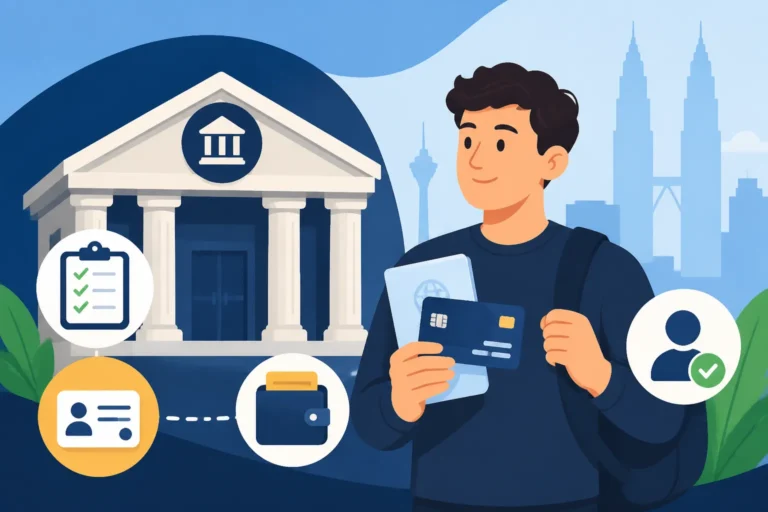
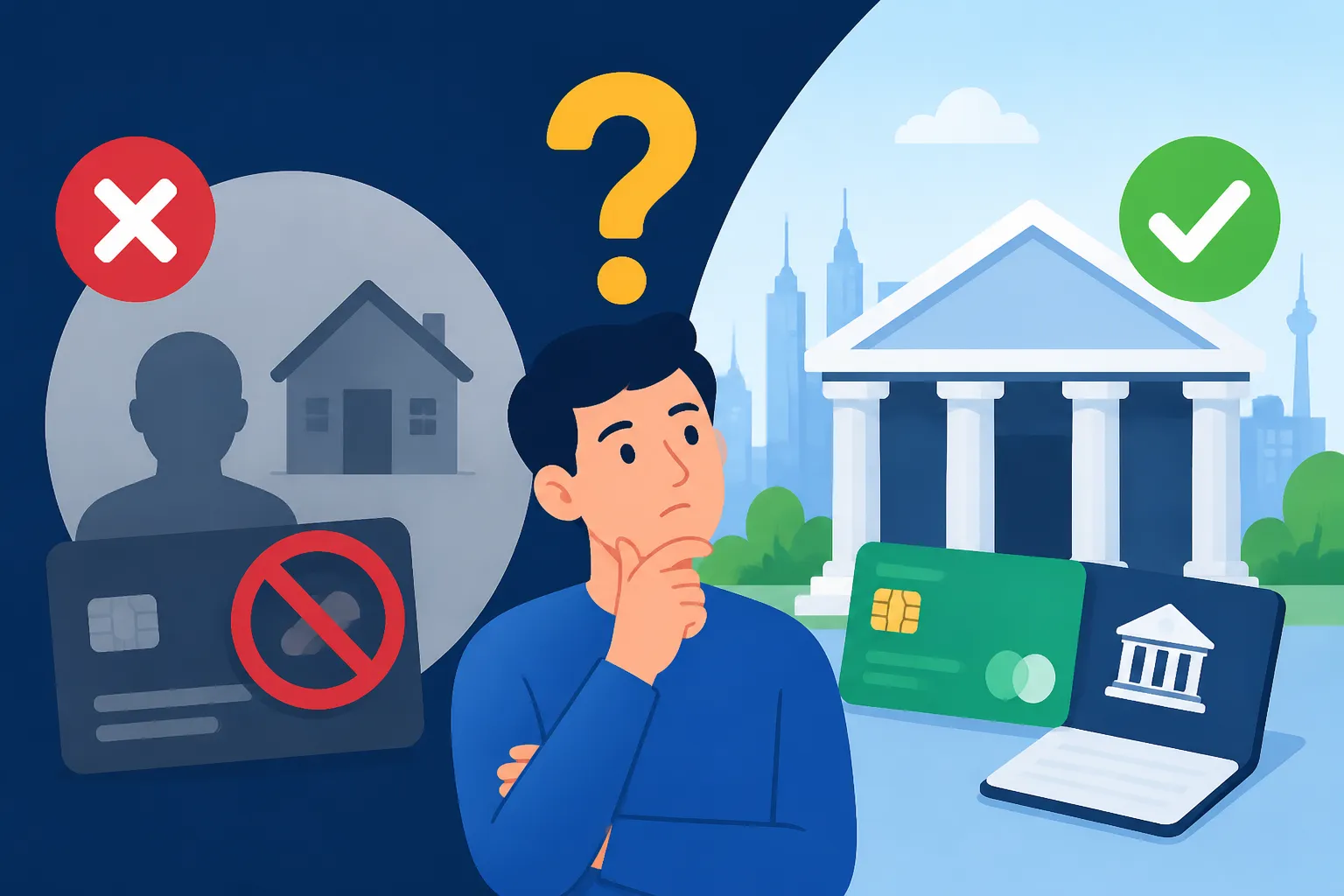
Ah, the classic expat dilemma! You've just arrived in Malaysia, brimming with excitement, and then BAM – you hit the brick wall of setting up a local bank account. It feels like a Catch-22, doesn't it? You need a bank account to get paid, to pay rent, to just live, but often, you're told you need a long-term visa or proof of residency that you haven't even received yet. Trust me, I’ve been there, staring blankly at bank officers who seem to speak a different language, even when they're speaking perfect English. This guide is here to untangle that knot, offering you a realistic roadmap on how to navigate opening a Malaysian bank account, especially when you don't yet have that elusive "residency" status.
The Residency Conundrum: What Banks Really Mean in Malaysia
When Malaysian banks talk about "residency" for opening an account, they're typically looking for proof that you have a legal, long-term stay permit in the country. This isn't just about being physically present; it's about your official immigration status. For a new arrival, this can be incredibly frustrating because your visa might still be processing, or you might be here on a short-term entry before your actual pass is issued.
Understanding Malaysian Bank Requirements
The standard procedure for most banks, whether you're walking into a branch of Maybank, CIMB, or even international players like HSBC and Standard Chartered, is to ask for a valid long-term visa. This usually means an Employment Pass (EP), a Malaysia My Second Home (MM2H) visa, or a Student Pass. They're looking for stability and a legal framework for your extended stay.
The challenge truly begins when you don't have this yet. You might have just landed, perhaps on a social visit pass, waiting for your new employer to sort out your Employment Pass. Or maybe you're here exploring options, looking to transition from a tourist to an MM2H applicant. The bank's systems are rigid, and their staff are trained to follow a strict checklist. If your document doesn't fit neatly into one of their pre-approved categories, you'll often face a polite but firm "no." This can lead to a lot of wasted time and mounting frustration, so understanding what they really mean by "residency" is key to managing your expectations and finding workarounds.
The Definition of "Non-Resident" for Banking
It's important to differentiate between tax residency and banking residency in Malaysia. For tax purposes, an individual is generally considered a tax resident if they are present in Malaysia for 182 days or more in a calendar year, or meet other specific criteria as outlined in the Income Tax Act 1967. However, when a bank labels you as "non-resident," they are primarily referring to your immigration status. It means you don't hold one of the official long-term passes that allow you to establish a regular savings or current account without special conditions.
So, while you might be physically residing here, contributing to the economy, and even falling under the future umbrella of Malaysian tax laws (a topic extensively covered in guides like Understanding Income Tax in Malaysia: The Full Expat Guide (2027) and Tax Residency in Malaysia: A Definitive Guide for Expats (2027)), for a bank, "non-resident" often just translates to "you don't have a long-term visa printed in your passport yet." This distinction is crucial because it means that even if you're intending to become a long-term resident, the banks need that official stamp to proceed with standard account opening.
Bridging the Gap: Banking Options Before Your Long-Term Pass Arrives
While opening a full-fledged current or savings account as a true non-resident (i.e., on a short-term tourist visa with no long-term pass pending) is exceptionally difficult, there are specific scenarios where banks might offer some flexibility, or where temporary solutions can tide you over.
Tourist Visa Holders and Short-Term Visitors
Let's be blunt: if you're purely here on a short-term tourist visa with no intention of applying for an Employment Pass, MM2H, or Student Pass, opening a traditional Malaysian bank account is virtually impossible. Banks are wary of compliance issues, money laundering risks, and the sheer administrative burden for temporary visitors.
So, what are your alternatives?
- International Credit and Debit Cards: Your best bet initially is to rely on your existing credit and debit cards from your home country. Visa and Mastercard are widely accepted across Malaysia. Be aware of foreign transaction fees, which can quickly add up.
- Travel Money Cards: Pre-loaded travel cards can offer better exchange rates and lower fees than traditional bank cards, but ensure they are accepted in Malaysia and check their top-up methods.
- Cash: Always a good idea to have some Malaysian Ringgit (MYR) on hand for smaller purchases, hawker stalls, and emergencies. Use reputable money changers (like those in shopping malls, often offering better rates than airports) or withdraw from ATMs with your international debit card.
- Limited E-wallets: Some local e-wallets like Touch 'n Go eWallet and GrabPay allow tourists to register and top up with foreign credit cards for basic payments. However, their full functionality, like receiving funds from local banks or higher transaction limits, often requires a Malaysian ID or bank account.
For visitors managing their international finances, services like Wise are invaluable. They allow you to hold multiple currencies, send money home, and receive payments, often at much better rates than traditional banks, all without needing a Malaysian bank account. It can be a real lifeline for managing your money before you get fully set up in Malaysia.
The "Work-in-Progress" Expat: Employment Pass & MM2H Applicants
This is where the grey area lies and where a bit of strategic planning can help. If you are in the process of getting an Employment Pass or an MM2H visa, some banks might be more accommodating, but it's not guaranteed. The key here is presenting strong supporting documents that clearly indicate your impending long-term status.
-
For Employment Pass Applicants:
- Letter of Offer/Employment Contract: If you have an official offer letter or employment contract from a Malaysian company, this is crucial. It shows a clear intent and legal basis for your future stay.
- Visa Approval Letter (VAL): If your Employment Pass has been approved but not yet endorsed in your passport, the VAL from the Immigration Department is often the strongest document you can provide. Some banks will accept this, along with a letter from your employer confirming your employment and upcoming pass endorsement.
- Employer's Assistance: Your employer’s HR department might have existing relationships with specific banks (e.g., Maybank or CIMB are very common choices) and can write a letter of introduction or even send an HR representative with you to the bank. This can significantly smooth the process. This is often the path for those applying for How to Get an Employment Pass in Malaysia (2027).
- Specific Banks: Anecdotally, banks like Maybank and CIMB, being the largest local banks, are often perceived as slightly more flexible due to their sheer volume of expat customers. However, policies can change, so always call ahead or inquire in person.
-
For MM2H Visa Applicants:
- Approval Letter: Once your The Expat Guide to Malaysia My Second Home (MM2H) (2027) application is approved, you will receive an approval letter. This letter, combined with your passport, should be sufficient for most banks to open an account, particularly for placing the required fixed deposit.
- MM2H Agent Assistance: If you used an MM2H agent, they often have established contacts with banks and can facilitate the account opening, making the process much less stressful.
Remember, patience is a virtue here. You might need to visit a few different branches or even different banks. Policies can vary from branch to branch, and sometimes, it simply comes down to the individual bank officer you speak with.
Student Pass Holders
For international students, the process is generally more straightforward than for other temporary residents, primarily because your university acts as a strong guarantor and facilitator.
- University Letter: Your university will typically provide an official letter confirming your enrollment and student status, which is usually sufficient for banks like Maybank or CIMB. This letter is critical for How to Apply for a Student Pass in Malaysia holders.
- Required Documents: You'll still need your passport with your Student Pass endorsement, your university ID, and proof of address in Malaysia (e.g., a tenancy agreement or a letter from your university accommodation).
- Specific Banks: Most major banks cater to international students, and your university might even recommend specific banks or have special arrangements with them.
Smart Money Moves: International Services and Local Digital Alternatives
While you're waiting for that official long-term pass, or if you're purely a short-term visitor, you're not entirely without options. It's about being resourceful and leveraging modern financial services.
Using International Services and Digital Wallets
In the interim, before your full Malaysian bank account is up and running, international money transfer services and local digital wallets can be incredibly useful.
- Wise (formerly TransferWise): This is a name you'll hear often among expats, and for good reason. Wise offers a multi-currency account that allows you to hold, send, and receive money in various currencies, including Malaysian Ringgit (MYR). You can get local bank details in several countries, meaning people can pay you as if you have a local account in their country, and you can convert it to MYR when you need it, often with very competitive exchange rates and low fees. Many expats use Wise as their primary tool for managing cross-border finances, especially when they first arrive. It's a fantastic stop-gap that lets you bypass the need for an immediate Malaysian bank account for many transactions. "Taxes for Expats" often recommend efficient money transfer services, and Wise frequently tops that list for its transparency and cost-effectiveness. You can easily link it up later when you do open a local bank account for smoother transfers, as detailed in How to Transfer Money Into and Out of Malaysia as an Expat.
- Other International Transfer Services: Companies like Revolut, Remitly, or WorldRemit also provide services to send money to and from Malaysia. They can be useful for receiving funds from your home country or sending money back without going through traditional banks, which can be slower and more expensive.
- Local E-wallets (e.g., GrabPay, Touch 'n Go eWallet, Boost): These apps are ubiquitous in Malaysia for everyday transactions, from paying for Grab rides and food deliveries to shopping at supermarkets and hawker stalls. You can usually download and register these apps using your foreign phone number and top them up with an international credit or debit card. However, be aware of the limitations:
- Lower Limits: Without a Malaysian ID or bank account linked, transaction and wallet limits might be lower.
- No Direct Salary: You cannot receive your salary directly into an e-wallet.
- Cash-out Limitations: Cashing out funds usually requires a Malaysian bank account.
These digital alternatives are excellent for daily spending and immediate needs but are not a substitute for a proper bank account for long-term financial management.
Relying on Your Home Country Bank Account
Before you arrive, and during your initial setup phase, your home country bank account will be your primary financial lifeline.
- Pros: Familiarity, continuity, and often higher security. You'll continue to receive your income (if working remotely or transitioning) and pay bills in your home country.
- Cons:
- Fees: Foreign transaction fees for every debit/credit card swipe or ATM withdrawal can accumulate rapidly.
- Exchange Rates: The exchange rates offered by your home bank might not always be the most favourable.
- Accessibility: If your card gets lost, stolen, or blocked, resolving the issue from Malaysia can be a significant headache.
- Local Transactions: Paying rent, utilities, or receiving local payments will be difficult or impossible without a Malaysian account.
It's crucial to inform your home bank of your travel plans to Malaysia to avoid your cards being flagged for suspicious activity and blocked. While this is a temporary solution, it’s vital for the initial weeks or months.
Securing Your Financial Foothold: Opening a Full Malaysian Bank Account
Once you have your long-term visa (Employment Pass, MM2H, Student Pass, or Dependant Pass for spouses and children – check out How to Get a Dependant Pass for Your Spouse and Children in Malaysia), the path to a full-fledged Malaysian bank account becomes much clearer and less stressful. This is the goal for most expats, as it enables seamless local transactions, salary deposits, and bill payments.
The Essential Documents Checklist
Preparation is key. Always bring original documents, and it's a good idea to have several photocopies ready, just in case. The standard list typically includes:
- Passport: Your original passport with at least six months validity.
- Valid Visa/Pass: Your Employment Pass endorsement (stickered or stamped in your passport), MM2H visa, Student Pass, or Dependant Pass. This is non-negotiable for a standard account. For those under The Complete Guide to Malaysian Visas for Expats (2027), ensure you have the right document.
- Letter of Offer/Employment Contract: For Employment Pass holders, this confirms your employment.
- Letter of Introduction/Confirmation from Employer/University: An official letter stating your employment status, duration, and sometimes even requesting the bank to open an account for you. For students, this is from your educational institution.
- Proof of Address in Malaysia: This could be a tenancy agreement, a utility bill (electricity, water, internet) in your name, or a letter from your employer/university confirming your residential address. If you’re just setting up utilities, this might be a tricky one at first.
- Initial Deposit: Most banks require a small initial deposit to open an account, typically between RM20 and RM250, depending on the account type.
- Tax Identification Number (TIN): While you might not have a Malaysian TIN immediately, some banks might ask for your home country's TIN or a declaration.
It's always a good practice to call the specific branch you plan to visit beforehand to confirm their exact requirements, as these can sometimes vary.
Choosing the Right Bank for Expats
Malaysia has a robust banking sector, with a mix of local and international banks. Your choice will depend on your specific needs, but here are some popular options among expats:
- Maybank: The largest local bank, with an extensive branch and ATM network across the country. Their online banking is comprehensive, and they are generally expat-friendly.
- CIMB Bank: Another major local player, offering competitive services and a wide presence. Also a solid choice for ease of access.
- Public Bank: A strong contender known for good customer service and robust online platforms.
- HSBC Bank Malaysia: An international bank with a strong focus on expat services. They often have dedicated expat banking teams and can sometimes facilitate account opening more smoothly if you have an existing HSBC relationship in your home country.
- Standard Chartered Bank Malaysia: Another international bank providing tailored services for expats, including preferential rates for certain products.
For a deeper dive into choosing, refer to How to Choose the Best Bank for Expats in Malaysia and Banking in Malaysia: A Complete Guide for Foreigners (2027). Considerations should include branch proximity to your home or work, ease of online banking (check out How to Set Up Online Banking with a Malaysian Bank), and the availability of English-speaking staff.
The Process: Step-by-Step Account Opening
Once you have all your documents in hand and your long-term pass is secured, the actual process is relatively straightforward, though it still requires a good dose of patience.
- Visit a Branch: While some initial inquiries can be made online or over the phone, you will almost certainly need to visit a physical bank branch to open your account. It's often best to go early in the morning to avoid long queues.
- Take a Number and Wait: Grab a queue number for "New Accounts" or "Customer Service." This might take a while, so bring a book or ensure your phone is charged.
- Present Documents: When your number is called, present all your original documents and photocopies to the bank officer. They will verify everything and often make additional copies.
- Fill Out Forms: You'll be asked to fill out several forms for account opening, KYC (Know Your Customer) checks, and possibly online banking registration. Take your time and ask for clarification if anything is unclear.
- Initial Deposit: Make your initial deposit. The officer will guide you on the minimum amount.
- Receive Your Debit Card and Online Banking Details: You might receive your debit card on the spot, or it may be mailed to your Malaysian address within a week or two. You'll also be given instructions and temporary credentials to set up your online banking access.
- Activate and Transact: Once you have your card and online banking set up, you can start using your account for daily transactions, paying bills, and managing your finances in Malaysia.
Opening a bank account in Malaysia as an expat without prior residency can feel like a formidable task, but by understanding the nuances of the requirements, exploring the interim solutions, and being prepared with the right documents once your long-term pass is approved, you can definitely navigate the system. It’s all part of the grand adventure of expat life!
Disclaimer
The information provided in this guide is for general informational purposes only and does not constitute financial, legal, or immigration advice. While we strive to keep the information accurate and up-to-date, regulations and policies in Malaysia, especially concerning banking and immigration, can change frequently. Expats should always consult with relevant financial institutions, immigration authorities, or professional advisors for advice tailored to their specific situation.