What Is the Best Way to Send Money Abroad from Malaysia?
Figuring out the most reliable and cost-effective way to send your hard-earned money back home from Malaysia can feel like navigating a maze blindfolded. You've got family to support, bills to pay, or just want to manage your international finances, but the thought of hidden fees, abysmal exchange rates, and lengthy processing times is enough to give anyone a headache. This guide will meticulously break down your best options for transferring money abroad, ensuring your funds reach their destination safely, quickly, and without unnecessary expense.
Understanding Your Options for Sending Money Home from Malaysia
When you’re an expat living in Malaysia, the need to send money back to your home country, whether for family support, mortgage payments, or investments, is a recurring reality. The Malaysian financial landscape, overseen by Bank Negara Malaysia (BNM), offers several avenues for international money transfers, each with its own set of advantages and drawbacks. It's not just about picking the first option you see; it’s about understanding the nuances of exchange rates, transaction fees, transfer limits, and speed. What works best for a small, urgent transfer might be disastrous for a large, regular remittance. It truly boils down to balancing convenience, cost, and speed according to your specific needs.
Evaluating Exchange Rates and Fees
This is where many expats get caught out. A service might advertise "zero fees" or "low fees," but then silently mark up the exchange rate, eating into your transfer value. It's a classic bait-and-switch. Always look for the mid-market rate, which is the true exchange rate between two currencies. Any difference from this rate is essentially a hidden fee. Banks, for instance, often offer less competitive exchange rates compared to specialist remittance services.
Let's imagine you're sending RM5,000 home. If a bank offers you an exchange rate of 1 USD = RM4.50, but the mid-market rate is actually 1 USD = RM4.70, you're effectively losing RM0.20 for every US Dollar equivalent you send. That adds up quickly! A transparent service will show you the exact exchange rate they're offering, the specific fees, and the precise amount your recipient will receive. Don't be shy about comparing these figures across different platforms before committing. Remember, the cheapest option isn't always the one with the lowest upfront fee; it's the one that delivers the most money to your recipient after all conversions and charges.
Speed and Security Considerations
How fast do you need the money to arrive? And how secure is the method? These two factors often go hand-in-hand and significantly influence your choice. Traditional bank transfers, while generally very secure, can take several business days to complete, especially if it involves multiple intermediary banks. This can be frustrating when you're dealing with urgent family needs or time-sensitive payments.
On the other hand, many digital remittance platforms boast near-instant transfers, often within minutes or a few hours, depending on the destination and payment method. However, "instant" can sometimes mean "instant to their platform, then a few hours to the recipient's bank." Always read the fine print regarding delivery times. Security is paramount; ensure any service you use is regulated in Malaysia (by Bank Negara Malaysia) and in the destination country. Look for strong encryption, two-factor authentication, and a clear customer service policy in case something goes wrong. Trustworthy providers will make their regulatory compliance clear, offering peace of mind that your money isn't just floating in the digital ether.
Digital Remittance Platforms: The Modern Expat's Choice
For many of us who've been living and working in Malaysia, digital remittance platforms have become an absolute lifeline. They've genuinely revolutionised how expats manage their cross-border finances, largely by cutting out the middleman and offering much better value than traditional banks. If you're tired of seeing a chunk of your hard-earned ringgit disappear into obscure bank charges and unfavourable exchange rates, these platforms are usually your best bet.
Specialist Money Transfer Services
These services are built from the ground up to facilitate international money transfers, making them incredibly efficient and often more economical. Companies like Wise (formerly TransferWise) have become incredibly popular because they focus on transparency and offer exchange rates that are very close to the mid-market rate, charging a small, upfront fee. They often use a local-to-local transfer model, meaning your money doesn't actually cross borders in the traditional sense. Instead, your ringgit goes into their Malaysian account, and then they pay out the equivalent in local currency from their account in the destination country. This ingenious system is what makes them fast and keeps costs down.
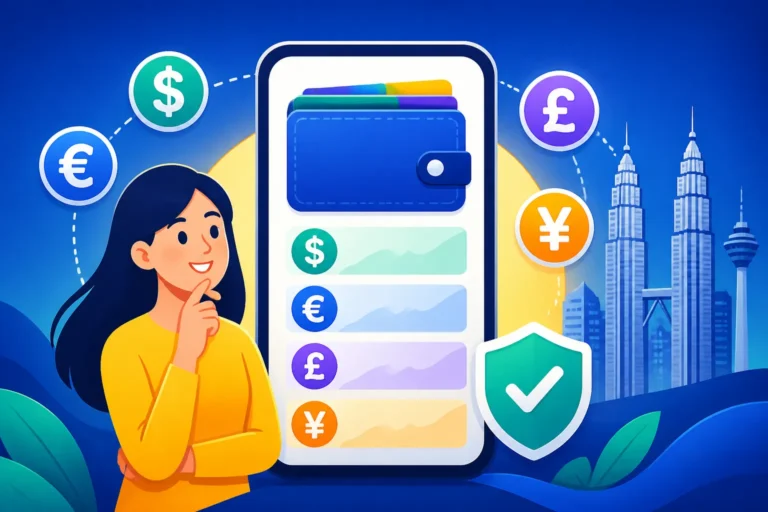
Let's say you're sending money to the UK. You'd send Malaysian Ringgit to Wise's Malaysian bank account. Then, from their UK bank account, Wise sends British Pounds directly to your recipient's UK bank account. It's a smart way to avoid those hefty international wire transfer fees. Setting up an account is typically straightforward, requiring your Malaysian identification documents and a local bank account. You can usually initiate transfers through their mobile app or website, making it incredibly convenient. Many of these services also offer multi-currency accounts, which can be a game-changer if you're frequently dealing with different currencies. They've really made sending money abroad as simple as sending a local bank transfer. It’s also worth noting that if you're considering transferring money into Malaysia, platforms like Wise are also a strong contender for that as well; you can learn more about this in our guide on How to Transfer Money Into and Out of Malaysia as an Expat.
Mobile Wallet and App-Based Solutions
Beyond the specialist services, there's a growing ecosystem of mobile wallet and app-based solutions that allow for international remittances. These often integrate directly with local payment systems in various countries, making it incredibly easy for recipients to access funds. While some might be tailored to specific corridors (e.g., Malaysia to Indonesia, or Malaysia to the Philippines), others are expanding their global reach.
For example, certain apps might allow you to send money from your Malaysian bank account or e-wallet directly to a recipient's mobile wallet in another country, often with instant delivery. While convenient, it's crucial to check their exchange rates and fees, as these can sometimes be less competitive than dedicated transfer services, especially for less common currency pairs. Always ensure the app is reputable and regulated. These platforms are particularly good for smaller, frequent transfers where speed and ease of access for the recipient are priorities, perhaps for daily expenses or emergencies. They streamline the process immensely, but vigilance on the rates is always advised.
Traditional Banking Wires and Their Realities
Ah, the good old bank wire. For decades, this was the standard, the only option really, for sending money across borders. And while banks in Malaysia, like Maybank, CIMB, or Public Bank, are undeniably secure and trustworthy, the reality of using them for international transfers in today's digital age is often a mixed bag of higher costs, slower speeds, and sometimes, a frustrating lack of transparency. Many expats find themselves defaulting to their bank simply because it's familiar, without truly understanding the alternatives.
SWIFT Transfers: The Legacy System
When you ask your Malaysian bank to send money internationally, nine times out of ten, they'll be using the SWIFT network. SWIFT stands for the Society for Worldwide Interbank Financial Telecommunication, and it's a messaging system that allows banks around the world to securely exchange information, including money transfer instructions. It's robust and secure, but it's also a legacy system, which often translates to higher costs and longer processing times.
Here’s how it usually plays out: You initiate a transfer at your local branch or through your online banking portal. The Malaysian bank charges you an outgoing wire fee, which can range from RM20 to RM100 or more. Then, your money might pass through one or more intermediary banks before reaching the recipient's bank. Each of these intermediary banks can (and usually does) levy its own fee, often deducted from the principal amount, so your recipient might get less than you initially sent. On top of that, the exchange rate offered by the bank is typically not the mid-market rate but one with a significant markup. All these layers mean your RM1,000 might arrive as RM950, days later than expected. If you're interested in managing your overall finances as an expat, understanding these transaction costs is crucial, especially when considering services like Taxes for Expats who advise on financial planning across borders. For those who frequently deal with bank accounts, our guide on How to Open a Bank Account at a Malaysian Bank as a Foreigner might offer some useful context.
Fees, Exchange Rates, and Processing Times
Let's lay it out clearly. The fees for a bank wire usually consist of:
- Sender's fee: Charged by your Malaysian bank.
- Intermediary bank fees: Often an unknown number, these can be deducted along the way.
- Recipient's bank fee: The receiving bank might also charge a fee to process the incoming international transfer.
As for exchange rates, banks typically update their rates once a day, and they often include a healthy profit margin for themselves. This means you’re not getting the best possible rate available on the market at that moment. Finally, processing times can vary widely. While some transfers within major currencies might complete in 1-2 business days, others, especially to less common destinations or during weekends and public holidays, could take 3-5 business days, or even longer. This delay can be particularly frustrating if you're up against a deadline or need to make urgent payments. While secure, the cumulative costs and time involved make traditional bank wires less attractive for regular, smaller remittances compared to their digital counterparts. For those who still prefer traditional banking, our guide on How to Choose the Best Bank for Expats in Malaysia might be a helpful resource.
Other Methods for Sending Money Abroad
While digital platforms and traditional banks cover the vast majority of money transfer needs, there are a few other methods that might be relevant for specific situations or preferences. These often cater to niche requirements, such as cash delivery or very specific regional corridors. Understanding these alternatives can complete your toolkit for managing money across borders from Malaysia.
Cash Pick-up Services
For situations where the recipient doesn't have a bank account or needs immediate cash, services like Western Union or MoneyGram step in. These services allow you to send money from an agent location in Malaysia, and your recipient can pick it up in cash at an agent location in their home country, often within minutes.
The primary advantage here is speed and accessibility for the recipient. You can walk into a designated agent location (often found in convenience stores, post offices, or dedicated remittance centres), fill out a form, hand over the cash plus fees, and the money is ready for pick-up almost immediately. However, this convenience comes at a cost. The fees for cash pick-up services tend to be higher than digital transfers, and their exchange rates are often less favourable, with a larger margin embedded. They are ideal for emergencies, smaller amounts, or when banking infrastructure is limited for the recipient. For larger amounts, the fees quickly become prohibitive, and carrying large sums of cash is also a security risk for both sender and receiver.
Peer-to-Peer Transfers (Informal Networks)
In some expat communities, informal peer-to-peer (P2P) transfer networks exist. This usually involves you giving Malaysian Ringgit to someone in Malaysia who has funds in your home country, and they then transfer the equivalent amount in your home currency to your recipient's local bank account. Or vice versa. While seemingly attractive due to potentially zero fees and excellent exchange rates (often based on the mid-market rate), these informal methods carry significant risks.
Firstly, they rely entirely on trust. If the individual you're dealing with is not trustworthy, you could lose your money entirely. There's no regulatory body to protect you, and recourse options are limited. Secondly, these transactions might fall into a legal grey area regarding money laundering regulations, depending on the jurisdiction and the amounts involved. While it might seem like a friendly favour, official channels exist for a reason – they provide security and regulatory oversight. For expats, especially those trying to understand the intricacies of Understanding Foreign Exchange and Currency Rules (BNM) in Malaysia, it's generally best to stick to regulated services for peace of mind, even if it means a slightly higher cost.
Navigating Currency Exchange and Regulations
Sending money abroad isn't just about picking a service; it also involves understanding the wider financial ecosystem, particularly currency exchange mechanisms and regulatory frameworks. For expats in Malaysia, this often means grappling with terms like Bank Negara Malaysia (BNM) regulations, foreign exchange controls, and the impact of these on your transfers. A little knowledge here can save you a lot of grief and money.
Bank Negara Malaysia Regulations
Malaysia’s central bank, Bank Negara Malaysia (BNM), plays a crucial role in regulating financial transactions, including international remittances. These regulations are primarily in place to maintain financial stability, prevent money laundering, and ensure fair practices. For individuals, this means that while sending money abroad is generally straightforward, there might be limits on the amount you can transfer in a single transaction or over a period, especially for non-residents.
When you use a licensed money transfer operator or a bank, they are bound by BNM's rules, which require them to verify your identity (KYC – Know Your Customer) and sometimes ask for the purpose of the transfer, especially for larger sums. It's why you'll often be asked for your passport or MyKad. Being aware of these regulations means you won't be surprised by requests for additional documentation, which is all part of a robust financial system designed to protect everyone. Staying informed on topics like Understanding the Malaysian Pharmacy System and Controlled Medicines or Understanding Dental Care Costs and Clinics in Malaysia might seem unrelated, but they underscore the importance of understanding the regulatory environment in Malaysia for all aspects of expat life.
Impact of Exchange Rate Volatility
The foreign exchange market is constantly moving, and rates can fluctuate significantly, sometimes even within a day. This volatility can impact the actual amount your recipient receives. If you're sending a large sum, a slight dip in the exchange rate could mean a noticeable difference in the final payout.
Some digital platforms offer a "rate lock" feature, allowing you to lock in an exchange rate for a certain period (e.g., 24-48 hours) once you initiate the transfer. This protects you from adverse movements in the market, giving you certainty about the final amount. If you're planning a large transfer, monitoring exchange rates and choosing a moment when the rate is favourable can make a substantial difference. Conversely, if you're sending money for something like property down payment, understanding the market can literally save you thousands. For a deeper dive into your overall financial obligations, including insights into How Much Income Tax Will I Pay in Malaysia in 2026?, it’s good to have a grasp on how all these financial elements interconnect.
| Transfer Method | Typical Fees | Exchange Rate | Speed | Security | Best For |
|---|---|---|---|---|---|
| Digital Remittance Platforms (e.g., Wise) | Low, transparent flat fees or percentage | Near mid-market rate | Often within hours, sometimes minutes | High (regulated) | Regular transfers, large sums, cost-efficiency, transparency |
| Traditional Bank Wires (SWIFT) | Higher, often opaque (sender, intermediary, recipient fees) | Marked-up rate (less favourable) | 1-5 business days | Very High (regulated) | Large, less frequent transfers where speed isn't critical, high trust in banking system |
| Cash Pick-up Services (e.g., Western Union) | Higher fees | Marked-up rate (less favourable) | Minutes to hours | Moderate to High (regulated) | Urgent small transfers, recipients without bank accounts |
| Informal P2P Networks | Potentially zero | Can be mid-market (negotiated) | Variable (instant to days) | Low (no regulation) | Not recommended due to high risk |
Choosing the Best Way Forward
Deciding on the "best" way to send money abroad from Malaysia truly isn't a one-size-fits-all answer. Your ideal choice will hinge on a few key factors: how quickly the money needs to arrive, how much you're willing to pay in fees, the size of the transfer, and the specific needs of your recipient. Expats who send money home often find that staying informed and being proactive about comparing options will save you a headache and a considerable amount of money in the long run.
Matching Your Needs with the Right Service
For most expats making regular remittances – whether it's monthly support for family or saving up for a down payment back home – digital remittance platforms like Wise are generally the most advantageous. They offer competitive exchange rates, transparent fees, and decent speed, making them a balanced choice for both large and small amounts. Many even offer services like multi-currency accounts which can be incredibly useful for managing finances across borders.
If you’re dealing with an urgent situation where cash is needed almost immediately and the amount isn't astronomical, cash pick-up services might be your go-to. However, for significant, less time-sensitive transfers where absolute security and the familiarity of your bank are paramount, a traditional bank wire might still be considered, but be prepared for the associated costs and potential delays. Always keep an eye on how services are evolving; new players and features are constantly emerging, aiming to make your life easier. Looking into Understanding the Cost of Healthcare in Malaysia: A Complete Breakdown for Foreigners (2026) might seem like a tangent, but understanding where your money goes, both locally and internationally, is part of comprehensive financial planning.
Tips for Secure and Cost-Effective Transfers
Here are some practical tips to ensure your money transfers are as smooth and affordable as possible:
- Compare, Compare, Compare: Never settle for the first option. Use online comparison tools or check directly with 2-3 different providers (digital and traditional) before each transfer. Pay attention to the total cost, not just the upfront fee.
- Understand the Exchange Rate: Always verify the exchange rate against the mid-market rate (easily found on Google) to see the true cost. A small difference in the rate can add up significantly.
- Mind the Timing: If you're sending a large sum, monitor currency trends. Sending money when your target currency is stronger against the Malaysian Ringgit can yield more for your recipient.
- Verify Recipient Details Carefully: A single wrong digit in a bank account number or name can cause significant delays and even loss of funds. Double-check everything before confirming a transfer.
- Keep Records: Always keep a record of your transactions, including reference numbers, amounts, and dates. This is vital for tracking, dispute resolution, and also for your own financial planning, especially if you're tracking your income and expenses for tax purposes. For help with understanding financial reporting and obligations, especially as a freelancer, you might find our guide on How to Pay Tax as a Freelancer or Sole Proprietor in Malaysia useful.
- Be Aware of Limits: Some services or banks impose daily or monthly transfer limits. Factor this into your planning if you’re sending large or frequent amounts.
By staying savvy and choosing wisely, you can ensure that your money not only reaches its intended destination but also maximises its value, letting you focus more on living your expat life in Malaysia to the fullest. For more detailed information on managing your finances as an expat, check out our comprehensive guide on The Complete Guide to Taxes in Malaysia for Expats (2027) or explore options for Understanding Health Coverage for the Self-Employed in Malaysia if you’re charting your own course here. Don't forget that if you need to set up online banking to facilitate these transfers, our guide on How to Set Up Online Banking with a Malaysian Bank is also available.
Disclaimer
The information provided in this guide is for general informational purposes only and does not constitute financial, legal, or tax advice. While we strive to keep the information up-to-date and correct, we make no representations or warranties of any kind, express or implied, about the completeness, accuracy, reliability, suitability, or availability with respect to the website or the information, products, services, or related graphics contained on the website for any purpose. Therefore, any reliance you place on such information is strictly at your own risk. Always consult with a qualified financial advisor, legal professional, or tax expert for advice tailored to your specific situation.