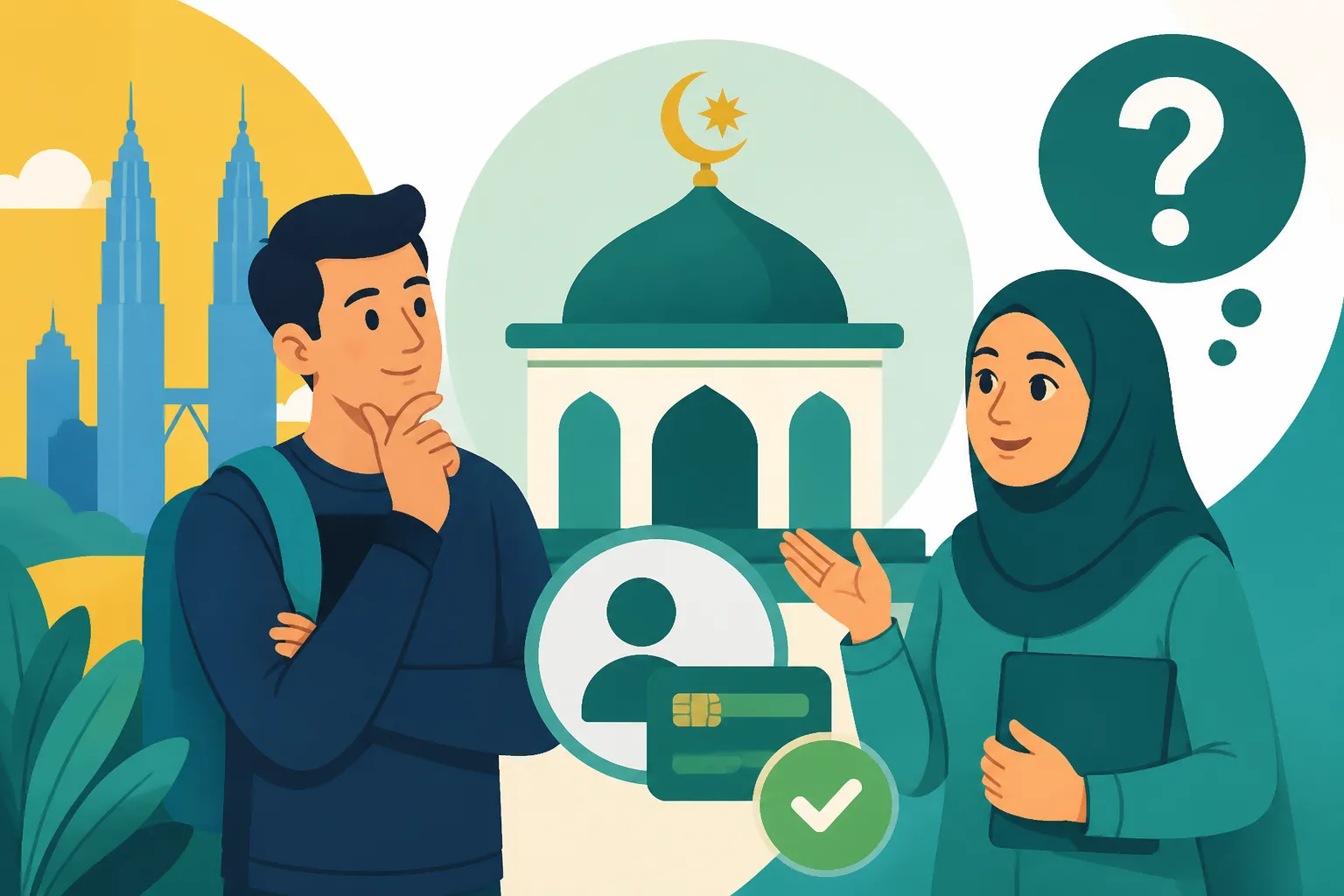
Can I Open an Islamic Bank Account as a Foreigner in Malaysia?
Moving to a new country like Malaysia comes with a mountain of things to sort out, and let's be honest, getting your finances in order is right up there at the top. You've probably heard about Malaysia's thriving Islamic finance sector and might be wondering if, as a foreigner, you can tap into it. The good news is, yes, you absolutely can! This guide will walk you through everything you need to know about opening an Islamic bank account in Malaysia, from understanding its principles to the nitty-gritty of the application process.
Understanding Islamic Banking in Malaysia: More Than Just "Halal"
When you first hear "Islamic banking," you might immediately think it's only for Muslims, or perhaps that it's just a regular bank with a few religious rules tacked on. But let me tell you, having lived here for years and seen how intertwined it is with the financial landscape, it's so much more nuanced and accessible than you might imagine. Malaysia is actually a global leader in Islamic finance, and it’s a big part of why the banking sector here is so robust. It offers a different ethical framework that many expats, regardless of their background, find surprisingly appealing.
The Core Principles of Islamic Finance
At its heart, Islamic finance operates on principles derived from Shariah (Islamic law), which are designed to promote fairness, transparency, and ethical conduct. The most commonly known aspect is the prohibition of riba, or interest. So, instead of earning or paying interest, Islamic banks use alternative structures for transactions, investments, and financing. This means your savings won't accumulate interest, but rather, you might participate in profit-sharing arrangements (Mudarabah or Musharakah) or receive hibah (gifts) from the bank.
Another key principle is the avoidance of gharar (excessive uncertainty) and maysir (gambling). This leads to a focus on real economic activity and tangible assets, ensuring that financial transactions are backed by real-world goods and services, not speculative ventures. For instance, if you take out a home financing product (they don't call them "mortgages"), the bank might buy the property and then sell it to you at a profit, or it might enter into a co-ownership agreement, gradually selling its share to you. This might sound complex, but once you delve into it, the ethical underpinnings become quite clear and many find it a refreshing approach to finance. There's a strong emphasis on social justice, risk-sharing, and ethical investments, avoiding industries like alcohol, tobacco, gambling, or conventional arms.
Why Islamic Banking Appeals to Foreigners
You might be thinking, "Why should I, an expat, bother with Islamic banking?" That's a fair question, and one I often heard (and asked myself!) when I first arrived. The truth is, beyond the ethical considerations, Islamic banks in Malaysia offer highly competitive products and services that are on par with their conventional counterparts, often with excellent customer service that caters specifically to a diverse clientele.
For many, the ethical framework is a huge draw. If you're someone who prefers not to deal with interest-based transactions or wants to ensure your money isn't inadvertently supporting industries you find objectionable, Islamic banking provides that peace of mind. It’s not just a religious choice; it’s an ethical one. Moreover, Malaysia's Islamic banks are just as technologically advanced, offering convenient online banking platforms, mobile apps, and extensive ATM networks. You'll find branches of major banks like Maybank Islamic, CIMB Islamic, RHB Islamic, and Public Bank Islamic widely available, seamlessly integrated into the regular banking landscape. They are a legitimate and robust alternative to conventional banking, providing all the services you’d expect, from current and savings accounts to personal financing and investment options.
Eligibility and Requirements for Foreigners
Now, let's get down to the practicalities. The good news is that opening an Islamic bank account as a foreigner in Malaysia isn't dramatically different from opening a conventional one. The core requirements are largely the same, focusing on your identity, your residency status, and your financial stability. The key is to be prepared and understand what specific documents each bank will ask for. Don't be surprised if there's a bit of back-and-forth; it's just part of the process here.
Common Documents You'll Need
Having all your ducks in a row before you head to the bank branch will save you a lot of headaches. Trust me, I’ve made that trip multiple times only to be told I'm missing one obscure document! Here's a comprehensive list of what most banks, whether conventional or Islamic, will typically ask for when you want to open an account:
- Passport: This is your primary identification, and it must be valid for at least six months. Make sure you have the original and several photocopies, including the pages with your personal details and any Malaysian visa stamps.
- Valid Malaysian Visa/Pass: This is crucial. Banks need to verify your legal right to reside in Malaysia. This could be an Employment Pass, Dependant Pass, Student Pass, MM2H (Malaysia My Second Home) visa, or even a Long-Term Social Visit Pass. Tourists generally cannot open full-fledged bank accounts, though some banks might offer basic prepaid travel cards. For a full breakdown of different visa types, you might want to read The Complete Guide to Malaysian Visas for Expats (2026).
- Proof of Address: This is often a sticking point for new arrivals. Banks need to confirm you have a physical address in Malaysia. Acceptable documents include:
- A utility bill (electricity, water, or internet) in your name, dated within the last 3 months.
- A tenancy agreement/rental contract.
- A letter from your employer confirming your residential address.
- A letter from your university if you’re a student staying in campus accommodation.
- Employer's Letter/Proof of Employment: If you're working, a letter from your Malaysian employer on company letterhead, stating your employment status, position, and salary, is highly beneficial. Some banks might even require a copy of your employment contract. This helps establish your financial standing.
- Minimum Deposit: Be prepared to make an initial deposit, which can range from RM20 to RM500, depending on the bank and account type. It’s usually a nominal amount to activate the account.
- Tax Identification Number (TIN) from your home country: While Malaysia doesn't automatically require a local TIN for opening a personal account, due to international tax reporting standards (like FATCA or CRS), banks will often ask for your TIN from your country of origin. This is something often overlooked by new expats.
It's always a good idea to call the specific branch you plan to visit beforehand or check their website for the most current and exact list of requirements.
Specific Visa and Residency Considerations
Your type of visa plays a significant role in the ease of opening an account. Generally, those on a long-term pass, such as an Employment Pass, Dependant Pass, or MM2H, will have a smoother experience. Banks are more comfortable with individuals who have a clear, long-term legal status in the country.
| Visa Type | Likelihood of Opening Account | Common Requirements |
|---|---|---|
| Employment Pass | High | Passport, EP endorsement, employer letter, proof of address, initial deposit |
| Dependant Pass | High | Passport, DP endorsement, letter from primary EP holder, proof of address, initial deposit |
| Student Pass | High | Passport, Student Pass, university offer letter, proof of accommodation, initial deposit |
| MM2H Visa | High | Passport, MM2H visa endorsement, proof of fixed deposit in Malaysia, proof of address, initial deposit |
| Long-Term Social Visit Pass | Moderate to High | Passport, LTSVP, strong proof of purpose/sponsorship, proof of address, initial deposit |
| Professional Visit Pass | Moderate | Passport, PVP, letter from sponsoring company (Malaysian), proof of address, initial deposit |
| Tourist Visa | Very Low | Generally not permitted for full accounts; limited to prepaid travel cards or specific arrangements |
If you're under the Malaysia My Second Home (MM2H) programme, you'll find that banks are particularly welcoming. MM2H visa holders often have specific benefits or easier pathways for financial services due to the programme's nature. For more general advice, you can check out The Expat Guide to Opening a Bank Account in Malaysia.
The Process of Opening an Islamic Bank Account
Alright, you've got your documents ready, you've decided on an Islamic bank, and you're mentally prepared for a bit of waiting. Let's walk through the process of actually getting that account open. It's usually straightforward but can take some time, so patience is key!
Choosing the Right Islamic Bank
Malaysia has a robust Islamic banking sector, with many major conventional banks having dedicated Islamic subsidiaries or windows. This means you have plenty of choices, and the customer experience is generally excellent across the board. Some of the most popular choices for expats include:
- Maybank Islamic: As part of Malaysia's largest bank, Maybank Islamic offers an extensive network, a wide range of products, and solid digital banking services. They are often a first choice for many expats due to their widespread presence and familiarity.
- CIMB Islamic: Another giant in the Malaysian banking scene, CIMB Islamic is known for its competitive offerings and strong online platforms.
- RHB Islamic: While perhaps not as large as Maybank or CIMB, RHB Islamic also provides a comprehensive suite of Shariah-compliant products and services and good customer support.
- Bank Islam Malaysia Berhad (BIMB) / Al Rajhi Bank: These are dedicated Islamic banks, meaning their entire operation is Shariah-compliant. Some expats prefer these as they specialize solely in Islamic finance.
When choosing, consider factors like the proximity of branches to your home or office, the user-friendliness of their online banking and mobile apps, their foreign exchange rates if you'll be transferring money frequently, and any specific products (like financing or investment options) you might need down the line. It's really no different from choosing any bank, except you're adding the "Shariah-compliant" filter. If you're still weighing your options, our guide on How to Choose the Best Bank for Expats in Malaysia might give you some additional pointers.
Step-by-Step Account Opening
Once you've picked your bank, here's what typically happens:
- Visit the Branch: Yes, for the initial account opening, a physical visit to a branch is almost always required. You can't do it entirely online as a foreigner. Head to the customer service counter.
- Present Documents: Hand over all your original documents and photocopies. The bank staff will verify them. They might ask for additional copies or clarifications, so be prepared.
- Fill Out Forms: You'll be given several forms to complete. These will include personal details, contact information, employment details, and your declaration of tax residency. Take your time, fill them out neatly, and ask questions if you're unsure about anything. This is where clarity is key to avoiding delays.
- Initial Deposit: You'll be asked to make your initial deposit. This can usually be done at the same counter or at a separate teller counter.
- Biometric Verification: Most banks now require fingerprint (biometric) verification for account opening as part of enhanced security measures.
- Receive Your Debit Card and Online Banking Details: If all goes well, you might receive your debit card on the spot, or it might be mailed to you within a few working days. You'll also get instructions on how to set up your online banking access and ATM PIN. For more general guidance on setting up your digital finances, see How to Set Up Online Banking with a Malaysian Bank.
The entire process in the bank branch can take anywhere from 30 minutes to a couple of hours, depending on how busy they are and how complex your documents are. My advice? Go during off-peak hours, perhaps mid-morning on a weekday, and bring a book or something to keep you occupied.
Key Features and Services for Expats
Once you've successfully opened your Islamic bank account, you'll find a full suite of services at your fingertips, designed to meet modern banking needs while adhering to Shariah principles. It’s important to understand that these aren't limited in any practical sense compared to conventional banks; they just use different underlying contracts.
Types of Accounts Available
Islamic banks offer a variety of accounts tailored to different needs:
- Savings Accounts (Al-Wadiah Yad Dhamanah or Al-Qardh): These are typically demand deposit accounts based on the principle of Al-Wadiah Yad Dhamanah (safekeeping with guarantee) or Al-Qardh (benevolent loan). While you don't earn interest, the bank may, at its discretion, offer hibah (gifts) to depositors, which functions similarly to an annual bonus or profit share.
- Current Accounts (Al-Wadiah Yad Dhamanah or Qardh): Similar to savings accounts, current accounts offer cheque book facilities and are great for day-to-day transactions. Again, the bank guarantees the principal, and you might receive hibah.
- Investment Accounts (Mudarabah or Musharakah): For those looking to grow their money, Islamic banks offer investment accounts based on profit-sharing contracts. These are more akin to fixed deposits but instead of fixed interest, your returns are based on the actual profits generated by the bank's Shariah-compliant investments. The rates can be quite competitive.
- Foreign Currency Accounts (Al-Wadiah): Many Islamic banks also offer foreign currency accounts, allowing you to hold major currencies like USD, GBP, EUR, or SGD in a Shariah-compliant manner. These are particularly useful for expats who receive salaries in foreign currencies or need to manage funds internationally. You can typically find out more about these in guides such as How to Open a Foreign Currency Account in Malaysia.
All these accounts come with debit cards, which function like any other Visa or Mastercard debit card globally. You can use them for online purchases, at ATMs, and for cashless payments in stores, both within Malaysia and internationally.
Digital Banking and International Transfers
Modern banking is all about convenience, and Malaysian Islamic banks are no exception. You'll have access to robust digital banking platforms, including:
- Online Banking Portals: These allow you to check balances, pay bills (e.g., utility bills like Tenaga Nasional Berhad, water, internet), transfer funds locally, and even manage your investments from the comfort of your home.
- Mobile Banking Apps: Most major banks have excellent mobile apps for both iOS and Android, offering similar functionalities to their online portals, often with added features like QR code payments (DuitNow QR) for merchants.
- DuitNow: This is Malaysia's instant payment system, allowing you to transfer funds between banks using just a mobile number, NRIC, or business registration number. It’s incredibly convenient and widely adopted.
When it comes to international transfers, Islamic banks facilitate these just like conventional banks do. You can send money abroad via SWIFT transfers through your online banking portal or at a branch. However, be mindful of exchange rates and transfer fees. For frequent international transfers, many expats find services like Wise (formerly TransferWise) to be a more cost-effective and transparent option. They often offer better exchange rates and lower fees compared to traditional bank wire transfers, which can save you a significant amount over time, especially if you're regularly sending money home or receiving funds from overseas. Our guide, How to Transfer Money Into and Out of Malaysia as an Expat, delves deeper into the various options available for expats.
Navigating Potential Challenges and Misconceptions
Even with all the preparation, diving into a new banking system in a foreign country can throw up a few curveballs. I’ve been there, staring blankly at forms, trying to decipher jargon, and feeling that familiar expat frustration. Understanding the nuances and common misconceptions can certainly ease the journey.
Language Barriers and Cultural Nuances
While English is widely spoken in urban areas and by bank staff in major financial centres, especially in Kuala Lumpur and Penang, there might still be moments where language becomes a slight hurdle. This is particularly true in smaller towns or if you encounter staff who are less fluent.
- Be Patient: Malaysians are generally very accommodating, but communication can sometimes take a little longer. Speak clearly and slowly, and don't be afraid to ask for clarification.
- Bring a Malaysian Friend (If Possible): If you're tackling something complex, having a local friend accompany you can be invaluable for translating subtle meanings or navigating cultural expectations. They might also know local tips or the "right way" to ask for something.
- Use Online Resources: Most major banks have English versions of their websites and mobile apps, which can be helpful for understanding product details or performing transactions independently.
Beyond language, there are cultural nuances. For example, direct confrontation or impatience is generally frowned upon. A calm, polite approach, even when you're feeling frustrated, will almost always yield better results. Remember, the staff are there to help, and a little patience goes a long way.
Understanding the Nuances of Shariah Compliance
For many foreigners, the biggest "challenge" isn't a barrier but rather a learning curve in understanding the underlying Shariah principles. It’s not just about avoiding pork or alcohol; it’s a comprehensive system.
- No Interest (Riba): This is the most significant difference. Your savings account won't accrue interest. Instead, the bank might give you a hibah (gift), which isn't guaranteed but is often quite consistent and competitive. For financing, products are structured as sales, leases, or profit-sharing agreements, where the bank shares in the risk and reward of the asset.
- Ethical Investments: Islamic banks will not invest your funds in industries deemed non-compliant with Shariah, such as gambling, alcohol, conventional banking, or entertainment deemed immoral. If you're seeking to invest your money in Malaysia, you'll find a range of Shariah-compliant funds and investment products. This offers an inherent ethical screening process that many appreciate.
- Transparency: A core tenet is transparency in transactions and clarity about fees and charges. While this is increasingly common in conventional banking too, it’s foundational in Islamic finance.
It's perfectly fine to ask the bank staff to explain the Shariah principles behind a particular product. They are usually well-versed and happy to clarify. My personal experience has been that once you grasp these core concepts, Islamic banking becomes very straightforward and offers a truly ethical financial pathway in Malaysia. You might even find yourself preferring it! And remember, when it comes to your overall financial obligations, regardless of your banking choice, understanding your tax responsibilities as an expat in Malaysia is paramount. Services like Taxes for Expats can be incredibly helpful in navigating the intricacies of Understanding Income Tax in Malaysia: The Full Expat Guide (2026).
Disclaimer
The information provided in this guide is for general informational purposes only and does not constitute financial, legal, or professional advice. While we strive to keep the information up-to-date and accurate, banking policies, requirements, and regulations in Malaysia can change. Always verify information directly with the respective banks or financial institutions and consult with qualified professionals for advice tailored to your specific situation.