How Do I Apply for a Visa for My Domestic Helper in Malaysia?
Bringing a foreign domestic helper into Malaysia for your family can feel like an incredibly complex undertaking, often shrouded in confusing regulations and paperwork. Many expat families, myself included, have wrestled with the exact requirements and processes, anxious about doing everything correctly. This comprehensive guide is here to demystify the entire journey, walking you through every step of applying for a visa for your domestic helper in Malaysia, from eligibility to managing their stay.
Understanding the Landscape: Who Can Hire and Who Can Be Hired?
Before you even start dreaming about the extra pair of hands that will help manage your household, it’s crucial to understand the strict eligibility criteria set by the Malaysian government. This isn't a free-for-all; there are specific hoops both you, as the potential employer, and your prospective domestic helper must jump through. Trust me, overlooking these initial details can lead to a world of frustration and wasted effort down the line.
Eligibility Criteria for Employers
As an expat in Malaysia, your ability to hire a foreign domestic helper is contingent on several factors, primarily revolving around your financial stability and genuine need. Generally, the Immigration Department looks for proof that you can adequately support an additional person. This often means having a stable, verifiable income. For example, many expat employers are required to demonstrate a minimum gross monthly income, which can vary but is often in the range of RM5,000 to RM10,000 or more, depending on your nationality and the helper's nationality. This isn't just a guideline; it's a hard and fast rule to ensure the helper will be properly cared for.
Beyond income, your family structure plays a significant role. Married couples with children under 12 years old, or those caring for elderly or disabled family members, are typically prioritised. Single parents may also be eligible under specific conditions, often requiring stronger justification of need and financial capacity. You'll also need to hold a valid long-term visa yourself, such as an How to Get an Employment Pass in Malaysia (2027) or a The Expat Guide to Malaysia My Second Home (MM2H) (2027). Without this, your application simply won't get off the ground. It’s all about proving you’re a legitimate, responsible employer who can offer a secure environment.
Eligibility Criteria for Domestic Helpers
The regulations don't stop at the employer; the prospective domestic helper also needs to meet specific criteria. Malaysia permits foreign domestic helpers from a selected list of source countries. The primary nationalities for domestic helpers in Malaysia typically include Indonesia, the Philippines, Vietnam, Thailand, Cambodia, Laos, Sri Lanka, India, and Nepal. Each nationality might have slightly different rules or requirements, sometimes even different levy rates, so it’s wise to confirm the latest specifics with the Immigration Department or a reputable agency.
Age is another critical factor. Generally, domestic helpers must be between 21 and 45 years old at the time of application. They also need to be in good health, which is verified through rigorous medical examinations, both in their home country and upon arrival in Malaysia. We'll delve into the medical checks a bit more later, but suffice to say, any pre-existing serious medical conditions will likely disqualify an applicant. Furthermore, a basic education is usually a prerequisite, and while prior experience isn't always mandatory, it certainly helps strengthen an application. The Malaysian government is keen to ensure that those entering the country to work are fit for duty and have a basic understanding of their responsibilities.
The Legal Framework and Key Agencies
Navigating the legal intricacies of foreign worker employment in Malaysia can be daunting. The primary authority you'll be dealing with is the Immigration Department of Malaysia (Jabatan Imigresen Malaysia or JIM). They are the gatekeepers, responsible for approving the applications, issuing the temporary employment passes (TEPs), and ensuring compliance with all immigration laws. Their regulations are extensive and frequently updated, which is why it's so important to have current information.
While JIM handles the passes, other ministries, such as the Ministry of Human Resources (Kementerian Sumber Manusia or KSM), also play a role in setting policies and protecting worker rights, including aspects like standard employment contracts. Unlike some other countries where specific online portals are used for general foreign workers, for domestic helpers, the process often involves direct submission through registered agencies to the Immigration Department. This makes the choice of a good agency incredibly important, as they act as your primary liaison with these government bodies. They understand the nuances of the system, including the specific forms like IM.12 and IM.38, and can help you avoid common bureaucratic snags.
The Application Process: A Step-by-Step Walkthrough
Once you’ve established that both you and your prospective domestic helper meet the basic eligibility requirements, it’s time to roll up your sleeves and dive into the application process itself. This isn't a quick sprint; it's more of a marathon that requires patience, meticulous attention to detail, and often, the guidance of an experienced hand. Many expats find using a reputable agency invaluable during this stage, as they navigate the ever-changing forms and specific requirements.
Pre-Application Checks and Preparations
Before any official paperwork can even be sighted by the Immigration Department, a series of crucial preliminary steps must be completed. First and foremost is the medical examination. Your potential helper must undergo a comprehensive medical screening in their home country, typically through an accredited panel clinic. This check is often referred to as FOMEMA (Foreign Workers Medical Examination Monitoring Agency), even though the actual screening is done overseas by their approved partners. The purpose is to ensure the helper is free from communicable diseases like tuberculosis, HIV, and hepatitis, and is generally fit for work. A positive outcome from this medical examination is absolutely critical for the application to proceed.
Simultaneously, you'll need to gather a substantial dossier of documents. This includes ensuring your helper has a valid passport with at least 18 months of validity remaining. For you, the employer, copies of your passport and current visa are required, along with proof of income – think recent salary slips, bank statements, or even an income tax assessment. Utility bills might be requested to confirm your address, and if you have children, their birth certificates will be needed. If you’re married, your marriage certificate will also be essential. This initial collection of documents often feels overwhelming, but remember that organisations like Sirelo, who specialize in helping expats relocate, often provide resources or advice on managing such document-heavy processes, even if indirectly. They understand the expat journey demands a high level of organisation.
Submitting the Application to the Immigration Department
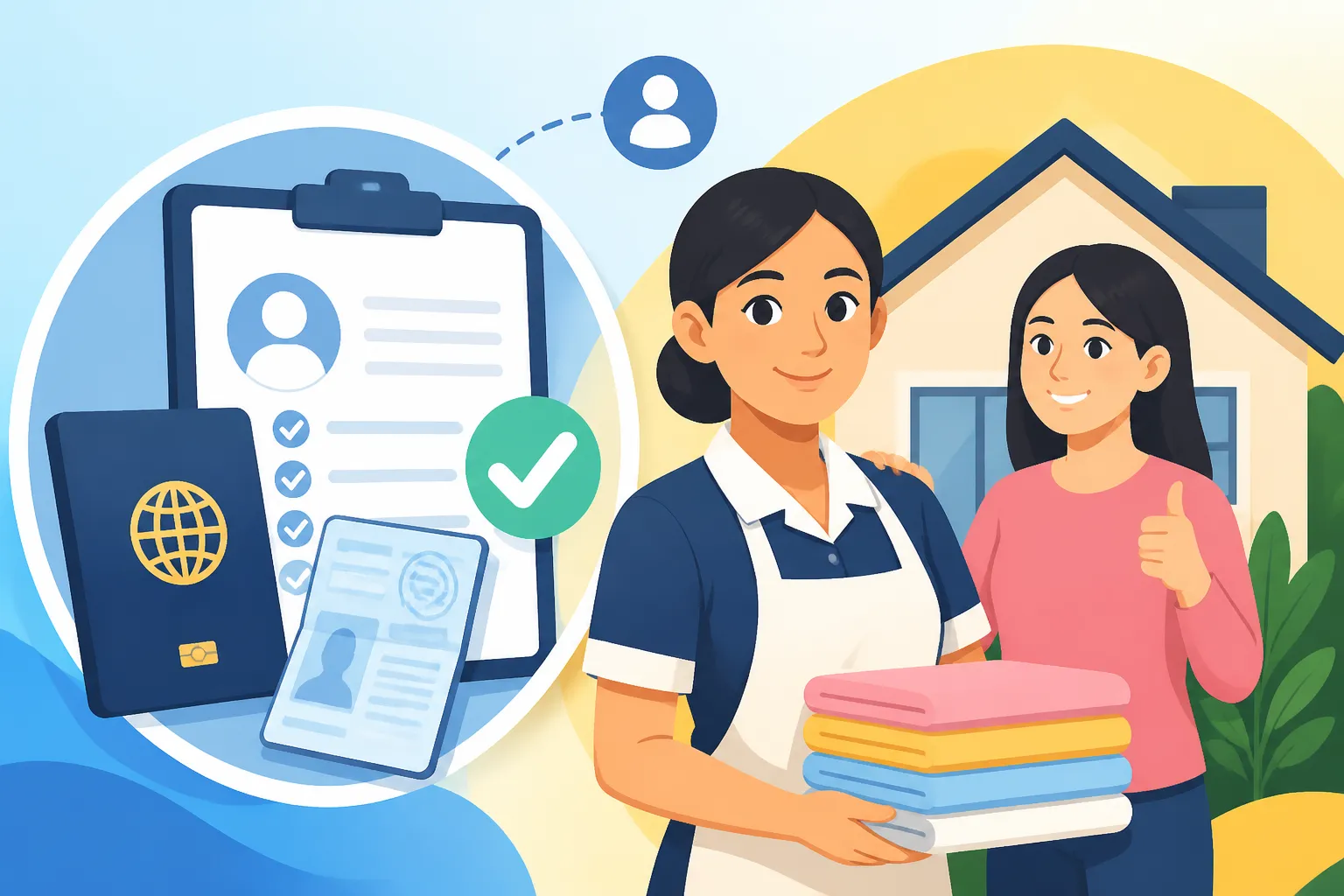
With all your preparatory documents in hand and your helper's pre-departure medical clear, the next stage involves formal submission to the Immigration Department. This is where an accredited employment agency truly earns its keep. They will usually handle the compilation and submission of the required forms, such as the IM.12 (Application for Visit Pass (Temporary Employment)) and IM.38 (Security Bond Form), along with all supporting documents. The agency will ensure every field is filled correctly and all necessary copies are attached, as even minor errors can lead to frustrating delays.
The documents typically include:
- Your application letter as the employer.
- Original copies of the helper's passport and your passport/visa.
- The signed employment contract (a standard template provided by the Immigration Department or Ministry of Human Resources). Understanding the terms here is vital, so familiarise yourself with Understanding Malaysian Employment Contracts and Worker Rights (2027).
- Proof of your income and financial capability.
- Your marriage certificate (if applicable) and children's birth certificates.
- A recent utility bill for your residential address.
- The helper's medical report from their home country.
- Passport-sized photographs of both you and the helper.
Once submitted, the application goes into processing. This can take several weeks or even months, depending on the current workload of the Immigration Department and any specific policies in place. During this waiting period, it's a test of patience, as direct updates can be scarce.
Post-Approval and Visa Endorsement
Finally, the moment of truth arrives: approval! Once your application is approved, the Immigration Department will issue a "Visa with Reference" or an equivalent approval letter. This allows your domestic helper to travel to Malaysia. Upon arrival, usually within a short grace period, the helper must undergo another medical check-up via FOMEMA in Malaysia. This is mandatory and must be completed within 30 days of their entry. For more details on the local healthcare system, you might want to read How Malaysia's Health System Works: Public vs Private Explained (2027).
After the local medical check is cleared and found satisfactory, the agency (or you, if self-managing, which is less common for first-time employers) will proceed to pay the necessary fees. This includes the annual Foreign Worker Levy, visa processing fees, and insurance premiums. Once all payments are made, the Immigration Department will endorse the Temporary Employment Pass (TEP) directly into your helper's passport, usually as a sticker. This TEP is typically valid for one year and is what grants them legal working status in Malaysia. Remember that this pass is tied to you, the employer, and is not transferable. It's crucial to understand that without this final endorsement, they cannot legally work for you, and you risk severe penalties. This entire process, from initial documents to final sticker, is a journey many expats embark on, often with the support of agencies, as detailed in guides like The Complete Guide to Malaysian Visas for Expats (2027).
Important Considerations and Managing Your Helper's Stay
Getting the visa approved is a huge milestone, but it's just the beginning of your journey as an employer of a foreign domestic helper in Malaysia. Beyond the bureaucratic hurdles, there are ongoing financial responsibilities, legal obligations, and cultural considerations that require your attention and understanding.
Costs Involved and Financial Responsibilities
Hiring a foreign domestic helper comes with a range of financial commitments that extend beyond their monthly salary. As the employer, you are typically responsible for covering most, if not all, of these costs. The most significant recurring cost is the annual Foreign Worker Levy. This amount varies based on the helper's nationality and current government policies, but it can range from a few hundred to over a thousand Ringgit per year. This levy is a mandatory contribution to the government.
Then there are the medical costs. As discussed, two FOMEMA medical check-ups are required: one before departure from their home country and another within 30 days of arrival in Malaysia. Each of these carries a fee, usually around RM190-200 for the local check-up. Beyond these, you are responsible for any other medical needs or emergencies that arise during their employment. This is where comprehensive insurance becomes vital. The Malaysian government mandates certain insurance coverage for foreign domestic helpers, such as the Foreign Worker Compensation Scheme (FWCS), which provides compensation in case of injury or death. Many employers also opt for additional private medical insurance to cover wider healthcare needs, potentially partnering with providers like Cigna Global to ensure robust protection, as you would for your own family's medical needs. For more on these costs, check out The Cost of Healthcare in Malaysia: A Complete Breakdown for Foreigners (2026).
Finally, don't forget the agency fees, if you use one. These are typically a one-off payment to the agency for their services in recruitment, processing, and handling the visa application. These fees can range significantly, from RM5,000 to RM15,000 or more, depending on the agency, the helper's nationality, and whether it covers items like airfare. You are also generally responsible for the helper's flight tickets to and from Malaysia at the beginning and end of their contract.
Here’s a table summarising the typical costs associated with hiring a foreign domestic helper:
| Item | Description | Estimated Cost (RM) | Who Pays |
|---|---|---|---|
| Foreign Worker Levy | Annual fee to the Malaysian government (varies by nationality and policy) | RM600 – RM1,800+ (annual) | Employer |
| FOMEMA (Medical Check-up – Local) | Mandatory post-arrival medical examination in Malaysia | ~RM190 – RM200 (one-off) | Employer |
| FOMEMA (Medical Check-up – Overseas) | Pre-departure medical examination in home country | Varies (e.g., RM300-RM500) | Employer |
| Visa Processing Fees | Immigration Department fees for TEP issuance | ~RM60 – RM150 (annual) | Employer |
| Agency Fees | Recruitment, processing, flight booking (if applicable) | RM5,000 – RM15,000+ (one-off) | Employer |
| Flight Tickets | To Malaysia (initial), from Malaysia (end of contract) | Varies by origin | Employer |
| Foreign Worker Compensation Scheme (FWCS) | Mandatory insurance for work-related injuries/death | ~RM72 (annual) | Employer |
| Private Medical Insurance (Optional) | Comprehensive health coverage beyond FWCS | Varies | Employer |
| Monthly Salary | Agreed-upon monthly wage for domestic helper | RM1,200 – RM2,000+ (monthly) | Employer |
Renewal Process and Changing Employers
The Temporary Employment Pass (TEP) for your domestic helper is typically valid for one year. As such, you'll need to initiate the renewal process well in advance, usually two to three months before the expiry date, to avoid any issues or penalties. The renewal process is similar to the initial application but often smoother. It involves a new FOMEMA medical check-up (if it's their second year or later), payment of the annual Foreign Worker Levy, and submission of updated documents, including the renewed employment contract and copies of both your and your helper's passports.
Should your helper wish to change employers, or if their contract with you ends and you decide not to renew, the process is quite stringent. Generally, a foreign domestic helper cannot simply transfer their employment pass to a new employer while remaining in Malaysia. They are typically required to return to their home country and apply for a new visa and TEP with the new employer. This "cooling off" period and requirement to exit Malaysia is a measure to control the foreign labour market and prevent unregulated job switching. It’s also crucial that when a helper leaves your employment, you inform the Immigration Department to formally cancel their TEP to avoid any lingering liabilities.
Common Challenges and Avoiding Pitfalls
Even with all the information at your fingertips, the process of hiring a foreign domestic helper in Malaysia can present its own set of challenges. One of the most common pitfalls is dealing with unscrupulous or unregistered employment agencies. Always verify an agency's accreditation with the Ministry of Human Resources and check their track record. Relying on word-of-mouth recommendations from other expats is often a good strategy.
Delays in processing are another frequent complaint. Government processes can be slow, and unexpected policy changes or backlogs can prolong waiting times. Patience is key, but so is staying in regular communication with your agency (if you use one) to follow up on the status of your application. Ensure all documentation is accurate and complete, as even a minor discrepancy can lead to the application being rejected or significantly delayed.
Beyond the administrative side, managing the employer-employee relationship requires cultural sensitivity and clear communication. A well-drafted employment contract, clearly outlining duties, working hours, rest days, and remuneration, is essential. While specific minimum wage laws for domestic helpers are still evolving, ensuring fair wages and treatment is paramount, not just legally but ethically. For specifics on Understanding Working Hours and Rest Days Under Malaysian Law, referring to general employment guidelines can provide a good baseline. Additionally, remember to treat your helper with respect and provide a safe and healthy working and living environment. This not only makes for a harmonious household but also prevents potential disputes that could escalate into legal problems. Just like settling into Malaysia yourself, as discussed in The Complete Guide to Moving to Malaysia: Your First 90 Days (2027), open communication and understanding are your best tools. Finally, consider adding your domestic helper to a comprehensive medical insurance plan to complement the basic FWCS, giving you peace of mind that they are covered in unforeseen medical circumstances, much like how you would consider Health Insurance in Malaysia: Local, International and Employer Options Explained for your own family. You might find that a global provider like Cigna Global offers plans that can include domestic help.
Disclaimer
The information provided in this guide is intended for general informational purposes only and does not constitute legal or professional advice. Visa and immigration policies in Malaysia are subject to change by the relevant authorities, including the Immigration Department of Malaysia (JIM) and the Ministry of Human Resources. While every effort has been made to ensure accuracy, readers are strongly advised to verify all information with official government sources or consult with an accredited employment agency or legal professional for advice tailored to their specific situation. The author and publisher bear no responsibility for any loss or damage incurred as a result of relying on the information presented herein.