Can Tourists Access Emergency Care in Malaysia?
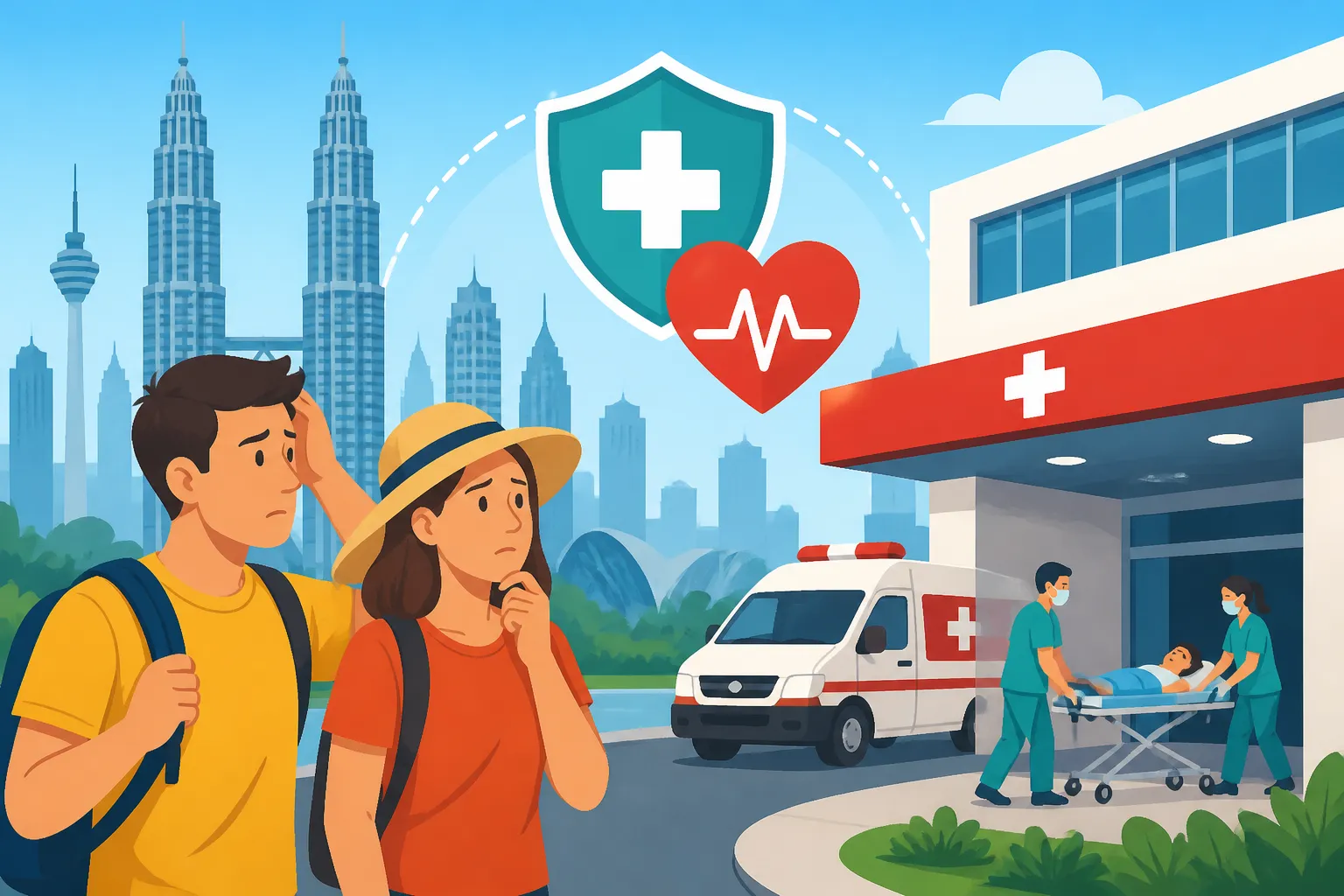
Imagine walking through the vibrant, humid streets of Bukit Bintang or hiking the lush trails of the Cameron Highlands when a sudden medical crisis strikes. For many travelers, the anxiety of falling ill in a foreign country is compounded by the confusion of navigating an unfamiliar administrative system. This guide clarifies exactly how tourists can access emergency care in Malaysia, covering costs, hospital types, and essential procedures.
The Two-Tiered Emergency Response System
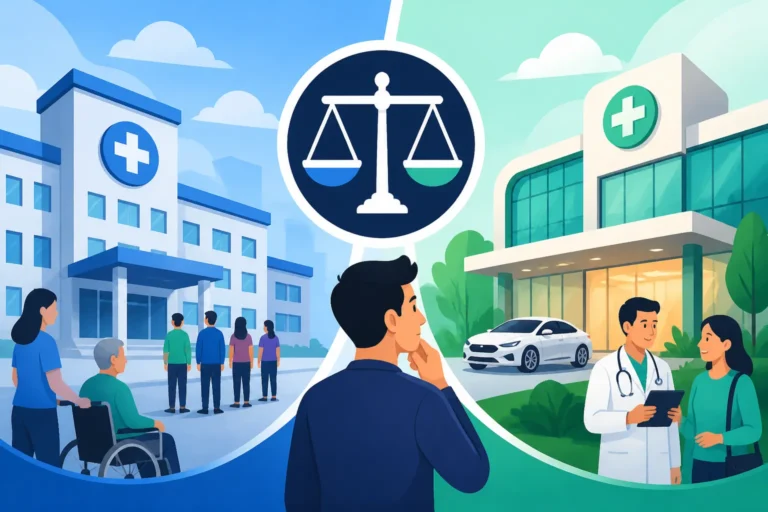
When you are in the middle of a medical crisis in Malaysia, the first thing you need to understand is that the country operates a dual-tier healthcare system. There is the government-funded public sector and the profit-driven private sector. Both are world-class in terms of medical expertise, but the "tourist experience" in each can differ wildly. As someone who has spent years helping visitors navigate these halls, I can tell you that your choice usually depends on two things: the severity of your condition and the depth of your pockets.
Public Hospitals and the Emergency Department
Public hospitals, such as Hospital Kuala Lumpur (HKL) or Hospital Queen Elizabeth in Kota Kinabalu, are the backbone of the nation's health. They are equipped to handle the most complex traumas and life-threatening conditions. For a tourist, the public emergency room—known locally as the A&E or ETD (Emergency and Trauma Department)—is always open to you. They cannot legally turn you away in a life-threatening situation. However, be prepared for a triage system that is strictly enforced. If you show up with a broken finger while the staff is dealing with a multi-car pile-up, you will be waiting for hours.
The environment in a public hospital is often crowded and noisy. You will see families camped out in waiting areas and a frantic pace among the nurses and doctors. Despite the grit, the clinical care is top-notch. Many of the specialists in Malaysia's public sector are among the most experienced in the region. If you are a tourist on a budget, this is your safest bet, though you should familiarize yourself with Understanding Foreigner Medical Fees at Malaysian Government Hospitals before you go, as the "foreigner rate" is significantly higher than what locals pay.
Private Hospitals and Specialized Care
If your situation is urgent but not necessarily a "mass trauma" event, or if you simply prefer a more comfortable environment, private hospitals are the gold standard. Groups like Pantai, Gleneagles, and Sunway Medical Centre operate emergency departments that feel more like high-end hotels than clinics. The wait times are significantly shorter, and the facilities are state-of-the-art. For most tourists, this is the preferred route because of the English proficiency of every single staff member and the speed of service.
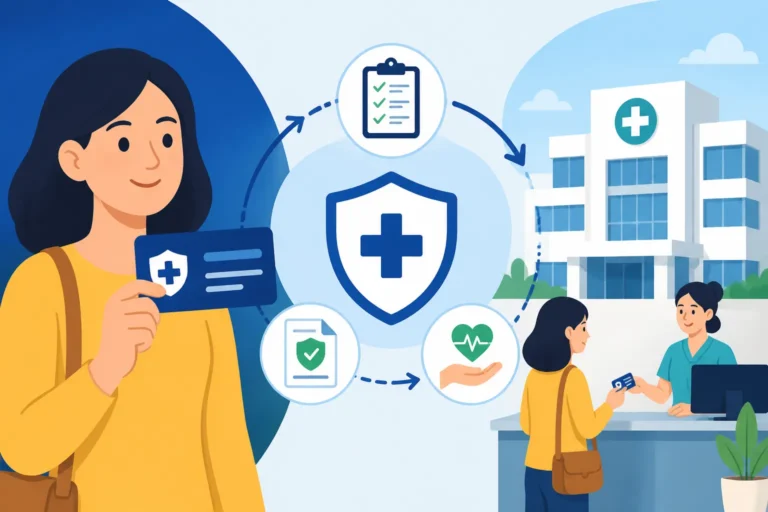
When you walk into a private ER, you are essentially paying for efficiency. You will likely be seen by a doctor within minutes. However, the financial barrier is real. Private hospitals will almost always ask for a credit card or proof of insurance before they even wheel you into a treatment room, unless it is a dire emergency. This is where having a reliable plan like SafetyWing becomes invaluable, as it provides the financial documentation these hospitals crave. You can learn more about how these facilities operate in The Expat Guide to Choosing a Private Hospital in Malaysia (2027).
Navigating the 999 System and Ambulance Services
In the heat of a moment, many tourists freeze because they don't know who to call. In Malaysia, the universal emergency number is 999. This connects you to the police, fire department, and ambulance services. While the system is integrated, there are nuances to how an ambulance reaches you and where it takes you that every traveler should know before they step foot out of their hotel.
How the 999 System Works for Foreigners
When you dial 999, the dispatcher will ask for your location and the nature of your emergency. If you are calling from a mobile phone, try to find a landmark or use your GPS coordinates, as some street names in Malaysia can be repetitive or confusing for non-locals. The dispatcher will usually send a government ambulance from the nearest public hospital. It is important to note that these ambulances will almost always take you to a public hospital. If you have a specific preference for a private hospital, you must state this clearly, though the ambulance crew may still be required by protocol to take you to the nearest government facility if you are unstable.
Tourists often get frustrated when the 999 ambulance arrives and refuses to drive across town to a specific private clinic. Their job is to stabilize and transport to the nearest point of care. If you are in a major city like Kuala Lumpur or Penang, the response time is generally good, but in rural areas, it can vary. Knowing What Is the Emergency Phone Number in Malaysia and how to communicate your location effectively can save precious minutes.
Private Ambulance Alternatives
For those who want a direct line to a private hospital, many of the larger private medical groups run their own ambulance fleets. For instance, if you are staying near a Pantai Hospital, you can call their specific emergency hotline. These private ambulances will take you directly to their facility, bypassing the public system entirely. This is often a faster route to a private room and specialized surgery.
However, these services are not free and are not covered by the government. You will be billed for the transport. If you have international travel insurance like SafetyWing, these costs are typically part of your claimable expenses. It is a good idea to keep the direct number of the nearest private hospital programmed into your phone. For a deeper dive into these logistics, check out Emergency Medical Care in Malaysia: What Every Expat Needs to Know.
Financial Realities: Deposits, Fees, and Insurance
The most significant hurdle for tourists accessing emergency care in Malaysia is the cost. While Malaysia is famous for "affordable" healthcare, that affordability is relative. For a tourist paying out-of-pocket, an emergency can quickly drain a bank account if you aren't prepared for the specific way Malaysian hospitals handle billing and deposits.
Hospital Admissions and the Deposit Hurdle
If your emergency requires you to be admitted to a ward—whether for observation or surgery—the hospital will demand a deposit. In a government hospital, this deposit for a foreigner can range from RM1,100 to RM3,000 or more, depending on whether it is a medical or surgical case. In a private hospital, the deposit can easily jump to RM5,000 or RM10,000. They expect this upfront, usually via credit card.
This is the moment where many tourists panic. If your credit card limit isn't high enough, the administrative staff may hesitate to proceed with non-life-threatening admissions. This is why visitors should always have their insurance details ready the moment they hit the triage desk. Providing proof of coverage from a provider like SafetyWing can often serve as a guarantee of payment, though some hospitals may still insist on a small "incidentals" deposit. You can read more about these requirements in Understanding Hospital Admission and Deposit Requirements in Malaysia.
Comparing Costs for Emergency Care
To give you a realistic idea of what to expect, here is a breakdown of the typical costs for a tourist seeking emergency care in Malaysia. Please note that these are estimates and can vary based on the complexity of the case.
| Service Type | Public Hospital (Foreigner Rate) | Private Hospital |
|---|---|---|
| Emergency Room Consultation | RM100 – RM150 | RM200 – RM600 |
| Basic X-Ray | RM100 – RM200 | RM150 – RM400 |
| MRI/CT Scan | RM800 – RM2,000 | RM1,500 – RM4,000 |
| Standard Ward (Per Night) | RM160 – RM300 | RM250 – RM800 |
| ICU Ward (Per Night) | RM500+ | RM1,500 – RM5,000 |
| Ambulance Service | Often subsidized/low fee | RM200 – RM600 |
For more detailed information on pricing, refer to How Much Does an Emergency Room Visit Cost in Malaysia.
Practical Steps: What to Do in a Crisis
When an emergency happens, your brain often goes into "fight or flight" mode. Having a checklist can help you stay grounded. In my years here, I’ve noticed that the tourists who fare the best are the ones who stay calm and have their documentation organized. Malaysia's medical staff are incredibly helpful, but they need you to meet them halfway with the right information.
Step-by-Step Emergency Protocol
First, assess the situation. If it is life-threatening, dial 999 immediately. If you are mobile and the situation is urgent but not critical (like a deep cut or a high fever), it is often faster to take a Grab (the local ride-hailing app) to the nearest private hospital. Grab drivers are ubiquitous in Malaysian cities and are often faster than waiting for an ambulance if the traffic is heavy.
Once you arrive at the hospital, head straight for the "Kecemasan" (Emergency) sign. You will be asked for your passport. This is non-negotiable. Malaysian law requires hospitals to register foreign patients using their passport numbers. If you don't have your physical passport, a clear digital copy on your phone may suffice for initial triage, but someone will eventually need to bring the original. For a checklist of what to carry, see What Documents Do I Need to See a Doctor in Malaysia as a Foreigner.
Managing Insurance and Communication
As soon as you are stabilized, contact your insurance provider. If you are using SafetyWing, they have a 24/7 support line that can help coordinate with the hospital's billing department. This is crucial because it shifts the burden of "guarantee of payment" from your personal credit card to the insurer. The hospital will likely have a "Panel Office" or an "International Patient Centre" that handles these communications.
Don't be afraid to ask questions. Most doctors in Malaysia are trained in English and are very happy to explain the diagnosis and treatment plan. However, the administrative staff might be more focused on the paperwork. If you are confused about a charge or a procedure, ask for a breakdown. For more tips on navigating the local system, read Navigating the Malaysian Healthcare System: An Expat's Roadmap (2027). Having a solid plan and the right coverage ensures that a medical hiccup doesn't turn into a financial catastrophe that ends your holiday early.
Disclaimer
The information provided in this guide is for general informational purposes only and does not constitute medical or legal advice. Healthcare policies, foreigner fees, and hospital protocols in Malaysia are subject to change by the Ministry of Health and individual private institutions. Always verify current rates and requirements directly with the medical facility or your insurance provider. In a medical emergency, your first priority should always be seeking immediate professional care by dialing 999 or visiting the nearest hospital.