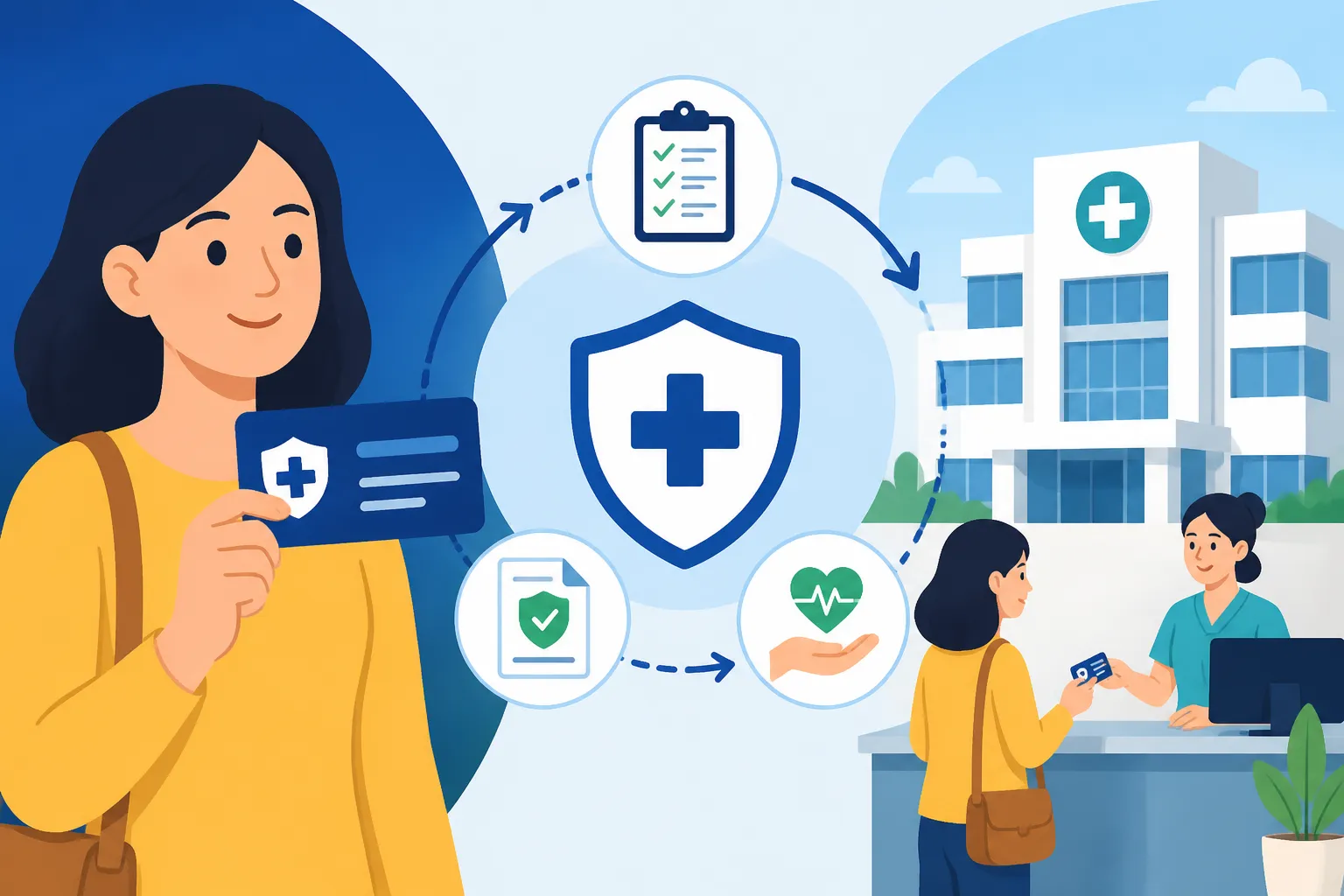
How to Use Private Medical Insurance at Malaysian Hospitals
Standing in the marble-floored lobby of a world-class hospital in Kuala Lumpur while clutching a feverish child or nursing a broken limb is not the time you want to be figuring out your insurance policy. The Malaysian private healthcare system is exceptional, but the administrative dance between your provider and the hospital's billing department can be a labyrinth if you don't know the steps. This guide provides an expansive, veteran-level walkthrough of exactly how to use your private medical insurance to ensure your focus stays on recovery, not the mounting ringgit on the invoice.
Understanding the Landscape of Private Healthcare in Malaysia
When you first arrive, the sheer efficiency of places like Gleneagles or Prince Court can be a bit overwhelming. Unlike the public system, which is robust but often crowded, the private sector operates with the speed and hospitality of a five-star hotel. However, that speed comes with a price tag that requires a solid insurance strategy. Most expats find that Public vs Private Healthcare in Malaysia: Which Should Expats Choose? is the first major decision they make, and once you go private, your insurance card becomes your most valuable piece of plastic.
The Efficiency and Cost of the Private Sector
Private hospitals in Malaysia are designed for speed. You can often walk in and see a specialist without a prior appointment, but this convenience is reflected in the billing structure. A simple consultation might cost a few hundred ringgit, but once you factor in diagnostic tests like MRIs or blood work, the costs escalate quickly. This is where your private insurance steps in to bridge the gap between "affordable" and "financial catastrophe." Understanding The Cost of Healthcare in Malaysia: A Complete Breakdown for Foreigners (2026) is essential because insurance doesn't always cover 100% of the fringe costs, such as extra meals or premium room upgrades.
Why Private Insurance is a Necessity Not a Luxury
While Malaysia offers universal healthcare to its citizens, foreigners pay higher rates at government facilities. Even then, the wait times for elective surgeries or specialized scans at a Klinik Kesihatan can be weeks or months. For an expat, having a policy from a provider like SafetyWing or a local giant like AIA is what gives you the "fast pass." Private insurance ensures that you are treated in facilities that feel familiar, with English-speaking staff and the latest medical technology. Without it, a single night in an Intensive Care Unit (ICU) could easily wipe out a significant portion of your relocation savings.
Panel Hospitals vs. Non-Panel Facilities
This is the golden rule of Malaysian insurance: always check if your hospital is a "Panel Hospital." Most local insurers have a pre-agreed list of hospitals where they have a direct billing arrangement. If you go to a panel hospital, the process is usually "cashless." If you go to a non-panel hospital, you will likely have to pay the full amount upfront and file for reimbursement later. Before you head out the door, it is vital to know How to Choose a Private Hospital in Malaysia (2026) that aligns with your specific insurance network to avoid massive out-of-pocket expenses.
Before the Hospital Visit: Preparation and Verification
Many expats get stuck at the registration desk because they assumed their digital insurance card was enough. In Malaysia, the "Letter of Guarantee" (LG) is the king of documents. This is a formal promise from your insurance company to the hospital stating that they will cover your expenses. Without a valid LG, the hospital will treat you as a "cash payer," which means you’ll be reaching for your credit card before you even see a doctor.
Checking Your Letter of Guarantee Eligibility
For planned procedures, like a knee surgery or a scheduled birth, you must apply for an LG at least 48 to 72 hours in advance. Your doctor’s office will usually provide a medical report and a cost estimate, which you then send to your insurer. If you are using a flexible international plan like SafetyWing, you should contact their 24/7 support line to initiate this process as soon as your surgery date is set. Getting that LG approved early is the difference between a stressful morning and a smooth check-in.
Carrying the Right Documentation
When you arrive at the hospital, the staff will ask for three things: your passport, your insurance card (physical or digital), and your visa or entry stamp. They need to verify that you are legally in the country and that your policy is active. It’s also wise to have a copy of your policy’s "Schedule of Benefits" on your phone. Sometimes, the hospital's billing department might be unsure if a specific treatment—like physiotherapy—is covered. Being able to show them the exact clause in your contract can save hours of back-and-forth phone calls. Knowing What Documents Do I Need to See a Doctor in Malaysia as a Foreigner? is the first step toward a hassle-free experience.
Pre-Authorization for Elective Procedures
Not everything is an emergency. If you are seeking specialized care, such as How to Access Specialist Care Through Private Hospitals in Malaysia, you need to ensure the insurer has pre-authorized the specific specialist you are seeing. Some insurance plans only cover specialists if you have a referral from a General Practitioner (GP). If you skip the GP and go straight to a cardiologist, your insurance might reject the claim, leaving you with a surprise bill at the end of the day.
| Billing Type | Process | Best For |
|---|---|---|
| Cashless (Direct Billing) | Hospital bills insurer directly via a Letter of Guarantee. | Inpatient stays, major surgeries, ER visits. |
| Pay-and-Claim | You pay the full bill and submit receipts for reimbursement. | GP visits, medications, minor diagnostic tests. |
| Co-Payment | You pay a fixed percentage (e.g., 10%) and the insurer pays the rest. | Specific policies designed to lower monthly premiums. |
The Admission Process and Using Your Card
The moment you enter a private hospital’s emergency department or admission wing, the "insurance clock" starts ticking. The staff are generally very experienced with expats, but they are also very focused on financial security. They want to know exactly who is paying before they assign you a room.
Navigating the Registration Desk
At the registration desk, be very clear that you intend to use private insurance. They will take your insurance card and immediately contact the "Third Party Administrator" (TPA) or the insurance company’s local office. This is where the wait begins. Even with a good policy, it can take anywhere from 30 minutes to two hours for the hospital to receive the initial approval from your insurer. During this time, they might move you to a treatment area, but you won't be officially "admitted" to a ward until the paperwork clears.
Dealing with Hospital Deposits
Even if your insurance is top-tier, almost every private hospital in Malaysia will ask for a "refundable deposit." For a standard admission, this can range from RM500 to RM2,000. For surgeries, it could be higher. Do not take this personally; it’s a standard operating procedure to cover "non-medical" expenses that insurance won't pay for, such as telephone calls from the room, extra guest meals, or laundry services. You can read more about Understanding Hospital Admission and Deposit Requirements in Malaysia to help set your expectations for these upfront costs.
The Role of the Medical Insurance Department
Most large private hospitals have a dedicated "Insurance or Corporate Desk." These are the people who do the heavy lifting. They spend their entire day faxing medical reports to insurers and arguing over line items. If your claim is being delayed, don't just sit in your hospital bed—walk down to the insurance department and ask for an update. Often, the insurer is just waiting for a specific piece of information from the doctor, and you can nudge the nursing staff to get that information sent over faster.
Outpatient vs. Inpatient Care: The Payment Nuances
There is a massive distinction in Malaysia between "Inpatient" (you stay overnight) and "Outpatient" (you leave the same day). Your insurance handles these two very differently. For many expats, the confusion arises when they expect their insurance to work the same way for a cough as it does for a surgery.
Pay-and-Claim for GP Visits
Most private medical insurance plans do not offer direct billing for outpatient GP visits. If you go to a neighborhood clinic for a flu shot or a minor infection, you should expect to pay the bill yourself. The cost is usually low—between RM50 and RM150—but you must keep the "official receipt" and the "physician's report." You will then upload these to your insurer’s app to get your money back. If you are a digital nomad using SafetyWing, their online portal makes this reimbursement process quite straightforward, but the burden of the initial payment is on you.
Direct Billing for Specialist Consultations
If your outpatient visit involves a specialist at a major hospital, some high-end international plans do allow for direct billing. However, this is the exception rather than the rule. Always assume you will pay for outpatient consultations upfront unless you have a specific "outpatient card" provided by your employer. Understanding the Difference Between GP Clinics and Hospitals in Malaysia will help you decide where to go for minor ailments versus major concerns.
Managing Deductibles and Co-payments
If your policy has a "deductible" (an amount you pay before the insurance kicks in), the hospital will collect this at the end of your stay. For example, if you have a RM500 deductible and your total bill is RM5,000, the insurance will pay RM4,500 and you will pay the remaining RM500 plus your initial deposit. It’s a good idea to check How Much Private Health Insurance Cost in Malaysia in 2026? to see how different deductible levels affect your monthly premiums and your out-of-pocket reality.
Handling Claims and Reimbursements Like a Pro
The discharge process in a Malaysian private hospital is notoriously slow. You might be medically fit to leave at 10:00 AM, but you likely won't walk out the door until 2:00 PM. This is because the hospital's pharmacy and billing departments have to finalize every single pill and bandage used, send the final total to your insurer, and wait for a "Final Letter of Guarantee."
Gathering Necessary Documents Before Discharge
Do not leave the hospital without a folder full of paperwork. You need the original itemized bill (not just the summary), the discharge summary signed by your doctor, and copies of any diagnostic reports (X-rays, MRIs, lab results). Even if the hospital billed the insurer directly, you might need these documents later for tax purposes or if the insurer tries to "claw back" a payment later claiming it was a pre-existing condition. Being organized is a core part of Navigating the Malaysian Healthcare System: An Expat's Roadmap (2027).
The Digital Submission Workflow
Modern insurance, including global options like SafetyWing, has moved almost entirely to digital claims. You don't need to mail physical receipts to an office in London or New York. Instead, take clear, high-resolution photos of every document. Make sure the hospital's tax ID and the doctor's stamp are clearly visible. If the image is blurry, the claim will be rejected, and you’ll have to go back to the hospital to get a fresh copy.
Troubleshooting Denied Claims
If your claim is denied, don't panic. The most common reason for a denial in Malaysia is "lack of medical necessity" or "pre-existing condition." If this happens, you need to work with your doctor to provide a more detailed medical narrative. Sometimes, the way a doctor phrases a diagnosis can trigger an automatic rejection in the insurance company's software. A simple letter of clarification from the specialist can often overturn a denial. For more complex issues, you may want to look into How to Claim Reimbursement from Your Health Insurer in Malaysia for a step-by-step troubleshooting guide.
Emergency Situations and Real-World Scenarios
In a real emergency—think a car accident or a sudden heart attack—the rules change slightly. The hospital's priority will be stabilizing you, but the administrative side will still be running in the background.
What to Do in a 999 Emergency
If you call 999, you will likely be taken to the nearest government hospital. Once you are stable, you have the right to request a transfer to a private facility if your insurance covers it. This is often a smart move for comfort and speed of specialist care. However, the transfer must be medically "safe," and you will need to coordinate between the two hospitals. You should definitely memorize Emergency Medical Care in Malaysia: What Every Expat Needs to Know before you ever find yourself in the back of an ambulance.
Negotiating with International Insurers from a Hospital Bed
If you are using an international insurer, the time zone difference can be a hurdle. If it's 3:00 PM in Kuala Lumpur, it might be the middle of the night at your insurer’s headquarters. This is why choosing a provider with a global 24/7 emergency assistance team is non-negotiable. Plans like SafetyWing are built for this, providing a dedicated line that hospital administrators can call at any hour to verify coverage.
The Reality of "Cashless" Facilities
The term "cashless" is a bit of a misnomer in the expat world. It really means "I don't have to pay the big bill." You will almost always pay something—the deposit, the deductible, or the non-medical surcharges. Keeping a "medical emergency fund" of at least RM3,000 in a local bank account is a veteran move. It ensures that you can handle the initial deposit and any immediate out-of-pocket costs without waiting for an international wire transfer to clear. If you're still setting up your local finances, Banking in Malaysia: A Complete Guide for Foreigners (2027) can help you get that emergency fund situated.
Disclaimer
The information provided in this guide is for general informational purposes only and does not constitute professional medical or financial advice. Healthcare regulations and insurance policies in Malaysia can change frequently. Always verify the specifics of your coverage with your insurance provider and consult with hospital billing departments directly regarding their current policies and accepted insurers. Regardless of insurance status, in a life-threatening emergency, always dial 999 or proceed to the nearest emergency room immediately.