How Do I Access Mental Health Support in English in Malaysia?
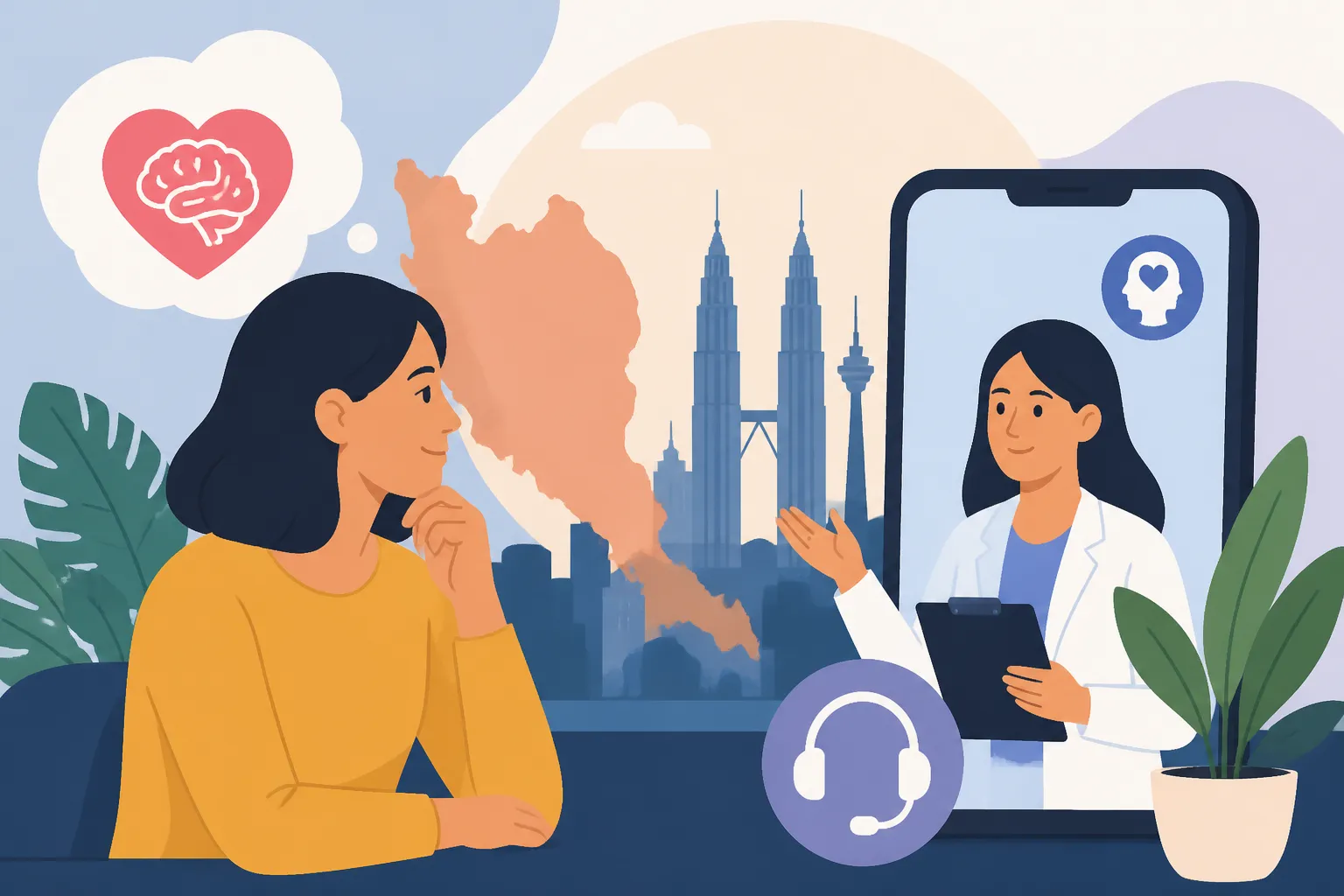
Moving to a new country like Malaysia is an exhilarating adventure, but the reality of culture shock, professional pressure, and social isolation often takes a toll on one’s mental well-being. Finding help when you are far from home is difficult, especially when you need someone who truly understands your language and cultural context. This guide explores exactly how to navigate the Malaysian mental health system to find English-speaking support that works for you.
Understanding the Mental Health Landscape in Malaysia
When I first arrived in Kuala Lumpur, I assumed that finding a therapist would be as simple as a quick Google search. While there are many options, the system is split into distinct tiers that can be confusing for a newcomer. The first thing you need to realize is that mental health is still a developing field here; while the stigma is fading in urban centers, the administrative hurdles remain.
Public vs Private Care for Expats
The public healthcare system in Malaysia, while excellent for basic medical needs, is often overwhelmed when it comes to psychiatric services. If you choose the public route, you will likely encounter long wait times and a rotating door of doctors. For most foreigners, the private sector is the go-to choice because it offers much higher English proficiency and more consistent care. If you are struggling to decide, reading up on Public vs Private Healthcare in Malaysia: Which Should Expats Choose? can give you a better sense of the logistical differences.
In the private sector, you have two main options: private hospitals and standalone therapy clinics. Private hospitals like Gleneagles or Pantai usually have dedicated psychiatric departments. Standalone clinics, often located in expat-heavy areas like Bangsar or Mont Kiara, tend to offer more specialized psychological counseling. These clinics are usually staffed by clinicians who have studied abroad in the UK, Australia, or the US, ensuring that their English is not just functional, but nuanced enough for deep therapeutic work.
The Language and Cultural Nuance Factor
While English is widely spoken in Malaysia, "Medical English" and "Therapeutic English" are different. You want a provider who understands the specific anxieties of the expat life—the "trailing spouse" syndrome, the pressure of an Employment Pass, or the isolation of working remotely.
When searching for a provider, look for those who explicitly mention "Expat Counseling" or "International Populations." It’s also helpful to understand How to Find and Register with a General Practitioner (GP) in Malaysia, as a local GP can often be your first point of contact for a referral to a trusted, English-speaking specialist. A good referral can save you weeks of trial and error with therapists who might not be the right fit.
Finding an English-Speaking Therapist or Psychiatrist
Finding the right person is often the hardest part of the journey. In Malaysia, the terms "psychiatrist," "psychologist," and "counselor" are used specifically, and knowing the difference will save you a lot of frustration during your first appointment.
Private Therapy Clinics in KL and Penang
Kuala Lumpur and Penang are the primary hubs for high-quality, English-speaking mental health support. In KL, areas like Bangsar, Damansara, and Mont Kiara are home to several boutique psychological practices. These clinics often provide a more "homely" feel than a clinical hospital setting, which many expats find more comforting.
When you contact these clinics, don't be afraid to ask about the therapist's background. Many of the top practitioners in Malaysia are members of international psychological associations. If you are a digital nomad or a traveler moving frequently, a plan from SafetyWing can often provide the peace of mind needed to cover unexpected medical crises while you seek out these specialized clinics. These boutique centers often have shorter wait times, but they do come at a premium price point compared to hospital-based care.
Hospital-Based Psychiatric Services
If you require medication for conditions like clinical depression, anxiety, or ADHD, you will need to see a psychiatrist. In Malaysia, only psychiatrists (who are medical doctors) can prescribe medication. Most major private hospitals have an "Outpatient Specialist" wing where you can book an appointment.
Navigating these hospitals is generally straightforward. You can often walk in and head to the information desk, or better yet, call ahead to the psychiatry department. For a deeper dive into how these facilities operate, check out The Expat Guide to Choosing a Private Hospital in Malaysia (2027). Many expats prefer the hospital route because all their records, blood tests, and prescriptions are centralized in one system. If you have international coverage, such as a comprehensive policy or even specialized travel medical insurance like SafetyWing, you should check if they have a "panel" agreement with the hospital to simplify the billing process.
Affordable and Accessible NGO Support
Not everyone has a high-end corporate insurance package, and private therapy in Malaysia can get expensive if you are paying out of pocket. Fortunately, there are several highly respected NGOs that offer English-speaking support at a fraction of the cost.
Befrienders and Mental Health Associations
The Befrienders is a well-known organization in Malaysia that offers a 24-hour emotional support hotline. They are excellent for those moments when you just need someone to talk to in the middle of the night. Their volunteers are trained to handle crisis situations in English, and the service is completely free.
The Malaysian Mental Health Association (MMHA) is another fantastic resource. They offer counseling services provided by trainee or junior psychologists at very subsidized rates. This is a great option if you need long-term support but are currently watching your budget. Since mental health is often linked to physical health, it is also useful to know How Malaysia's Health System Works: Public vs Private Explained (2027) to understand where these NGOs fit into the broader healthcare landscape.
University-Linked Counseling Centers
Several universities in Malaysia that offer Masters and PhD programs in Psychology also run "community clinics." These centers are staffed by students in their final year of clinical training, supervised by senior professors. While the idea of seeing a student might feel daunting, these programs are often very rigorous and the English proficiency is generally high.
Places like Monash University Malaysia or HELP University have clinical psychology centers that are open to the public. They offer a sliding scale for fees based on your income, making mental health support accessible to students and those between jobs. For those on a tight budget, including digital nomads who rely on SafetyWing for their primary medical protection, these university clinics represent a significant cost-saving measure without sacrificing the quality of care.
Practical Considerations: Costs, Insurance, and Logistics
The administrative side of mental health in Malaysia can be a headache. Unlike physical ailments, mental health coverage in insurance policies can be patchy. You need to be proactive about understanding your financial commitments before you sit down for your first session.
Comparing Costs for Different Tiers of Care
The cost of therapy in Malaysia varies wildly depending on where you go and who you see. A session with a private clinical psychologist in a trendy KL neighborhood will cost significantly more than a session at an NGO.
| Type of Service | Estimated Cost (per session) | Wait Time | Language |
|---|---|---|---|
| Private Specialist Hospital | RM 300 – RM 600 | 1 – 2 weeks | Excellent English |
| Boutique Therapy Clinic | RM 250 – RM 500 | 1 – 3 weeks | Native/Fluent English |
| NGO (e.g., MMHA) | RM 50 – RM 150 | 2 – 4 weeks | Good English |
| University Clinic | RM 40 – RM 100 | Varies | Good English |
| Public Hospital | RM 30 – RM 80 (Foreigner rate) | 1 – 3 months | Mixed proficiency |
It is worth noting that Understanding Foreigner Medical Fees at Malaysian Government Hospitals is crucial if you are considering the public route, as the "foreigner rate" is significantly higher than what locals pay, even though it remains cheaper than the private sector.
Navigating Insurance Coverage
One of the biggest shocks for expats is realizing their local employer-provided insurance might not cover "mental and nervous disorders." This is a common exclusion in many basic Malaysian group policies. Before you start treatment, call your provider and ask specifically about outpatient mental health benefits.
If your local policy fails you, this is where international or nomad insurance comes into play. For example, SafetyWing is often used by the remote work community in Malaysia to bridge gaps in local coverage. You should also look into How to Use Private Medical Insurance at Malaysian Hospitals to see if your therapist or psychiatrist can bill your insurer directly, or if you will need to pay upfront and file for a reimbursement.
Telehealth and Digital Support Options
The pandemic shifted the mental health landscape in Malaysia significantly. Today, many expats choose to skip the traffic in KL or Penang altogether and opt for online therapy. This opens up your options to providers who may not even be physically located in Malaysia.
International Online Platforms
If you find the local options limited, many expats use platforms like BetterHelp or Talkspace. The advantage here is the sheer volume of English-speaking therapists from diverse backgrounds. However, these platforms can sometimes be more expensive than local Malaysian options due to the currency exchange rate.
If you are a frequent traveler, having a flexible medical insurance plan like SafetyWing is vital, as it covers you across borders, which is particularly helpful if your mental health needs lead to a physical health crisis that requires hospitalization. Remote work-friendly passes like The Expat Guide to the DE Rantau Digital Nomad Pass in Malaysia (2027) have also made it easier for foreigners to stay longer and establish consistent care routines, whether online or in person.
Local Digital Health Apps
Malaysia has its own burgeoning health-tech scene. Apps like Naluri or ThoughtFull are specifically designed for the Southeast Asian market and offer chat-based or video-based counseling with certified professionals. These apps are often much more affordable than traditional face-to-face therapy and allow you to stay connected with your therapist while traveling within the region.
Using local apps can be a great way to bridge the gap if you are struggling with Understanding the Difference Between GP Clinics and Hospitals in Malaysia and just need a quick consultation to see if your symptoms require a more formal psychiatric intervention.
Legal and Confidentiality Concerns
A common fear among the expat community is that seeking mental health support might affect their visa status or their standing with their employer. It is important to clear these misconceptions up early so you can seek help without fear.
Privacy Laws and Medical Records
Malaysia has strict patient confidentiality laws. Your medical records, including psychiatric notes, are private and cannot be shared with your employer without your explicit written consent. This applies to both private and public sectors. If you are worried about the paper trail, you can ask your therapist about their data retention policies during your first intake session.
For those concerned about how their records might follow them, you can read How Do I Access My Medical Records in Malaysia? to understand your rights as a patient. Rest assured, your Employment Pass is not at risk simply because you are seeing a counselor. The Malaysian government views mental health as a personal medical matter, much like seeing a doctor for the flu.
Emergency Mental Health Support
If you or someone you know is in an immediate crisis, you cannot wait for an appointment. Malaysia has specific protocols for psychiatric emergencies that every expat should be aware of.
In a crisis, you can call 999, which is the general emergency number for police, ambulance, and fire. However, the most direct way to get help is to go to the Emergency Room (A&E) of a major private hospital. They have psychiatric officers on call who can stabilize a patient and arrange for an immediate admission if necessary. Familiarizing yourself with Emergency Medical Care in Malaysia: What Every Expat Know could be life-saving in these high-stress moments.
For non-life-threatening but urgent emotional distress, the Befrienders (03-76272929) remain the best English-speaking resource. They can talk you through a panic attack or a period of intense loneliness and point you toward long-term resources once the immediate crisis has passed.
Disclaimer
This guide is for informational purposes only and does not constitute professional medical or legal advice. Mental health situations can be complex and varies by individual. Always consult with a qualified healthcare professional or legal expert regarding your specific circumstances in Malaysia. Information regarding insurance coverage, fees, and hospital policies is subject to change.