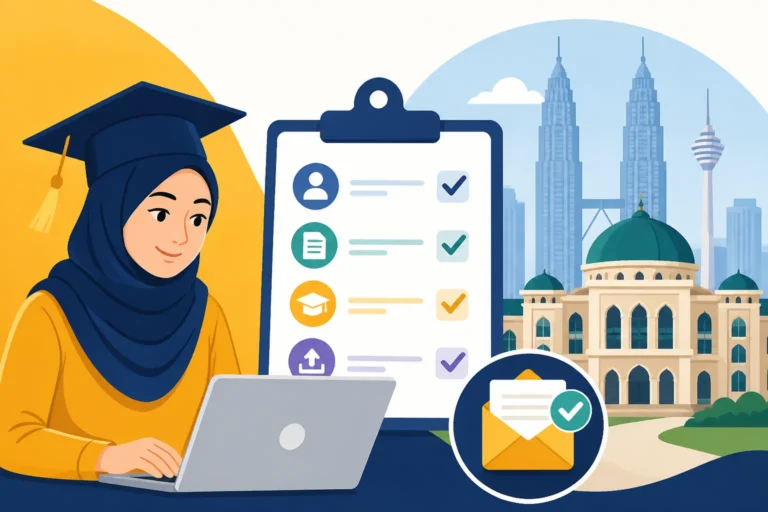
How to Enrol in a Bahasa Malaysia Language Course
Moving to a new country like Malaysia is an incredible adventure, full of vibrant culture, delicious food, and friendly faces. But let’s be honest, trying to truly settle in and connect beyond surface-level interactions can feel like hitting a bamboo wall if you don't speak the local language. Many of us expats arrive with the best intentions, only to find ourselves intimidated by the thought of learning Bahasa Malaysia. This guide is here to demystify the process, offering a comprehensive walkthrough on how to enrol in a Bahasa Malaysia language course, helping you bridge that communication gap and truly make Malaysia your second home.
Why Learning Bahasa Malaysia is a Game-Changer for Expats
When you first arrive, it’s easy to get by with English, especially in Kuala Lumpur, Penang, or Johor Bahru. Most signs are bilingual, and many Malaysians, particularly in urban centres, speak English fluently. But relying solely on English can unintentionally put a barrier between you and the rich tapestry of Malaysian life. Learning even a little Bahasa Malaysia isn't just about vocabulary; it’s about unlocking a deeper, more meaningful experience.
Enhancing Daily Life and Local Interactions
Imagine confidently ordering your favourite nasi lemak at a bustling hawker stall, haggling playfully at a pasar malam (night market), or simply exchanging pleasantries with your neighbours in their mother tongue. These small interactions accumulate, transforming your daily grind into a series of charming, authentic moments. It’s the difference between being a perpetual tourist and truly belonging. When you try to speak Bahasa Malaysia, even if imperfectly, you'll often be met with wide smiles and genuine appreciation. Locals generally love it when foreigners make an effort, and it opens doors to friendships you might not otherwise experience. From dealing with your landlord to understanding local news, a basic grasp of Bahasa Malaysia just makes everything smoother.
Opening Doors in Your Career and Business
For many expats, working in Malaysia is a primary reason for being here. While English is the lingua franca in many multinational corporations (MNCs), having Bahasa Malaysia proficiency can be a significant advantage. It shows commitment to the local culture and can be crucial for networking, understanding local business etiquette, and even navigating company dynamics that might be rooted in local cultural nuances. If your work involves interaction with local clients, government agencies, or employees outside the expat bubble, your Bahasa Malaysia skills will not just be appreciated – they might be essential. It can even set you apart when seeking new opportunities, signaling your long-term dedication to living and working in Malaysia. Understanding local employment laws, or even more complex aspects like the nuances of local taxation, might feel less daunting if you're not completely reliant on translations, especially when looking into specific advice like that offered by resources for Taxes for Expats.
Deeper Cultural Immersion and Understanding
Malaysia is a beautiful mosaic of cultures – Malay, Chinese, Indian, and numerous indigenous groups. Bahasa Malaysia is the national language, a thread that weaves through this diversity. Learning the language allows you to delve deeper into Malay traditions, appreciate local humour, understand song lyrics, and engage with festivals and customs on a more profound level. It's about more than just words; it's about gaining insight into the values, beliefs, and unspoken rules that govern Malaysian society. You'll find yourself able to engage in conversations about local politics, history, and community issues, something that’s nearly impossible when you’re confined to English-only interactions. This connection can truly enrich your expat journey, turning it from a temporary stay into a genuine home. It's a key part of Navigating the Malaysian Healthcare System: An Expat's Roadmap (2027) or even just understanding local market chatter.
Where to Find Bahasa Malaysia Language Courses
The good news is that there are numerous options available for learning Bahasa Malaysia, catering to different learning styles, budgets, and schedules. From structured classroom environments to flexible online tutoring, you’ll likely find something that fits your needs.
Formal Language Centres and Institutions
These are often the go-to for many expats due to their structured curriculum, experienced teachers, and official certification upon completion. They typically offer classes from beginner (A1) to advanced (C2) levels, with set schedules.
- Universities: Many Malaysian universities offer Bahasa Malaysia courses for international students and the general public. Institutions like Universiti Malaya (UM) Language Centre in Kuala Lumpur are renowned for their comprehensive programs. These university-based courses are often academically rigorous and can provide a strong foundation in grammar and formal usage. They also offer a chance to interact with a diverse student body, fostering a broader cultural exchange. The environment is usually vibrant, and you might even pick up some local student slang!
- Private Language Schools: Across major cities, you'll find private language schools specializing in Bahasa Malaysia. These often have more flexible schedules, including evening or weekend classes, which can be ideal for working professionals. Centres like the International Language Centre (ILC) or others in areas popular with expats often have smaller class sizes, allowing for more personalised attention. They focus heavily on conversational skills alongside grammar, aiming for practical application in daily life. Some might even offer corporate training packages if your employer is sponsoring your language acquisition.
- Community Centres: Occasionally, local community centres or cultural associations might offer informal, affordable Bahasa Malaysia classes. These are less structured but can be excellent for getting a taste of the language and meeting other learners. Keep an eye out for local announcements or ask around in expat groups for recommendations.
Private Tutors and Online Platforms
If the rigidity of a classroom isn’t for you, or if you prefer a more tailored learning experience, private tutoring or online platforms can be fantastic alternatives.
- One-on-One Private Tutors: Hiring a private tutor allows for a highly customised learning plan, focusing on your specific goals, whether it’s conversational fluency, business Bahasa, or preparing for an exam. You can often arrange to meet at a café, your home, or their office. Finding a good tutor often comes down to word-of-mouth recommendations within the expat community or through local university language departments. The cost can vary widely depending on the tutor's experience and qualifications, but the personalised attention can accelerate your learning significantly.
- Online Platforms: The digital age has brought a plethora of online resources. Platforms like iTalki allow you to connect with Bahasa Malaysia tutors from around the world, including native speakers living in Malaysia. This means you can have lessons from the comfort of your home, at times that suit your schedule, often at a more affordable rate than in-person private tutoring. You can choose between professional teachers with certifications and community tutors who offer more casual conversational practice. Other apps like Duolingo, Memrise, or Babbel can supplement your learning, but for structured progression and real human interaction, a live tutor is invaluable. These online tools are fantastic for reinforcing what you've learned or for getting some extra practice on the go. This flexibility is a huge plus, especially for busy professionals or those living in areas with fewer in-person options.
Choosing the Right Bahasa Malaysia Course for You
With so many options, deciding which course to enrol in can feel overwhelming. It’s not just about finding any course; it’s about finding the right course that aligns with your personal goals, learning style, and life circumstances.
Assessing Your Current Language Level and Goals
Before you even look at a brochure, take a moment to honestly assess where you’re at. Are you a complete beginner who can barely say "terima kasih"? Or do you have some basic phrases down but struggle with sentence structure? Most language centres offer placement tests to help determine your level. Your goals are equally important: are you aiming for basic conversational ability for daily life, or do you need to achieve professional fluency for work?
- For Absolute Beginners: If you're starting from scratch, look for courses specifically designed for "Beginner 1" or "A1" level. These courses will cover fundamental greetings, basic vocabulary, simple sentence construction, and pronunciation. The pace should be steady, not rushed, to build a strong foundation. Don't be shy; everyone has to start somewhere!
- For Intermediate Learners: If you already have a basic grasp, you might be looking to expand your vocabulary, improve grammar, or become more confident in conversational settings. An "Intermediate" or "B1/B2" level course will help you tackle more complex topics, engage in longer conversations, and understand nuances.
- For Advanced Learners and Specific Purposes: If you’re already quite proficient but want to refine your skills or learn specialized vocabulary (e.g., for business, law, or medicine), you might need an "Advanced" (C1/C2) course or a private tutor who can tailor lessons to your specific needs. This is where you might focus on things like formal writing, public speaking, or advanced reading comprehension.
Budget Considerations and Course Intensity
The cost of Bahasa Malaysia courses can vary significantly. University programs and established private language centres generally have higher fees, but they often offer more comprehensive packages, including textbooks and certification. Private tutors or online platforms can range from very affordable to premium, depending on the tutor’s experience and your desired intensity.
| Course Type | Typical Cost (per hour/session) | Flexibility | Structure | Intensity | Best For |
|---|---|---|---|---|---|
| University Programs | RM 20-50 (per class hour) | Low | High | High | Long-term learning, academic depth |
| Private Centres | RM 30-70 (per class hour) | Medium | High | Medium-High | Balanced learning, practical skills |
| Private Tutors | RM 50-150 (per 1-hour session) | High | Custom | High | Personalised learning, specific goals |
| Online Platforms (e.g., iTalki) | RM 20-100 (per 1-hour session) | Very High | Custom | Medium-High | Convenience, diverse tutors, cost-effective |
| Community Classes | RM 10-30 (per class hour) | Medium | Low-Medium | Low-Medium | Casual learning, social interaction |
Consider not just the monetary cost but also the time commitment. An intensive course might get you fluent faster, but it demands significant dedication outside of class. A more relaxed pace might be better if you have a demanding job or family commitments. Remember that the "How Much Does It Cost to Study at the University of Malaya?" or other institutions will vary significantly based on the program and duration.
Learning Styles, Class Sizes, and Teaching Methodology
Everyone learns differently. Do you thrive in a bustling classroom environment where you can interact with peers, or do you prefer the quiet focus of one-on-one instruction?
- Interactive Group Classes: These are great for practising conversational skills, role-playing, and getting comfortable speaking in front of others. They also offer opportunities to learn from your classmates' questions and mistakes. However, shy individuals might find it harder to participate, and the pace might not always match your personal learning speed.
- One-on-One Tutoring: Ideal for those who need personalised attention, struggle with specific areas, or have very particular learning goals. The tutor can adapt the lessons entirely to you, providing immediate feedback and focusing on your weaknesses. This is often the fastest way to progress, especially if you have an experienced tutor.
- Online Learning: Offers flexibility and access to a wider pool of tutors. It requires self-discipline and good internet connectivity. Platforms like iTalki can be fantastic because you can "audition" different tutors until you find one whose teaching style truly resonates with you. You can try a few trial lessons with different tutors to see whose approach you prefer.
- Teaching Methodology: Ask about the teaching methods. Do they use a communicative approach (focus on speaking and listening), or is it more grammar-heavy? Do they incorporate cultural elements? A balanced approach is often best, but some learners prefer one over the other. For instance, if you are focusing on How to Get Your Foreign Degree Recognised in Malaysia, a more formal, academic approach might be beneficial for understanding official documents and language.
The Enrolment Process: A Step-by-Step Guide
Once you've zeroed in on a few potential courses or tutors, it's time to tackle the actual enrolment. This part can feel a bit like wading through treacle in Malaysia, but I promise it's manageable with a bit of patience and preparation.
Required Documents and Visa Implications
The documents you need will depend on the institution and your current visa status.
- For Formal Language Centres/Universities: You’ll typically need your passport, a copy of your current Malaysian visa (Employment Pass, Dependant Pass, MM2H, or even a tourist visa for short courses), passport-sized photos, and potentially proof of address in Malaysia. Some universities might require academic transcripts or a brief essay for more advanced language programs. If you're on a Dependant Pass, you usually won't need a separate student visa for a language course, but it's always best to confirm with the institution. If you're on a tourist visa, make sure the course duration falls within your permissible stay. For comprehensive long-term study, you might need to apply for a student pass, which is a different ballgame altogether. You can learn more about The Complete Guide to Malaysian Visas for Expats (2027) for specific details.
- For Private Tutors/Online Platforms: Generally, no formal documents are required. You just need to agree on terms with your tutor and arrange payment.
Important Note on Visas: If you are planning to take a long-term, full-time language course (e.g., more than a few months) at a university or language school, you might need to apply for a student visa. This can be a complex process involving letters of acceptance, financial proofs, and immigration interviews. Always clarify with your chosen institution if their course requires a specific visa for foreign students. Most casual, part-time courses do not necessitate a change in your existing visa status.
Understanding Course Fees and Payment Structures
Course fees typically cover tuition, and sometimes textbooks and materials are extra.
- Fee Breakdown: Get a clear breakdown of all costs. Is there a registration fee? What about material fees? Are exams included? Many institutions require full payment upfront, while others might offer instalment plans.
- Payment Methods: Most larger institutions accept bank transfers, credit card payments, or sometimes cash (for smaller amounts). For private tutors, direct bank transfer or cash is common. Be wary of any tutor or institution demanding unusual payment methods or large sums without clear receipts.
- Refund Policies: Always ask about their refund policy before committing. What happens if you need to withdraw due to unforeseen circumstances or if the course isn't what you expected? It’s better to know upfront than to be stuck.
Navigating Application Forms and Enrollment Deadlines
Application forms, whether online or physical, will ask for your personal details, contact information, visa details, and previous language experience.
- Deadlines: Language centres often have enrolment deadlines, especially for semester-based courses. Missing these could mean waiting for the next intake. For private tutors, it's usually more flexible, depending on their availability.
- Language of Forms: While the course is Bahasa Malaysia, application forms are usually in English, or bilingual, especially at expat-friendly institutions. Don't hesitate to ask for help if you encounter any jargon or unclear sections.
- Confirmation: Once you've submitted everything and paid, ensure you receive a formal confirmation of your enrolment, including class schedules, teacher details, and start dates. Keep all receipts and confirmation emails in a safe place. This process can sometimes feel like a bureaucratic maze, similar to getting your How to Get Your Foreign Degree Recognised in Malaysia, but a methodical approach will get you through.
Learning Beyond the Classroom
Enrolling in a course is a fantastic first step, but real language acquisition happens outside the classroom. To truly master Bahasa Malaysia, you need to immerse yourself and actively seek opportunities to practice.
Practising with Locals and Language Exchange
Malaysia is perhaps one of the best places to learn Bahasa Malaysia because people are generally very patient and encouraging.
- Engage with Everyday Interactions: Don't be afraid to try out your new phrases with local shopkeepers, Grab drivers, hawkers, or even your colleagues and neighbours. Start small: "Apa khabar?" (How are you?), "Terima kasih" (Thank you), "Berapa?" (How much?). Most Malaysians will appreciate your effort, and many will be happy to switch to English if you get stuck, often correcting you gently.
- Seek out Language Exchange Partners: Look for language exchange groups in expat communities or online forums. You can offer to teach English in exchange for Bahasa Malaysia practice. This is a mutually beneficial arrangement and a great way to make local friends. Check platforms like Meetup for local language exchange gatherings in your area, especially in cities like Kuala Lumpur or Penang.
- Be Patient with Yourself: You will make mistakes. Lots of them. That's part of the learning process. Don't let embarrassment stop you from trying. Every mistake is a step towards fluency.
Utilising Media, Apps, and Resources
The digital world offers endless tools to complement your formal lessons.
- Bahasa Malaysia Media: Start watching Malaysian TV shows (with subtitles initially), listening to local radio stations or podcasts, and reading simple Bahasa Malaysia newspapers or websites. Even children's books can be a great starting point for beginners. Immersion through media helps you get accustomed to natural speech patterns and expand your vocabulary in a fun, engaging way. You'll begin to notice words you learned in class appearing in context.
- Language Learning Apps: Apps like Duolingo, Memrise, and Anki (for flashcards) can be excellent for daily vocabulary practice and reinforcing grammar rules. They’re perfect for those short bursts of learning during your commute or while waiting for an appointment. While they won't make you fluent on their own, they are powerful supplementary tools.
- Online Dictionaries and Translators: Keep a good online dictionary or translation app handy. Google Translate has improved significantly, but for nuanced meanings, a dedicated dictionary like Kamus Dewan Bahasa dan Pustaka (online version) is invaluable. Be careful not to rely too heavily on direct translation, though, as context is everything in language.
- Internal Resources: Don't forget, if you're exploring Learning Malay (Bahasa Malaysia): A Complete Guide for Expats, there will be more resources and tips mentioned there.
Joining Language Exchange Groups and Cultural Activities
Beyond formal classes, actively participating in local life is crucial for applying your language skills.
- Community Events: Attend local festivals, markets, and cultural performances. These are rich environments for observing and soaking up the language and culture.
- Volunteer Opportunities: If you have time, consider volunteering for a local charity or community project. It's a fantastic way to engage with locals, use your Bahasa Malaysia in a meaningful context, and contribute to your new home.
- Sports Clubs or Hobby Groups: Join a local sports team, hiking group, or hobby club. These informal settings provide natural opportunities for conversation and building relationships in Bahasa Malaysia. Remember, building confidence is key, and genuine connection often comes from shared experiences, not just shared words. This can also help you understand everyday phrases that might not appear in textbooks, similar to understanding casual conversations with a How to Find an English-Speaking Doctor in Malaysia who also speaks BM.
Common Challenges and How to Overcome Them
Learning a new language is a journey, not a sprint, and you'll inevitably hit some bumps along the way. But knowing what to expect and having strategies to overcome challenges will make the process much smoother.
Staying Motivated and Avoiding Burnout
It's easy to start with enthusiasm, but maintaining that energy can be tough. The plateau phase, where you feel like you're not making progress, is a common motivation killer.
- Set Realistic Goals: Don't expect to be fluent in a few months. Celebrate small victories – understanding a simple conversation, correctly ordering food, or learning a new set of vocabulary. Break your learning into manageable chunks.
- Mix It Up: If you're getting bored with grammar exercises, switch to watching a Malaysian movie. If reading is a drag, find a language exchange partner. Variety keeps things fresh and engaging.
- Connect with Other Learners: Join expat forums or social groups focused on language learning. Sharing your frustrations and successes with others who are going through the same experience can be incredibly motivating and provide a sense of community.
- Remind Yourself of Your "Why": Revisit your initial reasons for learning Bahasa Malaysia. Is it for better social connections, career advancement, or deeper cultural immersion? Keeping your ultimate goal in mind can reignite your motivation. This ties back to the broader context of The Complete Guide to Working in Malaysia as a Foreigner (2027) and wanting to integrate better professionally.
Finding Consistent Speaking Partners
One of the biggest hurdles is often finding consistent opportunities for speaking practice, especially if you don't have many local friends or colleagues who speak Bahasa Malaysia with you.
- Schedule Dedicated Practice Time: Just like you schedule your classes, schedule "Bahasa Malaysia practice" into your week. This could be a coffee chat with a tutor, a call with a language exchange partner, or even just talking to yourself in the mirror!
- Utilise Your Daily Routine: Turn everyday tasks into practice opportunities. Narrate your grocery shopping list in Bahasa Malaysia, try to read the headlines of local newspapers, or label items around your house with their Bahasa Malaysia names.
- Be Proactive: Don't wait for opportunities to come to you. Actively seek out social gatherings where Bahasa Malaysia is spoken, introduce yourself, and politely indicate that you're learning the language. Most Malaysians are incredibly welcoming.
- Consider Online Platforms Again: If local options are limited, platforms like iTalki can bridge this gap by offering a vast pool of tutors and conversational partners, accessible anytime, anywhere.
Dealing with Different Dialects and Accents
While Bahasa Malaysia has a standard form, just like any language, there are regional accents and dialects, as well as colloquialisms and slang that might differ from what you learn in formal classes.
- Focus on Standard Bahasa Malaysia First: When starting out, stick to learning standard Bahasa Malaysia (Bahasa Baku). This is the official language taught in schools and used in formal settings. Once you have a strong foundation, you can then begin to recognise regional variations.
- Exposure is Key: The more you listen to native speakers from different parts of Malaysia – whether through media, conversations, or travel – the more accustomed you’ll become to various accents. Don't get bogged down trying to understand every single word; focus on grasping the general meaning.
- Ask for Clarification: If you don't understand something, don't be afraid to politely ask, "Boleh cakap perlahan sikit?" (Can you speak a bit slower?) or "Maksud awak apa?" (What do you mean?). Malaysians are generally very accommodating.
- Embrace the Nuances: Learning about the various dialects and how they interact with standard Bahasa Malaysia can be a fascinating aspect of cultural learning, highlighting the rich diversity of Malaysia. You might find that in certain contexts, for example when looking at Understanding Malaysian Employment Contracts and Worker Rights, standard Bahasa Malaysia is always used, but in a market, it's very colloquial.
Learning Bahasa Malaysia as an expat in Malaysia is more than just acquiring a new skill; it's about opening yourself up to a richer, more integrated life in your adopted home. It won't always be easy, but the rewards – deeper connections, greater understanding, and a true sense of belonging – are immeasurable. So, take the plunge, enrol in a course, and enjoy the beautiful journey of becoming a true local at heart.
Disclaimer
The information provided in this guide is intended for general informational purposes only and does not constitute professional advice. While we strive to keep the information accurate and up-to-date, language course availability, fees, and visa regulations in Malaysia can change frequently. It is always recommended to verify details directly with the respective language institutions, government authorities, or immigration departments.