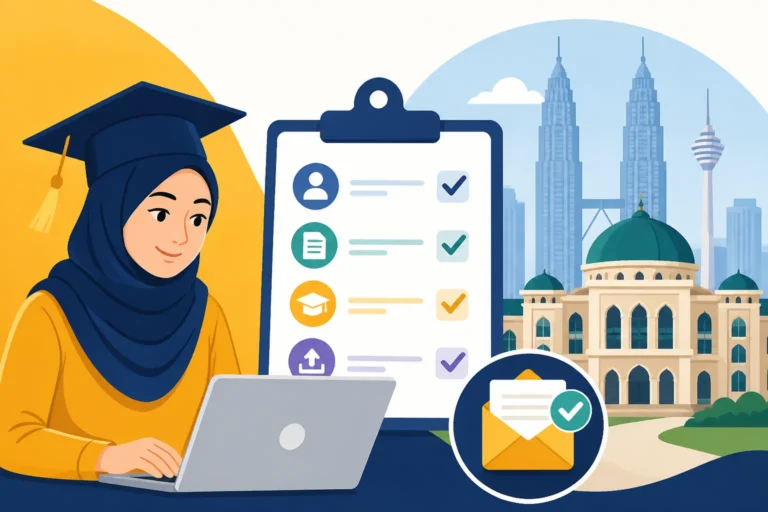
The Complete Guide to Freelancing in Malaysia as an Expat
The hustle is real for many expats in Malaysia. While a steady corporate job offers security, the idea of being your own boss, setting your own hours, and truly crafting your lifestyle is incredibly appealing. But let’s be honest, trying to figure out how to do that legally and profitably as a foreigner here can feel like navigating a maze blindfolded. This comprehensive guide is here to demystify freelancing in Malaysia, providing you with the roadmap to turn your expat dreams of independence into a tangible reality.
Understanding the Freelancing Landscape in Malaysia for Expats
Malaysia, with its vibrant economy and growing digital infrastructure, is increasingly becoming a hub for creative and tech-savvy individuals. For expats, this can mean a fantastic opportunity to tap into a diverse market, but it also comes with its unique set of challenges, especially when you’re trying to move away from the traditional employment model. It’s not just about finding clients; it’s about understanding the entire ecosystem.
The Allure and Reality of Being Your Own Boss
The thought of escaping the 9-to-5, ditching the office politics, and having the flexibility to work from a café in Bukit Bintang or a beach in Langkawi sounds like the ultimate expat dream, doesn’t it? Freelancing offers unparalleled autonomy. You get to choose your projects, set your rates, and decide who you work with. This control over your professional life can be incredibly liberating, allowing for a better work-life balance and the freedom to pursue passions alongside your income-generating activities. Many expats find that freelancing allows them to leverage specialized skills that might not fit neatly into local corporate structures, or to offer services to an international clientele while enjoying Malaysia’s lower cost of living.
However, the reality often hits hard after the initial honeymoon phase. Being your own boss means all the responsibilities fall on your shoulders. There’s no HR department for grievances, no finance team to handle invoicing, and certainly no IT support when your laptop decides to act up at 2 AM. You become the sales team, the marketing department, the accountant, and the customer service representative, all rolled into one. The income can be inconsistent, especially in the early stages, and the lack of traditional employee benefits like health insurance, EPF contributions, or paid leave can be a significant adjustment. For expats, the added layer of dealing with immigration rules and local business regulations makes it even more complex. It's a leap of faith that requires a strong entrepreneurial spirit and a knack for problem-solving.
Key Considerations for Foreigners
As a foreigner, the first and most critical hurdle isn't getting clients; it's ensuring you have the legal right to work as a freelancer in Malaysia. Unlike some countries where a simple business registration suffices, Malaysia's immigration framework is quite strict about foreign employment. You can't just arrive on a tourist visa and start offering your services; that's a quick ticket to trouble and potential deportation. Your visa status dictates what you can and cannot do.
Beyond the legalities, there's the practical side. Do you understand the local market demand for your skills? Are your rates competitive yet sustainable? How will you handle payments from local clients, and how will you repatriate funds if needed? English is widely spoken, especially in urban areas and professional circles, but a basic grasp of Bahasa Malaysia can definitely open more doors and help you integrate better with local clients and vendors. Also, consider the competitive landscape – local freelancers are often more cost-effective for Malaysian businesses, so you need to highlight your unique value proposition, international experience, or specialized skills to stand out. It’s about finding that sweet spot where your expertise meets local demand under the umbrella of legal compliance.
Legal Pathways to Freelance as an Expat in Malaysia
This is where things often get tricky and cause a lot of headaches for aspiring expat freelancers. Malaysia’s immigration policies are primarily designed for traditional employment, where a local company sponsors your work permit. Freelancing, by its very nature, doesn't fit this mould easily, but there are avenues available if you know where to look and what requirements to meet.
The DE Rantau Digital Nomad Pass: A Game-Changer
For many years, legitimate freelancing for expats in Malaysia was a grey area, often requiring creative solutions or a traditional Employment Pass if you were working for a foreign company. However, the introduction of The Expat Guide to the DE Rantau Digital Nomad Pass in Malaysia (2027) has been a significant development, providing a clear and legal pathway for digital nomads and freelancers. This pass is specifically designed for individuals working remotely for foreign clients or those who are self-employed with primarily international clients, making it ideal for many expat freelancers.
To qualify for the DE Rantau Pass, you generally need to demonstrate a minimum annual income, often around RM24,000 (roughly USD 5,000) for freelancers, and have an active contract with a client or clients outside Malaysia, or proof of self-employment that generates income from abroad. The application process involves submitting various documents, including proof of income, client contracts, and educational qualifications. It’s managed through the Malaysia Digital Economy Corporation (MDEC) and aims to attract digital talent to the country. This pass typically allows you to stay and work in Malaysia for up to 12 months, with the possibility of renewal. This clarity is a huge relief for many who previously struggled to find a suitable visa. You can legally reside and conduct your freelance work, enjoying the beautiful Malaysian lifestyle without the constant worry of immigration issues.
Other Visa Options and Their Limitations
While the DE Rantau Pass is tailored for freelancers, it's not the only way, though other options often come with more limitations or specific conditions.
- Employment Pass with Specific Conditions: In some rare cases, an expat might secure a traditional How to Get an Employment Pass in Malaysia (2027) if a Malaysian company is willing to sponsor them, and their "freelance" work is essentially a contract role with that single company. However, an Employment Pass is typically tied to a specific employer and prohibits external work, so using it for diverse freelance gigs is usually not allowed and would be a violation of the terms. This is more of a workaround for very specific B2B contract situations rather than true multi-client freelancing.
- Spouse Visa/Long-Term Social Visit Pass: If you are married to a Malaysian citizen, you might be eligible for a Long-Term Social Visit Pass. Historically, these passes sometimes allowed spouses to apply for an endorsement to work, including self-employment. However, regulations can change, and the process to get such an endorsement can be complex and time-consuming. You would need to check the most current requirements with the Malaysian Immigration Department.
- Malaysia My Second Home (MM2H): The Expat Guide to Malaysia My Second Home (MM2H) (2027) program is a long-term social visit pass for retirees and those seeking to reside in Malaysia, but it is explicitly not a work visa. While MM2H holders are generally not allowed to work full-time in Malaysia, there have been provisions in the past for limited part-time work or running a business, subject to specific approvals and conditions, often tied to a certain age. However, the MM2H program itself has undergone significant revisions, and the current iteration has stricter financial requirements and fewer explicit work allowances for new applicants. It’s primarily for those seeking a retirement or long-stay visa without the intention of actively working in the local economy. Always consult the latest MM2H guidelines from the Ministry of Tourism, Arts and Culture (MOTAC) or a reputable agent.
- Tourist Visas: This is a strict no-go. You absolutely cannot freelance or work on a tourist visa. Doing so is illegal and carries serious penalties, including fines, imprisonment, and immediate deportation. Malaysia is cracking down on those violating immigration laws, so please, don't risk it.
It’s crucial to select the right visa pathway from the outset. Trying to cut corners will only lead to stress and potential legal issues down the line.
Registering Your Freelance Business with SSM
Once you have your legal right to work (like through the DE Rantau Pass), the next step is to legitimize your freelance operation by registering your business. In Malaysia, the Companies Commission of Malaysia (SSM – Suruhanjaya Syarikat Malaysia) is the body responsible for business and company registration.
- Sole Proprietorship: For most individual freelancers, registering as a Sole Proprietorship is the simplest and most common route. This structure is easy to set up, requires minimal capital, and the compliance requirements are less stringent than for a Sdn Bhd (private limited company). You, the individual, are legally inseparable from your business, meaning you’re personally liable for any business debts or obligations. The process involves registering your business name and details with SSM. For foreigners, this typically requires specific visa types that permit self-employment (like the DE Rantau Pass or certain Spouse Visas with endorsements). You can learn more about this process from our guide on How to Register a Sole Proprietorship with SSM in Malaysia.
- Partnership: If you plan to freelance with another individual (either another expat or a Malaysian citizen), you might consider a partnership. This also needs to be registered with SSM.
- Sdn Bhd (Private Limited Company): While possible, setting up a Sdn Bhd is generally more complex, more expensive, and has higher compliance requirements. It offers limited liability, meaning your personal assets are separate from the company's debts. However, it’s usually overkill for a solo freelancer, unless you foresee significant expansion, hiring employees, or seeking investment. For foreign-owned Sdn Bhds, there are also additional requirements and scrutiny from various government bodies, especially concerning directorships and shareholding.
The registration process for a Sole Proprietorship with SSM is relatively straightforward if you have the correct documentation. You'll need your passport, your valid work/self-employment visa, and often a local address. You can register a business name and activity online via SSM's EzBiz portal or by visiting an SSM counter. Make sure your proposed business activity aligns with your visa permissions. Once registered, you’ll receive a business registration certificate, which is a vital document for opening a business bank account and complying with tax regulations.
Navigating Taxation and Financials as a Freelance Expat
Ah, taxes. The one thing you can’t escape, no matter where you are or what you do. As a freelancer, understanding your tax obligations in Malaysia is paramount. It’s not just about paying your dues; it’s about strategic financial planning and ensuring compliance to avoid any unwelcome surprises from the Inland Revenue Board (LHDN).
Understanding Tax Residency and Income Tax Obligations
The first step in understanding your tax situation is determining your tax residency status in Malaysia. This is crucial because it dictates how your income is taxed. Generally, an individual is considered a tax resident if they spend 182 days or more in Malaysia in a calendar year. This is a key factor that impacts many expats, and you can delve deeper into this by reading The Complete Guide to Taxes in Malaysia for Expats (2027).
- Tax Resident: If you are a tax resident, you will be taxed on income derived from or received in Malaysia. Freelance income from Malaysian clients falls squarely into this category. If you’re a DE Rantau pass holder, your foreign-sourced income brought into Malaysia is generally not taxed for residents, a significant advantage. However, income earned from services provided within Malaysia, regardless of who the client is (local or foreign), might be considered Malaysian-sourced and therefore taxable. Tax residents enjoy progressive tax rates, along with various tax reliefs and deductions, similar to local employees. You will need to obtain a tax identification number from LHDN, which is detailed in our guide on How to Register for an Income Tax Number with LHDN in Malaysia.
- Non-Tax Resident: If you spend less than 182 days in a calendar year and do not meet other residency criteria, you are considered a non-tax resident. Non-residents are taxed at a flat rate on income sourced from Malaysia, typically without the benefit of reliefs. If your freelance work under the DE Rantau Pass primarily involves foreign clients and your income is derived from outside Malaysia, and not remitted into Malaysia, your tax obligations might be minimal here. However, any local clients or work physically performed within Malaysia for local entities will likely be subject to non-resident tax rates.
As a freelancer, you'll need to keep meticulous records of your income and expenses. Unlike salaried employees who have their Monthly Tax Deduction (PCB) handled by their employer, you’re responsible for calculating and paying your own estimated tax installments (known as CP500) to LHDN. You'll also need to file an annual tax return using the e-BE form (for residents) or e-M (for non-residents) via the MyTax portal. Understanding these obligations is critical, and resources like Taxes for Expats can provide invaluable assistance if you find the Malaysian tax system too daunting.
Here’s a simplified breakdown:
| Tax Status | Key Criteria | Income Taxed | Tax Rates | Tax Filing |
|---|---|---|---|---|
| Tax Resident | >182 days in Malaysia (or other conditions) | Malaysian-sourced income (foreign-sourced generally exempt if brought in after 2022) | Progressive (0% – 30%), with reliefs | e-BE form, estimated installments (CP500) |
| Non-Tax Resident | <182 days in Malaysia | Malaysian-sourced income | Flat rate (e.g., 30%) for employment income, specific rates for others | e-M form |
Note: Tax laws are subject to change. Always consult the latest LHDN guidelines or a tax professional.
Setting Up Your Business Bank Account
Once your business is registered with SSM, and you have your tax identification number, opening a dedicated business bank account is the next logical step. While you could technically use your personal account for freelance income, it's highly unadvisable. Mixing personal and business finances makes accounting a nightmare, complicates tax filing, and can even blur the lines of liability, especially if you’re a sole proprietor.
Most major banks in Malaysia, such as Maybank, CIMB, Public Bank, and RHB Bank, offer business banking accounts. The requirements generally include:
- Your SSM business registration certificate.
- Your identity document (passport and visa/pass that permits business activity).
- Your NRIC (if you’re a Malaysian spouse) or a Letter of Eligibility from Immigration/MDEC confirming your right to conduct business.
- Initial deposit (varies by bank).
- Some banks may require a business plan or proof of business activity, especially for foreign-owned businesses.
Our guide on How to Open a Business Bank Account as a Sole Proprietor in Malaysia provides more detailed, step-by-step instructions. While the process can sometimes feel a bit bureaucratic, particularly if you're a foreigner, having a separate account simplifies tracking income and expenses, makes you look more professional to clients, and ensures better financial hygiene for your freelance venture. It's also essential for managing payments, whether receiving funds from clients or making payments for business expenses.
Invoicing, Payments, and Financial Management
As a freelancer, you are your own accounts department. You need a system for creating professional invoices, tracking payments, and managing your cash flow.
- Invoicing: Your invoices should be clear, detailed, and professional. They should include your business name and registration number, your client's details, a unique invoice number, the date, a clear description of services rendered, the quantity/hours, unit price, total amount due, payment terms (e.g., 30 days net), and your bank account details for payment. You can use simple templates in Word or Excel, or more sophisticated accounting software that automates invoicing.
- Payments: For local clients, DuitNow (Malaysia’s instant payment network) or direct bank transfers are common. For international clients, services like Wise (formerly TransferWise) or PayPal are popular for receiving payments, as they often offer better exchange rates and lower fees than traditional bank wire transfers. Be mindful of any transaction fees or currency conversion costs, and factor these into your pricing.
- Financial Management: This is the ongoing process of managing your money.
- Bookkeeping: Keep meticulous records of every transaction – income, expenses, receipts, and invoices. This is crucial for tax purposes and understanding your business's financial health. Cloud-based accounting software can be a lifesaver here.
- Budgeting: Project your income and expenses. Remember that freelance income can fluctuate, so having a buffer is essential.
- Setting Aside for Taxes: Since taxes aren't automatically deducted, get into the habit of setting aside a percentage of every payment you receive into a separate savings account specifically for your income tax. This prevents a huge tax bill shock at the end of the financial year.
- Emergency Fund: Beyond taxes, always have an emergency fund for your business (and personal life) to tide you over during slow periods or unexpected expenses.
Proper financial management isn’t glamorous, but it’s the backbone of a sustainable freelance career. Don’t skip this part!
Finding Freelance Opportunities and Building Your Network
Once the legal and financial foundations are in place, the real work begins: finding clients and growing your business. Malaysia offers a unique blend of local and international opportunities, but tapping into them requires a proactive approach and a good understanding of the market.
Online Platforms and Local Job Boards
The digital world has made it easier than ever to connect with clients, both locally and globally.
- International Freelance Platforms: Websites like Upwork, Fiverr, Freelancer.com, and PeoplePerHour are global marketplaces where you can offer your services (writing, design, programming, virtual assistance, consulting, etc.) to clients worldwide. These platforms are great for starting out, building a portfolio, and gaining experience. The downside can be intense competition and downward pressure on rates. However, they allow you to leverage your international experience and work for clients who might value your particular skill set.
- Niche Platforms: Depending on your expertise, look for niche platforms. For writers, there’s ProBlogger Job Board; for designers, Dribbble or Behance; for developers, Toptal or Arc. These often cater to higher-paying clients seeking specialized talent.
- Local Malaysian Job Boards (for contract gigs): While primarily for full-time employment, some local job portals like Understanding JobStreet and Online Job Portals in Malaysia, LinkedIn Malaysia, and occasionally even Mudah.my (for more casual services) might list contract or project-based roles. These can be a good way to secure local clients who appreciate your expat perspective or specific expertise. You’ll need to clearly articulate your freelance status and how you operate, as many local companies are accustomed to hiring staff, not independent contractors.
- Social Media: LinkedIn is invaluable for professional networking. Optimise your profile to showcase your freelance services, share relevant content, and connect with potential clients and collaborators in Malaysia and beyond. Facebook groups dedicated to expats in Malaysia or specific professional fields can also yield opportunities.
When using online platforms, remember to craft a compelling profile, showcase a strong portfolio, and gather positive testimonials. Your reputation online is your most valuable asset.
Networking and Community Building in Malaysia
While online platforms are great, nothing beats face-to-face connections, especially in a relationship-driven culture like Malaysia.
- Expat Groups and Associations: Join expat groups on Facebook or dedicated expat forums. These communities often share job leads, collaboration opportunities, and advice. You’ll find groups for different nationalities, interests, and professional fields.
- Industry Meetups and Events: Kuala Lumpur, Penang, and Johor Bahru frequently host industry-specific meetups, conferences, and workshops – especially in tech, marketing, and creative fields. Websites like Meetup.com and Eventbrite are good places to find these. Attending these events is a fantastic way to meet potential clients, collaborators, and mentors. Hand out your business cards and be ready with a concise elevator pitch.
- Co-working Spaces: Many co-working spaces in urban centres foster a vibrant community spirit. Beyond a desk and Wi-Fi, they offer networking events, workshops, and the chance to casually connect with other freelancers and entrepreneurs. This is often where unexpected collaborations or client referrals happen.
- Direct Outreach: Don’t be afraid to identify local businesses or individuals who could benefit from your services and reach out to them directly with a personalized pitch. Research their needs and demonstrate how you can add value. This approach requires more effort but can lead to higher-quality clients and projects.
Building a strong network takes time and effort, but it’s an investment that pays dividends in terms of client referrals, partnerships, and emotional support from fellow freelancers who understand the journey.
Marketing Yourself and Your Services
Even if you’re a brilliant freelancer, clients won’t find you if they don’t know you exist. Effective marketing is crucial.
- Define Your Niche: What problem do you solve? Who is your ideal client? The more specific you are, the easier it is to market yourself. For example, instead of "web designer," consider "web designer for small F&B businesses in Kuala Lumpur."
- Build a Professional Online Presence: Your website or online portfolio is your storefront. It should clearly articulate your services, showcase your best work, and include testimonials. A professional LinkedIn profile is also non-negotiable.
- Content Marketing: Share your expertise! Write blog posts, create videos, or post insightful content on social media related to your field. This establishes you as an authority and attracts clients who need your specific knowledge. For instance, if you're a marketing consultant, share tips on digital marketing for Malaysian SMEs.
- Leverage Referrals: Happy clients are your best advocates. Ask for testimonials and actively encourage them to refer you to others. Word-of-mouth is incredibly powerful in Malaysia.
- Develop Your Pitch: Be able to concisely explain what you do, who you do it for, and what benefits you provide. This is essential for networking events and initial client conversations.
- Personal Branding: As a freelancer, you are the brand. Be authentic, professional, and consistent in your communication and service delivery. Building trust is key, especially when working across cultural boundaries.
Remember, marketing is an ongoing process. You need to continuously promote your services and adapt your strategies based on client feedback and market trends.
Essential Tools and Resources for Freelancers in Malaysia
Operating efficiently as a freelancer, especially in a foreign country, means leveraging the right tools and resources. From staying connected to managing your finances, having a solid toolkit can make all the difference.
Co-working Spaces and Internet Connectivity
One of the biggest advantages of freelancing is the freedom to work from anywhere, but sometimes "anywhere" needs to be a dedicated, distraction-free environment with reliable internet.
- Co-working Spaces: Kuala Lumpur, Penang, and other major cities boast an array of fantastic co-working spaces. Options like WeWork, Common Ground, and WORQ offer various membership plans, from hot desks to private offices. They provide high-speed internet, meeting rooms, printing facilities, and often, free coffee. Beyond the amenities, they offer a sense of community, opportunities for networking, and a structured environment that can boost productivity. This is often where you can connect with other expat and local freelancers, exchanging tips or even collaborating.
- Internet Service Providers: Reliable and fast internet is non-negotiable for most freelancers. Malaysia has excellent fibre optic infrastructure, particularly in urban areas. Major providers include Telekom Malaysia (Unifi), Maxis Fibre, CelcomDigi Fibre, and Time Internet. Most offer competitive plans with speeds ranging from 100 Mbps to 1 Gbps. Research which provider has the best coverage and service in your specific residential area. Setting up internet for your home is usually part of The Expat Guide to Setting Up Utilities in Malaysia process.
- Mobile Connectivity: For working on the go or as a backup, a reliable mobile data plan is essential. CelcomDigi, Maxis, and U Mobile are major telcos offering prepaid and postpaid options with generous data allowances. Consider getting a local SIM card soon after arrival to ensure you're always connected.
Having a robust internet setup, whether at home or in a co-working space, ensures you can meet deadlines, communicate effectively with clients, and access all your necessary cloud-based tools without interruption.
Legal and Accounting Support
While you might be a one-person show, you don’t have to tackle every aspect of your business completely alone. Certain areas, like legal and accounting, are best handled by professionals.
- Legal Advice: For specific questions about contract law, intellectual property, or business disputes within Malaysia, consulting a local lawyer is prudent. They can help you draft client contracts that are legally sound under Malaysian law or advise on business structures. While many aspects of international freelance contracts are standard, having local legal eyes on anything related to Malaysian clients or operations is a wise move.
- Accounting and Tax Advisors: Navigating Malaysia’s tax system as a self-employed foreigner can be complex. An accountant or tax advisor specializing in expat taxes can be a lifesaver. They can help you:
- Determine your tax residency status accurately.
- Understand eligible tax reliefs and deductions.
- Prepare and file your annual income tax returns.
- Advise on the nuances of sales and service tax (SST) if your income crosses certain thresholds.
- Ensure compliance with LHDN regulations.
Many expats find that engaging with services like Taxes for Expats helps simplify this often-stressful part of running a business, giving them peace of mind and ensuring they don’t miss out on legitimate deductions.
Investing in professional legal and accounting services, especially in the initial stages, can save you a lot of time, stress, and potential penalties down the road. It allows you to focus on what you do best – your freelance work.
Upskilling and Language Learning
To stay competitive and open up more opportunities, continuous learning is crucial for freelancers.
- Online Courses and Certifications: The digital landscape evolves rapidly. Invest in online courses (Coursera, Udemy, LinkedIn Learning, etc.) to upgrade your skills, learn new software, or gain certifications in your field. This keeps your services relevant and valuable.
- Industry Workshops and Webinars: Many local industry associations or tech hubs offer workshops and webinars. These are great for staying current with local market trends and best practices.
- Language Learning: While English is widely used in business, particularly in Kuala Lumpur, learning Bahasa Malaysia can significantly enhance your experience and potentially expand your client base. Even basic conversational skills can foster better relationships with local vendors, service providers, and even clients who might appreciate the effort. Platforms like iTalki offer affordable online tutors for various languages, including Bahasa Malaysia, allowing you to learn at your own pace and schedule. Being able to communicate effectively in the local language can break down cultural barriers and show your commitment to living and working in Malaysia.
Continuous self-improvement not only makes you a better freelancer but also helps you adapt to the unique professional environment in Malaysia.
Challenges and Solutions for Freelance Expats
Freelancing in Malaysia, while rewarding, isn't without its hurdles. Expats often face a distinct set of challenges that can impact their business and overall well-being. Understanding these and having strategies to overcome them is key to long-term success.
Visa and Immigration Hurdles
We’ve touched on this, but it bears repeating: immigration is often the biggest stressor. The process can be opaque, and requirements can shift without much warning, leaving expats feeling uncertain.
- Challenge: The primary challenge for expat freelancers has historically been the lack of a clear-cut visa category for self-employed individuals not sponsored by a Malaysian company. This led to many operating in a legal grey area, risking penalties. Even with the DE Rantau Pass, understanding eligibility criteria and navigating the application process can be confusing.
- Solution:
- Research Thoroughly: Before you even pack your bags, thoroughly research the latest visa requirements. The DE Rantau Digital Nomad Pass is currently the most direct route. Familiarize yourself with the MDEC website and their guidelines for digital nomads.
- Engage with Reputable Agents: While you can apply directly, engaging with a reputable immigration consultant or a firm specializing in expat visas (especially for the DE Rantau Pass) can streamline the process, ensure all documents are correct, and pre-empt potential issues. They stay updated on policy changes.
- Maintain Compliance: Once you have your visa, strictly adhere to its conditions. Do not overstay, do not engage in activities prohibited by your pass, and always start the renewal process well in advance. Keep all your documentation meticulously organized. Remember, your legal status is the foundation of your freelance life here.
Cultural Nuances and Client Expectations
Working with Malaysian clients means understanding and respecting local business culture, which can differ significantly from Western norms.
- Challenge:
- Indirect Communication: Malaysians often prefer indirect communication, especially when giving feedback or discussing sensitive topics. Direct confrontation is generally avoided.
- Time Perception: While major cities are fast-paced, "Malaysian time" can sometimes mean a more relaxed approach to deadlines or meeting schedules than some expats are used to.
- Relationship-Driven: Business is often built on personal relationships (rapport) and trust, more than just transactional efficiency.
- Bargaining: For some services, especially among smaller businesses or less formal settings, there might be an expectation of negotiation or bargaining on prices.
- Solution:
- Develop Cultural Intelligence: Read up on Malaysian business etiquette. Observe how locals interact. Be patient and adaptable.
- Clarity in Contracts: Always have clear, written contracts outlining scope, deliverables, deadlines, and payment terms. This helps manage expectations and provides a reference point if misunderstandings arise.
- Build Rapport: Invest time in building personal relationships with your clients. Share a meal, engage in casual conversation. This often smooths over potential professional bumps.
- Be Proactive: If a deadline is tight, communicate proactively. Provide regular updates to show progress and manage expectations on "Malaysian time."
- Learn Basic Malay: As mentioned, even a few phrases can go a long way in showing respect and building bridges. Consider platforms like iTalki to enhance your language skills, which can also help you understand nuances in communication.
Managing Work-Life Balance and Isolation
The freedom of freelancing can quickly turn into overwork if boundaries aren’t set. Coupled with being an expat, this can lead to feelings of isolation.
- Challenge:
- Blurred Lines: When your office is also your home, it's easy for work hours to bleed into personal time. The lack of a clear separation can lead to burnout.
- Isolation: Unlike a traditional office environment, freelancers often work alone. As an expat, you might not have an existing social circle, making it harder to combat loneliness.
- Lack of Structure: Without a manager or team, you have to be highly self-motivated and disciplined to stay on track.
- Financial Stress: Inconsistent income can be a constant source of anxiety, impacting mental well-being.
- Solution:
- Set Boundaries: Create a dedicated workspace (even if it’s just a corner of a room). Establish fixed work hours and stick to them. "Clock out" mentally at the end of the day.
- Build a Support Network: Actively seek out other freelancers, expat groups, or local communities. Co-working spaces are excellent for this. Schedule regular social activities. Reach out to friends and family back home regularly.
- Prioritize Self-Care: Make time for exercise, hobbies, and relaxation. The beautiful outdoors in Malaysia offers many opportunities for this, from hiking trails to beach getaways.
- Financial Planning: Maintain a healthy emergency fund. Diversify your client base to minimize reliance on any single source of income. Regularly review your finances to reduce stress.
- Seek Mentorship: Connect with experienced freelancers or entrepreneurs who can offer guidance and support. Many successful expats have faced similar issues and can provide valuable insights.
By being proactive in addressing these challenges, expat freelancers can not only survive but truly thrive in Malaysia.
The Future of Freelancing in Malaysia: What's Next?
Malaysia’s commitment to fostering a digital economy and attracting global talent suggests a promising future for expat freelancers. The landscape is continuously evolving, with new policies and opportunities emerging.
Evolving Policies and Opportunities
The introduction of the DE Rantau Digital Nomad Pass clearly signals Malaysia's intention to embrace the global remote work trend. This move not only provides a legal framework but also positions Malaysia as an attractive destination for digital professionals. We can expect to see further refinements to such programs, potentially including more streamlined application processes or additional benefits for long-term digital residents. This focus on digital talent is likely to attract more international businesses and startups, which in turn could create more project-based work for skilled freelancers.
Furthermore, initiatives like the Malaysia Digital (MD) status by MDEC are designed to boost the digital ecosystem, encouraging innovation and investment in technology. As more Malaysian companies go digital and expand their online presence, there will be an increasing demand for services such as web development, digital marketing, content creation, and cybersecurity – all prime areas for freelance expertise. The government's push for a cashless society also simplifies financial transactions for freelancers, making it easier to receive payments from local clients. For those considering a long-term freelance career here, keeping an eye on government economic plans and MDEC initiatives will be crucial, as these often highlight future growth sectors.
Adapting to the Digital Economy
The global economy is undeniably shifting towards more flexible work arrangements and a greater reliance on specialized digital skills. Freelancers, by their very nature, are at the forefront of this shift. In Malaysia, this means that those who can adapt quickly to new technologies and market demands will be the most successful.
- Continuous Skill Development: The ability to constantly learn and acquire new skills will be paramount. Whether it's mastering a new software, understanding AI tools, or specializing in emerging fields like data analytics or blockchain, upskilling will ensure you remain competitive.
- Embracing Digital Tools: Proficiency in project management software, cloud-based accounting platforms, and virtual communication tools isn't just a convenience; it's a necessity. These tools enhance efficiency, collaboration, and client management, allowing you to operate a global business from your Malaysian base.
- Diversification: Relying on a single client or a narrow skill set can be risky. Successful freelancers often diversify their income streams, offering a range of services or working with multiple clients across different industries to mitigate risk and ensure a steady income.
- Building a Strong Online Reputation: As more work moves online, your digital footprint becomes your resume. A professional website, an active LinkedIn profile, positive testimonials, and a strong portfolio will be vital for attracting and retaining clients.
The future for expat freelancers in Malaysia looks bright, but it requires agility, a commitment to lifelong learning, and a willingness to navigate the unique blend of local culture and global business practices. By staying informed, embracing technology, and building a robust professional network, you can truly make Malaysia your launchpad for a thriving freelance career.
Disclaimer
The information provided in this guide is for general informational purposes only and does not constitute legal, financial, tax, or immigration advice. While every effort has been made to ensure accuracy, regulations in Malaysia are subject to change without notice. Expats are strongly advised to consult with qualified professionals (e.g., immigration consultants, lawyers, tax advisors) for advice tailored to their specific circumstances before making any decisions related to visas, business registration, or financial matters.