How to Buy a Car as a Foreigner in Malaysia
Ah, the quest for personal wheels in Malaysia! It’s one of those big steps that feels like true settlement, but for many expats, it also quickly morphs into a frustrating maze of rules, paperwork, and unspoken expectations. You're not alone if you've felt overwhelmed by the thought of purchasing a car here. This comprehensive guide is here to demystify the entire process, walking you through everything a foreigner needs to know, from understanding local regulations to finally driving off with your own set of keys.
The Initial Hurdles: Why Buying a Car Here Isn't Always Straightforward
Let's be real, moving to a new country and setting up house is already a monumental task. Adding "buy a car" to that list can feel like scaling Mount Kinabalu without proper gear. The Malaysian car market has its quirks, and what might seem simple back home can be an intricate dance here. Many expats find themselves relying heavily on ride-hailing services like Grab, especially in cities like Kuala Lumpur, but for those venturing beyond the urban sprawl or simply craving independence, owning a car becomes essential.
Visa and Residency Requirements
First things first, you need to establish that you're legitimately here for the long haul, or at least for a significant period. You can't just waltz in on a tourist visa and buy a car; the system is designed to prevent short-term visitors from making such large, permanent purchases. The key differentiator is your visa status.
Generally, you'll need a long-term visa like an Employment Pass (EP), a Malaysia My Second Home (MM2H) visa, or a Dependant Pass linked to an EP holder. If you're here on an Employment Pass in Malaysia (2026), you're in a good position. These passes signify your commitment to residing in Malaysia and often come with the necessary documentation like an i-Kad (your identity card for foreign workers) or an expat ID. Without a valid, long-term stay permit, car dealers and financial institutions will simply not entertain your request, no matter how much cash you have. This isn't just about showing you have money; it's about proving you have a legitimate, extended presence in the country. It’s the gatekeeper, really, to even begin the process.
Understanding the Local Market: New vs. Used
Once you've cleared the visa hurdle, you'll need to decide whether to brave the world of new cars or dip your toes into the pre-loved market. Both have their distinct pros and cons, particularly for foreigners.
New Cars:
The allure of a brand-new car, fresh from the showroom with that new car smell, is undeniable. For expats, buying new often means a smoother process with dealerships handling much of the initial registration and paperwork. You get full warranty coverage, the latest features, and the peace of mind that comes with knowing the car's history. Malaysian new car prices can be higher than in some other countries due to taxes, but local brands like Proton and Perodua offer more budget-friendly options. The downside is the immediate depreciation the moment you drive it off the lot. Also, if your stay in Malaysia is finite, reselling a relatively new car later might mean taking a significant hit on its value.
Used Cars:
The used car market in Malaysia is vast and offers significant savings. You'll find everything from well-maintained local models to imported luxury vehicles. The main advantage here is cost-effectiveness and less depreciation. However, buying a used car comes with its own set of challenges, especially for foreigners who might not be familiar with local inspection standards or common scams. You'll need to be more vigilant about the car's condition, service history, and ensuring the ownership transfer is legitimate. We’ll delve deeper into how to navigate this later, but generally, expect more legwork and a bit of a steeper learning curve if you go this route. It’s a bit like playing detective, but the rewards can be substantial savings.
Navigating the Bureaucracy: Documentation You'll Absolutely Need
Alright, you've decided on new or used, and your visa situation is sorted. Now comes the part that can feel like an endless loop of photocopying and form-filling: gathering your documents. Malaysia, like many countries, is big on paper trails, and for foreigners, this trail is often a bit longer and more winding.
Essential Personal Documents
This is your foundational stack of papers. Treat these like gold, because without them, you won't even get past the first conversation at a dealership or bank.
- Original Passport and Visa/Pass: This is your primary identification. Make sure your visa or pass has ample validity remaining. Immigration officers, bankers, and dealers will scrutinize this.
- Copy of your i-Kad or Expat ID: This acts as your local identification card and is crucial for many transactions. It links your identity to your residency status in Malaysia.
- Proof of Malaysian Address: This could be a utility bill (electricity, water, internet) in your name, a tenancy agreement, or a letter from your employer confirming your residential address. This is vital for registration purposes and to confirm your local presence. Make sure the address matches across all your documents.
- Driving Licence: While you'll need to eventually get a How to Convert a Foreign Driving Licence in Malaysia, you'll still need your current, valid foreign licence. It demonstrates you're a qualified driver. The Jabatan Pengangkutan Jalan (JPJ), or Road Transport Department, will need to see this.
- Marriage Certificate (if applicable): If you're buying a car jointly with a spouse, especially if they are Malaysian, this document will be required.
Remember to bring both originals and multiple photocopies of everything. It’s always better to have too many copies than too few. And make sure your phone is connected, perhaps with an eSIM from a provider like Airalo, so you can easily contact people or look up information on the go if you forget something.
Proof of Residency and Financial Standing
Beyond personal identification, you need to prove your stability and ability to pay. This is where banks and financial institutions come in, especially if you plan to get a car loan.
- Letter of Employment/Appointment Letter: This letter from your employer should state your position, salary, and employment duration. It’s a key document for loan applications as it proves your income stability.
- Latest Payslips (typically 3-6 months): These provide tangible evidence of your regular income, which banks use to assess your affordability and creditworthiness.
- Bank Statements (typically 3-6 months): Your Malaysian bank statements show your financial activity and ability to manage funds. If you've just arrived, it might be challenging to show a long history, which is why a substantial down payment can sometimes help. Referencing Banking in Malaysia: A Complete Guide for Foreigners (2027) can give you a head start on setting up your finances correctly.
- Income Tax Returns (if applicable): If you've been working in Malaysia for a while and have been filing taxes, your tax returns can also serve as proof of income.
- EPF Statement (if applicable): For those contributing to the Employees Provident Fund (EPF), your latest statement can further solidify your financial standing.
- Credit History/Report: This is often the trickiest part for new expats. If you don't have a Malaysian credit history, banks might be hesitant to offer loans or may require a larger down payment. Some banks might accept an international credit report, but this varies. Building a local credit history, even with small steps like paying utility bills on time, is always a good idea.
Having all these documents organised will not only speed up the process but also give you confidence when dealing with dealers and banks, making you look like a serious and prepared buyer.
Finding Your Wheels: New Car Purchases
Buying a new car in Malaysia as a foreigner is generally more straightforward than buying used, simply because the dealerships have well-oiled processes and often dedicated staff to assist. Still, there are specifics you need to be aware of.
Choosing a Dealership and Test Driving
Malaysia has a robust automotive industry, with both local powerhouses like Proton and Perodua, and international brands widely available.
- Researching Brands and Models: Before stepping into a showroom, do your homework. Consider your needs: budget, family size, driving habits (city vs. highway), and resale value. Popular brands like Honda, Toyota, Mazda, and Mercedes-Benz are prevalent, alongside the local champions. Each brand has authorized dealerships across major cities like Kuala Lumpur, Penang, and Johor Bahru.
- Visiting Showrooms: Once you have a shortlist, visit a few dealerships. This isn't just to see the cars; it's also to gauge the service. A good dealership will have experienced sales advisors who can walk you through the specifics, including models popular with expats, available features, and promotions. Don't hesitate to ask if they have experience dealing with foreign buyers. Some might even have English-speaking staff more accustomed to expat queries.
- The Test Drive: This is non-negotiable. Don't buy a car without driving it. Pay attention to how the car handles, its comfort, acceleration, braking, and visibility. Drive it on different types of roads if possible. This is also a good opportunity to evaluate the sales advisor – are they helpful, or are they pushing too hard?
During this stage, remember that dealerships often have monthly targets, so visit towards the end of the month if you want to snag a better deal or extra perks. Be prepared to negotiate the price, even on new cars, or at least push for additional accessories or services like tinted windows, a full tank of petrol, or free servicing packages.
Financing and Insurance for New Cars
This is where your financial documentation really comes into play. Most people, locals and expats alike, opt for car loans.
- Car Loan Applications: As a foreigner, securing a car loan can be a bit challenging if you don't have a strong local credit history. Banks will typically look for a stable employment history (at least 6-12 months with your current employer in Malaysia), a good salary, and a valid long-term visa. You might be asked for a larger down payment (e.g., 20-30% of the car's value) compared to a Malaysian citizen (who might get away with 10% or even zero down payment during promotions). The loan tenure might also be shorter. You'll work with the dealership's finance department, who will liaise with various banks. Be sure to compare interest rates and terms from different banks. While not directly related to car loans, understanding general financial principles can be gleaned from guides like How to Get a Home Loan (Mortgage) as a Foreigner in Malaysia, as the underlying financial assessment principles share similarities.
- Car Insurance: In Malaysia, car insurance is mandatory, and you cannot register a vehicle without it. For new cars, dealerships usually arrange the first year's insurance as part of the purchase package. You'll need comprehensive insurance, which covers damage to your vehicle, third-party liability, and theft. The cost of insurance depends on the car's value, engine capacity, your age, and your driving history. Expats might find initial premiums slightly higher if they don't have a No-Claim Discount (NCD) history transferable from their home country. Always get a few quotes, even if the dealership offers a package. Companies like Allianz, Etiqa, and AXA are popular choices. For a deeper dive into premiums, you might want to look at How Much Is Car Insurance in Malaysia?.
- Sales and Service Tax (SST): When buying a new car, remember that the price quoted usually includes the Sales and Service Tax (SST). This is a government tax on goods and services, so be sure to clarify the final on-the-road price, which includes the car, insurance, road tax, and registration fees.
The dealership will handle the vehicle registration with JPJ once the financing and insurance are approved. This usually involves stamping the necessary documents and processing the ownership transfer into your name. It's a massive relief to have this part taken care of.
The Pre-Loved Route: Buying a Used Car
Opting for a used car can save you a pretty penny, but it demands a much more hands-on approach and a healthy dose of caution, especially for foreign buyers.
Where to Look for Used Cars (Online, Dealers)
The used car market is vibrant, but also a bit of a wild west if you're not careful.
- Online Platforms: Websites like Carlist.my, Mudah.my, and Oto.my are the go-to places for browsing used cars. You’ll find listings from both private sellers and used car dealerships. Be wary of deals that seem too good to be true – they often are. Filter by location, price, make, and model. Use these platforms to get a feel for pricing and availability.
- Used Car Dealerships: There are countless used car dealerships (also known as "second-hand car dealers") across Malaysia. These can range from large, reputable outfits to smaller, independent lots. Larger dealers often offer some form of warranty (though usually limited) and handle all the paperwork, which can be a huge plus for expats. Smaller dealers might offer lower prices but come with higher risks. Always look for dealers with positive reviews and a clear business address.
- Private Sellers: Buying directly from a private seller can sometimes yield a better price, as there's no dealer markup. However, this route places the full burden of due diligence and paperwork on you. You'll need to arrange inspections, negotiate, and handle the ownership transfer yourself. This is generally recommended only if you have a local friend who is knowledgeable about cars and can assist you through the entire process.
- Expat Forums and Social Media Groups: Sometimes, expats leaving Malaysia sell their cars directly. Check out expat Facebook groups or forums for private listings. These often come with a better understanding of the car's history and a more transparent transaction, as sellers are often keen to offload their vehicle quickly before they depart.
Inspection, Negotiation, and Transfer of Ownership
This is the critical phase where you need to be thorough and assertive.
-
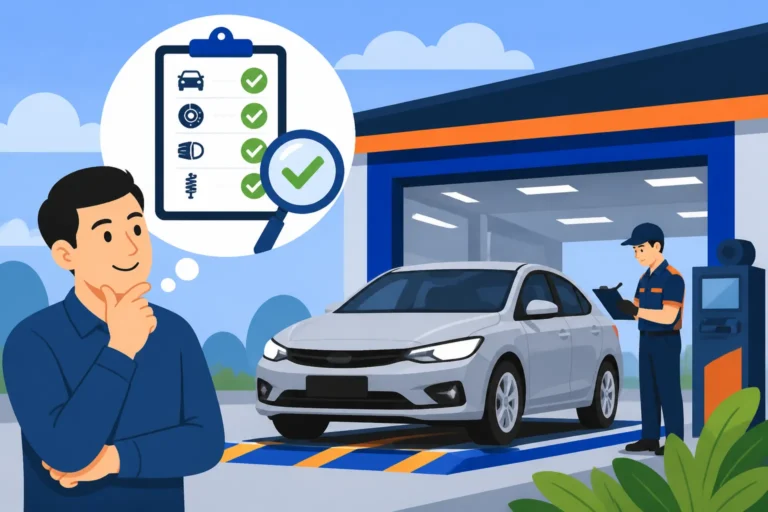
Vehicle Inspection: NEVER buy a used car without a comprehensive inspection. If buying from a dealer, ask for a recent inspection report. If buying privately, arrange for an independent mechanic to inspect the car. You can also take the car for a Puspakom inspection, which is a mandatory vehicle inspection centre in Malaysia. While primarily for commercial vehicles and ownership transfers, a voluntary inspection for a private car buyer gives you a detailed report on the vehicle's roadworthiness, structural integrity, and identification details. Getting this done means you'll have an unbiased assessment of the vehicle's condition. The cost of this inspection is a small price to pay for peace of mind.
-
Checking Car History: Ask for the car's service records. Check the chassis and engine numbers against the registration card to ensure they match. Be vigilant about accident history – sometimes cars that have been in major accidents are repaired and resold without full disclosure. Websites like MyCarInfo (developed by the General Insurance Association of Malaysia, PIAM) can sometimes provide basic vehicle history based on insurance claims.
-
Negotiation: Malaysians love to bargain, and so should you! Don't accept the first price offered. Be polite but firm. Point out any flaws or issues found during the inspection to justify a lower price. If buying from a private seller, understand their motivation (e.g., urgent sale) which can give you leverage.
-
Ownership Transfer (Geran/VOC): This is the most crucial step. The car's ownership must be transferred into your name at the JPJ (Jabatan Pengangkutan Jalan). Both buyer and seller must be present or have proper authorisation forms if one cannot attend.
- JPJ Form K3: This is the form for individual vehicle ownership transfer. Both buyer and seller need to sign it.
- Original Vehicle Registration Card (Geran/VOC): The seller must provide the original.
- Identification: Your original passport, i-Kad/Expat ID, and the seller’s IC.
- Fingerprint Verification: At the JPJ, both buyer and seller will need to provide biometric fingerprint verification. This is a crucial security measure to prevent fraudulent transfers.
- Road Tax and Insurance: Before the transfer is complete, you must ensure the car has valid insurance under your name (and then purchase road tax). You can't process the ownership transfer without valid insurance.
If you’re buying from a used car dealer, they will typically handle this entire process for you, charging a nominal fee for their services. This is a significant convenience for expats navigating the system for the first time. Make sure you get a copy of the new registration card with your name on it! The old Geran has been replaced by the Vehicle Ownership Certificate (VOC) in recent years, but the principle is the same.
Post-Purchase Essentials: Road Tax, Insurance, and Maintenance
Congratulations, you’ve bought your car! But the journey doesn’t end there. Owning a car in Malaysia involves ongoing responsibilities, from keeping your documents current to ensuring your vehicle stays roadworthy.
Understanding Road Tax and Renewals
Road tax (cukai jalan) is an annual fee you pay to the government for the privilege of using public roads.
- Calculation: The cost of road tax in Malaysia depends primarily on the engine capacity (cc) of your vehicle and the type of vehicle (private car, commercial vehicle). It also varies slightly by region (Peninsular Malaysia vs. Sabah/Sarawak). Generally, the larger the engine, the higher the road tax.
- Renewal: Road tax must be renewed annually. You'll also need valid car insurance to renew your road tax. Most people renew both simultaneously. You can renew your road tax at post offices (Pos Malaysia), JPJ offices, or online via MyEG Services. Many insurance companies also offer a combined service where you can renew your insurance and road tax at the same time. You will receive a physical road tax sticker that must be displayed on your car's windscreen. Neglecting to renew your road tax can lead to hefty fines and even vehicle impoundment. For more specific details on costs, check out How Much Is Road Tax for a Car in Malaysia?.
Insurance Policies for Foreigners
As mentioned, insurance is mandatory. Beyond the initial purchase, you'll need to keep it updated.
- Choosing a Policy: While comprehensive insurance is the most common and recommended, you can also opt for third-party, fire, and theft, or just third-party insurance (only covers damage to other vehicles/property). As a foreigner, especially if you're new to the country, comprehensive coverage is really the wisest choice.
- No-Claim Discount (NCD): This is a discount on your insurance premium if you haven't made any claims in the previous year. NCDs accumulate over time, typically up to a maximum of 55%. If you have an NCD history from your home country, some international insurers might be able to transfer it, but this is rare for local Malaysian policies. Don't be surprised if you start at 0% NCD.
- Renewal: Like road tax, car insurance needs annual renewal. You'll typically receive reminders from your insurer. It's advisable to shop around for quotes each year, as premiums can vary between companies.
Routine Maintenance and Servicing
Malaysian roads and climate can be tough on cars, so regular maintenance is key to keeping your vehicle running smoothly and safely.
- Service Intervals: Most manufacturers recommend servicing every 10,000 km or six months, whichever comes first. Follow your car's manual for specific recommendations.
- Finding a Workshop: For new cars, stick to authorised service centres during the warranty period. For used cars, finding a trustworthy independent workshop can save you money. Ask for recommendations from other expats or local friends. Look for workshops that provide clear invoices and explain the work needed.
- Common Issues: Be mindful of issues common in Malaysia, such as air-conditioning problems (due to the heat and humidity), tyre wear (due to rough roads and high temperatures), and battery degradation. Regular checks on these components are crucial.
Beyond the Purchase: Driving and Owning a Car in Malaysia
Now that you're a car owner, let's talk about actually driving it and integrating into Malaysian road culture. It's an adventure, to say the least!
Converting Your Driving Licence
You might have driven for decades back home, but your foreign licence has limitations in Malaysia. While some foreign licences are accepted for a period (e.g., three months), it's highly recommended, and legally required for long-term residents, to convert it to a Malaysian driving licence.
- The Conversion Process: This typically involves presenting your valid foreign driving licence, an official translation (if not in English), your passport, visa/i-Kad, and proof of address at a JPJ office. You might need to obtain an endorsement letter from your home country's embassy or high commission. The process is relatively straightforward but can involve some waiting time.
- International Driving Permit (IDP): An IDP is often used for tourists or short-term visitors (typically valid for one year) and allows you to drive legally with your home country's licence. However, for long-term residents, converting your licence is the way to go. You can find detailed steps in Driving in Malaysia: Licences, Registration and Rules for Expats (2027).
Common Road Rules and Driving Culture
Driving in Malaysia is an experience. It’s a mix of disciplined drivers and those who interpret road rules rather creatively.
- Left-Hand Traffic: Malaysia drives on the left-hand side of the road, similar to the UK, Australia, and Singapore.
- Motorcycles: Be extremely vigilant around motorcycles. They weave through traffic, often appear from blind spots, and are a constant presence. Always check your mirrors and blind spots.
- Speed Limits: Posted speed limits are generally 110 km/h on expressways, 90 km/h on federal roads, and 60 km/h in urban areas. Speed cameras (AES – Automated Enforcement System) are common and strictly enforced.
- Toll Roads: Many expressways are toll roads. You’ll need a Touch 'n Go card or an RFID tag for cashless payment. You can purchase and reload Touch 'n Go cards at convenience stores, petrol stations, and toll plazas.
- Parking: In cities, parking can be a challenge. Look for designated parking bays. In many areas, you'll need to pay for parking via apps (e.g., EzPark, JomParking) or by buying parking coupons from local shops.
- The "Honk": A quick, polite honk is often used as a warning or to signal presence, not necessarily anger. However, aggressive honking does exist!
It's a learning curve, but once you get the hang of it, having your own car truly opens up Malaysia, from exploring the vibrant street art of Penang to the pristine beaches of Langkawi. Having your own transport also means you can choose more remote and charming accommodation options off the beaten path that might not be easily accessible via public transport.
Comparative Look: New vs. Used Car Buying for Foreigners
To help you summarise, here's a quick comparison of buying new versus used:
| Feature/Aspect | Buying a New Car | Buying a Used Car |
|---|---|---|
| Initial Cost | Higher purchase price | Lower purchase price |
| Depreciation | Significant in the first few years | Already absorbed much of the depreciation |
| Financing | Generally easier to secure loans (if credit history is present) | Can be slightly harder for older cars; often requires higher down payment |
| Warranty | Full manufacturer's warranty (3-7 years) | Limited or no warranty (unless from reputable used dealer) |
| Condition | Pristine, no prior damage | Varies greatly; may have wear and tear or minor issues |
| Paperwork Process | Mostly handled by dealership, smoother | More involvement needed from buyer, especially for private sales |
| Documentation | Standard personal & financial documents | Same, but verification of car history is crucial |
| Resale Value | Dependent on brand & model; usually good for local makes | Varies based on age, condition, and market demand |
| Required Inspections | N/A (brand new) | Highly recommended (independent mechanic, Puspakom) |
Getting around and staying connected during your car search is so important. Make sure you have a reliable mobile data plan. For instance, before I got my long-term local SIM, I relied heavily on an eSIM from Airalo to navigate unfamiliar areas and communicate with sellers and banks. It truly made a difference in those early days. And speaking of getting set up in Malaysia, while not directly related to car buying, remember that setting up your entire life here involves many big decisions. If you're thinking about moving household items or just need general relocation advice, resources like Sirelo can be incredibly helpful for comparing moving companies and services.
Disclaimer
The information provided in this guide is for general informational purposes only and does not constitute legal, financial, or professional advice. While we strive to keep the information accurate and up-to-date, regulations and procedures in Malaysia can change frequently. Always consult with relevant government authorities (e.g., JPJ, Immigration Department), financial institutions, and legal professionals for advice tailored to your specific situation before making any decisions related to car purchases or residency in Malaysia.