How Do I Get a Puspakom Inspection for My Car in Malaysia?
Ah, the infamous Puspakom inspection! If you're an expat in Malaysia, you've probably heard hushed whispers or outright groans about it. It’s one of those uniquely Malaysian administrative hurdles that can feel utterly bewildering, especially when you’re trying to navigate local regulations with a foreign understanding. This guide is here to demystify the entire Puspakom process, offering you a clear, step-by-step roadmap so you can get your car inspected without losing your sanity or your sabar (patience).
Understanding Puspakom and Why It's Essential in Malaysia
When you first hear about Puspakom, you might think it's just another government agency designed to make your life difficult. But in reality, it serves a crucial purpose: ensuring vehicle safety and compliance on Malaysian roads. It's an integral part of maintaining roadworthiness, and as a car owner or prospective owner, you’ll inevitably cross paths with them.
What Exactly is Puspakom?
Puspakom Sdn Bhd is Malaysia's only computerised vehicle inspection company, appointed by the Malaysian government. Think of them as the gatekeepers of road safety. Their job is to conduct comprehensive inspections on all types of vehicles – from private cars to commercial lorries – to ensure they meet the stringent safety and environmental standards set by the Road Transport Department (JPJ). They don't do repairs, they just inspect. This single-entity system means there's no shopping around; if your car needs an inspection, it has to go through Puspakom. It can feel like a bottleneck sometimes, but it’s the system we expats, and locals alike, have to work with.
Why Do Foreigners Need Puspakom Inspections?
As an expat, you might encounter Puspakom for several key reasons, and understanding these scenarios is half the battle won. It’s not just a one-off thing; different situations trigger the need for an inspection.
Firstly, and most commonly, if you're buying a used car in Malaysia, a Puspakom inspection is absolutely mandatory for the transfer of ownership. This is officially called a "B5 Inspection" (for transfer of ownership) and ensures that the vehicle being sold is legitimate, structurally sound, and matches its documentation before it changes hands. Believe me, you don't want to buy a lemon, and this inspection offers a layer of protection, verifying the vehicle's identity and basic roadworthiness.
Secondly, if you're renewing your road tax for certain types of vehicles, especially commercial ones or those that are significantly older, Puspakom might be required for a "B1/B2 Inspection" (for annual roadworthiness). While private vehicles under a certain age often get a pass, if you own something a bit more unique or vintage, be prepared for this annual ritual.
Thirdly, for those adventurous souls who import their personal vehicle into Malaysia, Puspakom plays a critical role. An imported vehicle, whether you brought it in with your household goods via a shipping company like Sirelo or purchased it from an overseas dealer, must undergo a "Puspakom E-Daftar" inspection before it can be registered and deemed road-legal in Malaysia. This process is far more stringent, checking everything from compliance with local emissions standards to structural integrity. It's a comprehensive check to ensure foreign vehicles meet Malaysian requirements.
Lastly, though less common for most expats, Puspakom also conducts specific inspections for insurance claims, modifications, and even accident assessments. So, while you might not have to deal with them regularly, knowing their role is vital for any vehicle owner in Malaysia. It’s just one of those administrative hoops we jump through to keep things moving.
Navigating the Puspakom Inspection Process: A Step-by-Step Guide for Expats
Alright, so you know why you need to go to Puspakom. Now, let’s get down to the nitty-gritty of how to actually do it. It can feel daunting, but breaking it down makes it much more manageable.
Preparing Your Vehicle and Documents
Preparation is key to a smooth Puspakom experience. Turning up unprepared will only lead to delays and potential frustration. This happens more often than many people expect.
First things first, gather your documents. You'll need your original vehicle grant (also known as the Vehicle Registration Card or VRC). This is the official document confirming your car's registration and ownership. If you don't have the original, you'll need to sort that out with JPJ first. You’ll also need your identification – usually your passport and your Malaysian driving license or a valid international driving permit. For foreign-registered vehicles, bring all original import documents and customs clearance papers. If there are any previous inspection reports, bring those along too. It's always best to have too many documents than too few.
Next, give your car a good once-over. Puspakom inspections are thorough. Check all your lights – headlamps, tail lights, brake lights, signal lights, hazard lights. Make sure your wipers are working. Top up all fluids (engine oil, brake fluid, coolant, washer fluid). Check your tires for adequate tread depth and correct pressure. Ensure your horn works. While they don't scrutinize interior cleanliness, a tidy car always leaves a better impression. Importantly, ensure your window tinting complies with Malaysian regulations; overly dark tints are a common reason for failure. Also, check for any visible damage or modifications that might not be street-legal. They will check your chassis and engine numbers, so make sure they are accessible and legible. It's a bit like preparing for an MOT or annual vehicle inspection back home, but with a Malaysian flavour.
Booking an Appointment vs. Walk-in
This is where planning truly comes into play. For years, walk-ins were the norm, leading to notoriously long queues and wasted hours under the scorching Malaysian sun. Thankfully, things have improved dramatically with online booking.
The best way to get an inspection done is by booking an appointment through the MyPuspakom portal. This system allows you to select your preferred branch, date, and time slot. The benefits are immense: significantly shorter waiting times, the ability to plan your day, and generally a much less stressful experience. You'll need an internet connection and a way to navigate to the portal; having a reliable mobile data plan, perhaps through an eSIM provider like Airalo, can be a lifesaver for booking on the go or checking your appointment details if you're out and about. Once you've booked, you'll receive a confirmation, which you should print or have ready on your phone.
While walk-ins are still accepted at some branches, they are typically on a first-come, first-served basis and subject to availability. You could be waiting for hours, only to be turned away if the slots are full. My strong advice to any expat is: always book an appointment. It saves time, energy, and a significant amount of frustasi.
The Inspection Day Experience
Alright, you’ve prepped your car, booked your slot, and now it’s D-Day. Head to your chosen Puspakom centre a little bit before your appointment time. Parking can sometimes be a challenge at busier centres, so factor that in.
Once you arrive, you’ll usually be directed to a counter to register. This is where you hand over your documents and make payment for the inspection. The fees are standardized across all branches, so there are no surprises there. Once registered, you'll be given a queue number or directed to a specific bay. You'll then drive your car into the inspection bay when called.
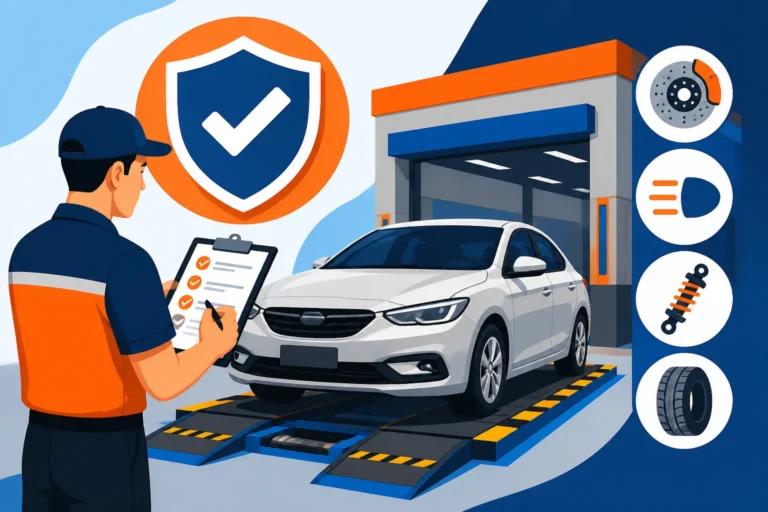
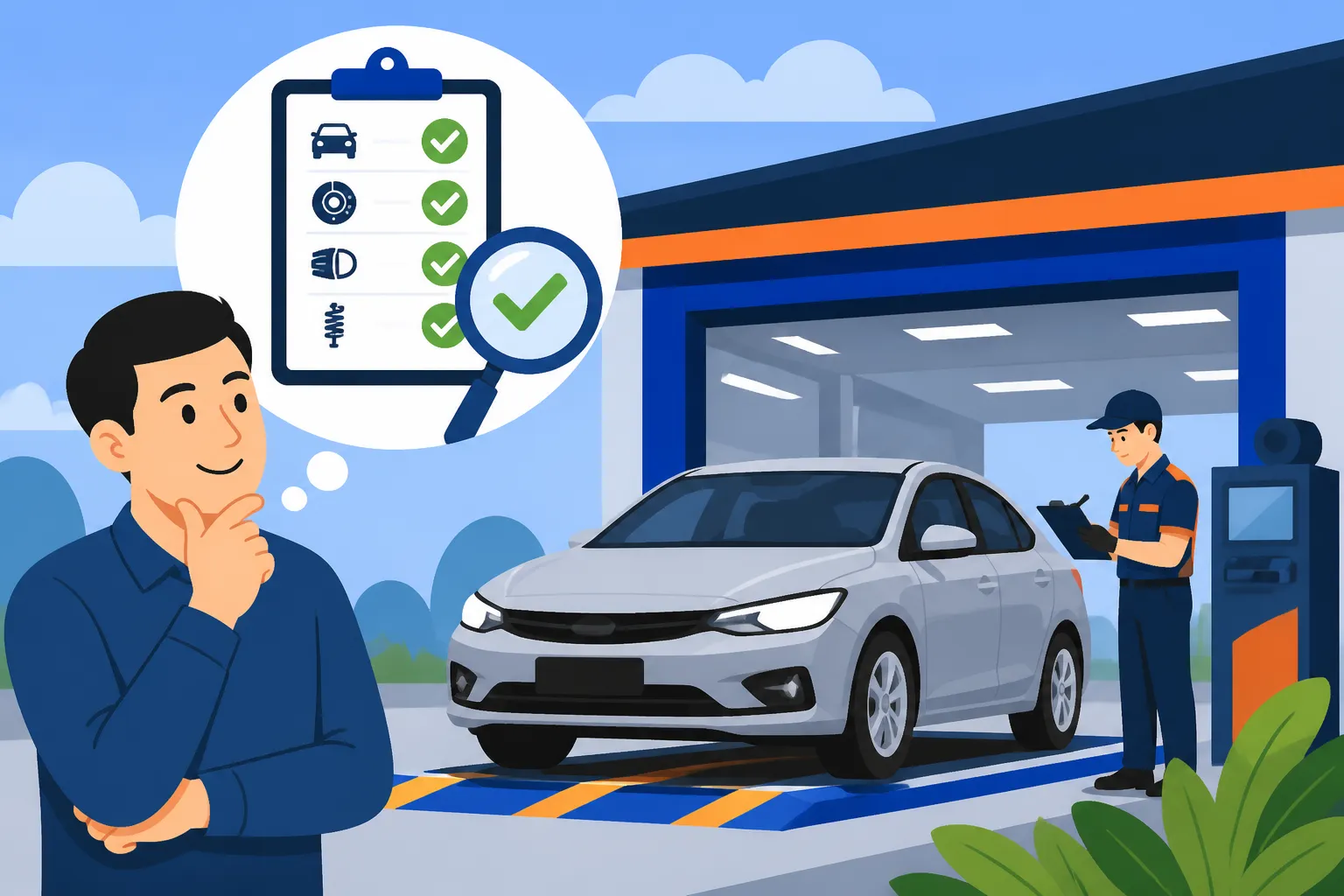
The actual inspection process is quite automated and efficient. Technicians will guide you through different stations:
- Visual Inspection: Checking lights, wipers, bodywork, tires, seatbelts, and overall condition.
- Under Carriage Inspection: Your vehicle will be driven over a pit or raised on a hoist to check the chassis, suspension, steering, and exhaust system for damage or leaks.
- Brake Test: Your car's brakes will be tested on a roller dynamometer to check their efficiency and balance.
- Side Slip Test: To check wheel alignment.
- Emission Test: To measure exhaust gas levels.
- Tinted Window Test: To ensure your window tinting complies with legal visibility limits.
- Vehicle Identity Check: They’ll verify the engine and chassis numbers against your vehicle grant.
Throughout this, you'll generally wait in a designated area. The whole process, assuming you have an appointment and your car is in good order, usually takes about 30-45 minutes. Once the inspection is complete, you'll receive a report. If your vehicle passes, you’ll get a clean bill of health, and the report will be electronically submitted to JPJ, making the next steps (like ownership transfer or road tax renewal) much smoother. If it’s a conditional pass or a fail, well, that’s where the next section comes in.
Common Reasons for Failing a Puspakom Inspection and How to Rectify Them
Nobody wants to fail, especially when it means more hassle and another trip to Puspakom. But it happens, and it’s important to understand why and what to do next. It's often for reasons that are easily fixed, but sometimes it can be a real headache.
Key Inspection Areas and What They Check
Puspakom inspectors are looking at a lot, so it's good to know their hotspots. The common culprits for a failed inspection often revolve around safety and environmental standards.
- Brake System: This is a big one. Uneven braking, low brake fluid, worn brake pads, or a faulty handbrake will almost certainly lead to a fail. They test both efficiency and balance, meaning all wheels need to brake effectively and uniformly.
- Exhaust Emissions: Malaysia takes its air quality seriously. High levels of carbon monoxide, hydrocarbons, or excessive smoke will result in a failure. This often points to engine tuning issues, a clogged air filter, or problems with the catalytic converter.
- Undercarriage: Rust, leaks (oil, coolant, transmission fluid), damaged suspension components (shocks, bushings), loose steering parts, or a corroded exhaust pipe are red flags. The structural integrity of the chassis is paramount.
- Lights and Electricals: Any non-functional light (headlight, tail light, brake light, turn signal, hazard lights) is an immediate failure. Also, faulty wiring, a non-functional horn, or missing reflectors can cause issues.
- Tires and Wheels: Worn-out tires with insufficient tread depth, uneven wear, cracks, or bulging sidewalls are dangerous and will fail. They also check for mismatched tires or excessively large/small wheel sizes that might not be legal.
- Window Tint: The transparency of your car windows is strictly regulated. If your tint is too dark (below 70% VLT for the front windscreen and front side windows, and 50% for rear side windows and rear windscreen), you'll need to remove or lighten it. This is a very common failure point for expats new to the rules.
- Vehicle Identity: They rigorously check the chassis number (VIN) and engine number to ensure they match the vehicle grant and haven't been tampered with. Any discrepancy here is a major red flag and will require further investigation with JPJ.
- Modifications: Unapproved or unsafe modifications to the engine, suspension, or bodywork can lead to a failure. For instance, excessively lowered cars or cars with aftermarket parts that obstruct visibility or pose a safety risk.
Dealing with a Failed Inspection
So, your report shows a "Fail" or "Conditional Pass." Don't panic, it's not the end of the world, but it does mean more work. The report will clearly list all the deficiencies.
Your first step is to take your vehicle to a reputable mechanic. Explain that you need repairs specifically for a Puspakom re-inspection. Show them the report so they know exactly what needs fixing. This is where having a trusted local mechanic, perhaps recommended by other expats, comes in handy. They'll know the Puspakom standards well.
You have a grace period to get the issues rectified and return for a re-inspection. Typically, this is 30 days. If you go beyond this period, you might have to pay for a full inspection again, rather than just a re-inspection of the failed items. The re-inspection fee is usually lower than the initial full inspection fee, provided you return within the stipulated time.
When you return for the re-inspection, you'll only be tested on the items that failed previously. However, they will still conduct a basic visual check of the entire vehicle. Ensure all repairs are properly done and your car is in good condition. Once you pass the re-inspection, you’ll receive your approval, and you can breathe a sigh of relief! It's an extra step, but ultimately, it’s for your safety and the safety of others on the road.
Costs and Practical Tips for a Smooth Puspakom Experience
Dealing with vehicle inspections can be tiresome, but a little foresight can save you a lot of grief. Let's talk about the practicalities that make a big difference.
Understanding Inspection Fees
The fees for Puspakom inspections are standardized across all centres in Malaysia, so you won't find one cheaper than another. These fees are regulated, which is a blessing in disguise as it removes any guesswork or haggling.
Here’s a general idea of the costs for common inspection types for private vehicles (do note that these are approximate and subject to change, so always check the latest fees on the official Puspakom website):
| Inspection Type | Purpose | Estimated Fee (RM) | Key Documents Required |
|---|---|---|---|
| Transfer of Ownership (B5) | Mandatory for buying/selling used vehicles | RM 30 | Vehicle Grant (VRC), Seller's IC, Buyer's ID |
| Roadworthiness (B1/B2) | For certain older vehicles or specific renewals | RM 30 | Vehicle Grant (VRC), Owner's ID |
| Hire Purchase (B7) | For vehicles under hire purchase agreements | RM 30 | Vehicle Grant (VRC), Owner's ID, HP Agreement |
| Initial Registration (E-Daftar) | For newly imported or re-registered vehicles | RM 50-70 (approx) | Vehicle Grant (VRC), Import Permit, Customs Clearance |
| Re-inspection | After a failed inspection (within 30 days) | RM 15-20 | Original Puspakom Report, Vehicle Grant (VRC) |
These fees are typically paid directly at the Puspakom centre on the day of your inspection. While the amounts might seem small individually, they add up, especially if you need to return for re-inspections or for more complex vehicle types.
Expat-Specific Tips and Potential Pitfalls
As an expat, you might face unique challenges. Here are some insider tips to help you navigate the Puspakom landscape:
- Language Barrier: While many staff at Puspakom branches, especially in urban areas like Kuala Lumpur, will speak English, it's always helpful to have a basic grasp of Bahasa Malaysia or have a local friend accompany you if you're unsure. This can help clarify instructions or issues with your vehicle. Don't be shy to ask for clarification if something isn't clear.
- Know Your Vehicle: Understand the basics of your car. This isn't about being a mechanic, but knowing where your chassis and engine numbers are, and being aware of any existing issues (like a faulty brake light you've been meaning to fix). This saves time and helps you understand the report better.
- Avoid Middlemen: There might be individuals or small workshops near Puspakom centres offering to "help" you pass the inspection for an extra fee. While it might be tempting to bypass the hassle, it's generally ill-advised. Stick to the official process through the MyPuspakom portal and deal directly with the centre. It’s safer and avoids potential scams or illegal practices.
- Keep Records: Always keep a copy of your Puspakom inspection report, even after your transaction (like ownership transfer) is complete. It's an important document that proves your vehicle's roadworthiness at a specific point in time.
- Connectivity is Key: As mentioned before, for booking appointments and navigating to often unfamiliar locations, having a reliable internet connection is crucial. Consider using a travel eSIM from a provider like Airalo, especially if you're new to Malaysia and haven't sorted out a local SIM card yet. It makes accessing online services much smoother.
- Patience and Politeness: Things can move at a different pace in Malaysia, and unexpected delays can happen. Maintain a polite and patient attitude. A friendly approach goes a long way in getting things done efficiently. Remember, the staff are just doing their jobs.
- Vehicle Import Considerations: If you’re at the stage of importing a vehicle into Malaysia, perhaps you've used an international moving service like Sirelo to bring your car here. Understand that the initial registration inspection (E-Daftar) for imported vehicles is very rigorous. It's often worth consulting with a specialist agent who deals with imported vehicle registrations to ensure all your documentation and vehicle modifications (if any) comply with local standards before you even show up at Puspakom. This can prevent costly rectifications later.
Navigating Puspakom might seem like a chore, but once you understand the process and come prepared, it’s just another step in making your life as an expat in Malaysia run smoothly. Selamat jalan! (Have a good journey!)
Disclaimer
The information provided in this guide is intended for general informational purposes only and does not constitute legal, financial, or professional advice. While every effort has been made to ensure accuracy and provide up-to-date information, regulations and procedures in Malaysia can change without prior notice. Expats are strongly advised to consult official government sources, such as the Puspakom website, the Road Transport Department (JPJ) website, or seek professional assistance for the most current and specific advice pertaining to their individual circumstances. The author and publisher are not liable for any loss or damage arising from reliance on the information contained herein.