Can I Use My International Health Insurance at Malaysian Hospitals?
Arriving at a private hospital in Kuala Lumpur or Penang with a high-tier international insurance card doesn't always mean a seamless "swipe and stay" experience. Many expats face the stressful reality of being asked for a five-figure cash deposit at the ER because their global policy isn't "on the panel" or the insurer hasn't issued a guarantee. This guide clarifies exactly how to use your international coverage to avoid out-of-pocket shocks in Malaysia.
The Reality of International Insurance in Malaysia's Private Hospitals
If you are stepping into a top-tier facility like Gleneagles, Prince Court, or Pantai, you are entering a world of high-efficiency medical care that rivals Western standards. However, these facilities operate as businesses first. When you ask, "Can I use my international insurance?" the answer is technically yes, but the administrative pathway depends entirely on whether your insurer has a direct billing agreement with that specific hospital group.
In the Malaysian context, many international providers work through Third Party Administrators (TPAs). These are local entities that handle the "panel" of doctors and hospitals. If your insurance is recognized, the hospital can bill the insurer directly. If not, you are looking at a "pay and claim" scenario. This distinction is vital because Public vs Private Healthcare in Malaysia: Which Should Expats Choose? often depends on your ability to front the cash for private services while waiting for a reimbursement that could take weeks or months.
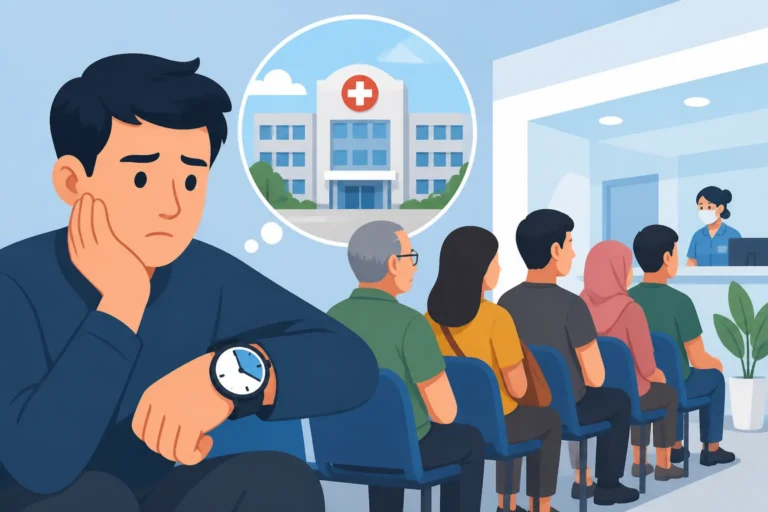
The common frustration for foreigners is the "admission deposit." Even if you have a multi-million dollar global policy, the hospital might still demand a deposit of RM5,000 to RM20,000 upon admission if they cannot verify your coverage immediately. This usually happens during weekends or late at night when your insurance company’s head office in a different time zone is closed. It is a hurdle that veteran expats know all too well, and it highlights why understanding your policy's local network is just as important as the coverage amount itself.
Understanding the Letter of Guarantee (LOG)
The most critical document you will encounter in the Malaysian healthcare system is the Letter of Guarantee (LOG). Think of this as a legal promise from your insurance provider to the hospital, stating that they will cover the costs of your treatment. Without an LOG, you are personally liable for every ringgit spent.
For planned procedures, such as a scheduled surgery or a specialist consultation, getting an LOG is relatively straightforward. You visit the specialist, they provide a medical report and a cost estimate, and you send these to your insurer. Within a few days, the insurer issues the LOG to the hospital. However, Emergency Medical Care in Malaysia: What Every Expat Needs to Know involves a much more chaotic process. In an emergency, the hospital will stabilize you, but they will not move you to a ward or start major procedures until either a deposit is paid or an LOG is received.
This is where digital-first providers like SafetyWing can be incredibly helpful for those who aren't on a traditional corporate plan. SafetyWing is designed for the modern nomad and expat, offering a more streamlined approach to claims and documentation that acknowledges the reality of being far from home. When dealing with the paperwork, ensure you have your passport, your insurance membership card, and a digital copy of your policy wording ready on your phone. The hospital’s "International Patient Centre" (usually found in larger private hospitals) will be your best friend here. They specialize in navigating these exact administrative hurdles for foreigners.
Why Government Hospitals Rarely Accept International Insurance
It is a common misconception that an international policy provides equal access to Malaysia’s public healthcare system. While the government facilities are excellent and staffed by the country's top specialists, they are primarily funded for the benefit of Malaysian citizens. Foreigners are charged a different, significantly higher fee structure.
If you find yourself at a Klinik Kesihatan or a major government hospital like Hospital Kuala Lumpur (HKL), do not expect to hand over an insurance card and walk away. Public hospitals almost exclusively operate on a "cash-only" basis for foreigners. You will be expected to pay at the counter after every consultation or before any procedure. Understanding Foreigner Medical Fees at Malaysian Government Hospitals is essential because these costs, while lower than private sector prices, can still be substantial for major surgeries or long-term stays.
Your international insurance is still useful here, but only as a reimbursement tool. You must pay the bill in full, collect every single receipt (official receipts are usually small, hand-stamped slips of paper), and then submit them to your insurer later. Most international insurers will cover these costs because they are generally cheaper than private hospital rates, but the burden of the initial payment remains with you. If you are on a tight budget or lack significant savings, relying on a public hospital with the hope of using your insurance could lead to a financial bottleneck. This is why many expats choose to Access Care at a Private Hospital Group Like Pantai or Gleneagles where the direct billing infrastructure is more robust.
| Feature | Private Hospital (e.g., Sunway Medical) | Government Hospital (e.g., HKL) |
|---|---|---|
| Direct Billing | Possible if they are on the "Panel" | Almost Never |
| Upfront Deposit | Required if LOG is not ready | Required for all foreigners |
| Insurance Coordination | Dedicated International Patient Desk | Patient must handle all paperwork |
| Wait Times | Minimal to moderate | Can be very long for non-emergencies |
| Cost | High (RM 300+ for consultation) | Moderate (RM 40+ for consultation) |
Navigating Outpatient vs. Inpatient Claims
Another trap many foreigners fall into is the difference between an overnight stay and a quick clinic visit. Most international health insurance policies are designed to cover "inpatient" care—situations where you are admitted to a hospital bed. "Outpatient" care, such as visiting a GP for a fever or getting a quick X-ray, is often either not covered or subject to a high deductible.
When you Find and Register with a General Practitioner (GP) in Malaysia, you will notice that private clinics are everywhere. A visit might only cost RM50 to RM150. Most expats don't even bother trying to use their international insurance for these small amounts because the paperwork is more trouble than it’s worth. However, if you have a chronic condition requiring regular specialist visits, those costs add up.
Understanding Outpatient vs Inpatient Care and Billing in Malaysia is crucial because many private hospitals will try to admit you for "observation" to ensure the insurance covers the bill. While this seems helpful, if the insurance company later decides the admission wasn't "medically necessary," they might reject the claim entirely, leaving you with a massive bill. Policies like those offered by SafetyWing are often preferred by long-term travelers because they offer clear guidance on what constitutes a valid emergency versus a routine visit, helping you avoid these "gray area" billing disputes.
Actionable Steps for Using Your Insurance Successfully
To ensure you aren't left stranded at the hospital reception, there are several proactive steps you should take the moment you move to Malaysia. Do not wait for a medical crisis to figure out how your policy works in a local context.
First, contact your insurance provider and ask for their "Malaysian Panel List." This is a list of hospitals where they have a direct billing agreement. If your favorite hospital isn't on that list, you need to be prepared to pay upfront. Second, always keep a "Medical Emergency Fund" in a local Malaysian bank account. Even with the best insurance, having RM10,000 in cash ready to go can be the difference between immediate treatment and a long, stressful wait at the ER.
Third, make sure you know What Documents Do I Need to See a Doctor in Malaysia as a Foreigner?. Generally, this includes your passport (or a very high-quality color copy), your insurance card, and any previous medical records if you have a pre-existing condition. If you are using a more flexible, modern option like SafetyWing, download their mobile app and ensure you have your policy number saved in your phone's digital wallet.
Finally, if you are working in Malaysia, check your employer's coverage. Many expats find it easier to Register at a Panel Clinic Through My Employer in Malaysia for minor issues and save their international insurance for catastrophic events or medical evacuation. This "dual-layer" approach is common among veteran expats who want the convenience of local direct billing for flu shots and the security of a global policy for major illnesses.
Handling Denied Claims and Disputes
Even with everything in order, disputes can happen. The most common reason for an international insurance claim being denied in Malaysia is the "pre-existing condition" clause. Malaysian doctors are very thorough in their reporting, and if they mention that a symptom started before your policy inception, the insurer will likely reject the claim.
If your claim is denied while you are still in the hospital, the International Patient Centre can sometimes act as a mediator, but their power is limited. You will likely have to pay the bill yourself and then enter a formal appeal process with your insurer. This is where having a reputable provider like SafetyWing becomes an advantage; they have a dedicated support system to help you understand why a claim was flagged and what additional medical evidence is needed to rectify the situation.
Remember that healthcare in Malaysia is highly regulated. If you feel a private hospital has overcharged you or acted unethically, you can lodge a complaint with the Malaysian Medical Council or the Ministry of Health. However, these processes are slow. The best defense is a clear understanding of your policy's limits before you ever need to use it. Knowing How to Choose a Private Hospital in Kuala Lumpur based on their reputation for handling international insurance can save you countless headaches down the road.
Summary Checklist for International Insurance Users
Before you head to any medical facility in Malaysia, run through this quick mental checklist to ensure you are prepared for the administrative side of healing:
- Is it an Emergency? If yes, head to the nearest private ER, but be ready to pay a deposit while they verify your insurance.
- Is the Hospital on your Panel? Check your insurance app or call the hospital's International Patient Centre.
- Do you have an LOG? For non-emergencies, never proceed with surgery or admission until you have the physical or digital Letter of Guarantee.
- Is your Passport ready? No hospital in Malaysia will treat a foreigner (outside of life-saving stabilization) without seeing a valid passport or visa.
- Have you checked your Outpatient limits? Avoid the surprise of a rejected RM500 specialist bill by knowing your deductible.
By following these steps and maintaining a realistic expectation of the "cash-first" nature of the public system, you can navigate the Malaysian medical landscape with confidence. Whether you are using a corporate giant or a nomad-friendly option like SafetyWing, the key is preparation and local knowledge.
Disclaimer
The information provided in this guide is for informational purposes only and does not constitute medical, legal, or financial advice. Healthcare regulations and insurance policies in Malaysia are subject to change. Always verify current requirements with the Malaysian Ministry of Health and your specific insurance provider before seeking medical treatment.