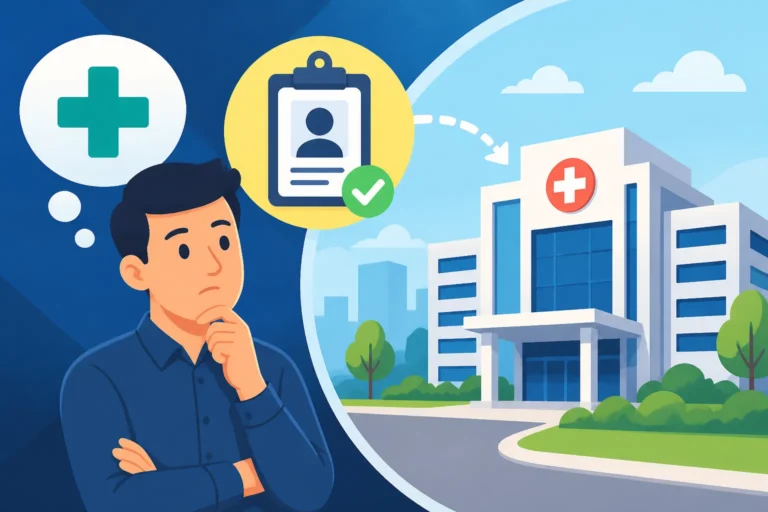
Do MM2H Visa Holders Get Access to Malaysian Healthcare?
Navigating the complexities of medical care while living abroad can be an overwhelming source of anxiety, especially when you are planning to spend your golden years in a new country. Many prospective retirees worry that their visa status might leave them stranded in a medical emergency or facing astronomical bills. This guide clarifies exactly how Malaysia My Second Home (MM2H) visa holders access the Malaysian healthcare system, from public hospital regulations to private sector expectations.
Understanding the Healthcare Landscape for MM2H Holders
One of the most common misconceptions I hear from newcomers is that holding an MM2H visa grants you the same subsidized healthcare access as a local Malaysian citizen. In reality, the system is bifurcated, and your experience will differ significantly depending on whether you step into a government-run facility or a glitzy private medical center. As an MM2H holder, you are legally entitled to use any healthcare facility in the country, but the financial structure behind that access is what you really need to prepare for.
Malaysia is home to one of the most efficient healthcare systems in Southeast Asia, but it operates on a two-tier system. The public sector is heavily funded by the government and serves the local population for nominal fees. The private sector, while more expensive, is where most expats find themselves because of the speed of service and the high standard of English-speaking staff. When you first arrive on your visa, you might feel a bit lost between these two worlds, but understanding the Navigating the Malaysian Healthcare System: An Expat's Roadmap (2027) is the first step toward peace of mind.
Public vs. Private Access for MM2H Participants
Technically, yes, you can walk into any government hospital, such as Hospital Kuala Lumpur (HKL) or Hospital Sultanah Aminah in Johor Bahru. However, the government has a specific fee schedule for non-citizens. While locals might pay RM1 for an outpatient visit, as an MM2H holder, you will be charged the "Foreigner Rate." These rates are still generally more affordable than private care in Western countries, but they are significantly higher than what locals pay.
The private sector is where Malaysia truly shines for the international community. Hospitals like Gleneagles in Ampang or Island Hospital in Penang feel more like five-star hotels than clinical institutions. For most MM2H holders, the private sector is the default choice because it bypasses the grueling wait times often found in the public system. You can often see a specialist on the same day without a referral, which is a luxury many of us from the UK or Canada aren't used to. If you are curious about specific providers, The Expat Guide to Choosing a Private Hospital in Malaysia (2027) offers a deeper dive into how to pick the right facility for your specific needs.
The Mandatory Health Insurance Requirement
When you apply for the MM2H visa, or when you go to renew it, the Malaysian government requires you to have a valid medical insurance policy. This isn't just a suggestion; it is a prerequisite for your pass endorsement. For those under a certain age (usually 60, though policies change), this means buying a local or international medical plan that covers inpatient care. If you are older and find it difficult to secure traditional insurance due to age or pre-existing conditions, the government sometimes allows for a waiver, provided you can prove you have the financial means to self-fund your medical expenses.
Newcomers moving here are often advised that even if you have local coverage, having a flexible international option like SafetyWing can be a lifesaver if you plan to travel around the region during your residency. While your local Malaysian plan might cover you beautifully in a ward in KL, it might not help if you’re exploring temples in Cambodia or visiting family back home. SafetyWing provides that bridge of coverage that many MM2H holders appreciate for its nomadic flexibility.
Navigating the Cost of Care: Public Fees and Private Reality
Money is usually the biggest stressor when healthcare comes up in expat circles. I’ve sat in plenty of coffee shops in Bangsar hearing horror stories about hospital deposits. To avoid these surprises, you need to be realistic about The Cost of Healthcare in Malaysia: A Complete Breakdown for Foreigners (2026). The public sector is cheap, but it isn't free, and the private sector is efficient, but it requires either a deep pocket or a very robust insurance policy.
One thing many veterans will tell you is that Malaysia’s "foreigner fees" at government clinics are still quite reasonable for minor issues. If you just have a nasty bout of the flu and want a quick check-up, heading to a local Klinik Kesihatan is an option, though you should expect to spend a few hours waiting. For anything serious, however, the price gap between public foreigner rates and private hospital rates narrows, making the private sector much more attractive for the level of comfort provided.
Government Hospital Charges for Foreigners
If you decide to go the public route, you must be prepared to pay upfront. Unlike citizens, foreigners are required to pay a deposit upon admission to a government hospital. For a medical ward, this can be several thousand Ringgit. The daily room rates and surgical fees are also tiered. While a citizen might pay RM30 for a surgery, a foreigner could be looking at RM2,000 to RM5,000 for the same procedure.
It is also important to note that Understanding Foreigner Medical Fees at Malaysian Government Hospitals is crucial because these rates are subject to change. The Ministry of Health occasionally updates the "Fees Act" which dictates these prices. Even with these higher rates, the public sector remains the only place in Malaysia that provides certain highly specialized treatments or rare medications at a price that doesn't feel like a ransom.
Why Most MM2H Holders Choose Private Hospitals
The decision usually comes down to three things: speed, communication, and comfort. In a private hospital like Pantai Hospital Kuala Lumpur, almost every staff member, from the security guard to the chief surgeon, speaks fluent English. This eliminates the terrifying possibility of a language barrier during a medical crisis. Furthermore, the wait times for elective surgeries—like knee replacements or cataract removals—are measured in days, not the months or years common in public systems.
For many of us living here, we utilize Understanding the Difference Between GP Clinics and Hospitals in Malaysia to manage our daily health. For a simple cough or a prescription refill, we visit a neighborhood GP. For anything requiring an X-ray or a specialist, we head straight to the private hospital's outpatient wing. This hybrid approach keeps costs manageable while ensuring we get high-quality care quickly.
| Feature | Public Hospitals (Foreigner Rate) | Private Hospitals (Standard Rate) |
|---|---|---|
| Outpatient Consultation | RM 40 – RM 150 | RM 150 – RM 400 |
| Wait Times | Can be several hours to months | Usually same-day or within a week |
| Facility Quality | Functional, often crowded | High-end, private rooms common |
| Staffing | Excellent doctors, busy nurses | High nurse-to-patient ratio |
| Payment | Cash/Card (Deposit required) | Insurance/Cash (Guarantee Letter preferred) |
Insurance Solutions for MM2H Participants
Finding the right insurance is probably the most tedious part of the MM2H administrative process. The market is flooded with "Panel Clinics" and "Guarantee Letters," terms that can make your head spin. Essentially, you have two choices: a local Malaysian plan or an international expat plan. Each has its pros and cons, and your choice will likely depend on how much of the year you actually spend in Malaysia.
If you are a true "global soul" who spends six months in Malaysia and the rest of the year traveling, a local plan might feel too restrictive. This is where services like SafetyWing come into play, offering a more modular approach to health coverage that isn't strictly tied to a single country's borders. For many MM2H holders who are still active travelers, this flexibility is a major selling point.
Local vs. International Coverage
Local insurance plans are often cheaper and are designed specifically to work with the Malaysian hospital network. They use a "cashless" system where the hospital communicates directly with the insurer via a Guarantee Letter (GL). This means you don't have to pay a RM20,000 bill out of pocket and wait for reimbursement. However, these plans often have strict "lifetime limits" and may not cover you if you fall ill during a holiday in Thailand or Europe.
On the flip side, international plans offer much higher coverage limits and global portability. They are significantly more expensive but offer the "Rolls Royce" of coverage. If you are trying to figure out How to Use Private Medical Insurance at Malaysian Hospitals, the key is ensuring the hospital you choose is "on-panel" for your specific provider. Most major private hospitals in KL, Penang, and JB accept a wide range of international insurers.
Dealing with Pre-existing Conditions
This is the "elephant in the room" for the MM2H community, as many participants are over the age of 50. Most local insurance providers in Malaysia are quite strict; they will either exclude pre-existing conditions entirely or decline the application if the condition is serious, like heart disease or cancer. If you find yourself in this situation, you have to look into Health Insurance in Malaysia: Local, International and Employer Options Explained to see if there are specialized providers willing to offer a "moratorium" or "full medical underwriting" policy.
For those who are uninsurable due to age or health, the MM2H program does allow for a medical insurance waiver. However, this is a double-edged sword. While it saves you the premium cost, it leaves you "self-insured." In this case, you must maintain a significant emergency fund in a Malaysian bank account to cover potential surgeries or long-term care. It’s a risky path, and it is wise to look for some level of catastrophic coverage, even if it has a high deductible.
Practical Steps for Accessing Medical Care in Malaysia
Once you’ve settled into your new home in Desa ParkCity or Tanjung Bungah, you should take a day to physically visit the nearest private hospital. Don’t wait for an emergency to figure out where the A&E entrance is. Familiarize yourself with their registration process and check if they have your insurance on file. Being proactive is the hallmark of a savvy expat.
I’ve found that the best way to handle healthcare here is to build a relationship with a local GP. They become your gatekeeper. If you need a specialist, they can recommend someone they trust within the private network, helping you avoid the "trial and error" approach to finding a doctor. If you're moving with family, Understanding Childhood Vaccination Schedules and Requirements in Malaysia is another practical hurdle you’ll want to clear early on by visiting a pediatrician.
Registration and Deposits
When you first visit a private hospital, bring your passport and your MM2H visa. They will create a medical record for you and give you a patient card. In the event of an emergency, having this record already in the system saves precious minutes. You should also ask about their deposit policy for admissions. Even with insurance, some hospitals require a small credit card authorization or a cash deposit until the Guarantee Letter from your insurer is processed.
If you are wondering How to Register as a Patient at a Government Hospital in Malaysia, the process is similar but requires more patience. You’ll need to visit the registration counter (Pendaftaran) with your passport. You will be issued a "Foreigner" registration number. Keep in mind that payment in government hospitals is often cash-only or via local Malaysian debit cards, so don't rely solely on an international credit card.
Choosing Your Medical Hub (KL vs. Penang vs. Johor)
Where you choose to live in Malaysia will dictate your healthcare experience. Kuala Lumpur is the undisputed king of variety, housing specialized centers for everything from oncology to sports medicine. Hospitals like Sunway Medical Centre or Prince Court are world-class. However, Penang is often cited as the better choice for retirees because the hospitals are more concentrated, and the "Medical Tourism" infrastructure is incredibly well-developed.
Johor Bahru has also seen a massive influx of high-end medical facilities like Gleneagles Medini, which caters heavily to the expat and Singaporean community. No matter where you land, you won't be far from quality care. For a more detailed look at the emergency side of things, make sure you read Emergency Medical Care in Malaysia: What Every Expat Needs to Know so you aren't scrambling for a phone number when seconds count.
When you're traveling between these hubs or perhaps looking for coverage that transitions with you as you move, SafetyWing can be a great supplemental tool. It’s designed for the modern resident who doesn't necessarily want to be pinned down by the traditional borders of a local insurance policy. In the end, your MM2H journey is about enjoying the lifestyle, and having your health logistics sorted is the only way to do that truly stress-free.
Disclaimer
This guide is intended for informational purposes only and does not constitute legal, financial, or medical advice. Healthcare regulations and MM2H visa requirements in Malaysia are subject to frequent changes by the Malaysian government and the Ministry of Health. Always verify the latest fees, insurance mandates, and hospital policies with official sources or qualified professionals before making decisions regarding your healthcare or visa status.