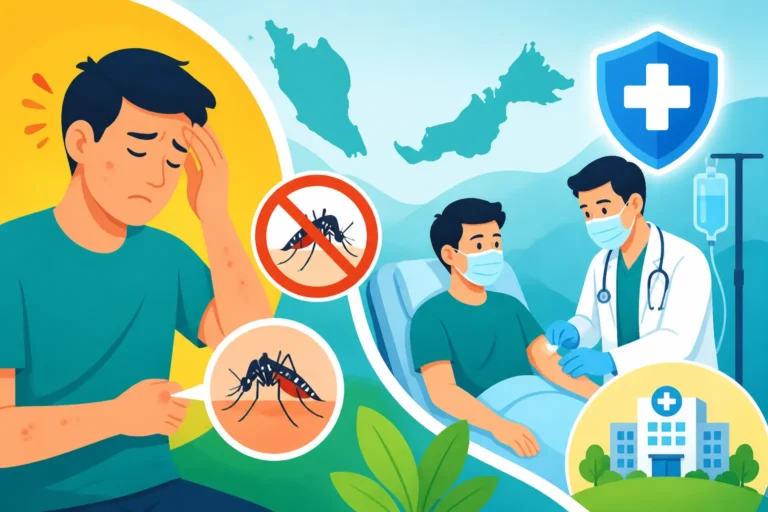
What Health Risks Should Expats Be Aware of in Malaysia?
Moving to Malaysia is an exciting adventure, filled with vibrant culture, delicious food, and stunning landscapes. However, like any new environment, it comes with its own set of health considerations that often catch newcomers off guard. This guide is here to shed light on the key health risks you, as an expat, should be aware of, helping you prepare and navigate your new life with peace of mind.
Tropical Diseases and Vector-Borne Illnesses
One of the most significant adjustments for many expats moving to Malaysia is getting used to the tropical climate and the unique set of diseases that thrive in it. Unlike temperate regions, Southeast Asia battles various vector-borne illnesses that can be quite serious if not properly understood and prevented. It's not about fear-mongering, but about being informed and taking sensible precautions.
Dengue Fever: The Silent Threat
Ah, dengue. This is probably the one disease every expat in Malaysia will either personally experience or know someone who has. It's endemic here, meaning it's consistently present within the population. Caused by the Aedes mosquito, which, infuriatingly, bites during the day, dengue fever presents a wide range of symptoms, from mild flu-like aches and pains to severe, life-threatening conditions like dengue hemorrhagic fever. Many times, it's mistaken for a common cold or flu, delaying proper diagnosis. I've had friends who dismissed their early symptoms only to end up in the hospital a few days later, weak and severely ill.
Prevention is absolutely key because there's no specific cure, only supportive care. This means being diligent about mosquito repellent, especially during daylight hours, wearing long sleeves and trousers when outdoors (though let's be realistic in this heat!), and ensuring your living space is free of stagnant water where mosquitoes breed. Think flowerpot saucers, clogged drains, old tires – even a bottle cap can be a breeding ground. The Ministry of Health runs constant campaigns, but ultimately, personal responsibility goes a long way. If you suspect dengue, don't delay. Head to a clinic or hospital immediately, as early diagnosis and management can prevent severe complications. You can learn more about how to access emergency care in Malaysia by checking out our guide on Emergency Medical Care in Malaysia: What Every Expat Needs to Know.
Other Mosquito-Borne Concerns
While dengue gets the most attention, it's not the only mosquito-borne disease lurking. Though less common for expats in urban areas, diseases like Chikungunya and Zika are also transmitted by the same Aedes mosquito. Chikungunya causes severe joint pain that can linger for months, while Zika, though often mild, poses risks, particularly for pregnant women due to its link to birth defects. Malaysia also has cases of Malaria, though primarily in rural, forested areas rather than major cities like Kuala Lumpur or Penang. If you're planning any adventurous trips into the jungles or remote parts of Borneo, it's wise to consult a travel clinic beforehand about prophylaxis and extra precautions. These are crucial considerations, especially if you're thinking about Understanding Childhood Vaccination Schedules and Requirements in Malaysia for your little ones or even for yourself.
The bottom line is that these tiny insects can pack a punch. Always assume mosquitoes are present and take protective measures. Even a short trip to the grocery store or sitting on your balcony can expose you to bites. Carrying a small bottle of repellent with you, especially one containing DEET, picaridin, or oil of lemon eucalyptus, is a habit worth cultivating.
Food and Water-Borne Illnesses
Another common rite of passage for many expats is the dreaded "Delhi Belly" or traveler's diarrhea. Malaysia's food scene is incredible – a melting pot of Malay, Chinese, and Indian cuisines – but new bacteria and preparation methods can sometimes upset sensitive stomachs. Contaminated food or water can lead to illnesses like typhoid, cholera (though less common now), hepatitis A, and various forms of gastroenteritis. It's not always about dirty stalls; sometimes, it's just your body reacting to unfamiliar microbes.
When you're out exploring the fantastic street food, observe basic hygiene. Look for stalls with high customer turnover, ensuring the food is freshly cooked and hot. Avoid raw or undercooked meats, unpeeled fruits, and salads that might have been washed in untreated water. As for drinking water, tap water in Malaysia is generally treated, but most locals and expats opt to drink filtered or bottled water to be safe. Investing in a good water filter for your home is a smart move. For those moments when you're caught off guard, having some over-the-counter rehydration salts or an anti-diarrhea medication in your travel medical kit can be a lifesaver. Speaking of which, our guide on Prescription Medications and Pharmacies in Malaysia: The Complete Guide offers some excellent advice on what's available locally.
Environmental and Lifestyle Health Risks
Beyond the microscopic threats, Malaysia's environment and the nuances of expat life here present their own unique health challenges that are worth noting. It’s not just about the bugs; it’s about adjusting to a whole new way of living and being aware of the broader impact on your well-being.
Haze, Heat, and Air Quality
One of the most noticeable environmental concerns, particularly for those sensitive to respiratory issues, is the haze. This phenomenon, often originating from agricultural burning in neighbouring countries, can blanket Malaysia, sometimes for weeks or even months. The air quality index (API) can soar into unhealthy levels, leading to irritated throats, coughing, and breathing difficulties. For individuals with asthma, allergies, or other respiratory conditions, it can be particularly severe. I remember one year the haze was so bad, schools were closed for days on end, and visibility was reduced to just a few hundred metres.
Monitoring the air quality index via local news or apps is crucial during haze season (typically between June and October, but can vary). When levels are unhealthy, it’s advisable to stay indoors, keep windows closed, and use air purifiers. Wearing N95 masks when outdoors can offer some protection, but prolonged exposure should be avoided. Beyond haze, the tropical heat and humidity are constant. Dehydration, heat exhaustion, and even heatstroke are real risks, especially for newcomers not accustomed to the relentless warmth. Staying hydrated, wearing light, breathable clothing, and avoiding strenuous outdoor activities during the hottest parts of the day are simple but vital precautions.
Road Safety and Accident Risk
Navigating Malaysian roads can be quite an experience, especially if you’re used to more orderly driving cultures. The traffic can be dense, motorcyclists weave through lanes, and road rules sometimes feel more like suggestions. This higher-than-average road accident rate is a genuine concern for expats, whether you're driving, riding a motorbike, or simply crossing the street as a pedestrian. Many expat friends have shared harrowing tales from the roads, highlighting the unpredictability.
If you plan to drive, thoroughly understand local driving etiquette and laws. Converting your foreign driving licence is essential, but more importantly, cultivate a defensive driving style. Always be aware of your surroundings, anticipate unexpected manoeuvres from other road users, and never assume right-of-way. For those who rely on ride-hailing services like Grab, which are ubiquitous and convenient, ensure your driver is alert and adheres to safe driving practices. When walking, always use pedestrian crossings where available, and even then, make eye contact with drivers before stepping out. Our guide on Driving in Malaysia: Licences, Registration and Rules for Expats (2027) provides a deeper dive into what you need to know.
Adapting to Local Cuisine and Lifestyle Changes
Malaysia is a food paradise, but the rich, spicy, and often oily nature of some local dishes can be a shock to the system for those used to milder diets. While delicious, a sudden switch can lead to digestive issues, weight gain, or even aggravate existing conditions. For example, the widespread use of coconut milk, chillies, and various spices, while flavourful, might not sit well with everyone initially.
Beyond food, the lifestyle changes themselves can have health implications. The heat might lead to less outdoor exercise, the convenience of ride-hailing means less walking, and the vibrant social scene might sometimes involve late nights. It's about finding a balance. Explore the local produce, which is abundant and fresh, and try to incorporate home-cooked meals. Look for opportunities to stay active, whether it's joining a gym, finding an expat sports league, or even just swimming at your condo's pool. Malaysia offers fantastic facilities, so make the most of them! Maintaining a healthy routine amidst all the newness is a challenge, but a rewarding one for your overall well-being.
Chronic Conditions and Healthcare Access Considerations
For many expats, the move isn't just about avoiding new diseases; it's also about ensuring continuity of care for existing health needs. Navigating a new healthcare system can be daunting, but with proper planning, you can ensure your health remains a priority.
Managing Pre-Existing Conditions
If you arrive in Malaysia with a pre-existing condition, whether it's diabetes, hypertension, an autoimmune disorder, or any other chronic illness, your primary concern will be the continuity of your treatment. It's absolutely crucial to do your homework before you move or very soon after arriving. This involves bringing a comprehensive medical history from your previous doctors, including diagnoses, treatment plans, and medication lists. Many expats find private healthcare to be more accessible and English-friendly for managing ongoing conditions. You can read more about it in Public vs Private Healthcare in Malaysia: Which Should Expats Choose?.
You'll need to find a new doctor or specialist who can take over your care. Kuala Lumpur and other major cities boast excellent private hospitals like Pantai Hospital, Gleneagles, and Sunway Medical Centre, which have specialists trained internationally and often speak fluent English. It's wise to book an initial consultation with a General Practitioner (GP) soon after arrival, even if just for a general check-up and to discuss your ongoing needs. Don't forget to ask about sourcing your specific medications; while most common drugs are readily available, some specialized ones might require importation or alternatives. Getting a rapport with a good GP can be key for specialist referrals later, which our guide How Specialist Referrals Work in the Malaysian Health System explains in detail.
Importance of Health Insurance and Emergency Preparedness
This cannot be stressed enough: do not move to Malaysia without comprehensive health insurance. While Malaysia's healthcare is generally more affordable than many Western countries, private hospital bills can still add up, especially for serious illnesses, surgeries, or long-term care. Public hospitals are an option, but foreigners often pay higher rates, and waiting times can be substantial. For routine care, a quick visit to a private GP might be reasonably priced, but anything more significant demands good coverage.
Your employer might provide some level of health insurance, but always understand its scope. Does it cover just you, or your family too? Is it local-only or international? What are the limits, and what's excluded? Many expats opt for supplementary international health insurance plans for peace of mind, knowing they're covered across a wider network and for more eventualities. Companies like SafetyWing offer flexible plans that can be particularly useful for digital nomads or those needing coverage between more permanent solutions. Having adequate insurance means you won't hesitate to seek medical attention when needed, which is vital for early diagnosis and treatment of any health issue. Understanding your insurance plan for covering deposits and outpatient care is also critical; insights are provided in Understanding Hospital Admission and Deposit Requirements in Malaysia and Understanding Outpatient vs Inpatient Care and Billing in Malaysia.
Table: Common Health Risks for Expats in Malaysia & Prevention
| Health Risk | Primary Cause/Vector | Common Symptoms | Key Prevention Strategies |
|---|---|---|---|
| Dengue Fever | Aedes Mosquito | Fever, severe headache, joint pain, rash, nausea, vomiting | Repellent, long clothing, eliminate stagnant water |
| Food & Water-Borne Illnesses | Contaminated food/water | Diarrhea, vomiting, abdominal pain, fever | Drink bottled/filtered water, eat hot/freshly cooked food |
| Haze-Related Respiratory Issues | Air pollution from burning | Cough, sore throat, difficulty breathing, eye irritation | Monitor API, stay indoors, wear N95 masks, air purifiers |
| Heat Exhaustion/Stroke | Prolonged exposure to heat/dehydration | Dizziness, headache, nausea, heavy sweating, confusion | Stay hydrated, wear light clothing, avoid midday sun |
| Road Accidents | Dense traffic, varied driving culture | Injuries from collisions | Defensive driving, use Grab, cross roads carefully, wear helmet |
| Chronic Disease Management | Pre-existing conditions, lack of continuity | Worsening symptoms, complications | Comprehensive medical history, find a good GP/specialist, adequate insurance |
Mental Health and Adjustment Challenges
Finally, let's not overlook mental health. Moving to a new country, no matter how exciting, is incredibly stressful. Culture shock, language barriers, loneliness, adapting to a new job, and being away from your support network can take a significant toll. These factors can lead to increased anxiety, depression, or simply a feeling of being overwhelmed. Many expats struggle with this silently, feeling guilty for not enjoying every moment when others seem to be thriving.
Recognising these feelings is the first step. Malaysia has a growing awareness of mental health, with an increasing number of counsellors and therapists, many of whom are English-speaking. Don't be afraid to seek help. Building a new support network, whether through expat groups, social clubs, or community activities, can also provide a vital sense of belonging. Maintaining routines, getting enough sleep, eating well, and exercising are as important for your mental well-being as they are for your physical health. Remember, it's okay not to be okay, and there's help available. You can find out more about how to access mental health services in Malaysia as an expat in our dedicated article, How to Access Mental Health Services in Malaysia as an Expat. Prioritizing your mental health is just as important as your physical health when embarking on your Malaysian journey.
Disclaimer
The information provided in this guide is intended for general informational purposes only and does not constitute medical advice. While we strive to provide accurate and up-to-date information, healthcare guidelines and recommendations can change rapidly. Always consult with a qualified medical professional for any health concerns or before making any decisions related to your health or treatment.