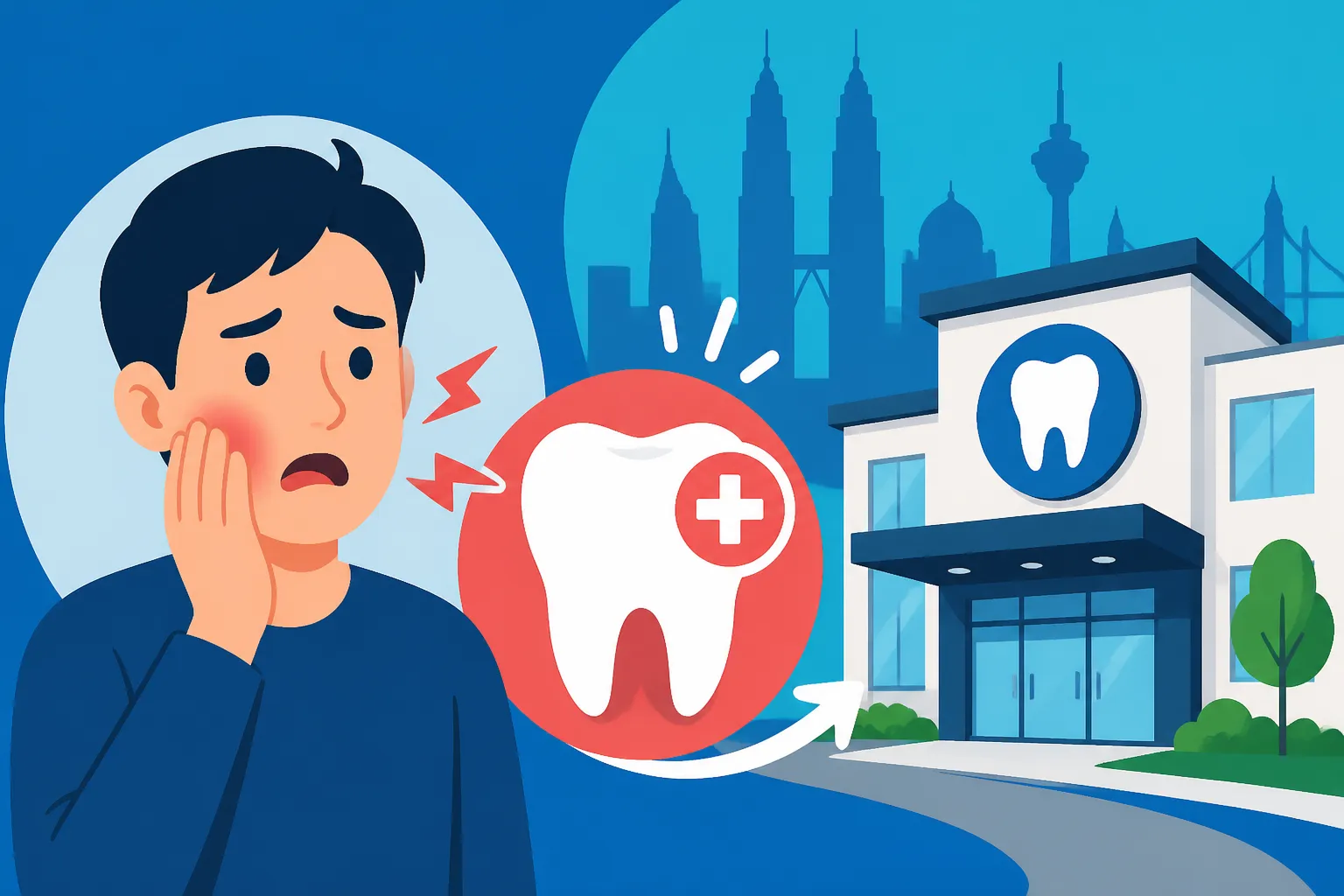
How Do I Access Emergency Dental Care in Malaysia?
Waking up with a throbbing toothache, a chipped tooth from an unexpected fall, or a sudden infection that swells your face – these moments are terrifying enough, but they can feel utterly paralyzing when you're an expat in a new country like Malaysia. The sheer panic of not knowing where to go, who to trust, or how the system works is a very real and understandable fear. This guide is here to cut through that anxiety, offering a clear, empathetic roadmap to accessing urgent dental care in Malaysia, ensuring you know exactly what steps to take when a dental emergency strikes.
Understanding Dental Emergencies in Malaysia
Let's face it, dental pain is in a league of its own. It’s often sudden, severe, and can genuinely impact your daily life, making eating, sleeping, or even talking a misery. Being prepared for such an eventuality is not just good practice; it's essential for your peace of mind while living here.
What Constitutes a Dental Emergency?
Not every ache or minor chip warrants an emergency dash to the dentist. So, how do you differentiate between something that can wait a day or two and something that needs immediate attention? Generally, a dental emergency involves a situation that poses a threat to your overall oral health or well-being, or requires immediate intervention to save a tooth or stop severe pain.
For example, excruciating, persistent toothache that doesn't subside with over-the-counter pain relievers is a classic emergency. This could indicate a deep cavity reaching the nerve, an abscess, or a cracked tooth. Similarly, if you experience a knocked-out tooth (avulsion), this is a critical emergency where time is of the essence; the sooner you get to a dentist, the higher the chance of saving the tooth.
Other pressing issues include acute dental infections, often presenting as swelling in your gums, face, or jaw, sometimes accompanied by fever. These infections can spread rapidly and become dangerous if left untreated. Bleeding that won't stop after a tooth extraction or trauma, a broken jaw, or severe soft tissue injuries to your lips, tongue, or cheeks are also situations demanding immediate professional attention. A lost filling or crown, while uncomfortable, might not be an emergency unless it's causing severe pain or exposing a sensitive area to infection.
Initial Steps When a Dental Emergency Strikes
When you're hit with a dental emergency, the first few minutes can feel chaotic. However, there are some immediate self-care steps you can take to manage the situation before you reach a professional. These aren't cures, but they can provide temporary relief and prevent the situation from worsening.
For severe toothache, rinse your mouth thoroughly with warm salt water to clean the area and reduce inflammation. If there's swelling, applying a cold compress to the outside of your cheek can help reduce it. Over-the-counter pain medication like paracetamol or ibuprofen, if you can take them, can also help manage the pain temporarily. Just be mindful of dosages and any pre-existing medical conditions.
If a tooth is knocked out, try to pick it up by the crown (the chewing part, not the root). Gently rinse off any dirt, but do not scrub it. If possible, try to reinsert it into the socket. If not, store the tooth in a cup of milk or your own saliva, and get to a dentist immediately. For a chipped or broken tooth, rinse your mouth and apply a cold compress to the outside of your mouth or cheek if there's swelling. Collect any broken pieces of the tooth, as the dentist might be able to reattach them. Always remember, these are just stop-gap measures; professional help is crucial.
Navigating Your Options for Emergency Dental Care in Malaysia
Once you've taken those immediate self-care steps, the next crucial phase is finding a reliable dental professional. Malaysia offers a dual-pronged healthcare system, with both private and public options for dental care, each with its own advantages and considerations for expats.
Private Dental Clinics: Your Fastest Route
For most expats seeking emergency dental care in Malaysia, private dental clinics are often the fastest and most straightforward route. These clinics are widespread, particularly in urban centres like Kuala Lumpur, Penang, and Johor Bahru, and are known for their efficiency, modern equipment, and highly trained staff. One of the biggest advantages is that many private clinics cater specifically to the expat community, meaning you'll often find English-speaking dentists and support staff, which significantly eases communication during a stressful time.
Appointments can usually be secured quickly, often on the same day for genuine emergencies. You can usually walk in, though calling ahead is always advisable to confirm availability and avoid unnecessary waiting. A quick search on Google Maps for "emergency dentist near me" or asking on expat social media groups will yield numerous options. Clinics like those under the Understanding Dental Care Costs and Clinics in Malaysia umbrella often have multiple branches and a reputation for reliable service. While costs at private clinics are higher than in the public sector, the speed of service, ease of communication, and generally higher comfort levels are often worth the premium for foreigners.
When choosing a private clinic, look for one that explicitly states they handle emergencies or has extended hours. Many will have a dedicated emergency contact number or a clear process for urgent cases. You'll likely pay upfront, or your insurance provider may arrange direct billing if you have a comprehensive plan. It's a good idea to have your passport and any insurance details ready when you arrive.
Public Hospitals and Dental Clinics: A Different Path
Malaysia also has a robust public healthcare system, which includes government dental clinics (Klinik Pergigian) and dental departments within public hospitals. These facilities offer highly subsidised care, making them extremely affordable for Malaysian citizens. For expats, the costs are still significantly lower than private clinics, but you will be charged foreigner rates, which are higher than what locals pay. However, even with foreigner rates, public dental care can be a much more budget-friendly option.
The main challenge with public facilities, especially for emergencies, can be the waiting times. While they will attend to genuine emergencies, you might find yourself waiting longer than in a private setting, particularly if your case isn't life-threatening. The process typically involves registering at the clinic, getting assessed, and then waiting for treatment. Language can sometimes be a barrier, as not all staff may be fluent in English, though many healthcare professionals in major cities do have a good command of it.
If you choose this path, be prepared with your passport, visa, and any relevant medical history. It’s also wise to research the specific Klinik Pergigian or hospital dental department beforehand, as not all offer 24-hour emergency services. For a general overview of the public system, you can refer to The Complete Guide to Healthcare in Malaysia for Expats (2027), which touches on navigating these facilities. While public clinics might require more patience, they provide competent care and are an accessible option, especially if cost is a primary concern.
Specialist Dental Centres for Complex Cases
Sometimes, a dental emergency isn't a simple filling or extraction; it might involve complex procedures that require a specialist. For instance, if you have severe trauma resulting in multiple tooth fractures, a complicated root canal infection, or need wisdom tooth extraction that's impacting nerves, you might need to see an oral surgeon or an endodontist.
In Malaysia, specialist dental centres are typically found within larger private hospitals or as standalone specialist clinics. For example, major private hospital groups often have comprehensive dental and oral surgery departments. You can usually access these specialists directly in a private setting, without a referral from a general dentist, especially in an emergency. However, if your emergency starts at a general dental clinic, they will almost certainly refer you to the appropriate specialist if your case is beyond their scope.
These specialist centres offer advanced diagnostic tools and highly skilled practitioners. The costs will naturally be higher due to the specialised nature of the treatment and expertise required. Always inquire about the expected costs upfront, and clarify how your insurance might cover specialist consultations and procedures. Don't hesitate to ask for a detailed breakdown of charges.
Costs, Insurance, and Practicalities
Dental emergencies can be quite a hit to the wallet, especially if you're caught unprepared. Understanding the financial aspects and practical considerations is crucial for managing the situation effectively.
Understanding the Costs of Emergency Dental Treatment
The cost of emergency dental treatment in Malaysia can vary significantly depending on the facility you choose (public vs. private), the severity of your condition, and the specific procedure required. Generally, private clinics will charge more for their speed, convenience, and potentially higher standard of amenities.
Here’s a rough idea of what you might expect for common emergency procedures at a private clinic:
| Procedure | Estimated Cost (MYR) | Notes |
|---|---|---|
| Emergency Consultation | 80 – 200 | Excludes treatment; sometimes waived if immediate treatment is done. |
| Simple Tooth Extraction | 150 – 400 | More complex extractions (e.g., wisdom teeth) will be significantly higher. |
| Composite Filling (per tooth) | 150 – 500 | Varies by size and location of the cavity. |
| Root Canal Treatment (per tooth) | 800 – 2,500+ | Can be a multi-visit procedure, cost varies by tooth type (front vs. molar). |
| Abscess Drainage | 200 – 600 | Often part of a larger treatment plan for infection. |
| Re-implantation of Knocked-out Tooth | 500 – 1,500+ | Varies greatly on complexity, follow-up, and additional treatments needed. |
These figures are estimates and can fluctuate based on the clinic's location, reputation, and the individual dentist's fees. It's always best to ask for a cost estimate before any treatment begins, especially for more extensive procedures. Remember that these are just for the emergency itself; follow-up appointments or restorative work (like crowns after a root canal) will incur additional charges. For a broader understanding of overall medical expenses, you might find The Cost of Healthcare in Malaysia: A Complete Breakdown for Foreigners (2026) a useful read.
Dental Insurance and Payment Options
This is where things can get a little tricky for expats. Many standard health insurance plans, whether local or international, often have limited or no coverage for routine or even emergency dental care. Basic health insurance might only cover dental work if it's a direct result of an accident or injury, and even then, there might be specific caps or sub-limits. It's rare for a general health policy to cover, for instance, a root canal due to decay unless you have a dedicated dental rider or a comprehensive plan that includes it.
If you have employer-provided health insurance, check your policy details meticulously. Some corporate plans in Malaysia do include basic dental benefits, but these are usually for routine check-ups and cleanings, with very limited coverage for major work. For independent expats or digital nomads, it's even more crucial to understand your coverage.
This is where a product like SafetyWing can come in handy, especially for unexpected and severe issues. While SafetyWing is primarily a travel medical insurance and doesn't cover routine dental care, it does offer coverage for acute onset of existing conditions and emergency dental treatment if it's necessary due to an accidental injury or sudden, severe pain that requires immediate professional intervention. It's designed to cover those unforeseen, critical incidents that could otherwise lead to massive out-of-pocket expenses. Therefore, if you're travelling or living here, and suddenly experience an unbearable toothache requiring urgent extraction or infection treatment, SafetyWing might be your saving grace, covering the emergency aspect of it. Always review their policy wording carefully to understand the exact scope of dental emergency coverage.
For procedures not covered by insurance, you'll need to pay out-of-pocket. Most private clinics accept cash, major credit cards, and often online payment methods like DuitNow. It's a good idea to have some local currency on hand for smaller clinics or unexpected expenses. If you have private medical insurance, remember to How to Use Private Medical Insurance at Malaysian Hospitals for claims or direct billing, even for dental work if covered.
Essential Documents and Language Considerations
When heading to an emergency dental clinic or hospital, having your documents in order will make the process much smoother and faster. Always bring your passport, as this is crucial for identification as a foreigner and for determining applicable fees. If you have a long-term visa (e.g., Employment Pass, MM2H), bring that along too.
Equally important is your health insurance card and policy details. Even if you're not sure if your dental emergency is covered, it’s best to have the information readily available for the clinic to assess. Having a copy of your policy or access to your insurer's app on your phone can save valuable time.
In terms of language, you'll generally find that English is widely spoken in private dental clinics, especially in major cities. Dentists and staff who regularly treat expats are usually very proficient. However, if you opt for a public dental clinic or a clinic in a more rural area, you might encounter some language barriers. In such cases, having a translation app on your phone or bringing a friend who speaks Bahasa Malaysia can be incredibly helpful. Don't let the fear of a language barrier deter you from seeking help; focus on communicating your symptoms as clearly as possible.
Post-Emergency Care and Follow-Up
Getting through the emergency itself is a huge relief, but your journey to full dental health doesn't end there. Proper post-emergency care and future prevention are key to avoiding a repeat performance.
After Your Emergency Appointment
Once the immediate crisis has passed and you've received emergency treatment, your dentist will provide specific instructions for post-care. This might include prescriptions for antibiotics if there was an infection, or pain relievers to manage discomfort as you heal. It's absolutely crucial to follow these instructions diligently. For example, if you've been prescribed antibiotics, complete the entire course, even if you start feeling better, to ensure the infection is fully eradicated.
Your dentist will also advise on dietary restrictions, such as avoiding hard or sticky foods, and proper oral hygiene practices during the healing period. You might be told to use a special mouthwash or to avoid brushing the affected area vigorously for a few days. Don't hesitate to ask questions if anything is unclear – your understanding of the instructions is vital for a smooth recovery.
Often, emergency treatment is just the first step. For instance, an extracted tooth will need to be replaced, or a root canal might require a crown. Your emergency dentist will likely recommend a follow-up appointment to assess healing or discuss options for permanent restoration. Make sure to schedule these appointments as advised to prevent future complications.
Long-Term Dental Health in Malaysia
Experiencing a dental emergency is a harsh reminder of the importance of proactive oral care. It's far better to prevent these situations than to react to them. Malaysia has a plethora of excellent dental clinics, and establishing a relationship with a regular dentist for routine check-ups and cleanings is a wise investment in your long-term health and peace of mind.
Regular dental visits can help catch minor issues like small cavities or gum inflammation before they escalate into painful emergencies. Your dentist can also provide advice on proper brushing and flossing techniques, dietary habits, and identify any potential risk factors for future problems. Many expats find great local dentists through recommendations from friends or expat groups. Don't wait until you're in excruciating pain; schedule a routine check-up as soon as you settle in. For broader dental care information, you can always refer to resources like Understanding Dental Care Costs and Clinics in Malaysia.
Consider also reviewing your insurance coverage. If your current health insurance, even a travel-focused one like SafetyWing, doesn't offer comprehensive dental benefits, you might want to consider purchasing a standalone dental insurance plan if you anticipate needing more than just emergency care. Being prepared means not just knowing where to go when disaster strikes, but actively working to prevent it in the first place.
Disclaimer
The information provided in this guide is intended for general informational purposes only and does not constitute medical advice. While we strive to provide accurate and up-to-date information, healthcare practices, costs, and regulations in Malaysia can change. Always consult with a qualified dental professional or healthcare provider for any medical concerns or before making any decisions related to your health or treatment. We are not responsible for any actions taken based on the information provided herein.