How Do I Get Dengue Treatment in Malaysia?
Ah, dengue. Just the word itself can send shivers down an expat's spine here in Malaysia. It’s an unfortunate reality of living in a tropical paradise, and the fear of "what if I get it?" is a constant low hum for many of us. When those tell-tale symptoms hit, the confusion and panic can be overwhelming, especially when you're far from your home country's familiar medical systems. This guide is here to walk you through exactly what to do, where to go, and how to navigate getting proper dengue treatment in Malaysia, offering a clear roadmap when you need it most.
Recognizing the Symptoms of Dengue in Malaysia
Let's be brutally honest: dengue symptoms can feel like a really, really bad flu. This is where the danger lies, as many of us might brush off the initial signs, thinking it's just a common cold or a touch of food poisoning. But knowing what to look for, and when to be genuinely concerned, can make all the difference.
Early Signs and What to Look For
The first few days of dengue can be a bit tricky, mimicking many other viral infections. Typically, after being bitten by an infected Aedes mosquito (which, let's face it, is a common occurrence here, especially in urban areas like Kuala Lumpur or even residential neighbourhoods in Penang), symptoms usually appear within 4 to 10 days.
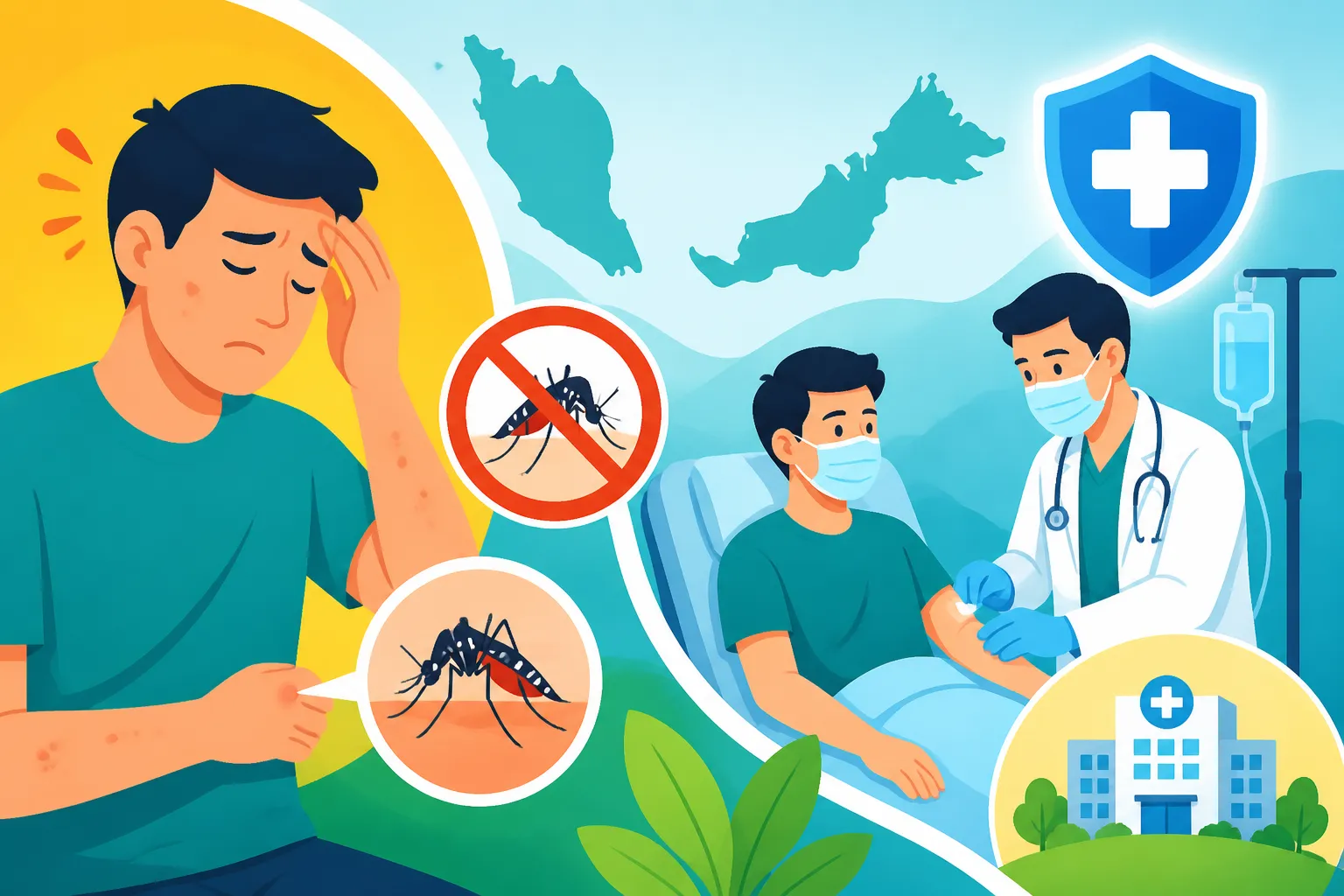
You might start with a sudden, very high fever, often reaching 40°C (104°F). This isn't your average sniffle fever; it's a fever that makes you feel utterly drained. Accompanying this high fever, you'll likely experience severe headaches, often behind the eyes. It feels like your eyeballs are being pushed out of your head – trust me, it’s distinct. Muscle and joint pains are also incredibly common, giving dengue its nickname "breakbone fever." You might also notice nausea, vomiting, and a skin rash that can appear a few days after the fever starts, often looking like red spots or flushing. These early symptoms are your body's initial cry for help, and while they might seem like a regular flu, the intensity is usually a red flag. Pay attention to how quickly these symptoms develop and how debilitating they feel compared to a normal illness.
When Symptoms Worsen: Warning Signs
The real danger zone with dengue usually occurs as the fever starts to subside, often between days 3 to 7 of the illness. This is called the critical phase, and it’s when severe dengue can develop. Many expats make the mistake of thinking they're on the mend because their fever is dropping, but this is precisely when careful monitoring is essential.
Look out for persistent vomiting, severe abdominal pain (it’s more than just an upset stomach; it can be excruciating), rapid breathing, bleeding gums or nosebleeds, fatigue, restlessness, and blood in your vomit or stool. These are urgent warning signs. If you experience any of these, you need immediate medical attention. Your blood platelet count, which helps with clotting, can drop significantly during this phase, leading to internal bleeding. It's not something to take lightly or "sleep off." Knowing Emergency Medical Care in Malaysia: What Every Expat Needs to Know is crucial here, as timing can be everything. Don't hesitate; head straight to an emergency room.
The Initial Steps: Where to Seek Help
Once you suspect dengue, or if those warning signs start to flash, knowing exactly where to go and what to do next is vital. This isn't the time for a "wait and see" approach, especially if you’re a foreigner who might not fully grasp the nuances of the local healthcare system.
GP Clinics vs. Hospitals: Your First Stop
For initial symptoms – the high fever, headache, body aches – your first port of call should usually be a General Practitioner (GP) clinic. Malaysia has an abundance of private GP clinics, especially in urban areas like Kuala Lumpur, Johor Bahru, and Penang. Many are well-equipped, efficient, and have English-speaking doctors. You can often walk in without an appointment, although calling ahead is always a good idea. These clinics are excellent for initial diagnosis, blood tests, and monitoring. They'll likely perform a rapid dengue test and a full blood count (FBC) to check your platelet levels.
However, if you're experiencing any of the warning signs mentioned above – severe abdominal pain, persistent vomiting, bleeding, extreme fatigue – bypass the GP clinic entirely and head straight to a private hospital emergency department. This is not the time to worry about How Much Does an Emergency Room Visit Cost in Malaysia?; it's about getting life-saving care. While government hospitals are an option, for critical care and faster service for expats, private hospitals are generally preferred. Knowing How to Find an English-Speaking Doctor in Malaysia can help you find a suitable clinic or hospital quickly.
What to Expect During Your First Consultation
When you arrive at a GP clinic or hospital, be prepared to explain your symptoms clearly and concisely. The doctor will ask about your travel history (if any recent), recent mosquito bites, and the onset of your symptoms. They'll likely take your temperature, blood pressure, and check for rashes.
A key diagnostic tool for dengue is a blood test. You'll likely have your blood drawn for a Dengue NS1 antigen test (for early detection) and a complete blood count (FBC) to monitor your platelet count and white blood cell count. These tests are crucial for confirming dengue and assessing its severity. Results for rapid tests might come back within hours, while full lab results could take longer.
If dengue is suspected or confirmed, the doctor will explain the next steps. This could range from home care with close monitoring to immediate hospital admission. They will also advise you on necessary follow-up blood tests, often daily, to track your platelet levels. This regular monitoring is critical, especially during the defervescence (fever reduction) phase. Remember, your Health Insurance in Malaysia: Local, International and Employer Options Explained might cover these tests and consultations, so always have your policy details handy. Many expats find robust travel or expat insurance, like SafetyWing, essential for covering unexpected medical situations like dengue, ensuring you can focus on recovery rather than bill shock.
Navigating Treatment Options in Malaysia
Once dengue is diagnosed, the treatment approach can vary based on severity. There's no specific antiviral drug for dengue, so treatment focuses on managing symptoms and preventing complications.
Outpatient vs. Inpatient Care Decisions
For milder cases of dengue without warning signs, outpatient care is common. This means you'll be treated at home, but with very strict instructions for monitoring and frequent follow-up blood tests. The doctor will likely prescribe paracetamol (never ibuprofen or aspirin, as these can increase bleeding risk) for fever and pain, and emphasize hydration. You'll need to drink plenty of fluids – water, oral rehydration salts, fruit juices – to prevent dehydration. You'll also be given a list of warning signs to look out for, and told to return to the clinic or hospital immediately if any appear. This stage of dengue truly tests your self-discipline and attention to your body.
However, if you present with severe symptoms, have co-existing health conditions, or if your platelet count drops dangerously low, inpatient care (hospital admission) will be necessary. This is where you'll receive intravenous fluids to maintain hydration and electrolytes, and your vital signs and blood counts will be monitored around the clock. In severe cases, blood transfusions might be needed. While the thought of hospitalisation is daunting, especially in a foreign country, Malaysian private hospitals are generally modern and well-equipped. Understanding Hospital Admission and Deposit Requirements in Malaysia beforehand can help ease the stress.
Managing Symptoms and Recovery at Home
If you're managing dengue at home, meticulous care is paramount. Your main goals are to stay hydrated, manage fever and pain, and rest.
- Hydration: Drink, drink, drink! Water, isotonic drinks, coconut water, soup broths – anything that helps replenish fluids and electrolytes. This is crucial as dengue can lead to severe dehydration.
- Fever and Pain Management: Stick to paracetamol (acetaminophen) as advised by your doctor. Avoid NSAIDs (like ibuprofen, aspirin, naproxen) as they can thin your blood and worsen potential bleeding complications.
- Rest: Your body is fighting a serious infection. Do not push yourself. Get as much rest as possible.
- Monitoring: Keep a close eye on your symptoms. Are you still vomiting? Is the abdominal pain getting worse? Are you feeling unusually weak or restless? Maintain a fever chart. If you notice any of the warning signs, do not hesitate – go to the hospital immediately.
- Mosquito Protection: Even at home, protect yourself from further mosquito bites. You don't want to become a source for transmitting the virus to others, and you definitely don't want to get bitten again while recovering, which could worsen future infections.
Remember that Understanding Outpatient vs Inpatient Care and Billing in Malaysia will give you a clearer picture of what the financial implications might be for each scenario, and this is where good insurance coverage, such as a comprehensive plan from SafetyWing, can truly come in handy.
The Role of Private vs. Government Hospitals
For expats, the choice between government and private hospitals for dengue treatment is a significant one, and generally, private hospitals are the preferred route for several reasons. You can read more about Public vs Private Healthcare in Malaysia: Which Should Expats Choose?.
Private Hospitals:
- Pros: Shorter waiting times, English-speaking staff are more common, higher doctor-to-patient ratios, more comfortable facilities, and often faster access to diagnostic tests. They are generally equipped with modern technology. Leading private hospital groups like Pantai Hospitals, Gleneagles Hospital, and Sunway Medical Centre are excellent choices. Knowing How to Access Care at a Private Hospital Group Like Pantai or Gleneagles can be very beneficial.
- Cons: Significantly more expensive. Without adequate health insurance, the costs can quickly escalate.
Government Hospitals:
- Pros: Much more affordable, as the Malaysian government heavily subsidizes healthcare for citizens and also has lower rates for foreigners. The medical staff are often highly skilled and experienced, especially in handling infectious diseases like dengue, given its prevalence.
- Cons: Waiting times can be incredibly long, especially in emergency departments and for specialist consultations. English proficiency among all staff may vary. Facilities might be older. Expats also face higher fees than Malaysian citizens. If you're considering this route, it's worth Understanding Foreigner Medical Fees at Malaysian Government Hospitals.
For a critical illness like dengue, where rapid diagnosis and constant monitoring are essential, many expats opt for private hospitals if their insurance covers it or if they can afford it. This is often where comprehensive international health insurance policies or even travel insurance like SafetyWing proves invaluable, covering the potentially high costs of private inpatient care. It really helps to know How to Use Private Medical Insurance at Malaysian Hospitals before you ever need it.
Here’s a quick overview of the typical patient journey:
| Stage of Dengue | Preferred Initial Action | Type of Facility Usually Involved | Key Considerations |
|---|---|---|---|
| Suspected | Visit GP or private clinic for diagnosis | Private GP Clinic | Blood tests (NS1 Antigen, FBC), hydration advice. |
| Confirmed, Mild | Home monitoring with doctor's guidance & follow-ups | Private GP Clinic / Hospital OP | Strict hydration, paracetamol, daily blood tests, watch for warning signs. |
| Confirmed, Critical Phase / Severe | Immediate emergency medical attention | Private Hospital Emergency Department | IV fluids, continuous monitoring, specialist consultation, potential admission. |
| Recovery | Follow-up with GP, rest, continued hydration, mosquito control | Private GP Clinic | Gradual return to activities, continued monitoring if advised. |
This table illustrates the general flow; however, always defer to the specific advice of your treating physician.
Post-Dengue Care and Prevention
Surviving dengue is a marathon, not a sprint. The recovery period can be lengthy, and preventing future infections is paramount. Believe me, you do not want to get dengue twice. The second time can often be far more severe.
Monitoring Your Recovery and Avoiding Recurrence
Even after discharge from the hospital or once your fever has settled and platelet counts are on the rise, you might feel lingering fatigue and weakness for weeks. This is normal. Your body has fought a significant battle, and it needs time to fully recover. Continue to rest, maintain good nutrition, and stay hydrated. Your doctor will likely schedule follow-up appointments to ensure your blood counts return to normal and there are no lingering complications. Don't skip these; they're vital for a full recovery.
Crucially, having dengue once does not make you immune to all dengue strains. There are four different serotypes of the dengue virus (DENV-1, DENV-2, DENV-3, DENV-4). If you get infected with one serotype, you develop immunity to that specific serotype for life. However, you are still susceptible to the other three. In fact, a subsequent infection with a different serotype can increase your risk of developing severe dengue, which is why prevention becomes even more critical after your first bout. This is a terrifying thought for many expats, making vigilance a way of life here.
Crucial Prevention Strategies for Expats
Prevention is truly better than cure, especially with dengue. As an expat in Malaysia, you need to integrate mosquito prevention into your daily routine.
- Eliminate Breeding Grounds: This is the most effective strategy. Aedes mosquitoes breed in clean, stagnant water. Check your home and surroundings regularly. Empty and clean flower pot plates, discard old tires, clear clogged gutters, cover water storage containers, and change water in vases frequently. Even a bottle cap full of water can be a breeding site. Local councils often conduct fogging, but individual responsibility is key.
- Personal Protection:
- Repellent: Use insect repellent containing DEET, Picaridin, or Oil of Lemon Eucalyptus (OLE) when outdoors, especially during dawn and dusk when Aedes mosquitoes are most active.
- Clothing: Wear long-sleeved shirts and long pants, particularly if you're in a high-risk area or spending time outdoors.
- Screens: Ensure your windows and doors have intact screens to keep mosquitoes out. Use mosquito nets if sleeping in areas without air conditioning or screens.
- Community Awareness: Report potential breeding sites in your neighbourhood to local authorities. Participate in community "gotong-royong" (communal work) to clean up shared spaces if the opportunity arises.
- Vaccination (if applicable): While not universally available or recommended for everyone, a dengue vaccine (Dengvaxia or Qdenga) exists. Discuss with your doctor if it's suitable for you, especially if you've had a previous dengue infection, as the vaccine's recommendations can be nuanced.
Living in Malaysia means dengue is a constant, but manageable, health risk. By understanding the symptoms, knowing where to seek prompt treatment, and rigorously practicing prevention, you can significantly reduce your chances of experiencing this debilitating illness. And remember, good Health Insurance in Malaysia: Local, International and Employer Options Explained can be your best friend when unexpected medical situations like dengue arise. Having reliable coverage from providers like SafetyWing can give you immense peace of mind.
Disclaimer
The information provided in this guide is intended for general informational purposes only and does not constitute medical advice. It is not a substitute for professional medical diagnosis, treatment, or advice. Always seek the advice of a qualified healthcare professional for any medical concerns or before making any decisions related to your health or treatment. Healthcare regulations and practices can change, and individual medical situations vary.