How Do I Find a Psychiatrist in Kuala Lumpur?
Moving to a new country like Malaysia is an incredible adventure, but let's be honest, it also comes with its own unique set of pressures. The excitement of a fresh start can quickly give way to feelings of isolation, stress, or even anxiety as you navigate cultural differences, administrative hurdles, and being far from your familiar support network. When those feelings start to impact your daily life, finding a psychiatrist in Kuala Lumpur can feel like an impossible task, but trust me, it’s not. This guide is here to walk you through exactly how to connect with the mental health support you deserve, right here in the heart of Malaysia.
The Expat Mental Health Journey: More Than Just Homesickness
Living abroad offers so much, but it's not always sunshine and rainbows. Many expats, myself included, have gone through periods where the challenges of adjustment really took a toll. It's not just about missing your family or your favorite foods; it's a deeper kind of stress that can emerge from constantly being outside your comfort zone. Recognizing when you need more than just a chat with a friend is the first, crucial step.
Understanding the Unique Expat Mental Health Challenges
When you relocate to a vibrant, bustling city like Kuala Lumpur, you're hit with a whirlwind of new experiences. Everything from ordering food to understanding local customs requires a different kind of mental energy. This constant processing can lead to mental fatigue, culture shock, and even identity crises. You might find yourself struggling with loneliness despite being surrounded by people, or battling imposter syndrome in your new job. These are very real and valid feelings, and often, a psychiatrist can help you untangle them. They understand the biochemical aspects of these struggles, offering a crucial layer of support that goes beyond general coping strategies.
For those on the move often, or working remotely, the lack of a stable community can exacerbate these feelings. It’s why having adaptable health coverage, like that offered by SafetyWing, which considers the unique lifestyles of digital nomads and remote workers, becomes so important. Knowing your mental health needs are covered, even when your location isn't fixed, can provide immense peace of mind.
Differentiating Psychiatrists from Psychologists and Therapists
This is a common point of confusion for many, and it's vital to understand the difference when seeking help in Malaysia. Think of it this way: a psychiatrist is a medical doctor who has specialized in mental health. They have an MD, which means they can diagnose mental health conditions, prescribe medication, and offer various forms of therapy. If you suspect you might need medication for conditions like depression, anxiety, or bipolar disorder, or if your symptoms are severe and impacting your daily functioning significantly, a psychiatrist is generally who you should see first.
On the other hand, psychologists typically hold a PhD or Master's degree in psychology. They focus on psychological assessment, diagnosis through talking therapies, and counseling. They cannot prescribe medication in Malaysia. Therapists or counsellors (sometimes referred to as clinical psychologists if they have advanced degrees) usually offer specific types of talk therapy, like cognitive behavioural therapy (CBT) or psychodynamic therapy, to help you process emotions, develop coping mechanisms, and navigate life challenges. Often, a comprehensive mental health plan involves working with both a psychiatrist for medication management and a psychologist or therapist for ongoing talk therapy.
Navigating Your Options: Public vs. Private Psychiatry in KL
Just like with general healthcare, Kuala Lumpur offers both public and private avenues for mental health support. Your choice will largely depend on your visa status, budget, urgency, and comfort with navigating the local system. For a broader overview of the healthcare landscape, you might want to read How Malaysia's Health System Works: Public vs Private Explained (2027).
Public Healthcare Pathways for Mental Health
Accessing psychiatric services through the public healthcare system in Malaysia is certainly an option, and it's significantly more affordable, especially for those who qualify for local rates or have an Employment Pass. Major government hospitals like Hospital Kuala Lumpur (HKL) have psychiatric departments staffed by qualified psychiatrists. The challenge, however, often lies in the process itself.
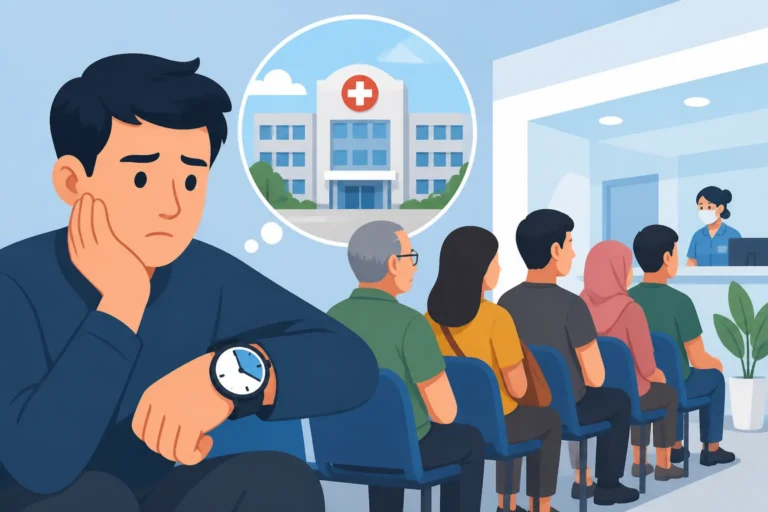
You usually can't just walk into a public hospital's psychiatry department. You'll likely need a referral from a general practitioner (GP) at a Klinik Kesihatan (government health clinic) or another government hospital. The waiting times can be substantial, sometimes weeks or even months for a non-emergency appointment, which can be incredibly frustrating when you're already in distress. While the cost is minimal, the language barrier can also be a hurdle, as while many medical professionals speak English, it's not always guaranteed, especially for support staff. For expats with an Employment Pass, there are certain considerations for using government hospitals, which you can learn more about in Can I Use Government Hospitals in Malaysia on an Employment Pass?.
Private Healthcare: The Go-To for Many Expats
For most expats seeking psychiatric care in Kuala Lumpur, the private sector is often the preferred route. It offers quicker appointments, a wider choice of English-speaking psychiatrists, and more comfortable facilities. Private hospitals throughout KL, such as Gleneagles Kuala Lumpur, Pantai Hospital Kuala Lumpur, Sunway Medical Centre, and Prince Court Medical Centre, all have psychiatry departments or dedicated mental health centres.
The convenience comes at a higher cost, of course. Initial consultations with a private psychiatrist can range from RM200 to RM500 or more, not including medication. Follow-up sessions are usually a bit less. This is where private health insurance becomes incredibly valuable. Many international health insurance plans, and even some local expat plans, now include mental health coverage, although the extent varies widely. It's crucial to check your policy details. Companies like SafetyWing, designed with the mobile expat in mind, often offer some level of mental health support in their packages, understanding that these needs are universal. For a more detailed look into your options, check out Health Insurance in Malaysia: Local, International and Employer Options Explained.
Practical Steps to Finding a Psychiatrist in Kuala Lumpur
Finding the right mental health professional is a deeply personal journey. What works for one person might not work for another. It’s about comfort, trust, and feeling truly understood.
Leveraging Online Directories and Platforms
The digital age has made searching for healthcare professionals much easier. In Malaysia, several online directories can help you locate psychiatrists in Kuala Lumpur:
- BookDoc / DoctorOnCall: These platforms allow you to search for doctors by specialization, location, and even check their availability for appointments. You can often see their qualifications, areas of expertise, and sometimes even patient reviews. Filter by "Psychiatrist" and "Kuala Lumpur" to get started. These are excellent resources to find a range of options quickly, giving you a starting point to research individual practitioners.
- Hospital Websites: Most major private hospitals in KL (Gleneagles, Pantai, Sunway Medical, Prince Court, Beacon Hospital, Thomson Hospital Kota Damansara) list their specialists, including psychiatrists, on their official websites. You can often find their profiles, experience, and direct contact information there. This is a reliable way to ensure you're looking at certified professionals affiliated with reputable institutions.
- Professional Bodies: While less direct for booking, the Malaysian Psychiatric Association (MPA) or the Malaysian Medical Council (MMC) might have directories or lists of registered psychiatrists. This can be a good way to verify credentials.
Seeking Recommendations and Referrals
Personal recommendations can be incredibly powerful when it comes to mental health.
- Expat Communities: Reach out to expat groups on social media platforms like Facebook (e.g., "Expats in Kuala Lumpur" groups). Many members are often willing to share their experiences and recommend psychiatrists they've had positive interactions with. This provides a human element to your search and can offer insights into doctors who are particularly sensitive to expat issues.
- General Practitioners (GPs): If you've already found a trusted GP in Malaysia, they can be an invaluable resource. They often have networks of specialists they refer patients to regularly and can provide a formal referral, which might be necessary for insurance claims or for accessing certain private hospital clinics. If you need help finding a GP first, our guide on How to Find and Register with a General Practitioner (GP) in Malaysia can assist you.
- HR Departments: For those on employment passes, your company's HR department might have a list of panel clinics or preferred healthcare providers, including mental health specialists, or they might be able to guide you on how your company insurance covers such services.
Checking Credentials and Specialisations
Once you have a few names, it’s time to do your homework. This is a doctor who will be dealing with your most sensitive issues, so due diligence is key.
- Verify Registration: Ensure the psychiatrist is registered with the Malaysian Medical Council (MMC). You can often do this through the MMC website, which lists all licensed medical practitioners. This is a basic but essential step to confirm they are legally qualified to practice.
- Specialization and Approach: Psychiatrists can have different areas of focus. Some might specialize in mood disorders, anxiety, trauma, addiction, or adolescent psychiatry. Think about what specific issues you're facing and try to find someone whose expertise aligns with your needs. Some might also have a particular therapeutic approach they prefer, such as psychodynamic, cognitive-behavioral, or integrative. It's perfectly acceptable to ask about their approach during your initial inquiry.
- Language and Cultural Sensitivity: For expats, finding a psychiatrist who is fluent in English and, perhaps even more importantly, understands cultural nuances and the unique challenges of expat life, can make a huge difference. Many private psychiatrists in KL are accustomed to treating international patients, but it’s always worth confirming.
What to Expect: Your First Appointment and Ongoing Care
The first step, calling to make an appointment, can feel daunting. But once you've scheduled it, you're on your way. Remember, it's okay to feel nervous.
Initial Consultation and Assessment
Your first appointment will primarily be an assessment session. The psychiatrist will ask you a lot of questions about your medical history, family history, current symptoms, life stressors, and your overall well-being. This is their way of getting a comprehensive picture to make an accurate diagnosis and suggest a treatment plan. Be prepared to discuss:
- Your symptoms: What are you feeling? How long have you been feeling this way? How is it impacting your daily life, work, and relationships?
- Medical history: Any existing physical health conditions, medications you're taking, or previous mental health diagnoses.
- Lifestyle: Sleep patterns, diet, exercise, alcohol or substance use, and social support.
- Goals: What do you hope to achieve from therapy or treatment?
This is also your opportunity to ask questions. Don't hesitate to inquire about their experience, their treatment philosophy, what a typical session looks like, and what they expect from you. Establishing a good rapport is critical.
Costs, Insurance, and Payment
Private psychiatric care in Kuala Lumpur can be a significant investment.
- Consultation Fees: As mentioned earlier, initial consultations typically range from RM200 to RM500, with follow-up sessions usually between RM150 and RM400. These fees don't include any prescribed medication.
- Medication Costs: The cost of medication will vary greatly depending on the type and dosage. Pharmacies in Malaysia are generally well-stocked, and you can usually get your prescriptions filled easily. For more on this, see Prescription Medications and Pharmacies in Malaysia: The Complete Guide.
- Insurance Coverage: If you have health insurance, understand its mental health coverage. Many plans have specific limits or exclusions for psychiatric care, or they might only cover inpatient treatment. It's common for there to be a waiting period before mental health benefits kick in. Always call your insurance provider before your appointment to confirm coverage, understand your deductible, co-payment, and whether a referral is required. Even international plans like SafetyWing are designed with varying levels of coverage, so scrutinize the details. You might also want to explore How to Use Private Medical Insurance at Malaysian Hospitals for general guidance.
- Payment Methods: Most private clinics and hospitals accept cash, credit/debit cards, and direct bank transfers. Clarify payment options when you book your appointment.
Remember, discussing costs upfront is not awkward; it's a responsible part of your healthcare journey. Transparency helps manage expectations and ensures you can focus on your well-being without financial surprises.
Public vs. Private Psychiatry in Kuala Lumpur: A Quick Comparison
To help you visualize the differences, here’s a quick overview of what to expect when looking for a psychiatrist in KL through public versus private channels.
| Feature | Public Healthcare (e.g., Hospital Kuala Lumpur) | Private Healthcare (e.g., Gleneagles, Pantai, Sunway) |
|---|---|---|
| Cost | Very low, often nominal fees for foreigners (e.g., RM100-RM200 per visit) | High, RM200-RM500+ per initial consultation; RM150-RM400+ for follow-ups |
| Access | Requires GP referral, often from a Klinik Kesihatan | Direct appointment, often no referral needed (though a GP referral can help) |
| Waiting Times | Long, often weeks or months for non-emergency appointments | Short, usually within days or a week |
| Language | English spoken by many doctors, but not guaranteed for all staff; Malay often primary | English widely spoken by all medical staff |
| Choice of Doctor | Limited choice, assigned to available psychiatrist | Wide choice of specialists; you can research and choose based on expertise |
| Facilities | Basic, often crowded; functional but less comfortable | Modern, comfortable, often hotel-like amenities |
| Insurance | Generally not covered by private insurance (as costs are so low); usually out-of-pocket | Often covered by private local or international health insurance (check policy) |
| Confidentiality | Yes, legally protected | Yes, legally protected |
| Medication | Available at hospital pharmacy, usually very low cost | Available at hospital pharmacy or external pharmacies, market rates |
Making the decision to seek help is a courageous one, and finding a psychiatrist in Kuala Lumpur is absolutely doable. Whether you lean towards the affordability of public services or the convenience of private care, the most important thing is that you take that step. Remember, your mental health is just as important as your physical health. If you're struggling, resources are available, and you don't have to navigate this alone. For more detailed information on accessing mental health services, you might find our comprehensive guide on How to Access Mental Health Services in Malaysia as an Expat particularly useful. And remember, Is Mental Health Treatment Confidential in Malaysia? The answer is yes, so you can speak freely and openly.
Disclaimer
The information provided in this guide is for general informational purposes only and does not constitute medical advice. While we strive to ensure accuracy, healthcare policies, fees, and available services in Malaysia can change. Always consult with a qualified healthcare professional or your insurance provider for personalized advice and the most up-to-date information regarding your specific situation.