Understanding the Puspakom Vehicle Inspection in Malaysia
So, you’ve just landed in Malaysia, maybe you’re eyeing that pre-loved car to get around, or perhaps you’re looking to transfer ownership of a vehicle you already have. No matter the scenario, you’re probably going to bump into the name "Puspakom," and let me tell you, it can feel like yet another layer of bureaucratic mystery to unravel. This comprehensive guide is here to demystify the Puspakom vehicle inspection process, specifically tailored for us expats, so you can navigate it with confidence and fewer headaches.
What Exactly is Puspakom and Why Does it Matter to Expats?
When you first hear "Puspakom," it might just sound like another acronym in the endless sea of Malaysian administration. But understanding its role is crucial for anyone who plans to drive or own a vehicle here. It's not just a suggestion; it's a non-negotiable step in many vehicle-related transactions.
The Role of Puspakom in Malaysia's Road Safety Ecosystem
Puspakom, or Pusat Pemeriksaan Kenderaan Berkomputer Sdn Bhd, is the national vehicle inspection company in Malaysia, and it holds a pretty significant monopoly on official vehicle inspections. It's a wholly-owned subsidiary of DRB-Hicom Berhad, but more importantly, it's been appointed by the Malaysian Ministry of Transport as the sole authority for conducting mandatory inspections for commercial and private vehicles.
Their primary mission is straightforward: to ensure that vehicles on Malaysian roads are roadworthy, meet safety standards, and comply with environmental regulations. Think of it as the gatekeeper making sure everyone's ride isn't a hazard on the road or a massive polluter. For us expats, this means that while it might feel like an extra hoop to jump through, it’s fundamentally about keeping everyone safe. It also serves as a crucial independent verification step, especially when you’re dealing with used cars, protecting both buyers and sellers from hidden issues.
When Do Foreigners Need a Puspakom Inspection?
This is where it gets particularly relevant for you. As a foreigner living in Malaysia, you’ll most commonly encounter Puspakom in a few specific situations. The most frequent one is when you’re looking to buy a second-hand car. Before the ownership can legally be transferred into your name at the Road Transport Department (JPJ), the vehicle must undergo a Puspakom B5 inspection. This is a critical step because without a valid B5 report, the JPJ simply won't process the ownership transfer. It's designed to ensure the car you're buying is exactly what the seller claims it is and that it's safe to drive.
Beyond purchasing a used private vehicle, you might also need an inspection if you're importing a vehicle from another country, converting certain types of foreign license plates, or even for specific insurance claims where your insurer might require a vehicle condition report. While less common for private expat use, certain vehicle categories like taxis, buses, lorries, and e-hailing vehicles (think Grab cars) also require regular, periodic inspections. So, if you ever venture into operating such a vehicle, Puspakom will become a very familiar name.
Deciphering the Types of Puspakom Inspections You Might Encounter
Puspakom offers various types of inspections, each serving a distinct purpose. For most expats, the focus will primarily be on one or two key types, but it's good to be aware of the others so you're not caught off guard.
Mandatory Inspections for Vehicle Ownership Transfer
This is, by far, the most common inspection type for expats looking to acquire a vehicle in Malaysia: the B5 Ownership Transfer Inspection. This inspection is a prerequisite for any change of vehicle ownership at JPJ. Imagine you've found the perfect second-hand Proton X70 or Perodua Myvi that fits your budget and lifestyle. You've agreed on a price, shaken hands with the seller, and now you're ready to make it yours. Before you can even think about driving it off officially as your car, the vehicle needs to pass this B5 inspection.
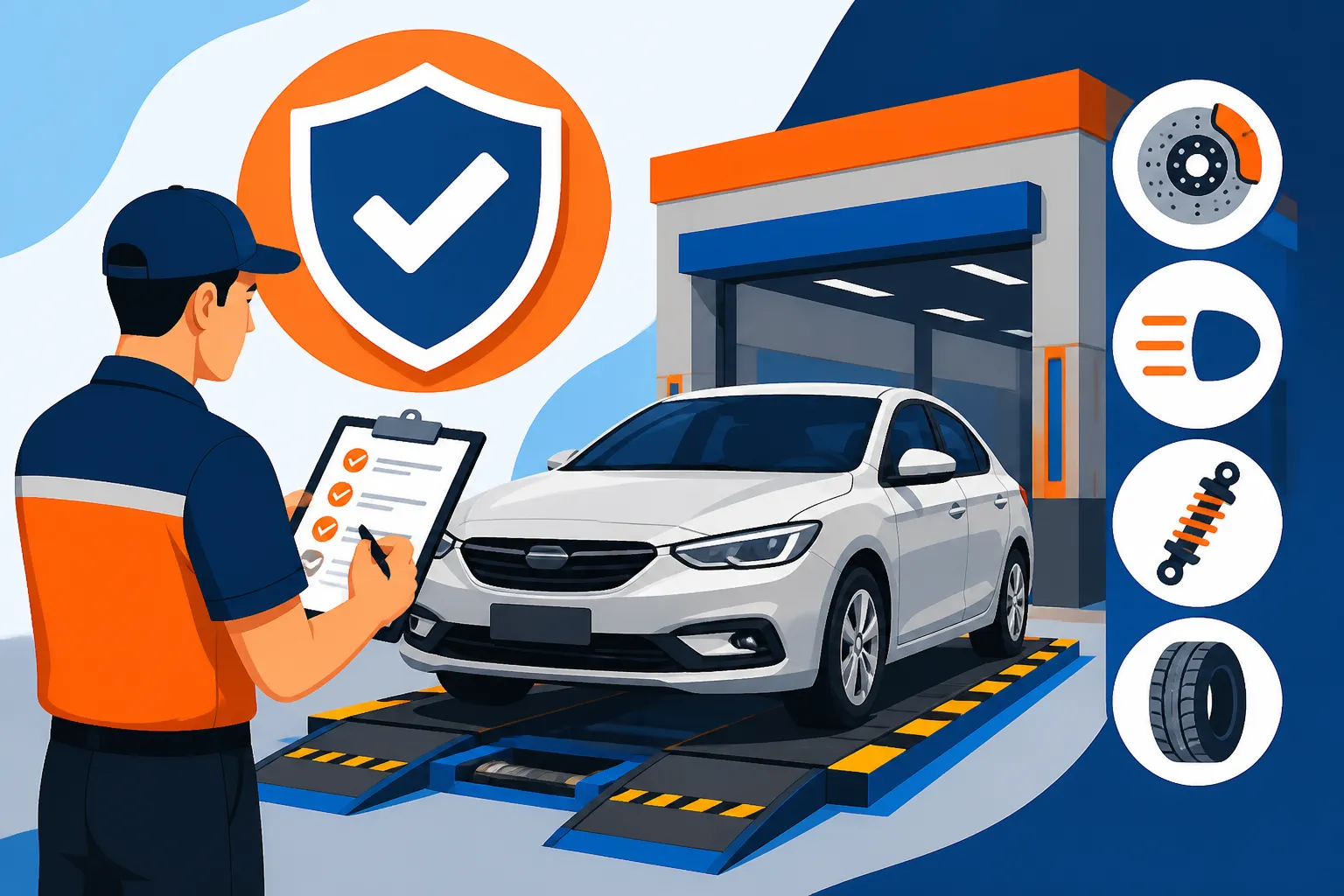
The B5 inspection is pretty comprehensive. It primarily checks the vehicle's identity, ensuring that the chassis number, engine number, and registration plate match the vehicle's grant or registration document. This is crucial for preventing fraudulent vehicle sales. Beyond identity, it assesses the structural integrity, looking for signs of major accidents or modifications that could compromise safety. They'll also check vital components like the braking system, tire condition, lighting, horn, and even exhaust emissions. They're basically giving the car a once-over to confirm it's not a ticking time bomb and that it aligns with the official records.
Other Key Inspection Types for Expats
While the B5 is king for ownership transfers, there are other inspections that might pop up on your radar, albeit less frequently for the average expat.
One useful option is the Voluntary Vehicle Inspection (VVI). Let’s say you’ve owned your car for a while, and you want peace of mind about its condition, perhaps before a long road trip across Malaysia, or maybe your insurance company is asking for a recent condition report. A VVI allows you to bring your private vehicle for a thorough check-up similar to the B5, but without the mandate of an ownership transfer. It's a great proactive step, especially if you’re unsure about your vehicle’s health or want an unbiased assessment before committing to significant repairs. It doesn't affect your ownership, but it provides a detailed report on your car's roadworthiness.
Then there are more specific inspections like the Puspakom B2/B7 for Hire Purchase Conversions or Specific Vehicle Categories. These are usually for vehicles undergoing changes in their registered status, for instance, if a vehicle previously under a hire-purchase agreement is now fully paid off and needs its ownership type updated. While not a daily occurrence for most expats, it's good to know these exist. Commercial vehicles, of course, have their own set of periodic inspections (B1, B3, B4, etc.) that ensure they meet stricter safety and maintenance schedules due to their constant use. But for your typical private car as an expat, B5 and VVI are the ones you'll most likely interact with.
The Step-by-Step Process of Getting Your Car Inspected at Puspakom
Navigating the Puspakom process can feel a bit like a maze if you're not prepared, but once you know the steps, it's fairly straightforward. Preparation is key to a smooth experience and avoiding unnecessary repeat visits.
Booking Your Appointment and Preparing Your Vehicle
First things first: don't just show up! While walk-ins might be entertained during off-peak hours at some centres, booking an appointment online is highly recommended to save you time and frustration. You can do this via the official Puspakom website. You’ll need to select your preferred inspection centre, the type of inspection (e.g., B5 for ownership transfer), and an available slot. Payment for the inspection fee is also usually made online at the time of booking. It's much like scheduling any other official appointment back home – planning ahead makes all the difference.
Once your appointment is set, it’s time to gather your documents and prepare your vehicle. For the B5 inspection, you absolutely need:
- Original Vehicle Grant / Vehicle Ownership Certificate (VOC): This is the official document proving the car’s registration. No original, no inspection.
- Original NRIC of the current owner (seller): Or, for foreigners, your original passport and a copy of your valid visa or Employment Pass.
- Existing insurance details (if applicable): Though not always mandatory for the B5, it's always good to have proof of valid insurance.
- Authorisation Letter (if applicable): If the registered owner cannot be present, they might need to provide a formal letter authorising you or another representative to conduct the inspection on their behalf. This is common when buying from a dealership or if the seller is unavailable.
Regarding the vehicle itself, perform a quick pre-check. Ensure all lights (headlights, tail lights, brake lights, signal lights) are working, the horn functions, and the tires are not excessively worn. Give the car a good clean, both inside and out. Inspectors appreciate a tidy vehicle, and it helps them clearly see the chassis and engine numbers. Make sure your window tinting complies with Malaysian regulations; overly dark tints are a common reason for failure. Having a reliable data plan, perhaps from a provider like Airalo, can be a lifesaver for navigating to the centre or quickly accessing online information if you hit a snag.
What to Expect on Inspection Day
So, the day arrives. You've booked your slot, gathered your documents, and cleaned your car. Head to your chosen Puspakom centre with plenty of time to spare before your appointment. You’ll first go through a registration process where your documents are verified. This usually involves presenting your booking confirmation and the vehicle documents. They'll issue you a queue number or direct you to a specific lane.
Then comes the waiting game. Depending on the centre and the time of day, this could be quick or take a while. It's a good time to mentally prepare yourself. The inspection itself is carried out by trained Puspakom personnel. They’ll drive your car into the inspection bay, where a series of automated and manual checks are performed. This includes:
- Visual Inspection: Checking the vehicle's exterior, interior, and undercarriage for general condition, modifications, and structural integrity.
- Chassis and Engine Number Verification: Crucially, they'll verify these numbers against the VOC to ensure they match. Sometimes, these numbers are etched onto the car in a specific way that they’ll check for authenticity.
- Brake Efficiency Test: The car will be driven onto rollers that test the braking performance of each wheel.
- Side Slip Test: Checks wheel alignment.
- Suspension Test: Ensures your car’s shocks are up to scratch.
- Tinted Window Test: Measures the visible light transmittance (VLT) of your window tints to ensure they meet legal standards.
- Exhaust Emission Test: Checks your vehicle's emissions to ensure it's not polluting excessively.
Once the inspection is complete, you'll typically wait in a designated area for the results. The inspector will provide you with a report detailing whether your vehicle passed or failed, and if it failed, the reasons why. If you pass, congratulations! The report is usually sent directly to JPJ’s system, streamlining your next step of transferring ownership. If you fail, well, that leads us to the next section.
Common Pitfalls and How to Navigate Them as an Expat
Even with the best preparation, things can go awry. It's a common part of the expat experience, and Puspakom inspections are no exception. Knowing the typical hurdles can help you mitigate them.
Language Barriers and Documentation Hurdles
Let's be frank, navigating official processes in a new country can be tough, and language can sometimes be a barrier. While many Puspakom staff speak English, especially in major cities, there might be situations where communication isn't crystal clear, leading to misunderstandings about requirements or reasons for failure. My best advice here is to:
- Bring a Malaysian friend: If you have a local friend who can accompany you, their assistance can be invaluable in clarifying instructions, asking questions, and smoothing over any miscommunications.
- Utilise translation apps: Have Google Translate or a similar app ready on your phone to quickly translate specific terms or instructions.
- Prepare documents meticulously: This is non-negotiable. Ensure you have originals and photocopies of everything. Double-check that all names, numbers, and details on your documents match the vehicle exactly. Mismatched details are a common and frustrating reason for delays or outright refusal of inspection. If your name on your passport doesn't perfectly match the ownership documents, for instance, you're in for a long day. Remember that "What Documents Do I Need to See a Doctor in Malaysia as a Foreigner?" often follows a similar strictness regarding identity.
Validation of vehicle documents against your personal identification is a major checkpoint. Any discrepancy, from a slight misspelling of your name to an expired visa, can cause an issue. This can be particularly frustrating when you've planned your entire day around this one appointment.
Dealing with a Failed Inspection and Re-Inspections
It happens. Your car might fail the inspection. It's not the end of the world, but it definitely means more time and effort on your part. Common reasons for failure include excessive window tinting, worn-out tires, faulty brake lights, high exhaust emissions, or even minor rust issues on the chassis.
If your vehicle fails, the Puspakom report will clearly state the reasons. You then have a grace period, typically 30 days, to rectify the identified issues and bring the vehicle back for a re-inspection. This re-inspection will only focus on the items that caused the initial failure, not the entire car again, which is a small silver lining. There is usually a reduced fee for re-inspections within this timeframe. If you miss the 30-day window, you'll likely have to pay for and undergo a full inspection again.
My advice? Don't procrastinate. Take the report to a trusted workshop or mechanic immediately. Explain the issues and get them fixed promptly. It's worth investing in a reputable mechanic who understands Puspakom's standards rather than trying to cut corners, as a second failure means more delays and costs. Remember that knowing how to find a good mechanic is almost as important as knowing how to choose a private hospital in Malaysia! Once fixed, schedule your re-inspection as soon as possible.
Costs, Validity, and Important Considerations
Understanding the financial aspects and the longevity of your Puspakom certificate is essential for managing your budget and timeline in Malaysia.
Understanding the Fees for Puspakom Inspections
The good news is that Puspakom fees are standardised across all their centres, so you won’t find wildly different prices. This predictability is a welcome change from some other services here. For the most common expat-related inspection, the B5 (Ownership Transfer Inspection), the fee is generally around RM30.
Other inspections, like the Voluntary Vehicle Inspection (VVI), which is more thorough and provides a detailed condition report, costs a bit more, typically around RM50-RM60. If your vehicle fails and you need a re-inspection within the grace period, the fee is usually a nominal RM15-RM20, as they only re-check the failed components. These fees are subject to change, so always check the official Puspakom website or their booking portal for the most current rates. Compared to the overall cost of buying a car or dealing with potential future breakdowns, these inspection fees are quite reasonable.
How Long is a Puspakom Certificate Valid?
This is where clarity is important, as validity varies significantly depending on the type of inspection.
- B5 Ownership Transfer Inspection: The certificate issued after a successful B5 inspection is primarily for the purpose of transferring ownership at JPJ. It's essentially a one-off verification for that specific transaction. Once the ownership is transferred, this particular certificate's "validity" for that purpose is fulfilled. You won't need another B5 unless you sell the car to someone else in the future.
- Voluntary Vehicle Inspection (VVI): The report from a VVI serves as a snapshot of your vehicle’s condition on that specific day. It doesn't have an expiry date that mandates further action, but its relevance naturally diminishes over time as your vehicle accumulates mileage and wear. It's often used for personal record-keeping, pre-purchase checks for prospective buyers, or insurance assessment purposes.
- Commercial Vehicle Inspections: For commercial vehicles (taxis, buses, lorries, etc.), inspections are periodic and mandatory, typically every six months or annually, depending on the vehicle type. These have strict expiry dates and must be renewed on time for the vehicle to remain legal on the road.
For private vehicle owners, there is no general requirement for annual Puspakom inspections, unlike in some other countries. Your main interaction will be when buying or selling.
Integration with Vehicle Ownership and Road Tax Renewal
The Puspakom certificate isn't just a standalone piece of paper; it's a crucial link in the chain of vehicle administration in Malaysia. For private vehicles, particularly for ownership transfers, a passed B5 inspection is a mandatory prerequisite for any transaction at the Road Transport Department (JPJ). You absolutely cannot transfer ownership of a used vehicle without a valid B5 report. The good news is that Puspakom centres are now digitally integrated with JPJ. This means that once your vehicle passes inspection, the results are electronically transmitted to the JPJ system almost immediately. This greatly streamlines the process, reducing the need for physical paperwork hand-carrying.
This digital integration also helps with things like "How to Register and Transfer a Vehicle (JPJ) in Malaysia" because the core data is already in the system. While Puspakom inspections are not generally required for the annual renewal of road tax for private vehicles, maintaining your car's roadworthiness is implicitly connected to your ability to keep it legally on the road. If you're involved in an accident, a non-roadworthy vehicle might even affect your insurance claim. So, even though it's not a direct annual requirement, keeping your vehicle in good shape, perhaps by undertaking a Voluntary Vehicle Inspection periodically, contributes to a hassle-free experience with things like understanding Road Tax and Insurance Renewal in Malaysia.
When you're dealing with the initial setup in Malaysia, whether it's getting your car sorted or just generally adjusting, it can feel like a lot. Companies like Sirelo, which specialize in international relocations, can help smooth out the broader moving process, allowing you to focus on the local details like Puspakom.
Here's a quick overview of the most common inspections you might encounter as an expat:
| Inspection Type | Purpose | Approx. Cost (RM) | Validity |
|---|---|---|---|
| B5 Ownership Transfer | Mandatory for transferring ownership of a used private vehicle at JPJ. | 30 | One-off for a specific ownership transfer. |
| Voluntary Vehicle Insp. | Comprehensive check for peace of mind, insurance claims, or pre-sale. | 50-60 | Report valid for date of inspection. |
| Re-inspection | Re-check failed items after an initial failure (within 30 days). | 15-20 | Until failed items are rectified and pass. |
| Puspakom B2/B7 | For hire-purchase conversions or specific vehicle re-registrations. | 30 | One-off for a specific status change. |
Remember, getting your car inspected is just one piece of the puzzle when you're settling in. You'll also be figuring out things like "How to Convert a Foreign Driving Licence in Malaysia" and generally understanding the rules of the road laid out in guides like "Driving in Malaysia: Licences, Registration and Rules for Expats (2026)". These are all interconnected parts of becoming a fully-fledged driver in this vibrant country.
Disclaimer
The information provided in this guide is for general informational purposes only and is subject to change. While every effort has been made to ensure accuracy, regulations and procedures can be updated by the relevant Malaysian authorities (Puspakom, JPJ). Expats are strongly advised to consult the official Puspakom website or visit a Puspakom centre directly for the most current and specific requirements pertaining to their individual circumstances. This guide does not constitute legal or professional advice.