How Much Does It Cost to Give Birth by C-Section in Malaysia?
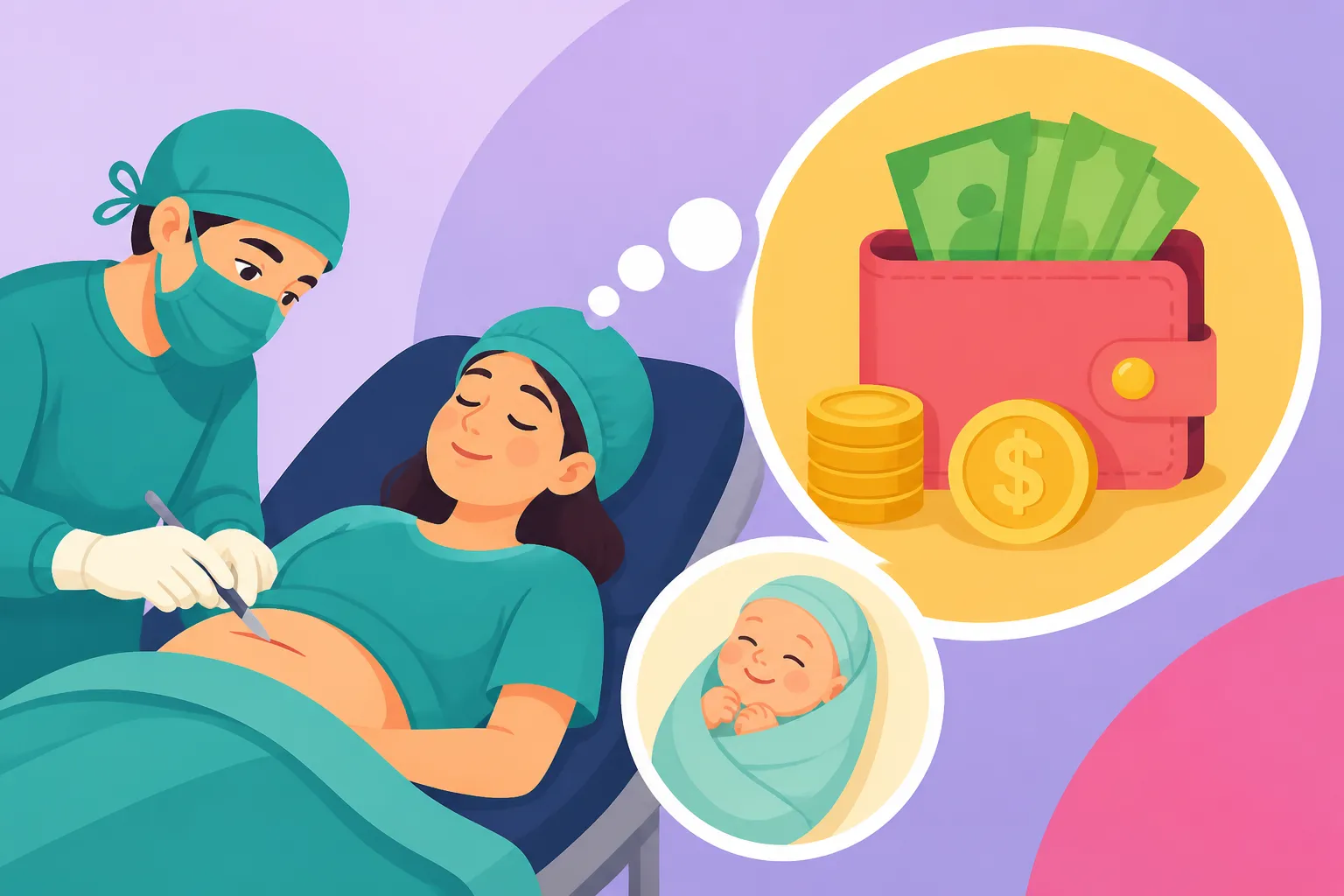
One of the most significant concerns for expectant expat parents in Malaysia, beyond the sheer joy and nervousness of impending parenthood, is the financial aspect of childbirth. Specifically, if a C-section becomes necessary or is planned, the costs can vary wildly and catch you off guard if you haven't done your homework. This guide will meticulously break down the estimated expenses for giving birth via C-section in Malaysia, helping you prepare financially and emotionally for this crucial event.
Understanding the Factors Influencing C-Section Costs in Malaysia
The price tag for a C-section in Malaysia isn't a fixed number you can just pluck from thin air. It's a complex puzzle influenced by a multitude of factors, much like everything else in the Malaysian healthcare system. You're not just paying for the surgery itself; you're paying for the expertise, the facilities, the medications, and the recovery. Understanding these elements is the first step to making informed decisions and avoiding any nasty surprises when that final bill lands on your lap.
Public vs. Private Hospitals: A Major Deciding Factor
This is perhaps the single biggest determinant of cost. Malaysia operates a dual-tier healthcare system, with robust public and private options. For expats, the choice between them often boils down to cost, convenience, and perceived quality.
In a public or government hospital, the fees for foreigners are significantly subsidised, making it a much more affordable option. However, accessibility can be a challenge. You might face longer waiting times for appointments, less choice in doctors, and the environment might not be as "comfortable" or private as a private institution. For a planned C-section, securing a slot and navigating the referral system can be quite a process. Still, for those on a tighter budget, understanding the pathway to care in government facilities is crucial. You can learn more about How Malaysia's Health System Works: Public vs Private Explained (2027).
Private hospitals, on the other hand, offer immediate access, individualised care, modern facilities, and often English-speaking staff who are very accustomed to expat patients. You'll typically have your own room, the latest medical equipment, and the ability to choose your preferred Obstetrician-Gynaecologist (O&G). This convenience and quality, however, come at a premium. The costs can be several times higher than in a public hospital, and without adequate insurance, this can be a significant financial burden. Many expats find themselves weighing these options, considering Public vs Private Healthcare in Malaysia: Which Should Expats Choose?.
Type of C-Section and Medical Complications
Not all C-sections are created equal, and this naturally impacts the cost. A planned or elective C-section, where the procedure is scheduled in advance due to medical reasons (like a breech baby or previous C-sections), is generally more straightforward to cost. These are typically part of a maternity package offered by private hospitals.
However, an emergency C-section, which occurs when unforeseen complications arise during labor (e.g., fetal distress, failure to progress), can be more expensive. Emergency procedures often involve more medical personnel, additional diagnostics, and potentially more intensive post-operative care. If your C-section is complicated by factors like excessive bleeding, infection, or if the baby requires immediate medical intervention, these additional services will add substantially to the final bill. These complexities underscore the importance of comprehensive health insurance.
The Doctor's Fees and Anaesthetist's Charges
A significant portion of your C-section bill will be allocated to the fees of the medical professionals involved. This includes your O&G, who will perform the surgery, and the anaesthetist, who will administer the epidural or general anaesthesia.
In private hospitals, these are separate professional fees that are itemised alongside hospital charges. Highly sought-after O&Gs, particularly those with decades of experience or specific specialisations, will naturally charge higher fees. Similarly, the anaesthetist's fees will vary based on the type of anaesthesia administered and the duration of the procedure. It's not uncommon for these professional fees alone to constitute a substantial percentage of the overall cost, sometimes up to 30-40% of the total package. When planning your maternity care, asking for a detailed breakdown of these fees is essential.
Hospital Stay and Ancillary Services
Beyond the surgery itself, your hospital stay plays a crucial role in the total cost. This includes:
- Room and Board: Private hospitals offer a range of room options, from basic single rooms to luxurious suites. The daily rate for your room will be a key component, and choosing a more premium room will inflate the bill. Your typical stay for an uncomplicated C-section is usually 3-5 days.
- Operating Theatre (OT) Charges: This covers the use of the sterile operating room, its equipment, and the support staff (nurses, technicians).
- Medications: Pain relief, antibiotics, and other post-operative medications.
- Consumables: All the dressings, sutures, medical gloves, and other disposable items used during and after the surgery.
- Nursery Charges: If your baby stays in the hospital nursery, these charges will apply.
- Laboratory and Diagnostic Tests: Any blood tests, urine tests, or imaging (like ultrasounds) required before, during, or after the C-section for both mother and baby.
- Physiotherapy: Some hospitals include basic post-operative physiotherapy to aid recovery.
These "ancillary" services often add up quickly, which is why hospitals often present C-section costs as a package deal to provide some predictability.
A Detailed Breakdown of C-Section Costs in Private Hospitals
Most expats opt for private hospitals for childbirth due to the perceived comfort, personalised care, and shorter waiting times. However, the costs can be quite daunting if you're not prepared. Let's delve deeper into what you can expect financially. If you're looking for guidance on private hospitals, consider checking out The Expat Guide to Choosing a Private Hospital in Malaysia (2027).
Package Deals vs. Itemised Billing
Many private hospitals in Malaysia offer maternity packages that include a C-section. These packages are designed to provide a comprehensive cost, usually covering:
- The O&G's fees
- Anaesthetist's fees
- Operating theatre charges
- Standard room and board for a specified number of days (e.g., 3 nights, 4 days)
- Standard medications and consumables
- Basic baby care and nursery charges
- Standard diagnostic tests (e.g., newborn screening, hearing test)
These packages can range significantly based on the hospital's reputation, location, and the type of room chosen. The benefit of a package is transparency; you generally know what you're paying upfront. However, it’s crucial to understand what’s not included. Often, packages exclude complications, extended stays, epidural during labour (if you attempt vaginal birth first), extra diagnostic tests, or specialised care for the baby (e.g., NICU).
Itemised billing, on the other hand, means every single service, medication, and consultation is charged separately. While this can sometimes be cheaper for very straightforward, uncomplicated cases (which are rare in real life!), it usually ends up being more expensive due to the unpredictable nature of childbirth. You have less clarity on the total cost until the very end. Always ask for a detailed breakdown of what the package covers and what potential additional charges might arise.
Geographic Variations in Pricing
Just like property prices or the cost of a cup of kopi, healthcare costs vary across different states and cities in Malaysia. Major urban centres like Kuala Lumpur and Selangor (especially areas like Petaling Jaya, Subang Jaya, and Shah Alam) tend to have the highest C-section costs due to higher operating expenses for hospitals, more experienced and in-demand specialists, and a higher cost of living. Hospitals like Gleneagles Hospital Kuala Lumpur, Pantai Hospital Kuala Lumpur, and Sunway Medical Centre are well-regarded but come with premium pricing.
In cities like Penang (e.g., Island Hospital, Gleneagles Hospital Penang) or Johor Bahru (e.g., KPJ Puteri Specialist Hospital, Regency Specialist Hospital), you might find slightly lower, but still significant, costs. East Malaysia (Sabah and Sarawak) can sometimes offer more competitive pricing, but the availability of high-end private facilities might be more limited. When considering where to give birth, it's worth researching costs in different regions, especially if you have flexibility.
Pre- and Post-Natal Care Costs
The cost of a C-section isn't isolated to the delivery day. You also need to factor in your prenatal care throughout the pregnancy. This includes:
- Regular O&G consultations (usually monthly, then bi-weekly, then weekly)
- Ultrasound scans at each visit
- Blood tests and other diagnostic screenings (e.g., glucose tolerance test, Group B Strep test)
- Supplements and medications
These costs are usually not included in the C-section package and are billed separately over the course of your pregnancy. Expect these cumulative costs to range from RM2,000 to RM5,000 or more, depending on the clinic, doctor, and any additional tests required. You might find useful information on Understanding Maternity and Prenatal Care Options in Malaysia.
Post-natal care also has its own expenses, including:
- Follow-up consultation for the mother (post-partum check-up)
- Baby's check-ups and vaccinations
- Any prescribed post-operative medications or wound care supplies.
While usually less costly than prenatal care, these still add to the overall financial outlay.
Example C-Section Cost Ranges in Private Hospitals
To give you a clearer picture, here's a table outlining estimated C-section costs in private hospitals across Malaysia. Please remember these are estimates and can change based on the hospital, doctor, specific package, and any complications.
| Hospital Type/Location | Estimated C-Section Package Cost (RM) | Notes |
|---|---|---|
| Kuala Lumpur/Selangor (High-End) | RM15,000 – RM25,000+ | Includes premium room, experienced O&G, comprehensive package. Complications extra. |
| Kuala Lumpur/Selangor (Mid-Range) | RM10,000 – RM18,000 | Good facilities, experienced doctors, standard room. |
| Penang/Johor Bahru | RM8,000 – RM15,000 | Reputable hospitals, slightly lower pricing than KL. |
| Other Major Cities | RM7,000 – RM12,000 | Local private hospitals, good basic care. |
| Emergency C-Section (Anywhere) | Adds RM2,000 – RM8,000+ | Often higher than planned, due to urgency, extra staff, or complications. |
| Additional Costs (Typical) | RM2,000 – RM5,000+ (prenatal) | Separate from package: prenatal consultations, tests, scans, post-natal follow-ups. |
As you can see, the base cost for a C-section in a private hospital can easily start from RM8,000 and go well over RM25,000, not including prenatal and postnatal care, or any unforeseen complications like a NICU stay for the baby. This is why many wonder Is Childbirth Expensive at a Private Hospital in Malaysia?.
Accessing C-Section Services in Government Hospitals
For many expats, especially those on a tighter budget or those whose insurance coverage is limited, government hospitals present a vastly more affordable alternative for a C-section. However, this comes with its own set of considerations and a different user experience.
Eligibility and Referral Process for Foreigners
As a foreigner, you generally can access government hospital services, including maternity care and C-sections. However, it's not as simple as walking in and demanding a C-section. You'll typically need to register at a Klinik Kesihatan (government polyclinic) for your initial prenatal care. From there, if deemed necessary, you will be referred to a government hospital for specialist O&G care.
The referral process is crucial. You can't usually bypass the system and directly register for specialist care at a government hospital's maternity ward. Your journey will begin at the primary care level, where your pregnancy will be monitored, and any potential risks that might necessitate a C-section will be identified. This system ensures that resources are allocated efficiently, but it means you need to start planning and engaging with the public healthcare system early in your pregnancy.
Understanding Foreigner Medical Fees at Malaysian Government Hospitals
While not free, the costs for foreigners at government hospitals are heavily subsidised compared to private options. The fees are determined by the Ministry of Health and are generally very reasonable. For a C-section, the total cost for a foreigner might range anywhere from RM1,000 to RM5,000, depending on the complexity, hospital type (district vs. tertiary), and length of stay. This amount is a fraction of what you'd pay privately.
These fees typically cover:
- Hospitalisation and ward charges (usually multi-bed wards)
- Operating theatre charges
- O&G and anaesthetist fees (salaried government doctors)
- Basic medications and consumables
- Basic baby care
It's important to remember that while the costs are low, the experience will be different. You will likely be in a shared ward, have less choice in doctors, and the facilities, while perfectly functional and safe, might not offer the same level of comfort and privacy as a private hospital. Understanding these costs is key, and you can find more details in Understanding Foreigner Medical Fees at Malaysian Government Hospitals.
The Trade-offs: Cost vs. Wait Times
The primary trade-off when opting for a government hospital for a planned C-section is often the waiting time and less personalised experience. While emergency C-sections will naturally be prioritised, elective C-sections might be scheduled based on the hospital's capacity. This means you might not have as much say in your preferred delivery date, and appointments throughout your pregnancy could involve longer waits.
For those attempting a vaginal birth first, the public system might have more standard protocols for managing labour, potentially leading to less intervention or a different approach to pain management compared to private hospitals. It’s a very different approach, and knowing How to Choose Between Government and Private Maternity Care in Malaysia is vital for expats. While the medical care is competent and safe, the patient experience prioritises efficiency and accessibility over individualised amenities.
Navigating Insurance Coverage for C-Sections in Malaysia
Having adequate health insurance is paramount when considering maternity care, especially for C-sections, due to the unpredictable nature and high costs involved. Many expats assume their standard health insurance covers everything, but maternity benefits are often a separate beast.
Employer-Provided Health Insurance and Maternity Benefits
If you're an expat working in Malaysia, your employer might provide health insurance. It is absolutely critical to check the specifics of this policy regarding maternity coverage. Many corporate plans, particularly basic ones, might exclude maternity benefits entirely or have very limited coverage with substantial waiting periods (e.g., you need to be covered for 12-24 months before conception for the claim to be valid).
Even if maternity is covered, there might be sub-limits for C-sections, or only for medically necessary C-sections, excluding elective ones. Some policies might cover a portion of the hospital stay and doctor's fees but leave you responsible for a significant co-payment or deductible. Make sure to get a copy of your policy and pore over the maternity section, or speak directly with your HR department and the insurance provider to understand what is covered, what are the limits, and what the claims process looks like. You can delve into Health Insurance in Malaysia: Local, International and Employer Options Explained for more insights.
Standalone Maternity Riders and International Plans
If your employer's plan is insufficient, or if you are self-employed or a dependant, you might need to look into purchasing a standalone maternity rider or an international health insurance plan that includes comprehensive maternity coverage.
- Maternity Riders: These are add-ons to existing health insurance policies. They are specifically designed to cover pregnancy and childbirth expenses. Be warned, they almost always come with a waiting period, often 10-12 months, and are generally more expensive due to the high likelihood of a claim. It’s rarely possible to purchase one once you’re already pregnant and expect coverage.
- International Health Insurance: Many international health insurance providers offer robust maternity coverage as part of their comprehensive plans. Companies like Cigna Global, Aetna International, or Bupa Global are well-known. Some providers, like SafetyWing, offer travel medical insurance which typically doesn't cover routine maternity but might offer some coverage for complications during pregnancy on their Nomad Insurance plans, though it's always best to check their specific terms for exact details on maternity as it can be complex. These international plans are often designed with expats in mind, offering global coverage and sometimes more flexible options for medical repatriation or neonatal care if needed. Again, waiting periods are standard for maternity, so pre-planning is key. Consider investigating How to Choose Health Insurance That Covers Maternity in Malaysia?.
When evaluating plans, pay close attention to:
- Waiting Periods: The duration you must be insured before maternity benefits become active.
- Sub-limits: Maximum payouts for vaginal delivery, C-section, and complications.
- Neonatal Care: Coverage for the baby, especially if they need NICU.
- Outpatient vs. Inpatient: Whether prenatal consultations and postnatal check-ups are covered (outpatient) or just the hospital stay (inpatient).
- Direct Billing: Whether the insurer can pay the hospital directly, or if you need to pay upfront and claim reimbursement. Understanding How to Use Private Medical Insurance at Malaysian Hospitals is vital.
What to Do If You Don't Have Maternity Coverage
If you find yourself without adequate maternity insurance coverage in Malaysia, don't panic, but start planning immediately.
- Government Hospital Route: This becomes your most viable and affordable option. Register at a Klinik Kesihatan early in your pregnancy and follow the referral process to a government hospital. Be prepared for a different patient experience, but rest assured, the medical care is competent.
- Self-Pay at Private Hospitals: If you prefer a private hospital experience, you will need to self-fund. Start saving aggressively and proactively ask hospitals for their C-section package rates and what's included/excluded. Also, inquire about payment plans or required deposits, as private hospitals often require a substantial upfront deposit before admission. This is especially true when Understanding Hospital Admission and Deposit Requirements in Malaysia.
- Emergency Fund: Always have an emergency fund for unforeseen medical expenses. This is true for life in general, but especially for childbirth. Even with insurance, co-payments or services not covered can add up.
Hidden Costs and What to Budget For
While hospitals try to be transparent, especially with maternity packages, certain "hidden" or unexpected costs can still emerge. Being aware of these helps you build a more robust financial safety net.
Unexpected Complications and Extended Stays
This is perhaps the biggest wildcard. While a planned C-section usually has a predictable recovery time, complications can arise for either mother or baby. These might include:
- Maternal Complications: Post-operative infections, excessive bleeding, reactions to anaesthesia, or blood clots. These could lead to an extended stay in the ward, or even transfer to an Intensive Care Unit (ICU), which is significantly more expensive.
- Baby Complications: Jaundice requiring phototherapy, respiratory distress, or other issues necessitating observation or special care.
Any of these scenarios will extend the hospital stay, incur additional diagnostic tests, medications, and specialist consultations, none of which are typically covered by a standard C-section package. For instance, a single night in an ICU can cost several thousand ringgit alone, not including doctor's fees and treatments. This is where comprehensive insurance coverage truly pays off. Even a travel insurance provider like SafetyWing often outlines specific benefits for unforeseen medical complications rather than routine care.
Neonatal Intensive Care Unit (NICU) Expenses
This is a cost nobody wants to face, but it's essential to budget for the possibility. If your baby is born prematurely, has a low birth weight, or experiences any significant health issues, they might require a stay in the Neonatal Intensive Care Unit (NICU).
NICU care is highly specialised and extremely expensive due to the advanced equipment, dedicated nursing staff (often 1:1 or 1:2 ratio), and specialist paediatrician involvement. A single day in a private hospital NICU in Malaysia can cost anywhere from RM1,000 to RM5,000 or more, depending on the level of care required. A stay of several days or weeks can quickly escalate into tens or even hundreds of thousands of ringgit. This is usually not covered by standard maternity packages and requires a separate insurance provision for the newborn, or you'll be self-funding. This is why it’s imperative to check if your or your partner's insurance policy extends coverage to the newborn from birth.
Post-Discharge Medications and Follow-ups
Your financial journey doesn't end when you leave the hospital. You'll likely be discharged with prescriptions for pain management, antibiotics, and possibly iron supplements. These medication costs, while not exorbitant, add up.
Furthermore, both you and your baby will require follow-up appointments. The mother typically has a post-partum check-up with the O&G, while the baby will have several paediatrician visits for routine check-ups and vaccinations in their first year. These outpatient consultations and vaccination costs are almost never included in a C-section package and need to be factored into your overall budget.
Giving birth by C-section in Malaysia, especially in a private setting, is a significant financial undertaking. While the convenience, comfort, and high standards of care are undeniable, proper planning, thorough understanding of costs, and robust insurance coverage are your best tools to navigate this journey with peace of mind. Whether you lean towards the affordability of government hospitals or the amenities of private ones, being informed will empower you to make the best decisions for your family.
Disclaimer
Please remember that the information provided in this article is intended for general guidance only and reflects estimates based on current market conditions and available public information in 2026. Healthcare costs in Malaysia are subject to change and can vary widely based on individual circumstances, hospital policies, doctor's fees, and the specific medical situation. Always consult directly with hospitals, insurance providers, and medical professionals for the most accurate and up-to-date costings and advice relevant to your specific needs. This article does not constitute medical or financial advice.