How to Register and Transfer a Vehicle (JPJ) in Malaysia
Oh, the joy of dealing with vehicle registration and ownership transfer in Malaysia! If you're an expat here, you've probably already discovered that what seems straightforward in your home country can be a labyrinth of forms, processes, and sometimes, a whole lot of head-scratching moments here. This guide is dedicated to demystifying the ins and outs of registering a brand-new vehicle or transferring ownership of a used one with the Road Transport Department (Jabatan Pengangkutan Jalan, or JPJ), offering a realistic, step-by-step walkthrough to help you navigate this administrative challenge.
Navigating Malaysia's Road Transport Department (JPJ) for Expats
As an expat in Malaysia, getting around often means considering your own transport. While public transport in Kuala Lumpur is getting better, for many, especially those living outside the city center, a car becomes essential. This is where the Road Transport Department (JPJ) comes into play. It's the central government agency responsible for vehicle registration, driver's licenses, and road tax, among other things. Understanding how JPJ works and who's involved is your first step to owning a vehicle legally.
Understanding the Key Agencies Involved
The vehicle registration and transfer process in Malaysia isn't solely handled by the JPJ. There are a few other critical players that you’ll encounter along the way, and knowing their roles can save you a lot of confusion and wasted trips.
First and foremost, the Road Transport Department (JPJ) is your ultimate destination for everything official regarding vehicle ownership. They issue the vehicle registration certificate (VOC, formerly known as the car grant), handle ownership transfers, and collect road tax. You’ll be visiting their offices for submitting documents and fingerprint verification. JPJ has branches all over Malaysia, and sometimes the smaller, less busy branches in more suburban areas can offer a quicker experience than the main offices in major cities like Kuala Lumpur or Penang. Some JPJ services are also available at Urban Transformation Centres (UTCs), which can be convenient for simple transactions, though complex matters often require a dedicated JPJ branch.
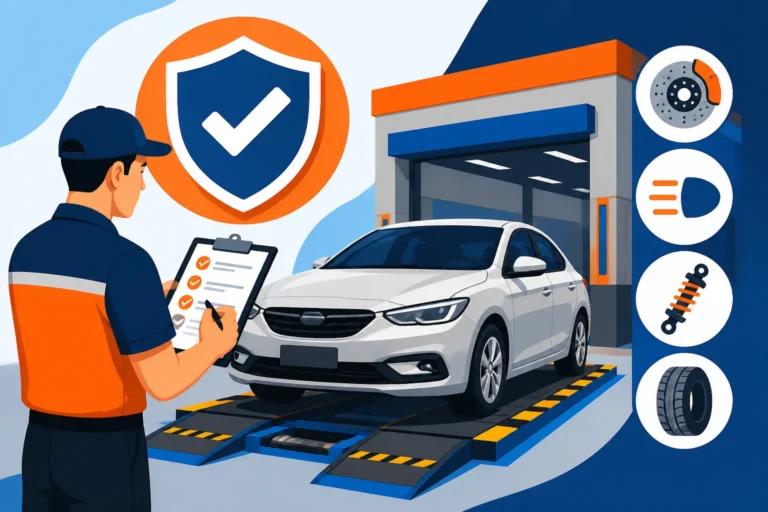
Then there's Puspakom, a government-appointed company responsible for mandatory vehicle inspections. You can't transfer ownership of a used vehicle or register certain categories of new vehicles without a Puspakom inspection certificate. Their role is to ensure that vehicles on Malaysian roads are roadworthy and that their details match the official records. This can be a bit of a hurdle, as queues can be long, and the inspection itself is quite thorough.
Finally, your insurance provider is crucial. Vehicle insurance is mandatory in Malaysia, and you cannot get or renew your road tax without valid insurance coverage. When buying a new car, the dealership will typically assist with this, but for used vehicles, you'll need to arrange it yourself before you can complete the JPJ transfer. This is also something to consider if you're bringing a car into Malaysia, as you'll need to secure insurance coverage that meets local requirements.
Types of Vehicle Ownership and Expat Eligibility
For expats, the question of who can actually own a vehicle in Malaysia can feel a bit murky. Generally, foreigners can own vehicles, but the specific requirements depend on your visa status and whether you're buying a car under your personal name or through your company.
If you're on an Employment Pass or a Malaysia My Second Home (MM2H) visa, you can generally register a vehicle under your personal name. The Employment Pass signifies you're a long-term resident contributing to the economy, while MM2H is specifically for long-term stay. You'll need to present your valid passport, visa, and sometimes a letter from your employer or proof of residence. The specific requirements can vary slightly from state to state or even branch to branch within JPJ, which can be a source of frustration. Always double-check the latest requirements on the JPJ website or by calling their hotline – or better yet, engage a reliable agent if you can.
Registering a vehicle under a company name is another common route, especially for senior executives or for vehicles primarily used for business purposes. In this scenario, the company, which must be legally registered in Malaysia, is the owner. You'll typically need a letter from the company confirming your employment and authorisation to use the vehicle, along with the company's registration documents. This can sometimes simplify things for the individual expat, as the company handles much of the bureaucratic legwork. However, it also means the vehicle is a company asset, not yours personally, which has implications if you leave the company or the country.
Tourists or those on a Social Visit Pass cannot typically register a vehicle in Malaysia under their name, as these visas do not signify long-term residency. If you're a tourist looking to explore, relying on services like Grab or considering a short-term rental car is usually the way to go. For those looking at longer stays or considering remote work, researching options like the DE Rantau Digital Nomad Pass in Malaysia might open doors to more stable residency options that could facilitate vehicle ownership later on.
Registering a Brand-New Vehicle in Malaysia
The process of registering a brand-new vehicle in Malaysia is, thankfully, often handled largely by the car dealership. However, as an expat, there are still a few crucial things you need to be aware of and documents you'll need to provide. Don't assume everything will be seamless; it's always best to be prepared.
Expat Eligibility and Required Documents for New Car Registration
To register a new car in your name as an expat, your eligibility primarily hinges on your visa status. As mentioned, a valid Employment Pass or MM2H visa is usually required. If you're on a Dependant Pass, you might be able to register a vehicle, but it's best to check with JPJ as requirements can vary.
The documents typically required from you include:
- Original Passport: Your passport with at least six months validity.
- Original Visa/Pass: Your Employment Pass, MM2H visa, or other long-term pass. Ensure it’s stamped correctly in your passport.
- Driving Licence: A valid Malaysian driving licence or an international driving permit with your foreign licence. While not strictly for vehicle registration, you'll need this to legally drive the car off the lot! If you still need to convert your licence, check out How to Convert a Foreign Driving Licence in Malaysia.
- Proof of Residential Address: This can be a utility bill (electricity, water, or internet) in your name, a tenancy agreement, or a letter from your employer confirming your address. Make sure the address matches what’s on your other official documents as much as possible to avoid complications.
- Letter of Employment/MM2H Approval Letter: A letter from your employer confirming your employment status, duration, and salary can sometimes be requested, especially if your visa details aren't immediately clear to the processing officer. For MM2H holders, your approval letter is key.
- Sales Agreement/Purchase Order: The official document from the car dealership confirming your purchase.
- Insurance Certificate (e-cover note): Proof of valid vehicle insurance. The dealership will arrange this for you.
The dealership will handle the rest of the documentation, including the manufacturer's invoice, vehicle inspection reports (if any, for certain categories of vehicles), and all the JPJ forms. It's a good idea to keep digital copies of all your documents readily accessible, perhaps on your phone, in case you need to send them quickly. Having a reliable local data plan, maybe even an eSIM from a provider like Airalo, can be a lifesaver for this.
The Step-by-Step New Vehicle Registration Process
While the dealership does most of the heavy lifting, understanding the steps helps you anticipate the timeline and what's expected of you.
- Vehicle Purchase and Loan Application: You select your car, pay the booking fee, and if needed, apply for a car loan. The bank will often require similar documents as JPJ for your identity and financial stability.
- Insurance Arrangement: The dealership will work with an insurance provider to get your mandatory motor insurance. This must be in place before registration.
- JPJ Documentation Preparation: The dealership’s liaison officer will compile all necessary documents, including your personal ones, and submit them to JPJ. This often includes initial online submissions and preparing physical forms.
- Vehicle Registration and Plate Number: JPJ processes the application, assigns a registration number (unless you've bid for a fancy one!), and registers the vehicle in your name (or your company's). The Vehicle Ownership Certificate (VOC) is issued. This is the digital equivalent of the old "car grant," though many still refer to it as a grant.
- Road Tax Payment: Simultaneously, the road tax for the first year is paid. This is often calculated based on engine capacity and the type of vehicle. For foreigners, road tax can sometimes be higher than for Malaysian citizens, particularly if you are not an MM2H visa holder or if there are specific state regulations.
- Delivery: Once registered, insured, and taxed, your car is ready for collection! The dealership will usually affix the number plates for you.
The entire process, from placing an order to collecting your car, can take anywhere from a few weeks to a couple of months, depending on vehicle availability, loan approval times, and JPJ processing speed. It’s always best to stay in close communication with your sales advisor at the dealership for updates. Remember to ask for copies of all official documents once the car is delivered, especially your VOC and insurance policy. These are crucial for future renewals or if you ever need to transfer ownership. If you're pondering How to Buy a Car as a Foreigner in Malaysia, remember that patience is a virtue!
Transferring Ownership of a Used Vehicle in Malaysia
Buying a used car can be a more economical option, but the ownership transfer process from the seller to you, the expat buyer, requires more direct involvement than buying a new car. This is where you'll interact most closely with JPJ and Puspakom.
The Seller's Role and Requirements
The seller has several critical responsibilities to ensure a smooth transfer. If they are not diligent, it can cause significant delays for you.
First, the seller must ensure their vehicle is free of any outstanding summonses or blacklisting by authorities like the police or the Road Transport Department itself. Any unresolved issues will halt the transfer process dead in its tracks. They should also clear any outstanding loans on the vehicle with their bank. The vehicle's original Vehicle Ownership Certificate (VOC) is a must-have for the transfer. If it's a newer digital VOC, they'll need their MyKad (Malaysian ID) for verification.
Crucially, the seller needs to send the vehicle for a mandatory inspection at Puspakom to obtain the B5 inspection report (for ownership transfer). This report verifies the vehicle's identity (chassis number, engine number) and ensures it's roadworthy. This certificate is only valid for 60 days, so it's important that this is done close to the actual transfer date.
For the actual transfer at JPJ, both the buyer and seller (or their authorised representatives) must be present for fingerprint verification. This is a critical security measure to prevent fraudulent transfers. The seller will also need their original MyKad. If the seller is an expat leaving the country, they might designate a representative with a power of attorney, which adds another layer of paperwork. Always make sure the seller is fully aware of their responsibilities before committing to a purchase.
Buyer's Eligibility, Documents, and Step-by-Step Transfer
As the expat buyer, your eligibility for a used car mirrors that of a new car – typically requiring an Employment Pass or MM2H visa. The documents you'll need to gather are very similar to new car registration, with a few additions:
- Original Passport & Visa/Pass: As with new registration.
- Driving Licence: Valid Malaysian or international driving permit.
- Proof of Residential Address: Utility bill, tenancy agreement, etc.
- Letter of Employment/MM2H Approval Letter: To verify your long-term residency.
- Sales Agreement: A formal agreement between you and the seller, detailing the vehicle, sale price, and terms.
- Puspakom B5 Inspection Report: Provided by the seller.
- Vehicle Ownership Certificate (VOC): The original document from the seller.
- Vehicle Insurance (e-cover note): You must purchase new insurance in your name for the vehicle before the JPJ transfer. This is a common point of confusion; many expats think they can do it afterwards, but it's required for the transfer.
Here's the step-by-step process for transferring ownership:
- Vehicle Inspection by Seller (Puspakom B5): The seller takes the car to Puspakom for the B5 inspection.
- Purchase Agreement & Payment: You and the seller agree on a price, sign a sales agreement, and arrange payment. It’s always wise to hold back a small percentage until the transfer is complete.
- New Insurance for Buyer: You, as the buyer, must arrange and pay for new motor insurance for the vehicle in your name. You'll need the vehicle details from the VOC and the Puspakom report to do this.
- JPJ Transfer Application: Both you and the seller (or your respective authorised agents) proceed to a JPJ office.
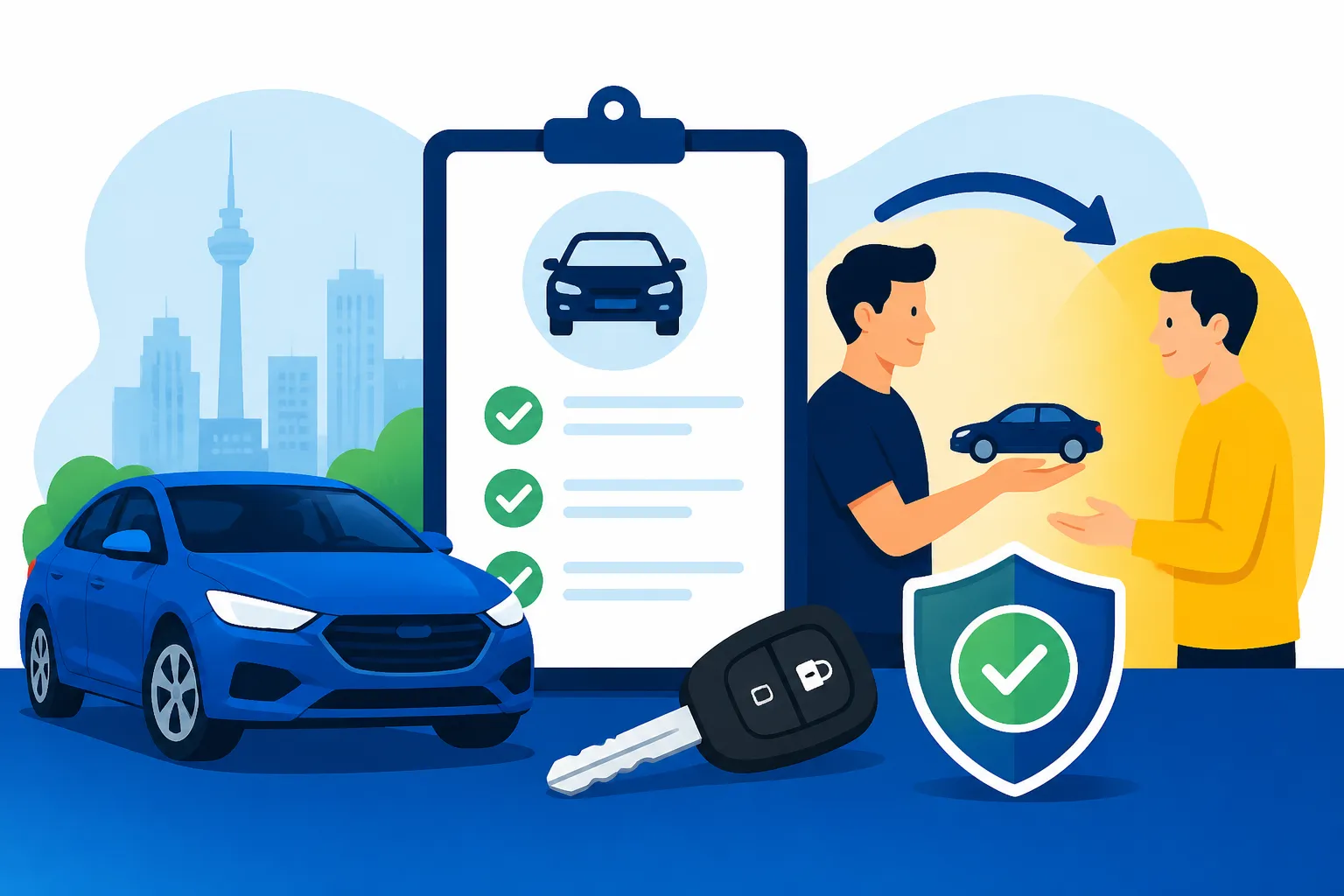
- Submission of Forms: The seller will fill out Form JPJ K3 (Change of Ownership of Motor Vehicle), and both parties will submit all required documents.
- Fingerprint Verification: Both buyer and seller will undergo biometric fingerprint verification. This is usually done on the spot. If one party cannot be present, a representative with specific authorisation and forms (JPJ K3A) can act on their behalf, but this often requires a statutory declaration and can complicate matters, especially for expats.
- Processing and Payment: JPJ processes the transfer. A nominal transfer fee is paid.
- Issuance of New VOC: Once approved, a new Vehicle Ownership Certificate (VOC) will be issued in your name. Congratulations, you're now the proud owner!
The entire transfer process at JPJ itself can be quite quick if all documents are in order and both parties are present. However, gathering documents, getting Puspakom done, and arranging insurance can take several days. Patience is key.
Table: Key Documents for Vehicle Transactions
Here's a quick comparison of the primary documents needed for new registration versus ownership transfer:
| Document Type | New Vehicle Registration (via Dealership) | Used Vehicle Ownership Transfer (Buyer & Seller) | Notes |
|---|---|---|---|
| Passport & Visa/Pass | Yes (Expats) | Yes (Expats) | Original, valid, for identity & residency proof. |
| Driving Licence | Yes (for driving) | Yes (for driving) | Malaysian or International Driving Permit. |
| Proof of Address | Yes | Yes | Utility bill, tenancy agreement, employer letter. |
| Employer Letter/MM2H | Yes (if applicable) | Yes (if applicable) | Verifies long-term residency. |
| Sales Agreement | Yes (from dealership) | Yes (between buyer/seller) | Proof of purchase & agreed terms. |
| Vehicle Insurance | Yes (arranged by dealership) | Yes (new policy in buyer's name) | Mandatory for road tax. Must be in place before JPJ transfer. |
| Puspakom B5 Report | Not applicable | Yes (seller's responsibility) | Mandatory for used vehicle transfers, valid for 60 days. |
| Vehicle Ownership Cert. | Issued by JPJ | Original VOC from seller | Crucial document for legal ownership. |
| JPJ Forms | Handled by dealership | JPJ K3, K3A (if agent), etc. | Provided at JPJ, often pre-filled by agents. |
| Fingerprint Verification | Not applicable | Yes (both buyer & seller at JPJ) | Essential biometric security step. |
Mandatory Vehicle Inspections: Understanding Puspakom
Puspakom inspections are a fundamental part of maintaining vehicle roadworthiness and ensuring legitimate transactions in Malaysia. For expats, this often feels like an additional bureaucratic hurdle, but understanding its purpose and process can ease the experience.
Why Puspakom Inspections Are Required
The primary reason for Puspakom's existence is road safety and combating vehicle fraud. Every vehicle in Malaysia must meet certain safety and emission standards, and Puspakom is the independent body tasked with verifying this.
For used vehicle ownership transfers, the B5 inspection is mandatory. It serves to:
- Verify Vehicle Identity: Ensure the chassis and engine numbers match the vehicle's registration documents, preventing the transfer of stolen or illegally modified vehicles.
- Check Roadworthiness: Assess critical components like brakes, suspension, tires, lights, and emissions to confirm the vehicle is safe to be on the road.
- Ensure Compliance: Confirm the vehicle complies with Malaysian regulations.
Without a valid Puspakom B5 inspection certificate, JPJ will simply not process the transfer of ownership. This can be frustrating if you've already agreed to buy a car, only to find the seller hasn't done the inspection or the car fails.
Certain other inspections are also handled by Puspakom, such as routine inspections for commercial vehicles, voluntary inspections, and special inspections for vehicles brought in from overseas. If you're considering How to Find a Reliable Moving Company in Malaysia and plan to bring your car, it will likely require a Puspakom import inspection as part of the customs and registration process.
The Puspakom Inspection Process for Expats
Navigating a Puspakom centre can feel intimidating, especially with language barriers, but it's a fairly standardised process.
- Booking an Appointment: While walk-ins are sometimes accepted, especially at smaller branches, it's highly recommended to book an appointment online via the Puspakom website. This saves you waiting hours in the hot Malaysian sun. You'll need the vehicle registration number and some basic details.
- Required Documents for Inspection:
- Vehicle Registration Certificate (VOC) / Car Grant.
- Original MyKad (for Malaysian sellers) or Passport (for expat sellers).
- Appointment slip (if pre-booked).
- Taking the Vehicle to the Centre: The vehicle must be brought to the Puspakom centre by the owner or an authorised representative. For ownership transfer, it's usually the seller's responsibility. Make sure the vehicle is clean and accessible for inspection.
- The Inspection: A Puspakom technician will conduct a series of checks, including:
- Identity Check: Verification of chassis and engine numbers against the VOC.
- Visual Inspection: Lights, wipers, seatbelts, bodywork, mirrors.
- Brake Test: Computerised test of brake efficiency.
- Side-Slip Test: To check wheel alignment.
- Suspension Test: Assessment of shock absorbers.
- Smoke Emission Test: To measure exhaust emissions.
- Undercarriage Inspection: To check for leaks, rust, and structural integrity.
- Receiving the Report: If the vehicle passes, you'll receive the B5 inspection report immediately. If it fails, a rejection slip detailing the issues will be given. The vehicle then needs to be repaired and brought back for a re-inspection of only the failed components, usually within a stipulated timeframe.
The fee for a B5 inspection for ownership transfer is usually around RM30. While Puspakom strives for efficiency, expect potential delays. Having a charged phone and perhaps a local data plan like Airalo can help you stay connected if you need to contact someone or access information while waiting.
The Nitty-Gritty: Insurance, Road Tax, and Annual Renewals
Once you've navigated the initial hurdles of registration or transfer, the ongoing responsibilities of vehicle ownership in Malaysia primarily revolve around keeping your insurance and road tax up to date. These are mandatory and crucial for legal driving.
Mandatory Vehicle Insurance and Options for Expats
In Malaysia, having valid motor vehicle insurance is not just a good idea, it's the law. You cannot renew your road tax without it, and driving without insurance can lead to hefty fines, points on your license, and even imprisonment.
Most vehicle owners opt for Comprehensive Insurance, which covers damages to your own vehicle, third-party property damage, third-party injury/death, and typically includes coverage for theft and fire. Given Malaysia's sometimes unpredictable traffic conditions and extreme weather, comprehensive coverage is highly recommended.
Third-Party, Fire, and Theft insurance is a step down, covering third-party liabilities, fire, and theft, but not damages to your own vehicle from an accident. The most basic, Third-Party Only insurance, covers only damages to other vehicles or property and injuries/death to other people. It's the cheapest but offers you no protection for your own car.
As an expat, you'll find numerous insurance providers in Malaysia, including major local players like Etiqa, Allianz, AIG, and Liberty Insurance. It's wise to get quotes from several companies to compare coverage and prices. Factors affecting your premium include the vehicle's age, make and model, engine capacity, your driving record, and your No-Claim Discount (NCD). If you have a good NCD from your home country, some insurers might consider it, but this is rare and often requires extensive documentation. Expect to start with a lower NCD.
You'll also need to consider add-ons, such as flood coverage (a real concern during monsoon seasons!), windscreen damage, and special perils. While the overall Cost of Healthcare in Malaysia: A Complete Breakdown for Foreigners (2026) is a different matter, ensuring your car is properly insured against local risks is equally important for your financial well-being.
Calculating Road Tax and the Annual Renewal Process
Road tax is the annual fee paid to the government for the right to use your vehicle on public roads. The amount of road tax depends primarily on:
- Engine Capacity (CC): Higher CC generally means higher road tax.
- Vehicle Type: Cars, motorcycles, and commercial vehicles have different rates.
- Location: Vehicles registered in East Malaysia (Sabah and Sarawak) often have lower road tax rates than those in Peninsular Malaysia.
- Owner Type: This is where expats sometimes face a difference. Non-MM2H visa holders can sometimes be subjected to a higher rate compared to Malaysian citizens, though this varies and should be verified at the JPJ. MM2H holders usually get the same rates as locals.
You can check the latest road tax rates on the JPJ website or by using online calculators provided by insurance companies. For a typical 2.0L sedan in Peninsular Malaysia, road tax can be several hundred Ringgit annually.
The annual renewal process is fairly straightforward:
- Renew Insurance: First, you must renew your vehicle insurance. This can be done easily online through your chosen insurance provider, via comparison websites, or through an agent. You'll receive an e-cover note via email.
- Renew Road Tax: Once your insurance is renewed, you can renew your road tax. This can be done online via the MyJPJ portal (if you have an account and MyKad), at any JPJ office, UTC, or through post offices (Pos Malaysia branches) nationwide. You'll need your vehicle registration number and the insurance e-cover note. The system will automatically detect your renewed insurance.
- Road Tax Sticker: If you renew online, you'll receive a digital road tax. While some still prefer the physical sticker, the digital version is now widely accepted. If you want a physical sticker, you can request it to be mailed or pick it up at a JPJ counter or Pos Malaysia.
It's crucial to renew both your insurance and road tax before their expiry dates. Driving with expired road tax or insurance is a serious offense and can result in fines or impoundment of your vehicle. You can often renew your road tax up to two months before its expiry. For a more detailed look, consider reading Understanding Road Tax and Insurance Renewal in Malaysia.
Tips and Tricks for a Smoother JPJ Experience
Let's be honest, dealing with any bureaucracy in a foreign country can be a test of patience. The JPJ in Malaysia is no exception. While the process is generally clear, little things can make a big difference, especially for expats.
Overcoming Language Barriers and Bureaucratic Hurdles
One of the most significant challenges expats face at JPJ offices is the language barrier. While many staff members speak English, especially in major urban centres, you might encounter officers who are more comfortable in Bahasa Malaysia. Forms are often bilingual, but explanations might not be.
Here are some tips:
- Bring a Malaysian Friend or Agent: If you're not confident in your Bahasa Malaysia, having a local friend accompany you can be invaluable. Alternatively, engaging a professional agent who specialises in JPJ matters (many used car dealers offer this service) can save you a lot of headaches, though it comes at a cost. They know the ins and outs and can often expedite the process.
- Translate Key Terms: Familiarise yourself with basic JPJ terms in Bahasa Malaysia, such as "pendaftaran kenderaan" (vehicle registration), "tukar hak milik" (change of ownership), "cukai jalan" (road tax), and "insurans" (insurance).
- Double-Check Everything: Before heading to JPJ, meticulously check all your documents. Ensure names, addresses, and numbers match exactly. One tiny discrepancy can lead to rejection and a wasted trip. Make copies of everything you plan to submit, and keep originals safe.
- Go Early: JPJ offices, especially in cities like Kuala Lumpur, can get very crowded. Arriving shortly after opening hours can significantly reduce your waiting time.
- Be Patient and Polite: Bureaucracy moves at its own pace. Maintaining a calm and respectful demeanor, even when frustrated, will always yield better results.
Remember, Malaysian government agencies are becoming more digital. Setting up your account on the MyJPJ portal can make some renewals easier, but for initial registrations or complex transfers, a physical visit is often unavoidable.
Where to Seek Help and Common Expat Misconceptions
When in doubt, don't just guess. Incorrect steps can cost you time and money.
- JPJ Hotline/Website: The official JPJ website and hotline are good starting points for information. However, sometimes the website is not fully updated for specific expat scenarios, and the hotline might have long waiting times.
- Car Dealerships: If buying a new car, your sales advisor is your primary point of contact. For used cars, many reputable used car dealers also offer assistance with transfers or can recommend agents.
- Expat Forums and Groups: Online expat communities in Malaysia (Facebook groups are particularly active) are a treasure trove of shared experiences and advice. Just remember to cross-verify information, as regulations can change.
- Professional Agents: For a fee, agents can handle the entire process for you, from Puspakom to JPJ. This can be a worthwhile investment if your time is limited or you prefer to avoid the hassle.
- Your Employer: If you're on an Employment Pass, your company's HR or administrative department might have experience or designated agents for vehicle-related matters, especially if they assist other expat employees.
One common misconception among expats is that their international driving permit is sufficient indefinitely. While it's usually valid for up to 90 days or until your foreign license needs to be endorsed, for long-term residency, you'll need to either convert your foreign license to a Malaysian one or get an international driving permit endorsed by JPJ. Another is assuming road tax rates are the same for everyone; as discussed, expat status can sometimes influence the cost. Understanding these nuances, as highlighted in guides like Driving in Malaysia: Licences, Registration and Rules for Expats (2027), is crucial for smooth sailing on Malaysian roads.
Disclaimer
The information provided in this guide is for general informational purposes only and does not constitute legal or professional advice. While we strive to keep the information accurate and up-to-date, regulations and procedures can change. Expats are strongly advised to verify the latest requirements with the official Road Transport Department (JPJ) of Malaysia or seek advice from a qualified professional before taking any action. The author and publisher will not be held responsible for any loss or inconvenience caused by reliance on this information.