How to Use Grab and Ride-Hailing Apps in Malaysia
Navigating a new country can feel overwhelming, especially when you're trying to figure out how to get from point A to point B without a car or a firm grasp of the local public transport system. The good news is that for us expats and tourists in Malaysia, ride-hailing apps have become an absolute lifesaver, transforming what could be a headache into a remarkably convenient and affordable way to explore this beautiful nation. This guide will walk you through everything you need to know to confidently use ride-hailing services, making your daily commute or weekend adventures a breeze.
Why Ride-Hailing Apps Are Essential for Expats in Malaysia
When you first arrive in Malaysia, the sheer thought of driving on the "wrong" side of the road, deciphering road signs, or even just understanding the complex public transport routes can feel like climbing Mount Kinabalu in flip-flops. That's where ride-hailing apps swoop in like a superhero, providing a much-needed sense of control and ease of movement in a new environment. For many of us, it’s not just a convenience; it's a necessity, especially when you're still settling in or if you prefer not to own a car here.
Overcoming Public Transport Challenges
While cities like Kuala Lumpur boast a respectable The Expat Guide to Public Transport in Malaysia system with its LRT, MRT, and monorail lines, the reality is that its coverage isn't always comprehensive, particularly when you venture outside the main city centres. You might find yourself in an area where the nearest station is a good 20-minute walk, or where the last-mile connectivity is simply nonexistent. This can be incredibly frustrating, especially under the scorching Malaysian sun or during a sudden downpour.
Moreover, understanding the various ticketing systems, identifying the correct lines, and navigating crowded stations during peak hours can be a steep learning curve for newcomers. For many expats, the sheer complexity and time commitment involved in stitching together multiple public transport options for a single journey make ride-hailing a far more appealing alternative. It removes the stress of planning and allows you to simply input your destination and relax.
Convenience and Accessibility Across Cities
One of the greatest advantages of ride-hailing apps is their ubiquitous presence across Malaysia. From the bustling streets of Kuala Lumpur and the heritage charm of Penang to the southern metropolis of Johor Bahru, these services are readily available. This means whether you're heading to a business meeting, exploring a night market, or simply doing your weekly grocery run, a ride is usually just a few taps away on your smartphone.
This accessibility is particularly beneficial for those living in areas less serviced by public transport, or for tourists who might be staying in boutique hotels slightly off the beaten path. It allows you to explore the country at your own pace, without being tied to bus schedules or train lines. For many, it truly opens up Malaysia, making destinations that would otherwise require complex planning or a costly traditional taxi ride easily reachable.
Safety and Reliability
When you're new to a place, concerns about safety, especially regarding transport, are entirely valid. Ride-hailing apps in Malaysia offer several layers of reassurance that traditional taxis might not always provide. For starters, every ride is tracked via GPS, and you can share your journey details with friends or family, offering peace of mind. The app also clearly displays the driver’s name, photo, vehicle make, model, and license plate number before they arrive, allowing you to confirm you're getting into the right car.
The rating system further enhances reliability, as drivers are motivated to provide excellent service to maintain high ratings, and passengers can offer feedback directly. This transparency and accountability are invaluable, ensuring a consistent and generally positive experience. It’s a huge relief to know that your ride is monitored and that there’s a clear channel for support if any issues arise, a stark contrast to sometimes ambiguous experiences with unmetered taxis.
The King of Ride-Hailing: Grab Malaysia
There's no getting around it: Grab is the undisputed champion of ride-hailing in Malaysia. Much like Uber dominated other markets, Grab has firmly cemented its place as the go-to app for almost every transport need, and much more. If you're going to download just one app for getting around Malaysia, this is it. It’s not just a ride-hailing service; it’s evolved into an entire super-app ecosystem, encompassing food delivery, parcel delivery, and even payment services, making it an integral part of daily life for many residents.
Setting Up Your Grab Account and Profile
Getting started with Grab is fairly straightforward. First, you'll need to download the Grab app from your device's app store (Google Play Store or Apple App Store). The registration process will typically ask for your mobile number, which is crucial as it's how drivers will contact you. You’ll receive an SMS verification code, so make sure your phone number is active and working, and that you have sufficient mobile data. For expats arriving, having a local SIM card with a good data plan from providers like Maxis, Celcom, or Digi is highly recommended, or at least a reliable eSIM from a service like Airalo to ensure you're always connected.
After verifying your phone number, you’ll be prompted to provide your name and email address. You can also connect your account to social media profiles like Facebook or Google for quicker sign-up. It’s wise to take a moment to add a profile picture, as this helps drivers identify you more easily, especially in crowded pick-up spots. Once these details are in, you’re pretty much ready to start booking rides. Make sure to review Grab's terms of service and privacy policy, as with any online service, to understand how your data is used.
Navigating the Grab App Interface
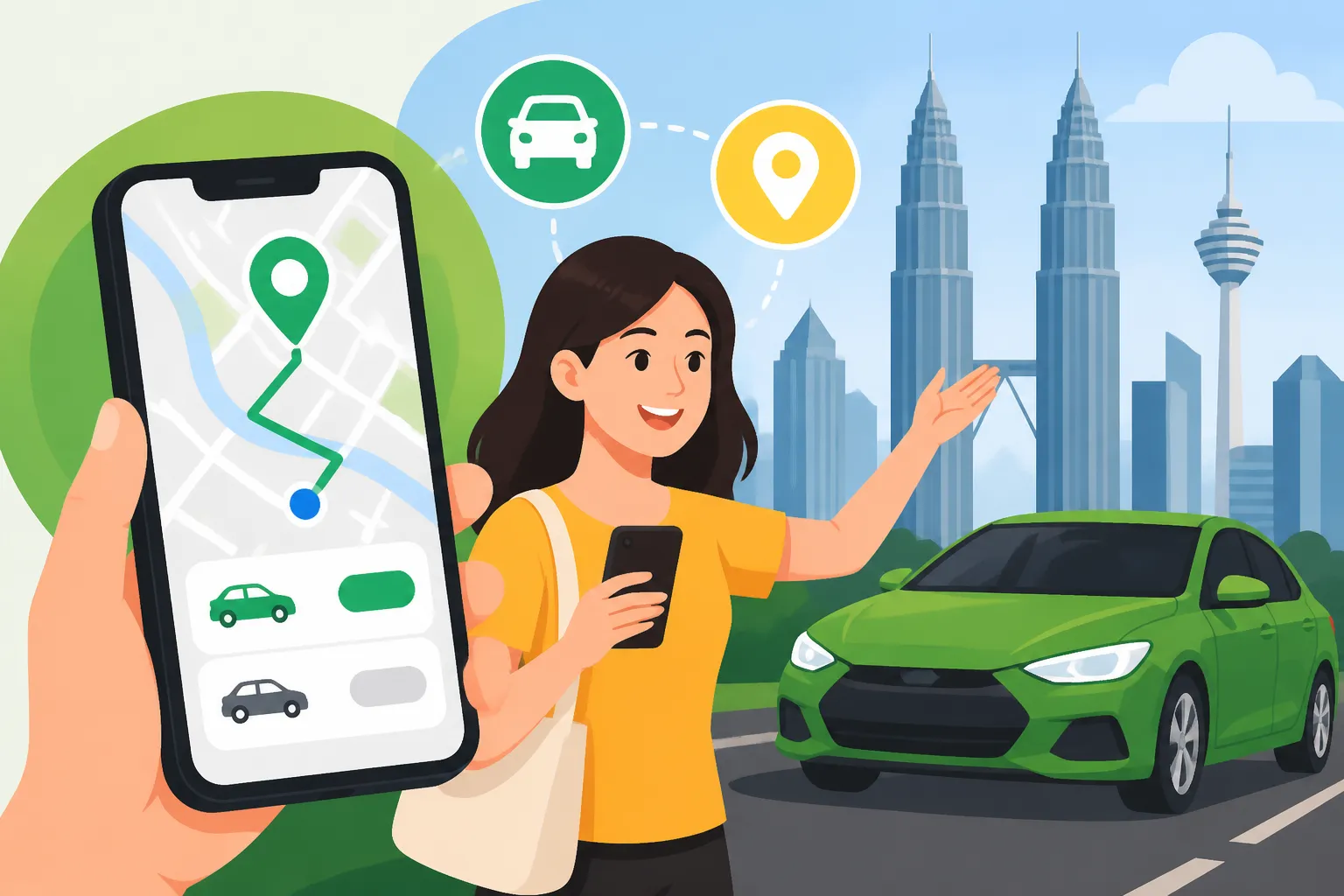
The Grab app is designed with user-friendliness in mind, though its multitude of services can seem a bit much at first glance. Upon opening, you’ll usually land on the main screen displaying various service icons: 'Car,' 'Food,' 'Mart,' 'Delivery,' and more. To book a ride, simply tap the 'Car' icon. From there, you'll see a map showing your current location (ensure GPS is enabled on your phone). You then input your destination into the "Where to?" field.
Once you’ve set your destination, the app will automatically detect your pick-up location, but it’s always a good idea to fine-tune this by moving the pin on the map to a precise spot, especially if you’re at a large building or shopping mall with multiple entrances. This simple step can save you and your driver a lot of hassle and avoid unnecessary cancellations. The interface then presents you with different vehicle options and their estimated fares, allowing you to choose the one that best suits your needs and budget.
Understanding Grab Services and Vehicle Types
Grab offers a variety of services to cater to different passenger needs and budgets. The most common options you’ll encounter include:
- GrabCar: This is the standard, most frequently used service. It typically involves a regular sedan, comfortable for up to four passengers. It's your everyday, reliable ride for most situations.
- GrabCar Plus: A slightly more premium option, offering newer cars and often higher-rated drivers. It comes at a slightly higher price but can be worth it for a more comfortable or important journey.
- GrabCar (6-Seater): Ideal for groups or families with more luggage. These are usually MPVs or larger SUVs, accommodating up to six passengers. This service is a godsend if you're travelling with children or have a lot of bags, perhaps after moving some items or picking up relatives who used a service like Sirelo for their big move.
- GrabTaxi: This option connects you with traditional metered taxis through the Grab platform. While less common for everyday use than GrabCar, it can be useful in areas where GrabCar availability might be lower. The fare is based on the taxi meter plus a booking fee.
- GrabShare (formerly): While GrabShare isn't as widely available or promoted now due to shifts in ride-hailing models and passenger preferences, it used to be a carpooling option that offered cheaper fares by sharing a ride with others heading in the same direction. Always check the app for the latest offerings in your specific location.
Each service displays an estimated fare upfront, so you always know what you'll be paying before you confirm your booking. It’s a transparent system that helps you manage your travel budget effectively, and you can compare it to The Cost of Healthcare in Malaysia: A Complete Breakdown for Foreigners (2026) or other costs of living to get a full picture.
Beyond Grab: Other Ride-Hailing Options
While Grab might be the Goliath of ride-hailing in Malaysia, it’s not the only player in the game. A few other services offer alternatives, some with competitive pricing, specific niches, or even slightly different operating models. It’s always a good idea to have a couple of apps downloaded, especially if you find yourself in an area with limited Grab availability or if you want to compare prices during surge hours. Competition usually means better prices and service for us consumers.
Exploring AirAsia Ride and its Niche
AirAsia, the well-known budget airline, has ventured into the ride-hailing market with AirAsia Ride. Leveraging its vast network and brand recognition, AirAsia Ride aims to provide a seamless travel experience, particularly for passengers heading to or from airports. The app often integrates with AirAsia's broader travel ecosystem, potentially offering benefits or loyalty points to frequent flyers.
While AirAsia Ride is still growing its market share compared to Grab, it can be a strong contender, especially in major cities like Kuala Lumpur. You might find competitive fares, especially if they are running promotional campaigns to attract new users. It’s worth checking their prices when booking an airport transfer or if you're simply looking for an alternative to Grab. Their branding also often appeals to those who are already familiar and comfortable with the AirAsia ecosystem for their other travel needs.
The Cost-Saving Potential of InDrive and Maxim
For those on a tighter budget or looking for more flexibility in pricing, apps like InDrive and Maxim offer a slightly different approach to ride-hailing. Unlike Grab or AirAsia Ride, where fares are set by the algorithm, InDrive operates on a "name your price" model. As a passenger, you propose a fare for your journey, and nearby drivers can then accept your offer, counter with their own price, or decline. This allows for direct negotiation, which can sometimes lead to significantly cheaper rides, especially during non-peak hours or if you're skilled at haggling.
Maxim, another emerging player, often positions itself as a more affordable option, particularly for longer distances or in smaller towns where ride-hailing options might be scarcer. They typically have lower base fares compared to their competitors, appealing to budget-conscious travellers. However, the trade-off with these apps can sometimes be longer waiting times or fewer available drivers, especially during peak demand or in less populated areas. It’s all about weighing the cost savings against the potential for a slightly less immediate service. Having these apps on your phone can really help you compare The Complete Guide to Cost of Living in Malaysia for Expats (2026) in transport.
Traditional Taxi Services vs. Apps
Before ride-hailing apps took over, traditional taxis were the standard mode of transport. You’ll still see plenty of them on the streets of Malaysian cities, easily identifiable by their distinct colours (red and white for budget taxis, blue for executive taxis in KL). While they serve a purpose, especially when you can't get a ride-hailing car, many expats find them less appealing than app-based services due to a few common frustrations.
One frequent complaint is the refusal of drivers to use the meter, especially in tourist-heavy areas like Bukit Bintang or around popular shopping malls. Instead, they might quote an inflated fixed price, leaving you to negotiate, which can be stressful and often more expensive than an app ride. Furthermore, there's less accountability with traditional taxis – no GPS tracking shared with loved ones, and reporting issues can be more cumbersome. For these reasons, most expats stick to ride-hailing apps for their predictability, transparency, and often better value, making them the preferred choice over flagging down a taxi.
Mastering Payment and Pricing with Ride-Hailing Apps
Understanding how to pay for your rides and navigate the pricing structures is key to a smooth and stress-free experience with ride-hailing apps in Malaysia. While these apps offer incredible convenience, knowing the ins and outs of payment methods and how fares are calculated can save you from unexpected costs and minor frustrations. It’s all part of the expat learning curve, just like figuring out How to Set Up a Mobile Phone Plan in Malaysia or managing your bills.
Cash vs. Card: Payment Methods Explained
Ride-hailing apps in Malaysia typically offer a dual payment system: cash or cashless options.
- Cash Payment: This is straightforward. At the end of your ride, you simply pay the driver the exact fare shown on your app. It's always a good idea to have small denominations of Malaysian Ringgit (RM) on hand, as drivers might not always have change for large notes, especially for shorter journeys. While convenient for those who prefer not to link their cards, relying solely on cash means you need to ensure you always have enough physical money, which can be an inconvenience.
- Cashless Payment: This is generally the preferred method for most expats due to its convenience and security. You can link a credit card, debit card, or even use local e-wallet services (like GrabPay, Touch 'n Go eWallet, DuitNow QR) directly within the app. With cashless payments, the fare is automatically deducted from your chosen payment method at the end of the ride. This eliminates the need for physical cash, avoids fumbling for change, and often provides a detailed transaction history for budgeting purposes. For services like Grab, using GrabPay can sometimes earn you points or discounts on other Grab services, adding an extra incentive.
Many users find cashless options much more reliable and stress-free. It removes the potential for disputes over change and offers a layer of protection through the app's customer service if there are any payment issues. When you're constantly on the go, whether you're heading to work or exploring a new neighbourhood, the ability to simply hop out without worrying about cash is a game-changer.
Understanding Surge Pricing and Off-Peak Savings
One of the realities of ride-hailing, not just in Malaysia but globally, is surge pricing. This occurs when demand for rides significantly outweighs the supply of available drivers, typically during peak hours, bad weather, or major events. The app's algorithm temporarily increases fares to incentivize more drivers to come online, thus balancing supply and demand.
You'll notice surge pricing when the estimated fare is significantly higher than usual for a similar distance. The app will usually notify you that "fares are higher due to high demand." While it can be frustrating, especially if you're in a hurry, understanding its mechanics can help you manage costs. If your travel isn't time-sensitive, waiting a few minutes for the surge to subside can often lead to lower fares. Alternatively, during surge periods, checking a secondary app like AirAsia Ride or InDrive might offer a better price, highlighting the benefit of having multiple apps installed. Conversely, during off-peak hours (mid-morning, late afternoon before evening rush), you'll often find base fares, offering significant savings.
The Cost of Your Ride: Estimations and Realities
The beauty of ride-hailing apps is the upfront fare estimation. Before you even confirm your booking, the app will show you an approximate or fixed price for your journey, depending on the service. This transparency is incredibly helpful for budgeting and knowing what to expect. However, there are a few nuances to be aware of:
- Fixed Fares: Most standard GrabCar rides operate on a fixed fare system. What you see is generally what you pay, regardless of traffic conditions or minor route deviations. This is a huge relief, especially in a city like Kuala Lumpur where traffic can be unpredictable.
- Tolls and Surcharges: Be aware that tolls (if your route involves expressways like the MEX or NKVE) are usually not included in the initial fare estimation and will be added to your final bill. The app usually notifies you of this. Similarly, airport surcharges or late-night surcharges might apply in certain circumstances. Always check the ride details before confirming.
- Dynamic Pricing Factors: The estimated fare takes into account factors like distance, estimated travel time, current demand (surge pricing), and even the time of day. So, a ride from Pavilion KL to KLCC might cost slightly more during rush hour than it would at 10 AM.
For a clearer picture, here's a general idea of typical ride-hailing costs in Kuala Lumpur (prices are approximate and subject to change based on distance, time, and demand):
| Journey Example | Estimated GrabCar Fare (RM) | Notes |
|---|---|---|
| Short ride (e.g., KLCC to Bukit Bintang) | 7 – 12 | Plus potential tolls/surcharges. |
| Medium ride (e.g., Bangsar to Petaling Jaya) | 15 – 25 | Can vary significantly with traffic. |
| Long ride (e.g., KLCC to Subang Jaya) | 25 – 40 | Tolls almost always apply. |
| Airport transfer (KLIA to KL City Centre) | 65 – 85 | Plus airport surcharge & tolls. Consider The Expat Guide to Public Transport in Malaysia for comparison. |
These costs are generally very reasonable, especially when compared to taxi fares in many Western countries. Even when considering How Much Does It Cost to Rent an Apartment in Kuala Lumpur in 2026?, transportation costs using ride-hailing can be quite manageable.
Tips and Tricks for a Seamless Ride-Hailing Experience
After years of zipping around Malaysia with ride-hailing apps, I’ve picked up a few invaluable tips that can truly elevate your experience from good to absolutely seamless. It’s all about being prepared, communicating effectively, and knowing how to leverage the app’s features to your advantage. These insights can save you time, stress, and even a bit of money.
Communication is Key: Dealing with Drivers
One of the most common issues expats face is a slight communication barrier with drivers, particularly if you're not fluent in Bahasa Malaysia. While many drivers in urban areas speak basic English, clear communication can prevent misunderstandings.
- Use the In-App Chat: Most apps have an in-app chat function. If your pick-up point is tricky, send a quick message to your driver providing more specific instructions, for instance, "I am at the McDonald's entrance, wearing a blue shirt." This is especially useful if you’re at a busy location like a mall or train station where multiple people might be waiting for rides.
- Pinpoint Your Location Accurately: Before confirming your ride, always double-check the pick-up pin on the map. Sometimes the GPS isn't perfectly accurate, or a large building might have several entrances. Drag the pin to the precise spot where you'll be waiting. A clear pick-up spot vastly reduces the chances of your driver getting lost or cancelling.
- Be Ready for Your Ride: Drivers are on a tight schedule, and waiting for passengers cuts into their earnings. Try to be at your designated pick-up spot as soon as you request a ride. If you know you'll need an extra minute, send a quick message to let them know. Punctuality is appreciated and ensures a smoother experience for everyone.
Safety Measures and Emergency Features
Your safety should always be a priority, and ride-hailing apps have built-in features to help. Familiarize yourself with these before you need them.
- Verify Your Ride: Always, always confirm the driver's name, vehicle model, colour, and license plate number match what's displayed in your app before you get into the car. This simple step is your first line of defence against getting into the wrong vehicle.
- Share Your Journey: Most apps allow you to share your live journey details with trusted contacts. This sends a link to friends or family showing your route, estimated arrival time, and the driver's details. It’s an excellent feature for peace of mind, especially if you're travelling alone or late at night.
- Emergency Button: Look for an in-app emergency button or safety centre. In Grab, for example, there's a safety center icon that allows you to contact emergency services (like Malaysia's 999 hotline) or Grab's support team directly. Know where this is, just in case.
Remember, if you ever feel uncomfortable during a ride, you have the right to ask the driver to stop in a safe location and exit the vehicle. Your intuition is your best guide.
Connectivity Concerns: Staying Online
The entire ride-hailing ecosystem relies on a stable internet connection. If your phone loses signal or runs out of data, you won't be able to book a ride, track your driver, or communicate with them. This can be a major source of stress, especially when you're in an unfamiliar area.
- Reliable Data Plan: Invest in a robust local data plan. Companies like Maxis, Celcom, and Digi offer excellent coverage throughout urban and even many rural areas. For newcomers, purchasing a prepaid SIM card upon arrival or activating an eSIM from Airalo is one of the first things you should do after arriving, alongside finding out How to Get a Malaysian Driving Licence as a Foreigner?.
- Power Bank: Carry a portable power bank. Using GPS and data-intensive apps drains phone battery quickly. A dead phone means no ride-hailing, leaving you potentially stranded.
- Offline Maps: As a backup, consider downloading offline maps of areas you frequently visit (e.g., using Google Maps offline feature). This way, even if you lose signal, you can still get your bearings and guide a driver if necessary.
- Free Wi-Fi Hotspots: Many shopping malls, cafes, and public transport hubs offer free Wi-Fi. If you're low on data or battery, find a hotspot to book your ride before heading to the pick-up spot.
Staying connected ensures you're always in control of your journey, whether you're navigating the bustling streets of Kuala Lumpur or exploring the quieter charm of Penang. It's a small investment that pays huge dividends in peace of mind.
Common Challenges and How to Solve Them
Even with the convenience of ride-hailing apps, you might occasionally encounter a hiccup or two. It’s part of the expat experience in any country, but knowing how to navigate these challenges can turn a potentially frustrating situation into a minor inconvenience. From unexpected cancellations to language nuances, here’s how to handle common issues with grace and efficiency.
Dealing with Cancellations and No-Shows
One of the most common frustrations is when a driver cancels a ride, or worse, doesn't show up. This can be particularly annoying if you're in a hurry or in a less convenient location.
- Driver Cancellations: Drivers might cancel if they can't find you, if the pick-up spot is inaccessible, or if they accidentally accepted a ride too far away. If a driver cancels, the app will usually re-match you with another driver automatically. If it happens repeatedly, try adjusting your pick-up pin to a more visible or accessible location. If you suspect the driver is cancelling to avoid a route, you can report this to the app’s customer service.
- Passenger No-Shows: On your end, it’s crucial to be at your pick-up point on time. Drivers are usually given a short grace period (e.g., 3-5 minutes), after which they have the right to cancel and charge a small cancellation fee. This fee compensates them for their time and fuel. If you're running late, message your driver through the app to inform them.
- When to Cancel Yourself: If you accidentally book a ride to the wrong destination or realise you've made a mistake, cancel immediately. Most apps offer a grace period (e.g., 1-2 minutes) during which you can cancel without incurring a fee. Beyond that, a small fee usually applies. It’s better to cancel early than to have the driver wait for you unnecessarily.
Language Barriers and Navigation Issues
While many Malaysian ride-hailing drivers speak decent English, especially in major tourist areas, you might encounter drivers with limited English proficiency. This can sometimes lead to minor communication breakdowns or navigation issues.
- Keep it Simple: When communicating, use clear, simple English sentences. Avoid slang or complex phrasing. If necessary, use the in-app chat’s translation feature (if available) or rely on short, direct messages.
- Trust the GPS: For navigation, the app's GPS is usually highly accurate. Trust that the driver will follow it. Only intervene if you notice a significant deviation or if you know a shortcut that the GPS might not be aware of, but always offer it politely. Remember that some drivers might prefer a specific route due to traffic knowledge or toll avoidance.
- Landmarks over Addresses: When providing instructions, especially if there's a language barrier, naming nearby prominent landmarks (like a specific restaurant, a bank, or a well-known building) can often be more effective than a precise street address. For example, "I am outside the main entrance of Suria KLCC, near the fountains," is often more helpful than just giving the address.
Lost and Found: Retrieving Your Items
It happens to the best of us: you get out of the car, and only later realise you’ve left your phone, wallet, or backpack behind. Don't panic! Ride-hailing apps have processes in place to help you retrieve lost items.
- Contact Your Driver Immediately: The fastest way to get your item back is to contact the driver directly through the app. In your ride history, you should find an option to "Contact Driver" or "Lost Item." Do this as soon as you realise something is missing. If you used a service like How Do I Use Grab Instead of Owning a Car in Kuala Lumpur?, this is one of its hidden benefits.
- App's Customer Support: If you can't reach the driver (e.g., they've started another ride), contact the app’s customer support. They can act as an intermediary, contacting the driver on your behalf and coordinating a handover. Be prepared to provide details like the ride ID, description of the item, and the approximate location you might have left it.
- Arrange a Pick-Up/Drop-Off: If the driver finds your item, you'll need to arrange a convenient time and place to meet. Sometimes, they might even offer to drop it off at your location for a small fee (to cover their time and fuel), which is generally fair given their effort. While it's a hassle, the system is designed to facilitate the return of lost belongings. It's a far cry from the days of hoping a traditional taxi driver would remember you and your forgotten item!
These apps truly offer a robust safety net, reflecting the service-oriented culture that makes Malaysia such a pleasant place for expats, whether you're dealing with a forgotten item or trying to compare Understanding Dental Care Costs and Clinics in Malaysia.
Disclaimer
Please note that the information provided in this guide is intended for general informational purposes only and is subject to change. Ride-hailing app policies, fare structures, available services, and local regulations in Malaysia can evolve over time. Always refer to the official applications and their respective terms and conditions for the most current and accurate information. While every effort has been made to ensure accuracy, this guide does not constitute professional advice. We strongly recommend exercising due diligence and verifying information directly with the service providers.