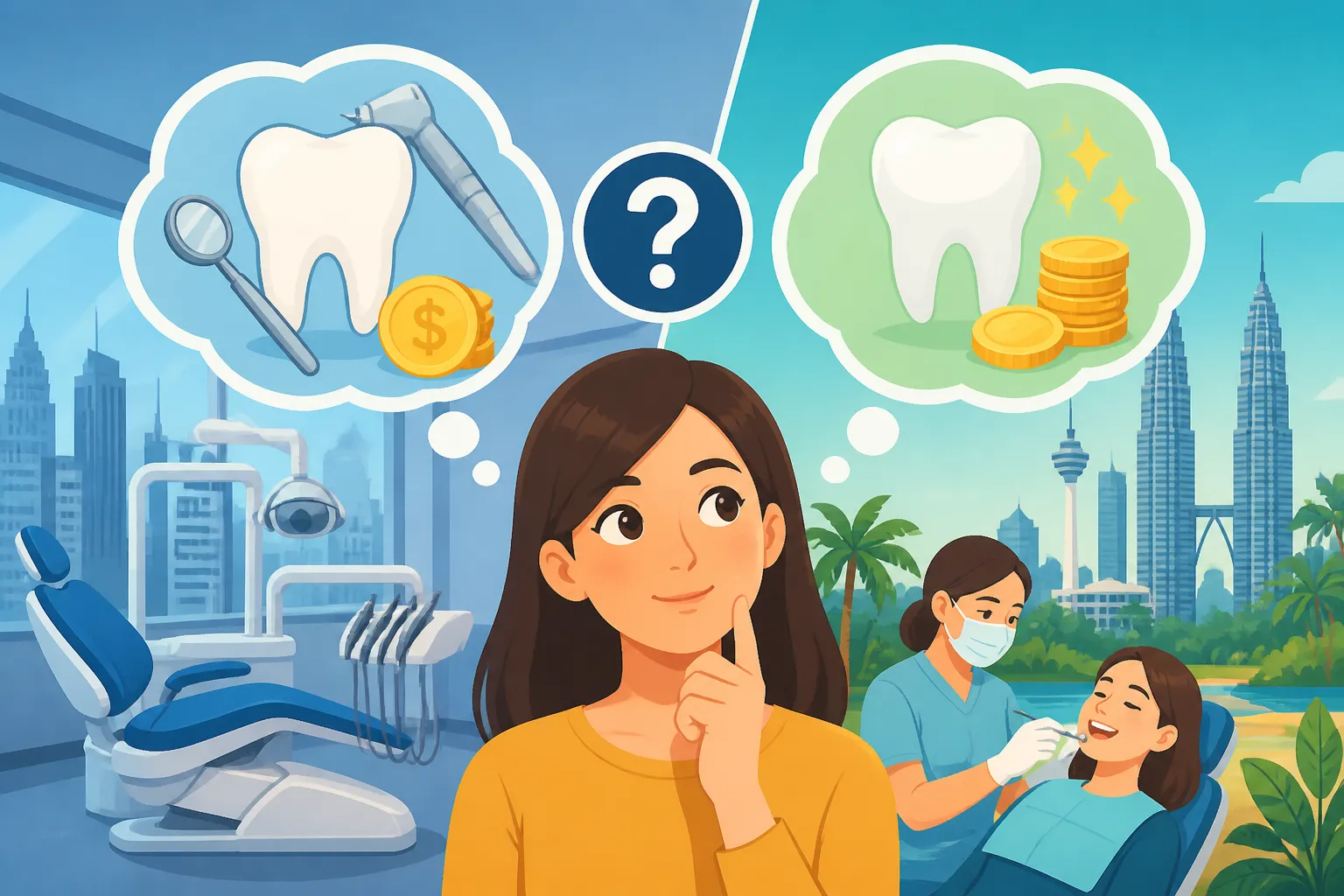
Is It Cheaper to Get Dental Work Done in Malaysia?
Ah, the age-old question that many of us expats and even savvy tourists ponder the moment we arrive: "Is it cheaper to get my teeth fixed here in Malaysia?" Let me tell you, after years of navigating everything from complicated visa renewals to finding a decent cup of kopi O, the sticker shock of dental work back home is real. For many, the answer to that question is a resounding yes, and this guide will walk you through why Malaysia has become a go-to destination for quality, affordable dental care, what to expect, and how to make the most of it.
The Lure of Malaysian Dental Tourism
When you look at the price tag for even a routine cleaning in places like the UK, Australia, or North America, your jaw might just drop – and not in a good way. It's no wonder that a trip to the dentist often gets postponed, sometimes indefinitely, for many of us living abroad or just visiting. Malaysia, with its fantastic blend of modern facilities, highly trained professionals, and a much more favourable exchange rate, offers a compelling alternative that can save you a significant amount of money without compromising on quality. It's a pragmatic choice for many, turning a dreaded dental appointment into a potential mini-holiday.
General Cost Comparison with Western Countries
Let's talk numbers, because that’s often the driving force here. For many standard dental procedures, you can expect to pay anywhere from 50% to 80% less in Malaysia compared to Western countries. Imagine needing a crown, a procedure that might set you back upwards of $1,000 to $2,000 USD (or more!) in the States or Europe. In Malaysia, you could be looking at a range of RM1,500 to RM3,500 (approximately $320 to $750 USD, depending on the exchange rate and clinic). This isn't a small difference; it's potentially thousands of dollars in savings, especially if you're looking at multiple treatments.
Even simpler things like a scaling and polishing (a standard cleaning) that might cost you £80 in the UK or $150 AUD in Australia, often comes in at a mere RM80 to RM250 ($17 to $50 USD) here. It's enough to make you actually look forward to your bi-annual check-up! This stark contrast is what draws so many people to consider Malaysia for their dental needs, transforming a necessary expense into a surprisingly budget-friendly option.
Quality of Dental Care and Infrastructure
Now, I know what you're thinking: "Cheaper often means lower quality, right?" Not necessarily, especially not in Malaysia. This country has invested heavily in its healthcare infrastructure, and that includes dental care. Many clinics, particularly in urban centres like Kuala Lumpur, Penang, and Johor Bahru, boast state-of-the-art equipment, often on par with what you’d find in top clinics globally. Dentists here are typically well-qualified, having received their training either locally at respected universities or internationally in places like the UK, Australia, or even the US.
You’ll find clinics that offer a full range of services, from general dentistry to highly specialized fields like orthodontics, periodontics, and oral surgery. The Ministry of Health Malaysia oversees the regulation of dental practices, ensuring certain standards are met. This means you’re not just walking into a discount clinic; you’re often stepping into a modern, professional environment. It’s a common misconception that affordability equates to a compromise on standards, but Malaysia often proves this wrong, offering excellent value for money.
The Exchange Rate Advantage
One of the biggest unsung heroes in Malaysia's affordable dental care narrative is the favourable exchange rate. For those earning in stronger currencies like USD, EUR, GBP, AUD, or SGD, your money simply goes a lot further here. What might feel like a minor expense for a Malaysian local can feel almost negligible for someone converting from a higher-value currency.
This isn't just about the procedure cost itself, but also the peripheral expenses. Think about it: a taxi ride to the clinic, a meal after your appointment, or even a night's stay if you're travelling from out of town – all these costs are significantly lower when converted from a strong currency. This overall affordability makes a "dental holiday" not just viable, but genuinely attractive. It's a clever way to stretch your budget, get necessary treatments done, and perhaps even explore a new part of Malaysia.
Breaking Down Dental Costs in Malaysia
Understanding the specific costs for different dental procedures is crucial for planning your budget. While prices can vary from clinic to clinic and city to city, having a general idea will help you set realistic expectations. Remember, these are estimates, and it’s always best to get a detailed quote from your chosen clinic.
Common Procedures and Their Price Tags
Let’s start with the basics, the bread and butter of dental care that most of us need at some point.
- Consultation/Check-up: Generally, a first-time consultation will range from RM30 to RM100. Follow-up checks might be slightly less or even included if you’re undergoing a series of treatments.
- Scaling and Polishing (Cleaning): As mentioned, a thorough cleaning is usually RM80 to RM250. Some high-end clinics might charge a bit more, especially if advanced techniques or stain removal are involved.
- Fillings: The cost of fillings depends on the material used (amalgam is cheapest, composite resin is more popular and slightly pricier) and the size of the cavity. You can expect anywhere from RM80 for a small amalgam filling to RM350+ for a larger composite one.
- Tooth Extractions: Simple extractions usually fall within the RM100 to RM400 range. If it’s a more complex extraction, like a wisdom tooth that’s impacted, it could go up to RM800 or more, potentially requiring a specialist oral surgeon.
These everyday procedures are where you see immediate, significant savings compared to Western prices. It’s why many expats living in Malaysia make it a point to get their regular check-ups and minor work done here.
More Complex Treatments
Now, onto the bigger, more involved treatments that often lead to the biggest financial headaches back home. This is where Malaysia truly shines as a dental tourism destination.
- Crowns: A porcelain crown can cost between RM1,500 and RM3,500. The material (porcelain-fused-to-metal, full ceramic, zirconia) and the lab used will influence the price.
- Veneers: Dental veneers, a popular cosmetic procedure, typically cost RM1,200 to RM3,000 per tooth. Again, material and the number of teeth involved will dictate the final price.
- Root Canal Treatment (RCT): This one can be quite costly elsewhere. In Malaysia, a root canal typically ranges from RM600 for a front tooth to RM1,800+ for a molar (which has more canals). This often requires multiple visits.
- Dental Implants: This is perhaps one of the most significant savings. A single dental implant, including the implant screw, abutment, and crown, can range from RM4,500 to RM8,000. Compare that to $3,000-$5,000+ USD in many Western countries, and you can see the massive difference.
- Orthodontics (Braces/Aligners): Traditional metal braces can start from RM5,000, while more discreet options like ceramic braces or clear aligners (e.g., Invisalign) will be higher, potentially RM8,000 to RM18,000 or more, depending on the complexity and duration of treatment.
For serious procedures, the savings are substantial enough that a trip to Malaysia specifically for dental work often pays for itself, even factoring in flights and accommodation. If you’re considering major work, it's worth getting a few quotes and exploring the possibilities.
Factors Influencing Dental Pricing
While the general costs are much lower, it's important to understand that prices aren't monolithic across Malaysia. Several factors can influence the final bill:
- Clinic Type and Location: Just like anywhere else, a boutique clinic in a swanky Kuala Lumpur neighbourhood (like Mont Kiara or Bangsar) might charge more than a general practice in a smaller town or a less affluent area. Clinics attached to major private hospitals might also have slightly higher overheads. However, even these higher-end options are typically far more affordable than their Western counterparts.
- General Practitioner vs. Specialist: For routine work, a general dentist is perfectly fine. But for complex procedures like wisdom tooth extractions, advanced root canals, or orthodontics, you might need a specialist (oral surgeon, endodontist, orthodontist). Specialists, naturally, command higher fees due to their advanced training and expertise. Don't shy away from seeking specialist care if needed; their fees are still very reasonable.
- Material Quality: The quality and brand of materials used for crowns, implants, or fillings can affect the price. Discuss these options with your dentist. Reputable clinics will use high-quality, internationally recognized materials.
- Technology Used: Clinics that invest in advanced technology like 3D imaging, CAD/CAM for same-day crowns, or laser dentistry might have slightly higher prices, but they also offer benefits like quicker treatment times and greater precision.
When comparing costs, always ask for a breakdown of what's included and what might be extra. Don't be afraid to ask questions – a good clinic will be transparent with their pricing.
Navigating Dental Clinics as an Expat or Tourist
Finding the right dental care in a new country can feel like a daunting task. You want quality, reliability, and someone who understands your concerns, especially if English isn't their first language. But don't fret; Malaysia has a robust system, particularly in the private sector, designed to cater to international clients.
Finding Reputable Clinics and English-Speaking Dentists
The key to a good experience is doing your homework. Many private dental clinics in major Malaysian cities are highly professional and used to dealing with expats and tourists. Most dentists and clinic staff, especially in urban areas, will speak excellent English, which immediately eases communication worries.
Here's how to find them:
- Online Search and Reviews: A quick Google search for "dentist Kuala Lumpur expat" or "dental clinic Penang English speaking" will yield plenty of results. Look for clinics with a strong online presence, good reviews on platforms like Google Maps, and testimonials from other foreigners.
- Expat Forums and Social Media Groups: These are goldmines of personal recommendations. Ask in expat Facebook groups or forums for specific clinics that others have had positive experiences with. Nothing beats a personal endorsement!
- Hospital Dental Departments: Major private hospitals like Pantai Hospital, Gleneagles Hospital, and Sunway Medical Centre often have dedicated dental departments or affiliated dental clinics within their premises. These are usually top-tier facilities with highly qualified specialists, albeit sometimes at a slightly higher price point. If you're looking for How to Access Care at a Private Hospital Group Like Pantai or Gleneagles, their dental services are often integrated.
- Word-of-Mouth: Ask fellow expats or long-term tourists you meet. They’ve likely been through the dental rounds themselves.
When you've shortlisted a few, check their websites for dentist profiles, services offered, and contact details. Don't hesitate to call or email them with your specific needs and ask for estimated costs.
Understanding Dental Insurance and Payment
This is where it gets a little tricky for dental work. While many expats have health insurance, dental coverage, especially for elective or non-emergency procedures, is often a separate rider or not included at all. For most general medical needs, Health Insurance in Malaysia: Local, International and Employer Options Explained provides a good overview, but dental is distinct.
- Employer-Provided Insurance: Some expat packages might include a basic level of dental coverage for routine check-ups and minor fillings. Check your policy carefully.
- International Health Insurance: High-tier international health insurance plans sometimes offer comprehensive dental benefits, but these are often more expensive. If you’re relying on a travel insurance provider like SafetyWing, it’s essential to understand that their standard Nomad Insurance usually covers emergency dental due to accidental injury, not routine check-ups or elective procedures. However, for those on a longer stay or digital nomad journey, they do offer an add-on for comprehensive health coverage that might include some dental, so always check the specifics of your plan.
- Paying Out of Pocket: For many, paying cash out of pocket is the most straightforward option, especially given the significantly lower costs. Most clinics accept cash, debit cards, and credit cards. Some might offer instalment plans for very expensive treatments, though this is less common for foreign patients.
- Claiming Reimbursement: If your insurance does cover dental, you'll typically need to pay upfront and then submit your receipt and dental report for reimbursement. Always get an itemized bill. For general guidance on claims, How to Claim Reimbursement from Your Health Insurer in Malaysia can be a helpful read.
It's vital to clarify payment methods and insurance compatibility with your chosen clinic before you start treatment to avoid any unwelcome surprises.
Tips for a Smooth Dental Experience
To ensure your dental journey in Malaysia is as comfortable and efficient as possible, keep these tips in mind:
- Get a Detailed Quote: Before any significant work begins, ask for a written, itemized treatment plan and cost estimate. This avoids any miscommunication and helps you compare clinics accurately.
- Ask About Follow-up Care: Especially for complex procedures like implants or orthodontics, you’ll need follow-up appointments. Discuss the schedule and any associated costs upfront.
- Don't Rush: If you're coming specifically for major dental work, allow enough time for initial consultations, treatment, and any necessary follow-up checks. Trying to squeeze complex procedures into a short trip can add stress.
- Be Prepared with Your Medical History: Bring any relevant dental or medical records from your home country, especially X-rays or reports from previous treatments. This helps the new dentist understand your history quickly.
- Communicate Clearly: Even with English-speaking dentists, sometimes technical terms can be confusing. Don't be afraid to ask them to explain things in simpler terms or to show you diagrams.
- Consider a Consult First: If you’re doing a “dental holiday,” consider flying in for just an initial consultation and X-rays. Get the treatment plan and quote, then fly back to your home country to decide and schedule the main treatment. This small initial investment can give you peace of mind.
Making Your Dental Trip Worthwhile
So, you’ve decided to take the plunge and get your dental work done in Malaysia. Why not turn it into an opportunity to explore this incredible country? Many expats find that even with the added cost of travel, the savings on dental work still make it worthwhile, plus you get a memorable holiday out of it.
Planning Your Dental Holiday
Strategic planning is key to maximizing your savings and enjoyment.
- Timing is Everything: If your dental work requires multiple visits (e.g., root canals, implants, or braces adjustments), you’ll need to schedule either longer stays or multiple trips. For something like a full mouth of veneers or implants, you might need a two-week trip for the initial work, and then perhaps another trip a few months later for the final fittings.
- Accommodation: Consider booking accommodation near your chosen clinic. Major cities like Kuala Lumpur have excellent public transport, but proximity simplifies daily logistics. You can find everything from budget hostels to luxurious serviced apartments.
- Visa Requirements: Ensure you have the appropriate visa for your length of stay. For shorter visits, many nationalities enjoy Understanding the 90-Day Visa-Free Entry and Its Limits in Malaysia, but longer stays will require a social visit pass extension or other arrangements.
Remember, a little pre-planning goes a long way in turning potential stress into a smooth experience.
Combining Dental Care with Local Exploration
Malaysia is a vibrant country with so much to offer, and integrating your dental appointments with sightseeing is entirely doable and highly recommended.
- Kuala Lumpur: If your clinic is in the capital, you're spoiled for choice. Spend your recovery time exploring the Petronas Twin Towers, Batu Caves, or the bustling markets of Central Market and Petaling Street. Enjoy the incredible food scene, from hawker stalls to fine dining. It’s a city that keeps on giving.
- Penang: Known as the food capital of Malaysia, Penang offers a more laid-back charm with its UNESCO World Heritage city of George Town. Combine your dental visits with street art hunting, temple explorations, and endless culinary adventures. How Much Does a Private GP Visit Cost in Penang? gives you an idea of healthcare accessibility here too.
- Johor Bahru: If you're coming from Singapore, JB is a popular choice for dental work due to its proximity and even lower costs than KL or Penang. After your appointment, you could visit Legoland Malaysia or explore the city's growing cafe scene.
Even if you’re only here for a few days, try to carve out some time for local culture and cuisine. It’s part of the Malaysian experience!
What to Watch Out For
While the vast majority of dental clinics in Malaysia are reputable, it's always wise to be aware of potential pitfalls, just as you would in any country:
- Unrealistic Prices: If a price seems too good to be true, it probably is. Extremely lowball quotes might indicate a compromise on material quality, sterilization standards, or dentist experience.
- Lack of Transparency: Be wary of clinics that are unwilling to provide detailed quotes, explain procedures clearly, or answer your questions about qualifications or materials.
- Pressure Sales: A good dentist will present options and allow you time to make an informed decision, not pressure you into expensive treatments you don't need.
- Aftercare: For certain treatments, comprehensive aftercare instructions and support are crucial. Ensure your clinic offers this, especially if you'll be leaving the country shortly after treatment. If you have a travel insurance plan like SafetyWing, make sure you understand what emergency post-treatment issues they might cover, if any, when you're back home, though elective follow-ups are generally not included.
By being diligent and trusting your gut, you can ensure a safe and successful dental journey. For broader medical concerns, The Complete Guide to Healthcare in Malaysia for Expats (2027) provides more context.
Here's a quick comparison table to give you a clearer picture of potential savings:
| Procedure | Estimated Cost in Malaysia (MYR) | Estimated Cost in Malaysia (USD)* | Estimated Cost in Western Countries (USD) |
|---|---|---|---|
| Consultation/Check-up | RM30 – RM100 | $6 – $21 | $50 – $150 |
| Scaling & Polishing | RM80 – RM250 | $17 – $53 | $100 – $250 |
| Composite Filling (small) | RM80 – RM200 | $17 – $43 | $150 – $350 |
| Simple Extraction | RM100 – RM400 | $21 – $85 | $200 – $500 |
| Porcelain Crown | RM1,500 – RM3,500 | $320 – $750 | $1,000 – $2,500+ |
| Root Canal (Molar) | RM1,200 – RM1,800 | $255 – $385 | $800 – $1,500+ |
| Dental Implant (single) | RM4,500 – RM8,000 | $960 – $1,700 | $3,000 – $6,000+ |
| Dental Veneer (per tooth) | RM1,200 – RM3,000 | $255 – $640 | $800 – $2,000+ |
| Traditional Braces | RM5,000 – RM10,000 | $1,060 – $2,130 | $3,000 – $7,000+ |
*Approximate USD conversion based on RM1 = $0.21 USD (as of early 2024, subject to fluctuation)
As you can see, the financial benefits are quite clear. Whether you're an expat needing ongoing care or a tourist seeking a cost-effective solution for a specific treatment, Malaysia offers a compelling package. Just ensure you do your research, communicate openly, and enjoy the beautiful country while you're at it!
Disclaimer
The information provided in this article is intended for general guidance and informational purposes only, and does not constitute medical, financial, or legal advice. While efforts have been made to ensure accuracy and timeliness, costs and regulations are subject to change. Always consult with qualified dental professionals, insurance providers, and relevant authorities for the most current and personalised advice regarding your specific situation in Malaysia.