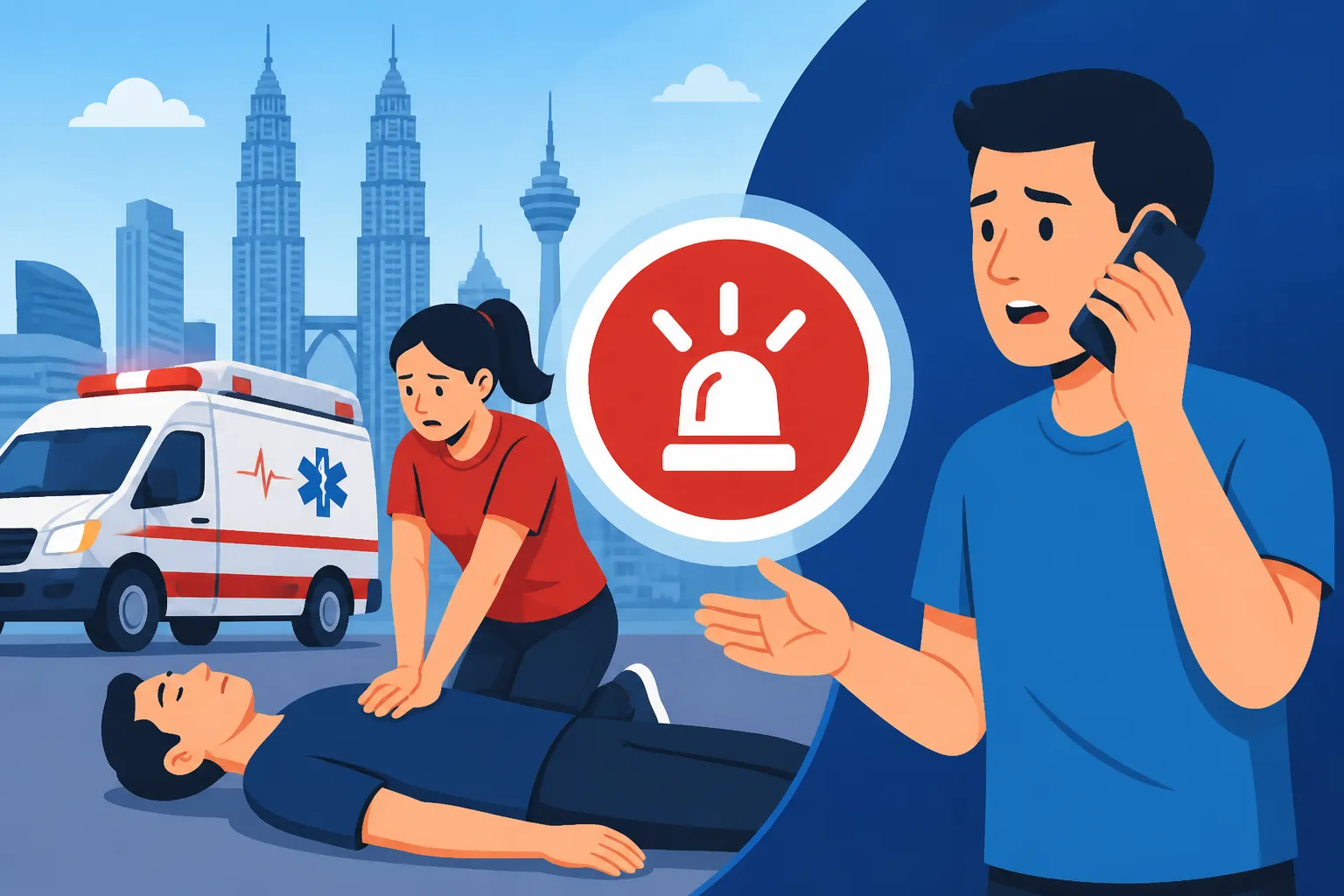
What Should I Do in a Medical Emergency in Kuala Lumpur?
Waking up in the middle of the night with a high fever or experiencing a sudden injury in a city as sprawling as Kuala Lumpur can be absolutely terrifying for a foreigner. Navigating an unfamiliar medical system while in pain or panic is a challenge no one wants to face. This guide breaks down exactly how to access emergency services, where to go for the best care, and how to handle the financial and administrative hurdles inherent to the Malaysian healthcare landscape.
Immediate Response: Calling for Help in Kuala Lumpur
When a medical crisis strikes, your first instinct is likely to reach for your phone. In Malaysia, the primary emergency number is 999. This is a consolidated service that handles police, fire, and medical emergencies. When you call 999 from within the Klang Valley, you are connected to the Malaysian Emergency Response Services (MERS 999). While the operators are generally bilingual, the stress of an emergency can make communication difficult, so it is vital to speak clearly and provide specific landmarks, especially if you are in a high-rise condominium or a dense area like Bukit Bintang or Mont Kiara.
However, veteran expats will often tell you that the public ambulance service can be unpredictable in terms of response time. Traffic in Kuala Lumpur is legendary, and a 999 ambulance will typically take you to the nearest government hospital, such as Hospital Kuala Lumpur (HKL), rather than a private facility of your choice. If you are in a situation where every second counts and you prefer a private hospital, many major institutions like Prince Court Medical Centre or Gleneagles Hospital have their own dedicated ambulance fleets. Saving these direct numbers in your phone beforehand is a move you will never regret.
If the situation is stable enough for a car journey, using a ride-hailing app like Grab is often faster than waiting for an ambulance. Drivers in KL are generally very helpful, but you must be mindful that they are not medical professionals. For something as serious as a suspected heart attack or major trauma, always wait for a professional ambulance equipped with the necessary life-support tools. Understanding the nuances of Understanding Emergency Numbers (999) and Ambulance Services in Malaysia is the first step in ensuring you aren't left waiting on a curb in the tropical heat.
The Role of Private Ambulance Services
For those who have specific preferences or high-end insurance, private ambulance services are a viable alternative. Organizations like St. John Ambulance of Malaysia or the Red Crescent offer high-quality transport, often with shorter wait times if they have a station nearby. These services will charge a fee, usually ranging from RM200 to RM600 depending on the distance and the level of care required during transit.
When you call a private service, be prepared to give your exact GPS coordinates. In many of the newer developments in Cyberjaya or even parts of Bangsar, street names can be confusing for dispatchers. Mentioning a nearby mall or a specific LRT station can save precious minutes. While you wait, ensure you have your passport or a clear copy of it ready, as no hospital—public or private—can process your admission without valid identification.
Choosing Your Emergency Room: Public vs. Private
Kuala Lumpur offers a dual-tier healthcare system, and the choice between a public (government) and private hospital emergency room (ER) usually comes down to two factors: cost and speed. Government hospitals in Malaysia are world-class in terms of medical expertise, particularly for major trauma and complex surgeries. If you are involved in a serious road accident, the public system is often the safest place to be because of its massive resources and specialized emergency departments.
The downside of the public system for foreigners is the "Foreigner Rate" and the sheer volume of patients. At a place like Hospital Kuala Lumpur (HKL) or University Malaya Medical Centre (UMMC), the ER is a high-pressure environment with a triage system that prioritizes life-threatening cases above all else. If you arrive with a non-life-threatening emergency, such as a deep laceration or a high fever, you might find yourself waiting several hours. Furthermore, foreigners are charged significantly higher rates than locals, though these are still generally lower than private hospital prices. Understanding How Much Are Foreigner Fees at Malaysian Government Hospitals is crucial before you walk through those doors.
On the other hand, private hospitals like Pantai Hospital Kuala Lumpur or Sunway Medical Centre offer an experience that feels more like a hotel. The wait times are significantly shorter, the facilities are modern, and you are more likely to have a private room if admission is required. However, these facilities require a substantial deposit or a "Guarantee Letter" from your insurer before they even begin treatment in some cases. If you are a digital nomad or frequent traveler, having a flexible plan like SafetyWing can provide the peace of mind needed to access these high-end facilities without the immediate fear of a massive bill.
What to Expect in a Private ER
Upon arrival at a private ER in Kuala Lumpur, you will be met by a triage nurse who will assess your vital signs. Unlike the public system, the administrative staff will simultaneously ask for your insurance details or a credit card for a deposit. This deposit can range from RM500 for a simple consultation to RM5,000 or more if surgery is suspected. It is a stressful part of the process, but it is standard practice in Malaysia.
Private hospitals are highly specialized, so if you have a specific condition—say, a pediatric emergency—you might want to head directly to a facility known for its children's wing. Knowing How to Access Care at a Private Hospital Group Like Pantai or Gleneagles can help you decide which facility is closest to your home or office during a crisis. The level of English proficiency in these hospitals is exceptionally high, which removes one layer of stress during a medical event.
Financial Logistics: Deposits and Insurance
One of the most jarring aspects of the Malaysian healthcare system for newcomers is the requirement for upfront payment or a Guarantee Letter (GL). Even in a medical emergency, private hospitals will insist on knowing how the bill will be settled. If you have local employer-provided insurance, you will usually have a medical card that the hospital can swipe to check your coverage. If you are using international insurance like SafetyWing, you will need to contact their 24/7 assistance line immediately so they can issue a GL to the hospital.
For many expats, the initial "emergency room fee" is just the beginning. If the doctor decides you need to be admitted for observation or surgery, the financial requirements escalate. This is where Understanding Hospital Admission and Deposit Requirements in Malaysia becomes vital. Many private hospitals will not move a patient from the ER to a ward until the deposit is cleared. In a true life-or-death situation, they will stabilize the patient first, but the administrative pressure remains constant.
If you find yourself without insurance or if your policy doesn't cover a specific treatment, you can request a transfer to a government hospital once you are stable. This is a common practice to manage costs. However, the transfer process itself involves ambulance fees and coordination between the two facilities, which can be a logistical headache. Keeping a credit card with a high limit specifically for medical emergencies is a strategy many long-term expats adopt to bridge the gap between treatment and insurance reimbursement.
| Service Feature | Government Hospital (Public) | Private Hospital |
|---|---|---|
| Response Time | Slower (Triage-based) | Usually very fast |
| Wait Times | Can be several hours | Typically 15-45 minutes |
| Cost for Foreigners | Moderate (Standardized fees) | High (Variable by facility) |
| Specialist Access | Available but high demand | Immediate access usually available |
| Facility Quality | Functional and busy | Luxury and private |
| Payment Model | Pay as you go / Cash | Deposit or Guarantee Letter (GL) |
Documentation and Post-Emergency Care
Once the immediate crisis has passed and you have been treated, the administrative work begins. If you are employed in Malaysia, you will need a Medical Certificate (MC) to justify your absence from work. Malaysian employers are very strict about this; a simple note from a doctor isn't always enough. You need the official MC format provided by the clinic or hospital. If you're unsure about the rules, read up on Understanding Medical Certificates (MC) and Sick Leave in Malaysia to ensure your job security isn't at risk after a health scare.
Before leaving the hospital, ensure you have a full medical report and copies of any scans (X-rays, MRIs) or blood test results. These are your property, and you may need them for insurance claims or if you seek a second opinion later. In Malaysia, it is common to be given a physical folder with all your records. Don't lose this. If you are a traveler using SafetyWing, these documents are essential for your claims process once you are back on your feet.
Post-emergency follow-ups are usually handled by specialists within the same hospital. You will be given a follow-up appointment date. Unlike some Western countries where you might wait weeks to see a specialist, in the KL private system, you can often get an appointment within 24 to 48 hours. If you decide the private specialist is too expensive for long-term care, you can take your records and seek a referral to a government facility or a general practitioner. Knowing How Specialist Referrals Work in the Malaysian Health System can save you a lot of money on non-urgent follow-up care.
Managing Medications and Prescriptions
After an ER visit, the hospital pharmacy will provide your initial course of medication. Be aware that hospital pharmacies are often significantly more expensive than outside retail pharmacies like Watson’s, Guardian, or Caring. While it’s easier to get your first dose at the hospital, for long-term medications, ask the doctor for a written prescription that you can take to a retail pharmacy.
Malaysia has strict laws regarding "controlled medicines." You cannot simply buy antibiotics or certain painkillers over the counter without a valid local prescription. If your emergency treatment requires ongoing medication, Understanding the Malaysian Pharmacy System and Controlled Medicines will help you navigate the refills without having to return to the expensive hospital specialist every time you run out.
Essential Preparation for Future Emergencies
Living in Kuala Lumpur is an adventure, but being prepared for the "what ifs" is what separates a savvy expat from a stressed one. First, create an "Emergency Folder" in your home and a digital version on your phone. This should include a copy of your passport, your visa page, your insurance policy (with the claims number for SafetyWing clearly highlighted), a list of any allergies, and your current medications.
Secondly, identify your "Primary Hospital." Don't wait for an emergency to find out where the nearest ER is. Drive there once, see where the emergency entrance is, and check if they have a 24-hour pharmacy. If you have children, find the nearest Private Hospital Group Like Pantai or Gleneagles that has a 24-hour pediatric specialist on call. Not all hospitals have specialists on-site at 3:00 AM; some work on an "on-call" basis where they have to drive from home, which can add an hour to your wait time.
Finally, keep a local "Emergency Contact" who isn't just your spouse or partner. If both of you are involved in an incident, you need a trusted friend or colleague in KL who knows your medical history and can assist with the kids or pets. The expat community in Malaysia is incredibly supportive, and having a "WhatsApp" group for your neighborhood or building can be a literal lifesaver when the unexpected happens.
For more detailed information on navigating the costs of these services, you might find our guide on The Cost of Healthcare in Malaysia: A Complete Breakdown for Foreigners (2026) particularly helpful. Being informed is your best defense against the stress of a medical crisis in a foreign land.
Disclaimer
The information provided in this guide is for educational and informational purposes only and does not constitute professional medical or legal advice. While every effort has been made to ensure the accuracy of the details regarding Kuala Lumpur's healthcare system, policies and fees can change. Always consult with a qualified healthcare professional or your insurance provider for specific advice related to your medical needs. In a life-threatening emergency, call 999 immediately.