Where Can I Get a Vaccination as an Adult in Malaysia?
Moving to a new country often involves a mountain of paperwork, but one thing that frequently falls through the cracks is the status of your adult immunizations. Many expats arrive in Kuala Lumpur or Penang only to realize their childhood records are decades old or that tropical risks like Typhoid and Hepatitis A are much more prevalent here. This guide simplifies the process, showing you exactly where to go and what to expect when updating your vaccinations in Malaysia.
Understanding the Landscape of Adult Vaccination in Malaysia
When you first land in Malaysia, the heat and the food are usually the first things on your mind, not whether your Tetanus shot is up to date. However, as someone who has lived here for years, I can tell you that navigating the healthcare system for preventative care is quite different from seeking emergency treatment. The Malaysian healthcare system is divided into two clear sectors: the heavily subsidized public sector and the highly efficient, yet pricier, private sector.
Public vs Private: Where Do Expats Fit In?
In the public sector, the government focuses heavily on the National Immunisation Programme (NIP), which is primarily designed for infants and school-aged children. While adults can technically access certain vaccines at a "Klinik Kesihatan" (government health clinic), the process for foreigners is often bogged down by administrative hurdles and long wait times. If you are on an Employment Pass or an MM2H visa, you will find that Understanding the Difference Between GP Clinics and Hospitals in Malaysia is crucial, as most expats gravitate toward private facilities for speed and convenience.
In the private sector, vaccinations are treated as a commercial service. You can walk into almost any private clinic and request a consultation. The private system is where you will find the most comprehensive stock of adult vaccines, including those for travel or specific occupational needs. For those who are still transitioning or waiting for their local corporate insurance to kick in, utilizing a flexible plan like SafetyWing can provide a safety net for other medical issues while you navigate these out-of-pocket preventative costs.
Common Vaccines Recommended for Adults in the Tropics
Living in Malaysia exposes you to a different profile of environmental risks compared to Europe or North America. Beyond the standard Tdap (Tetanus, Diphtheria, and Pertussis) boosters, health professionals here often recommend Hepatitis A and B, especially given the vibrant street food culture we all love. Typhoid is another big one for the same reason.
Then there are the region-specific concerns. Japanese Encephalitis is a risk in more rural or agricultural areas, and with the recent introduction of the Dengue vaccine (Qdenga) in Malaysia, many expats are finally finding a way to protect themselves against the dreaded "breakbone fever." Before you head to a clinic, it is worth Understanding the Cost of Healthcare in Malaysia: A Complete Breakdown for Foreigners (2026) so you can budget for these multi-dose schedules.
The Best Places to Get Vaccinated in Malaysia
Identifying the right facility depends on which vaccine you need and how much time you have. Malaysia is home to world-class medical facilities, but they aren't all created equal when it comes to the logistics of adult immunization.
Private Hospitals and Specialist Clinics
For comprehensive "one-stop" service, large private hospital groups like Pantai, Gleneagles, or Sunway Medical Center are your best bet. These hospitals usually have dedicated "Wellness Centres" or "Health Screening Departments" that handle vaccinations. The advantage here is that they almost always have the vaccines in stock. If you need something more obscure, like the Rabies vaccine or a specific travel-related jab, a major hospital is the most reliable source.
When I needed my Hepatitis B series, I found that The Expat Guide to Choosing a Private Hospital in Malaysia (2027) helped me narrow down which facility was closest to my office in Bangsar. These hospitals offer a high level of English proficiency, and the staff are very accustomed to dealing with the documentation requirements for foreign embassies or international employers.
General Practitioner (GP) Clinics and Klinik Kesihatan
For more common shots like the annual Influenza vaccine or a Tetanus booster, your local neighborhood GP clinic is often sufficient. These clinics are found in almost every shophouse row in Malaysia. They are convenient, usually require no appointment, and have lower consultation fees than big hospitals. However, the downside is that they may not keep a large inventory of vaccines. It is always wise to call ahead and ask if they have the specific brand or type you need.
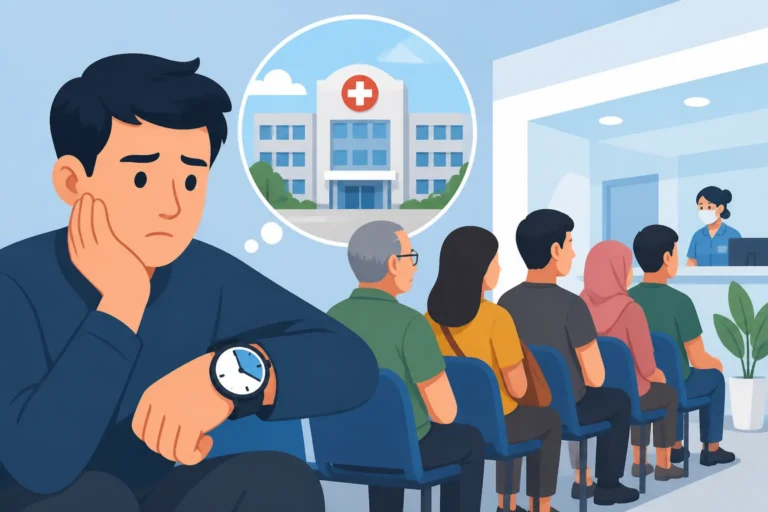
If you are on a tight budget, you might consider Understanding Klinik Kesihatan and 1Malaysia Clinics for Foreigners. While foreigners pay higher rates than locals, the base cost of the vaccine itself can sometimes be lower. However, be prepared for a "first-come, first-served" environment that can take up several hours of your morning. For those who value their time, the private GP remains the gold standard for convenience.
Travel Clinics and Specialized Centers
Kuala Lumpur has several specialized travel clinics, often located within major medical hubs like Prince Court or Twin Towers Medical Centre. These centers specialize in the "pre-travel" consultation, which is vital if you plan on trekking through Borneo or visiting remote parts of Southeast Asia. They provide the International Certificate of Vaccination (the "Yellow Book"), which is a legal requirement for entry into some countries if you have recently traveled from a Yellow Fever risk zone.
If you are a digital nomad moving frequently between borders, having a plan like SafetyWing is a great way to ensure you have access to medical assistance regardless of which country you are currently visiting for your jabs. They understand the mobile lifestyle, which mirrors the flexibility you need when chasing down specific medical requirements across different jurisdictions.
Costs, Documentation, and Practical Tips for Foreigners
One of the biggest shocks for new expats is the variance in pricing. Unlike some Western countries where preventative care is "free" at the point of service, in Malaysia, you are paying for the consultation, the vaccine itself, and sometimes a small "procedure fee" for the nurse who administers the injection.
What Will It Cost? A Price Comparison
The table below provides a rough estimate of what you might pay at a private clinic in Kuala Lumpur or Penang in 2026. Keep in mind that prices in smaller towns like Ipoh or Melaka may be slightly lower, while premium hospitals in KLCC will be at the higher end of the spectrum.
| Vaccine Type | Estimated Cost (RM) | Number of Doses |
|---|---|---|
| Influenza (Flu) | 80 – 150 | Annual |
| Hepatitis B | 60 – 100 per dose | 3 Doses |
| Typhoid | 100 – 180 | 1 Dose (Booster every 3 years) |
| Tdap (Tetanus/Diphtheria/Pertussis) | 150 – 250 | 1 Dose (Booster every 10 years) |
| HPV (Gardasil 9) | 500 – 700 per dose | 3 Doses |
| Dengue (Qdenga) | 400 – 550 per dose | 2 Doses |
For a more detailed look at medical billing, check out Understanding Outpatient vs Inpatient Care and Billing in Malaysia. It will help you decipher the itemized receipts you get after your appointment.
Documents You’ll Need to Bring
Do not just show up at a clinic and expect them to know your history. You need to be proactive. Always bring your passport, as this is the primary form of identification used in the Malaysian healthcare system. If you have a digital or physical copy of your previous immunization records from your home country, bring those too. It prevents unnecessary over-vaccination and helps the doctor determine if you only need a booster rather than a full primary series.
If you are getting vaccinated for work purposes, bring any specific forms your employer has provided. Some companies have "panel clinics" where they have pre-arranged billing. You should research How to Register at a Panel Clinic Through My Employer in Malaysia to see if your vaccinations can be billed directly to your company, saving you the hassle of a reimbursement claim later.
Dealing with Side Effects and Post-Vaccination Care
Malaysia’s climate can be brutal if you are feeling under the weather. After getting a jab, especially something like the Typhoid or Dengue vaccine, you might experience a low-grade fever or muscle aches. My best advice? Schedule your shots for a Friday afternoon. This gives you the weekend to rest in the air conditioning and hydrate properly.
If you do have a more significant reaction, knowing What Is the Emergency Phone Number in Malaysia? is vital, although serious adverse reactions to common vaccines are extremely rare. Most private clinics will provide you with a contact number for the doctor who administered the shot in case you have concerns later that evening.
Specialized Vaccinations and Group-Specific Requirements
Not everyone needs every vaccine. Your lifestyle and your "why" for being in Malaysia will dictate your immunization schedule.
Travel-Specific Jabs (Yellow Fever, Typhoid)
If your job involves frequent travel to Africa or South America, you must get the Yellow Fever vaccine. In Malaysia, only specific centers authorized by the Ministry of Health can administer this. You can find these at the Port Health offices or major private hospitals like Gleneagles. Since the Yellow Fever vaccine is live, doctors will often counsel you on the timing, especially if you are also due for other immunizations.
For those exploring the local region, Medical Tourism in Malaysia: Why the World Comes Here for Treatment (2027) highlights why our clinics are so well-stocked. We are a hub for the region, meaning we carry vaccines that might be harder to find in neighboring countries. While you are getting your travel shots, it is a good time to consider if your current insurance, like SafetyWing, covers you for those side trips to Thailand or Indonesia where local risks might differ.
Occupational Health and Student Requirements
If you are moving here to work in healthcare, food services, or education, your employer may have mandatory requirements. For example, food handlers in Malaysia are legally required to have the Typhoid vaccine. If you are a student, The Complete Guide to Studying at a Malaysian University (2027) will likely mention that a health screening and specific vaccinations are part of your student pass endorsement process.
Often, these institutional requirements are very strict about the brand and the timing of the doses. Always get a signed and stamped certificate from the clinic. In Malaysia, a "Medical Certificate" or MC is a formal document, but a vaccination certificate is a separate record. If you are unsure of the terminology, reading up on Understanding Medical Certificates (MC) and Sick Leave in Malaysia can clarify how doctors handle official paperwork for your school or office.
Final Advice for the New Arrival
Navigating the Malaysian medical scene is a learning curve, but it is one of the most rewarding parts of settling in. The doctors here are generally very knowledgeable, many having trained in the UK, Australia, or the US. Don't be afraid to ask questions about the vaccine's origin or its efficacy.
If you're still in the process of getting settled, remember that the first few months are the most chaotic. Between finding a condo and How to Find and Register with a General Practitioner (GP) in Malaysia, your health can easily take a backseat. Take it one step at a time. Start with the most urgent boosters, keep your receipts for your tax filings (yes, some medical expenses offer tax relief!), and enjoy the peace of mind that comes with being protected.
The ease of access here is actually better than in many Western countries—once you know which door to knock on. Whether it's a quick trip to the GP or a scheduled visit to a specialist hospital, you'll find that the "Malaysian way" is surprisingly efficient once you've got your documents in order and a plan like SafetyWing in your pocket to handle the unexpected.
Disclaimer
The information provided in this guide is for informational purposes only and does not constitute professional medical advice, diagnosis, or treatment. Always seek the advice of your physician or another qualified health provider with any questions you may have regarding a medical condition or vaccination schedule. Requirements for foreigners and visa holders can change frequently; always verify with the Malaysian Ministry of Health or your respective embassy before making medical decisions.