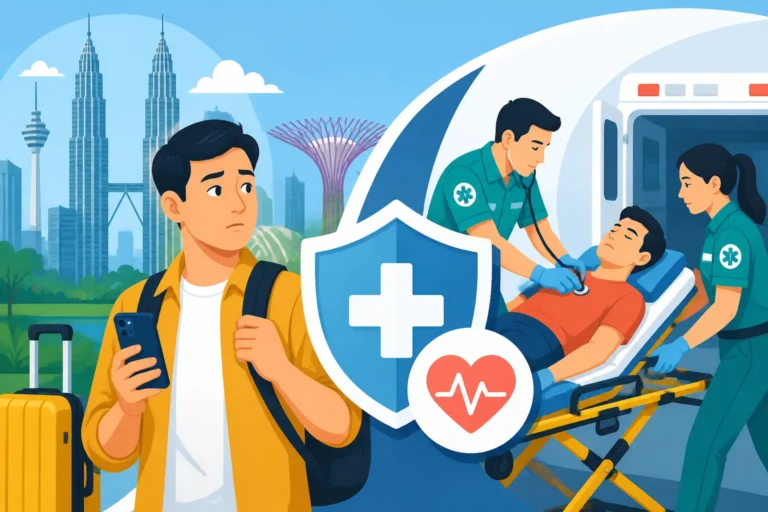
Medical Tourism in Malaysia: Why the World Comes Here for Treatment (2027)
Many people traveling or living abroad face a terrifying dilemma: needing high-quality medical care but being priced out of their home country’s private system or trapped in endless public waiting lists. This guide explores why Malaysia has become the definitive global destination for medical tourism, offering a roadmap for navigating its world-class private hospitals, specialized treatments, and surprisingly affordable costs.
The Rise of Malaysia as a Global Healthcare Powerhouse
Malaysia didn’t become a medical tourism magnet by accident. Over the last two decades, the country has made a concerted effort to transform its healthcare infrastructure into something that rivals the best in the West. The clinics in Bangsar and the high-tech wards in Subang Jaya have changed considerably over the years. It’s no longer just a place for cheap dental work; it’s a sophisticated hub for complex surgeries and cutting-edge technology.
Government Support and Regulatory Excellence
The secret sauce behind the success of medical tourism here is the Malaysia Healthcare Travel Council (MHTC). Unlike many government bodies that feel like bureaucratic black holes, the MHTC operates with a level of efficiency that is genuinely refreshing. They act as a one-stop shop for international patients, ensuring that the experience from touchdown at KLIA to the final follow-up is as seamless as possible. They vet hospitals rigorously, so you aren’t just picking a name out of a hat.
Furthermore, the Ministry of Health maintains incredibly tight control over medical fees. This is a huge relief for those of us used to the "surprise billing" culture of the US or other private systems. In Malaysia, private hospitals are required by law to be transparent about their pricing. This regulatory oversight ensures that while the hospitals are profit-driven, they cannot exploit patients, especially those coming from abroad with foreign currency.
Lastly, the government has introduced specific medical visas to facilitate long-term treatments. This shows a deep understanding of the patient's journey. If you are here for something intensive like oncology or a series of orthopedic surgeries, the immigration hurdles are significantly lowered compared to a standard tourist entry. For many digital nomads who use SafetyWing to cover their lifestyle, having this government-backed medical infrastructure makes Malaysia a top-tier home base.
International Accreditation and MHTC
When you walk into a top-tier Malaysian hospital, you’ll likely see the JCI (Joint Commission International) gold seal prominently displayed. This isn't just for show. It means the facility meets the same rigorous safety and quality standards as the best hospitals in Mayo Clinic or Johns Hopkins. Malaysia consistently has one of the highest numbers of JCI-accredited hospitals in the region, which provides a massive safety net of trust for foreigners who might be skeptical about seeking care in Southeast Asia.
The MHTC also designates certain hospitals as "Flagship Medical Tourism Hospitals." These are the elite of the elite, chosen for their specific excellence in patient outcomes and international patient services. They have dedicated "International Patient Centres" (IPC) where the staff are trained specifically to handle the logistical nightmares we face as expats—everything from insurance coordination to airport transfers.
It is often said that the level of care here often exceeds what you’d get in Europe or Australia because the competition among private groups is so fierce. They are constantly upgrading their diagnostic tools, from the latest MRI machines to robotic-assisted surgery platforms like the Da Vinci system. This drive for excellence is documented thoroughly in The Complete Guide to Healthcare in Malaysia for Expats (2027), which details the high standards you should expect.
The Cost-Quality Equation
The most common question I get is: "If it’s so cheap, is it actually good?" The answer is a resounding yes. The cost of living in Malaysia is lower, and the way healthcare is subsidized for locals allows private hospitals to keep their overheads manageable while still paying specialists top-tier salaries. You are essentially benefiting from a highly efficient economic ecosystem.
For the price of a single knee replacement in the United States, you could often fly to Malaysia, stay in a five-star hotel for recovery, have the surgery performed by a UK-trained specialist in a luxury hospital, and still have money left over for a holiday in Langkawi. This isn't an exaggeration; the price delta is often as high as 60% to 80%.
This affordability doesn't mean "budget" care. It means "value" care. You get the private room, the attentive nursing staff, and the specialist who actually spends thirty minutes explaining your scans to you. When you look at The Cost of Healthcare in Malaysia: A Complete Breakdown for Foreigners (2026), the numbers speak for themselves. It makes the decision to fly halfway across the world for a procedure not just a medical choice, but a very smart financial one.
Top Medical Specializations for International Patients
While Malaysia offers comprehensive care across all fields, certain specializations have put it on the map. If you are looking for specific treatments, knowing where Malaysia excels can help you narrow down your hospital choice. The country has developed "pockets of excellence" where the volume of cases handled by specialists is so high that their expertise is arguably world-leading.
Cardiology and Heart Health
Malaysia is home to the National Heart Institute, known locally as IJN (Institut Jantung Negara). While it serves the public, it has a massive private wing that attracts patients from across the Middle East and Southeast Asia. They perform thousands of heart surgeries a year, from complex bypasses to pediatric heart repairs. The sheer volume of cases means the surgeons here have "seen it all," which is exactly what you want when someone is operating on your heart.
Private hospital groups like Pantai and Gleneagles also have dedicated heart centers. They offer advanced interventional cardiology, such as TAVI (Transcatheter Aortic Valve Implantation), which is a minimally invasive way to replace a heart valve. For an expat, accessing this level of care is often much faster than waiting for a specialist in a socialized system. You can often get a consultation and a procedure scheduled within the same week.
The integration of cardiac care with wellness is also a big draw. Many patients come for comprehensive "Heart Screens" that include stress tests, CT calcium scores, and blood work that would take months to coordinate elsewhere. If you are interested in how these private groups operate, I recommend reading How to Access Care at a Private Hospital Group Like Pantai or Gleneagles to understand their patient flow.
Fertility and IVF Excellence
Malaysia has quietly become a regional powerhouse for IVF (In Vitro Fertilization). The success rates here are on par with, or in some cases higher than, those in Australia and the UK, but at a fraction of the cost. Many clinics in Kuala Lumpur and Johor Bahru specialize in international patients, offering holistic packages that include genetic screening (PGD/PGS) which can be legally or financially difficult to access in other countries.
The empathetic nature of Malaysian healthcare is particularly evident in fertility care. The doctors understand the emotional toll of the journey. Many clinics offer specialized counseling and have staff who speak multiple languages to ensure that nothing is lost in translation during such a sensitive process. For couples who have struggled for years, the combination of high tech and high touch is a game-changer.
Cost-wise, a full cycle of IVF in Malaysia can be around RM 15,000 to RM 25,000, which is significantly lower than the $15,000 to $20,000 USD often seen in North America. This allows couples to undergo multiple rounds if necessary without the crushing financial burden. You can find more details on this in Understanding Maternity and Prenatal Care Options in Malaysia, which covers the spectrum from conception to birth.
Oncology and Advanced Cancer Care
Cancer treatment is another area where Malaysia shines. The top private hospitals have invested heavily in "Linac" machines for precise radiation therapy and the latest immunotherapy drugs. Because Malaysia is a hub for clinical trials in the region, patients often have access to newer treatments that might not yet be widely available or affordable in their home countries.
What sets Malaysian oncology apart is the multi-disciplinary team approach. You aren't just seeing a surgeon; you are seeing a tumor board that includes radiologists, pathologists, and nutritionists. This holistic approach is vital for long-term survival and quality of life. The hospitals often look more like luxury hotels, which, while it sounds superficial, makes a huge difference in the mental well-being of a patient undergoing chemotherapy.
For those concerned about the logistics of long-term care, The Expat Guide to Choosing a Private Hospital in Malaysia (2027) is a great resource. It helps you identify which hospitals have the strongest oncology departments and which ones offer the best support services for international patients who might be here for several months.
Navigating Private Hospitals: What to Expect
If you’re coming from a country where you’re used to long waits and sterile, crowded waiting rooms, walking into a premier Malaysian private hospital will be a shock. They are designed to impress. I remember the first time I went to Sunway Medical Centre; I thought I’d accidentally walked into a shopping mall or a five-star hotel lobby.
Leading Hospital Groups (Gleneagles, Pantai, Sunway)
In Malaysia, a few big names dominate the private healthcare landscape. IHH Healthcare, which owns the Gleneagles and Pantai brands, is one of the largest healthcare providers in the world. Gleneagles is generally considered the "luxury" brand, often located in prime areas like Jalan Ampang in KL, while Pantai hospitals are widespread and offer excellent, reliable care across various neighborhoods.
Sunway Medical Centre is another massive player, located in the "integrated resort city" of Sunway. This is particularly popular for medical tourists because you have a world-class hospital, several hotels, a massive shopping mall, and a theme park all within walking distance. It makes the logistics of bringing family members along much easier. If they aren't in the hospital with you, they have plenty to do.
Another group to watch is KPJ Healthcare, which has a very large network across the whole country, including smaller cities. This is great if you are looking for treatment outside the bustling capital. For a deeper dive into these networks, check out Understanding Private Hospital Networks and Panel Clinics in Malaysia. Knowing which group fits your vibe and your budget is the first step in your planning.
Infrastructure and Technology
The tech in these hospitals is truly "next gen." We’re talking about 3T MRI machines, PET-CT scans, and hybrid operating theaters that allow for both open surgery and minimally invasive procedures in the same room. For someone coming for medical tourism, this means more accurate diagnoses and faster recovery times.
Many hospitals have also moved entirely to digital health records. This is a godsend for medical tourists. You can often get your entire medical history, imaging, and lab results on a thumb drive or through a secure app to take back to your doctor at home. No more lugging around giant envelopes of X-rays through customs.
Even the patient rooms are high-tech. Most private rooms (which are the standard for international patients) come with smart TVs, high-speed Wi-Fi, and sophisticated nurse-call systems. If you're a digital nomad, you could theoretically keep working while recovering from a minor procedure. Many people use their SafetyWing coverage to handle the "travel" mishaps while they schedule their elective surgeries at these high-tech hubs.
Patient Experience and Concierge Services
The "International Patient Centre" is your best friend. These departments are staffed by people whose entire job is to hold your hand through the process. They can help with airport pickups, finding a hotel that offers "hospital rates," and even extending your visa if your recovery takes longer than expected. They act as a bridge between you and the medical staff.
The nursing care in Malaysia is also famously warm. There is a culture of "service" here that you don't always find in the overworked wards of Western hospitals. Nurses often have the time to sit and talk with you, which makes a massive difference in your recovery. English is the primary language of instruction for all medical professionals in Malaysia, so you never have to worry about a communication barrier.
For those planning a trip, Navigating the Malaysian Healthcare System: An Expat's Roadmap (2027) provides a step-by-step guide on how to interact with these departments. It covers everything from the initial email inquiry to the final discharge papers, ensuring you don't miss any critical steps in the bureaucracy.
The Practicalities of Medical Travel to Malaysia
So, you’ve decided on a procedure and a hospital. Now comes the "boots on the ground" stuff. Logistics can make or break a medical tourism trip. Malaysia is generally easy to navigate, but there are specific quirks you need to be aware of, especially regarding how long you can stay and where you should bunk down.
Visa and Immigration Requirements
Most Westerners get a 90-day social visit pass on arrival, which is usually plenty for most minor to medium procedures. However, if you are coming for something significant—like a bone marrow transplant or prolonged oncology treatment—you need a more formal arrangement. The MHTC can facilitate a "Medical Visa" which allows for a longer stay and is easier to renew.
It is vital that you have all your medical documentation from your home country ready before you fly. Malaysian doctors are thorough, and they will want to see your previous scans and history. Having these translated (if they aren't in English) is non-negotiable. You should also check What Documents Do I Need to See a Doctor in Malaysia as a Foreigner? to make sure your folder is complete before you hit the airport.
Also, be aware of the "182-day rule" if you are an expat living here. While it mainly applies to tax residency, it’s worth noting how long you are spending in the country for medical reasons. If you're using Malaysia as a medical base while traveling, having a flexible plan like SafetyWing is great for the "in-between" times when you aren't under the direct care of a hospital.
Language and Communication
One of Malaysia's biggest competitive advantages over Thailand or South Korea is the English language. All doctors are trained in English, and the vast majority of nursing and administrative staff in private hospitals are fluent. You won't need a translator, and you won't have to worry about the nuances of your symptoms being lost in translation.
This extends to the medical reports and prescriptions. Everything is issued in English, making it easy to share with your GP back home. It also makes it easier to understand the Prescription Medications and Pharmacies in Malaysia: The Complete Guide when you need to get your post-op meds filled at a local Caring or Watsons pharmacy.
However, learning a few words of Bahasa Malaysia like "Terima Kasih" (Thank you) or "Sakit" (Pain) can go a long way in building rapport with the junior staff. It shows respect for the local culture and usually results in even better service. But for all technical and medical discussions, English is the gold standard here.
Accommodation and Post-Operative Care
Where you stay after discharge is just as important as the hospital stay itself. Many hospitals are surrounded by "medical hotels" or serviced apartments that are used to hosting patients. These places usually have wider doors for wheelchairs, walk-in showers, and staff who are trained to help if there’s a minor emergency.
Areas like Mont Kiara, KLCC, and Bangsar are popular because they are close to the major hospitals and have high concentrations of expats, meaning you’ll find familiar food and high-quality grocery stores like Village Grocer or Jaya Grocer. Good nutrition is key to recovery, and being able to find your favorite comfort foods is a huge plus.
Don't underestimate the heat and humidity of Malaysia. Walking around outside post-surgery can be exhausting. Patients may find it useful to stay somewhere with a good pool for low-impact rehab and easy access to "Grab" (the local Uber), which is incredibly cheap and reliable. For more on the living situation, The Complete Guide to Moving to Malaysia: Your First 90 Days (2027) gives a good overview of the best neighborhoods for a comfortable stay.
Comparing Costs: Malaysia vs. The World
Let’s talk numbers. This is usually the deciding factor for most medical tourists. While I can't give you a quote for your specific surgery, I can give you a ballpark comparison based on 2026 averages. Keep in mind that these are estimates for the "all-in" private hospital experience in Malaysia versus the private cost in other countries.
Cost Comparison Table
| Procedure | Malaysia (USD) | USA (USD) | UK (Private USD) | Australia (Private USD) |
|---|---|---|---|---|
| Heart Bypass (CABG) | $12,000 – $16,000 | $120,000+ | $25,000+ | $35,000+ |
| Knee Replacement | $8,000 – $11,000 | $35,000+ | $15,000+ | $18,000+ |
| IVF Cycle | $4,000 – $6,000 | $15,000+ | $8,000+ | $10,000+ |
| Lasik (Both Eyes) | $1,500 – $2,500 | $4,000+ | $3,500+ | $3,500+ |
| Dental Implant | $1,200 – $1,800 | $4,000+ | $2,500+ | $3,000+ |
Note: Costs are indicative and vary based on the complexity and choice of hospital.
Hidden Fees and Transparency
The beauty of the Malaysian system is the lack of "hidden" fees. When you get a quote, it usually includes the surgeon's fee, the anesthetist's fee, the room rate, and the basic consumables. However, always ask if the "Implant" or "Prosthesis" is included, as high-end titanium parts or specialized lenses are often billed separately.
Another "cost" people forget is the follow-up. You might need to stay in the country for two weeks post-op for stitches removal or physiotherapy. While the sessions are cheap—often around RM 150 to RM 300—they add up. You can find more on this in How Much Does Physiotherapy Cost per Session in Malaysia?.
Transparency is mandated by the Malaysian Medical Council. If you feel like you are being overcharged, you actually have recourse through the MHTC or the Ministry of Health. This level of consumer protection is rare in international medical tourism and is a huge reason why people feel safe coming here.
Insurance and Financial Planning for Medical Tourists
How are you going to pay for this? Most medical tourists are "self-pay," meaning they are using their savings because their local insurance doesn't cover "out of network" or international procedures. However, if you are an expat or a savvy traveler, there are ways to mitigate these costs.
Using International Health Insurance
If you have a global policy from a provider like Allianz, Cigna, or Bupa, most major Malaysian private hospitals are "panel" hospitals. This means they can do "Direct Billing," where the hospital settles the bill directly with the insurer, and you just pay your deductible. This is the dream scenario.
However, you must get "Pre-Authorization" before you fly. The hospital’s International Patient Centre will usually handle this for you, but it takes time. Don't wait until the day before your surgery to check. For a deeper understanding of this, read How to Use Private Medical Insurance at Malaysian Hospitals. It could save you from having to put a $10,000 deposit on your credit card.
If you are an expat working here, your local company insurance might have lower limits. You might want to look into Health Insurance in Malaysia: Local, International and Employer Options Explained to see if you need to "top up" your coverage before undergoing a major procedure.
Self-Pay Options and Payment Methods
If you are paying out of pocket, Malaysian hospitals accept all major credit cards. Be sure to call your bank before you travel to increase your daily limit. There’s nothing more stressful than your card being declined in the middle of a hospital discharge.
Some hospitals also offer "Package Prices" for common surgeries like gallstone removal or maternity. These are great because they give you a fixed price, provided there are no major complications. Always ask for the "Self-Pay Package" rates when you are inquiring.
For digital nomads or long-term travelers, SafetyWing is often the go-to for emergency medical coverage. While SafetyWing is primarily for accidents and unexpected illnesses rather than elective medical tourism, it provides that essential safety net for the travel portion of your trip. If you get a stomach bug or a minor injury while here for your planned surgery, having that coverage is vital.
Travel Insurance with Medical Benefits
Never fly for medical tourism without standard travel insurance. You need coverage for flight cancellations, lost luggage, or non-medical emergencies. If your surgery is delayed and you have to rebook your flight, standard medical insurance won't help you, but travel insurance will.
SafetyWing is particularly popular in the nomad community because it’s flexible and can be started even after you’ve left home. It’s perfect for someone who might decide to stay in Malaysia for an extra month of "slow travel" and recovery. It bridges the gap between your specialized surgical care and your everyday life on the road.
It helps to think of a financial plan in three layers: Savings/Self-pay for the procedure, International Insurance (if you have it) for the big bills, and SafetyWing for the "everything else" that can go wrong when you're away from home. This "belt and braces" approach ensures you can focus entirely on getting better.
Recovery and Wellness: Beyond the Hospital Walls
Recovery in Malaysia isn't just about sitting in a hospital room. The country is leaning heavily into "Medical Wellness," combining clinical treatments with traditional therapies and high-end spas. This "East meets West" approach can significantly speed up your mental and physical healing.
Post-Surgery Rehabilitation
Many of the top hospitals have dedicated rehab wings. Whether it’s cardiac rehab or learning to walk again after a hip replacement, the staff are world-class. The sessions are usually one-on-one, and the equipment is state-of-the-art.
If you are staying long-term, you might want to hire a private physiotherapist to come to your apartment. This is surprisingly affordable in Malaysia. For more info, check out How Do I Find a Physiotherapist Near Me in Malaysia?. Having someone come to you saves you the hassle of navigating KL's legendary traffic when you're still feeling sore.
Diet also plays a huge role. Many hospitals can connect you with nutritionists who can help you navigate the local food scene to find meals that support your recovery. While it’s tempting to dive into a plate of Nasi Lemak, your body might thank you for sticking to lighter, cleaner options during the first few weeks of healing.
Medical Wellness and Preventive Screenings
A huge part of medical tourism in Malaysia is "Health Screening." People fly in from all over the world just for a 2-day "Executive Health Check." These are incredibly thorough, including everything from tumor markers and lung function tests to bone density scans and stress echoes.
In the US or UK, getting all these tests done individually would take weeks and cost thousands. In Malaysia, you can do it all in one morning for about $300 to $600 USD. It’s the ultimate "peace of mind" trip. Many nomads on SafetyWing plans use their time in Malaysia to get these annual check-ups done because it's so efficient.
If you’re interested in this, Can I Get a Health Screening as a Foreigner in Malaysia? is the best place to start. It breaks down the different levels of screenings and which hospitals offer the most comprehensive packages. It’s a great way to "prevent" needing the major surgeries we discussed earlier.
Common Challenges and How to Overcome Them
I wouldn't be a veteran expat if I didn't give you the "real talk." Medical tourism in Malaysia is excellent, but it’s not without its frustrations. Knowing the pitfalls before you arrive will make your experience much smoother.
Managing Expectations
The biggest hurdle for many Westerners is the "pace" of things. While the medical care is fast, the administrative side can sometimes feel a bit "Malaysian." Things might not happen at the exact minute they were promised. A bit of "Sabah" (patience) goes a long way.
Also, remember that while the hospital is five-star, the street outside might not be. You’ll see a state-of-the-art glass tower next to a "mamak" stall and a cracked sidewalk. This contrast is part of Malaysia's charm, but it can be jarring if you are expecting a sterile, Beverly Hills-style environment throughout the city.
Finally, always get a second opinion. Even though the doctors are great, it’s your body. Malaysia makes it easy to get a Can I Get a Second Medical Opinion in Malaysia? because the specialist clinics are often clustered together. Don't be afraid to walk across the street to another hospital to confirm a major diagnosis.
Logistical Hurdles
Traffic in Kuala Lumpur is no joke. If your hospital is in Sunway and you’re staying in KLCC, a 20km trip could take 90 minutes during rush hour. Always stay as close to your hospital as possible, or plan your appointments for mid-day to avoid the gridlock.
Another thing is the payment processing. Sometimes foreign cards get flagged for large transactions. Always have a backup payment method or ensure you’ve notified your bank. Some patients get stuck at the discharge desk for hours because their bank may flag a hospital bill as a fraudulent charge.
Lastly, make sure you understand the Understanding Outpatient vs Inpatient Care and Billing in Malaysia. Sometimes people are surprised that they have to pay upfront for "Outpatient" consultations even if they have insurance, and then claim it back later. Knowing the "flow" of money in the system will prevent a lot of stress.
Disclaimer
The information provided in this guide is for informational purposes only and does not constitute medical or legal advice. Healthcare regulations, visa requirements, and costs in Malaysia are subject to change. Always consult with a qualified medical professional and the relevant authorities or your insurance provider before making any healthcare decisions or traveling for medical treatment. Use of brands like SafetyWing should be reviewed against your specific travel and health needs.