How to Access Healthcare on an Employment Pass in Malaysia
Moving to Malaysia on an Employment Pass is an exciting career milestone, but the first time you feel a nagging migraine or your child develops a sudden fever, the complexity of the local healthcare system can feel overwhelming. This guide demystifies the process, helping you navigate clinics, hospitals, and insurance so you can focus on your new life.
Understanding the Healthcare Landscape for EP Holders
Malaysia boasts a dual-tiered healthcare system consisting of a robust public sector and a highly sophisticated private sector. For an expat on an Employment Pass (EP), the choice between these two is often dictated by the level of urgency, the specific medical requirement, and the insurance coverage provided by your employer. While the public system is world-class in terms of medical expertise, it is primarily designed for citizens, and as a foreigner, you will encounter a different fee structure and often longer wait times.
The Public vs. Private Healthcare Reality
In the public sector, managed by the Ministry of Health, the facilities are extensive but often crowded. As an EP holder, you are eligible to use these facilities, but you will be charged "foreigner rates," which are significantly higher than the nominal fees paid by locals. However, these rates are still often lower than private hospital costs for major surgeries. The private sector, on the other hand, is where most expats gravitate. Facilities like Gleneagles, Pantai, or Sunway Medical Centre feel more like five-star hotels than hospitals, offering rapid access to specialists and state-of-the-art diagnostic equipment. Deciding which to use depends on your situation; for a common flu, a private clinic is best, but for a highly specialized emergency, some of the top government referral hospitals are unmatched. You might find yourself asking, Is Government or Private Healthcare Better for Expats in Malaysia? depending on your specific budget and health needs.
Your Rights and Limitations Under the Employment Pass
Holding an Employment Pass does not automatically grant you free healthcare. Unlike some European nations with universal socialized medicine for residents, Malaysia’s system requires you to either pay out-of-pocket or through insurance. Your EP status acts as your legal residency proof, which is essential when you Register as a Patient at a Government Hospital in Malaysia. It is important to remember that your healthcare access is usually tied to your employment contract. If you change jobs, there is often a "grey period" where your previous employer’s insurance ceases, but your new one hasn't kicked in. During these transitions, having a portable, global solution like SafetyWing can be a lifesaver, ensuring you aren't left vulnerable while HR departments shuffle your paperwork.
Primary Care vs. Specialist Care
The gateway to healthcare in Malaysia is the General Practitioner (GP). You will find "Klinik" signs on almost every street corner in urban areas like Mont Kiara or Bangsar. These clinics handle minor ailments, vaccinations, and basic health screenings. In Malaysia, you do not always need a formal referral to see a specialist at a private hospital, but it is culturally and medically common to visit a GP first. If your condition is complex, the GP will provide a referral letter, which helps the specialist understand your medical history. Understanding the Difference Between GP Clinics and Hospitals in Malaysia is the first step in ensuring you don't end up in an Emergency Room for something that a local clinic could have handled in fifteen minutes.
Leveraging Your Employer’s Medical Benefits
Most companies hiring expats on an Employment Pass provide some form of medical insurance as part of the remuneration package. However, "medical benefits" is a broad term that can mean anything from a basic outpatient limit to a full-blown international premium plan. It is crucial to sit down with your HR department in your first week to understand the exact boundaries of your coverage, specifically regarding "Panel Clinics" and "Guarantee Letters."
Navigating the Panel Clinic System
A "Panel Clinic" is a private GP practice that has a direct billing agreement with your employer or their insurance provider. When you visit a panel clinic, you usually only need to present your NRIC (for locals) or your Passport and EP/Digital ID (for expats). In many cases, you won't have to pay a single sen for the consultation or the medication, provided it falls within your annual limit. This system is incredibly convenient for handling the "KL cough" or minor tropical ailments. To make the most of this, you should learn How to Find and Register with a General Practitioner (GP) in Malaysia that is within your company's network.
Decoding Your Corporate Health Insurance
Corporate insurance in Malaysia typically covers two main areas: Outpatient (GP visits) and Inpatient (Hospitalization). Some mid-tier plans might also include dental and optical, though these are often capped at a few hundred Ringgit per year. A major hurdle for many expats is the "co-payment" or "deductible" clause. Even with good insurance, you might be required to pay 10% or 20% of the bill. Furthermore, pre-existing conditions are rarely covered by standard group policies. If you have a chronic condition, your employer’s plan might leave you exposed. This is another area where supplemental insurance like SafetyWing can provide peace of mind, especially if you need coverage that follows you when you travel back home or go on holiday in the region.
The Significance of the Guarantee Letter (GL)
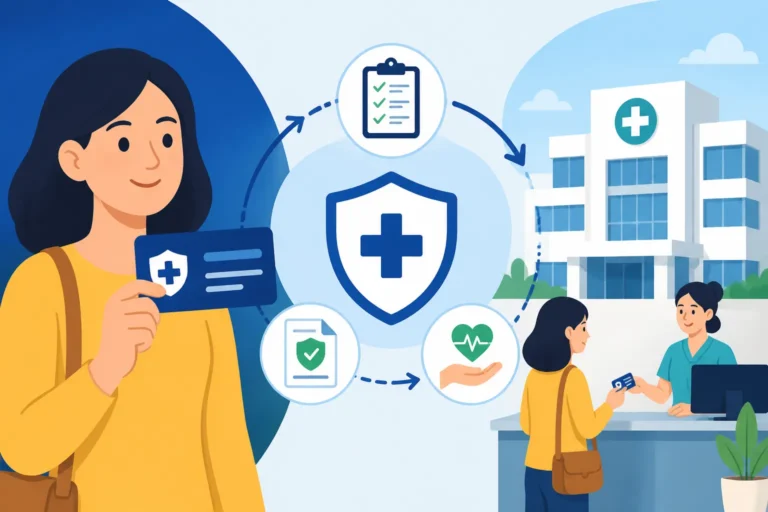
In the event that you need to be admitted to a hospital, the "Guarantee Letter" or GL is the most important document you will deal with. This is a document issued by your insurer or employer to the hospital, promising to cover your medical expenses. Without a GL, most private hospitals will require a significant cash deposit—sometimes ranging from RM5,000 to RM20,000—before they even assign you a room. Understanding Hospital Admission and Deposit Requirements in Malaysia is vital because if your emergency happens on a weekend or a public holiday, getting a GL from your insurer can sometimes take hours, and you’ll need to be prepared to handle the initial financial friction.
| Feature | Public Healthcare (MOH) | Private Healthcare |
|---|---|---|
| Cost for EP Holders | Moderate (Foreigner Rates) | High |
| Wait Times | Can be long (Hours to Weeks) | Very short (Minutes to Days) |
| Specialist Access | Requires Referral | Direct Access Possible |
| Facilities | Functional, busy | Luxury, private rooms |
| Payment | Cash/Credit Card upfront | Insurance/GL/Cash |
Navigating Private Hospitals as an Expatriate
For most EP holders, the private hospital system is the default choice. Malaysia is a global hub for medical tourism, which means the private facilities are designed to cater to high expectations. However, the sheer number of options can be confusing. Do you go to a massive group like Pantai or a specialized boutique hospital?
Choosing the Right Hospital Group
Large groups like Pantai, Gleneagles, and KPJ have hospitals scattered across the country. In the Klang Valley, you might choose Gleneagles Kuala Lumpur for its prestige and central location, or Sunway Medical Centre for its cutting-edge technology. Each hospital tends to have its own "vibe" and areas of excellence. When Choosing a Private Hospital in Malaysia (2026), consider the proximity to your home. Traffic in KL or Penang can be unpredictable; you don't want to be an hour away from your preferred hospital in an emergency. Many expats prefer hospitals that have dedicated international patient centers, which help navigate the insurance and administrative hurdles specifically faced by foreigners.
The Registration and Admission Process
The first time you visit a private hospital, you will need to register at the front desk. You must bring your original passport and a copy of your Employment Pass. The hospital will create a patient profile for you, which will be used for all future visits. If you are going in for a planned procedure, the hospital’s business office will work with your insurance provider to secure a GL. For those who are self-insured or have international plans, the process of How to Access Care at a Private Hospital Group Like Pantai or Gleneagles is generally smooth, provided your documentation is in order.
Dealing with Medical Certificates (MC) and Sick Leave
In Malaysia, the "MC" (Medical Certificate) is a sacred document. If you miss work due to illness, your employer will almost certainly require an official MC from a registered doctor. You cannot simply call in sick without one in most Malaysian corporate cultures. Doctors at both private clinics and hospitals are well-versed in this requirement. They will issue a small slip of paper or a digital certificate specifying how many days you are fit for "rest." Ensure the name on the MC matches your passport exactly. For more details on the legalities, you can read about Understanding Medical Certificates (MC) and Sick Leave in Malaysia to ensure you stay compliant with your employment contract.
Practical Steps for Specialists and Emergencies
While the GP is your first point of contact, there will be times when you need more specialized care or find yourself in a crisis. Knowing the protocol before the crisis hits is the hallmark of a seasoned expat.
Accessing Specialist Care via Referral
If you have a specific concern, such as a sports injury or a persistent skin issue, you can look for a specialist directly. Most private hospitals have a "Consultants" directory on their website where you can see the doctors' qualifications—many of whom were trained in the UK, Australia, or the US. While you can walk in, it is always better to book an appointment. When you go, bring any previous scans or blood test results. If you are using insurance, check if your policy requires a GP referral before they will honor a specialist’s claim. Learning How to Find an English-Speaking Doctor in Malaysia is rarely difficult, as English is the primary language of instruction for medical professionals here, but finding one that is "on-panel" for your specific insurance is the real trick.
Handling Medical Emergencies
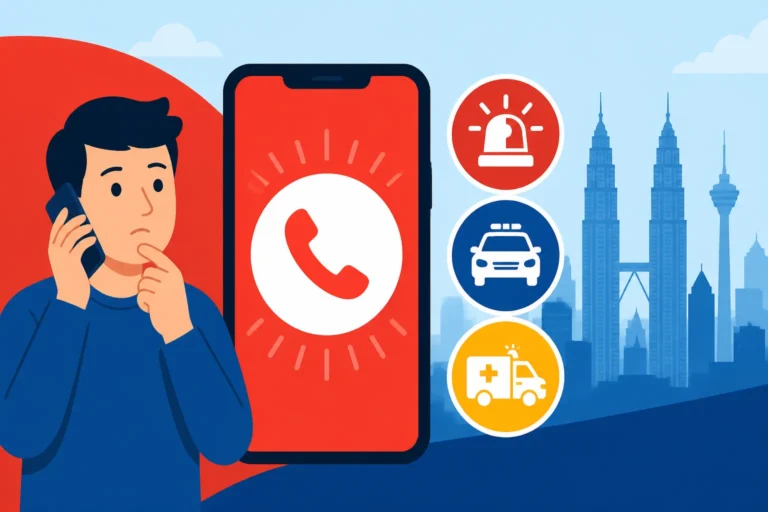
In a true life-or-death emergency, dial 999. This connects you to the integrated emergency services, which includes the police, fire department, and ambulance. However, be aware that public ambulances will almost always take you to the nearest government hospital. If you want to go to a specific private hospital, you may need to call that hospital’s private ambulance line directly. This is a crucial distinction. Many private hospitals have their own fleet of ambulances that are often faster and better equipped for "concierge" emergency care. You should keep the emergency number of your nearest private hospital saved in your phone. Also, make sure your family knows What Documents You Need to See a Doctor in Malaysia as a Foreigner so they can grab your passport and insurance card in the heat of the moment.
Supplemental Coverage for Digital Nomads and Frequent Travelers
If your job involves frequent travel across Southeast Asia or if you are on a more flexible EP (like a Category III or a DE Rantau pass), your local employer’s insurance might not cover you once you cross the border into Thailand or Singapore. This is a common pitfall for many. Services like SafetyWing are designed for this exact lifestyle—offering "borderless" coverage that keeps you protected whether you are in a meeting in KL or on a weekend trip to Bali. For an expat, having this secondary layer ensures that a medical issue in another country doesn't become a financial catastrophe that your local Malaysian plan refuses to touch.
The Financial Reality: Fees, Deposits, and Insurance
Healthcare in Malaysia is affordable by Western standards, but "affordable" is a relative term. Without insurance, a three-day stay in a private hospital for something like Dengue fever can easily cost RM8,000 to RM12,000.
Foreigner Fees and Surcharges
In government hospitals, the "Foreigner Rate" is a standard surcharge applied to all non-citizens, including EP holders. While you can Use Government Hospitals in Malaysia on an Employment Pass, you should be prepared to pay upfront for outpatient consultations and deposits for surgeries. In the private sector, there isn't usually a "foreigner surcharge" on the medical procedures themselves, but you might find that certain administrative fees are slightly higher. Always ask for a "Financial Counseling" session before any major procedure; every private hospital has a department dedicated to explaining the estimated costs and how much your insurance is likely to cover.
Managing Out-of-Pocket Expenses
Even with the best insurance, you will likely encounter out-of-pocket costs. These usually include "non-medical" items like your hospital room’s extra bed for a spouse, specific premium medications, or administrative charges. It is vital to keep every single receipt and "itemized bill." You will need these for your annual tax filing in Malaysia, as medical expenses for yourself, your spouse, or your parents can often be used for tax relief. Understanding How to Use Private Medical Insurance at Malaysian Hospitals effectively means knowing which items to pay for in cash and which to leave for the Guarantee Letter to cover.
The Importance of Health Screenings
One of the great perks of being an EP holder in Malaysia is the availability of high-quality, affordable health screening packages. Most private hospitals offer "Executive Health Screenings" that include everything from blood work and ECGs to ultrasounds and stress tests. These are often not covered by insurance because they are "preventative," but they are worth the investment. It is a cultural norm here for companies to encourage an annual check-up. Taking a Saturday morning to do a full screening at a place like Gleneagles can catch potential issues like high cholesterol or vitamin deficiencies early, which is especially important as you adjust to the delicious (but often oily and salty) Malaysian diet.
Bridging the Gap: What Your Employer Doesn’t Tell You
Many expats fall into the trap of assuming their Employment Pass is a "magic shield" for all health issues. The reality is that the EP gives you the right to access the system, but the quality and speed of that access are entirely dependent on your financial preparation.
Your employer's insurance is often a "use it or lose it" benefit that ends the moment your HR files the cancellation of your pass. If you decide to take a month off to travel between jobs, you are effectively uninsured. This is where nomad-friendly insurance like SafetyWing bridges the gap perfectly. It provides that continuous safety net that isn't tied to a specific office desk in KL. Furthermore, standard corporate plans often have low limits for critical illnesses like cancer or long-term dialysis. Always consider whether you need a private international health insurance policy to supplement the basic one provided by your company.
Navigating healthcare here is a learning curve, but once you understand the rhythm of the clinics and the efficiency of the private hospitals, it becomes one of the best aspects of living in Malaysia. The doctors are highly skilled, the technology is modern, and the care is genuinely compassionate. Just remember to keep your passport handy, your insurance card updated, and always—always—ask for that Guarantee Letter before you check into a hospital bed.
Disclaimer
The information provided in this guide is for general informational purposes only and does not constitute professional medical or legal advice. Healthcare regulations, insurance policies, and hospital fees in Malaysia are subject to change. While we strive to provide the most up-to-date information for 2026, always verify specific requirements with the Malaysian Ministry of Health, your insurance provider, or a qualified legal professional before making decisions regarding your medical care or residency status. Use of any services mentioned is at your own risk.