What Should I Pack in a Home Medical Kit for Malaysia?
Moving to a new country like Malaysia is exhilarating, but getting sick or having a minor accident in a foreign land can instantly turn that excitement into a scramble of panic, especially when you’re not sure where to find what you need. The last thing you want is to be explaining a throbbing headache or a nasty rash in broken Bahasa Malaysia at a local clinic at 2 AM. This guide is here to walk you through exactly what you should pack and stock in your home medical kit for Malaysia, ensuring you’re prepared for the inevitable minor health hiccups and can focus on enjoying your expat adventure.
Why a Robust Home Medical Kit is Essential for Expats in Malaysia
When you first arrive in Malaysia, everything feels new and exciting. You’re navigating a new culture, new food, and perhaps even a new language. The local healthcare system, while generally excellent, can be a maze to figure out when you’re not feeling your best. Having a well-stocked home medical kit isn't just about convenience; it's about peace of mind and self-sufficiency, especially in those initial weeks or for unexpected ailments.
Navigating the Initial Healthcare Hurdles
One of the first frustrations many expats face is understanding the difference between a general practitioner (GP) clinic, a 'Klinik Kesihatan' (government health clinic), and a private hospital. For simple issues like a common cold, a minor cut, or a mild fever, you don't always need to embark on a full-blown medical journey. Your home kit allows you to treat these everyday complaints quickly and effectively without the hassle of locating a nearby clinic, understanding their operating hours, or figuring out patient registration protocols. Many expats prefer to stick to trusted brands they know from back home, which might not be readily available in Malaysian pharmacies, or they might come under different names.
Common Ailments in a Tropical Climate
Malaysia's tropical climate, while beautiful, brings its own set of health challenges that differ from more temperate regions. Heatstroke and dehydration are real concerns, especially when you're not acclimatized. Insect bites, particularly from mosquitoes carrying dengue, are a constant threat. Food poisoning, unfortunately, can also be a common occurrence as your stomach adjusts to new cuisines and street food delights – delicious as they may be. Preparing for these specific local conditions in your home medical kit can save you discomfort and a potential trip to the clinic. It's not just about having painkillers; it's about having the right type of repellent, rehydration salts, and remedies for an upset tummy.
The Comfort of Familiarity
Let's be honest, when you're feeling miserable, you just want what you know. That specific cough syrup, the plaster that actually sticks, or the anti-inflammatory cream that always works wonders for your sore muscles. While Malaysia has plenty of pharmacies like Watsons, Guardian, and Caring, and they stock a wide array of medications, finding your exact preferred brand or even the local equivalent can be a bit of a treasure hunt. Sometimes, the generic alternatives just don't feel the same. Bringing certain essentials from home ensures you have that familiar comfort when you need it most. It also means you don't have to decipher labels in a new language while feeling under the weather, which is a stress no one needs.
Stocking Up: Essential Over-the-Counter Medications for Common Ailments
Building your home medical kit means thinking about the full spectrum of minor health issues you might encounter. It’s not just about the big emergencies, but the everyday aches, sniffles, and upset tummies that can truly disrupt your routine.
Pain Relief and Fever Reducers
These are absolute non-negotiables. You'll want a good supply of paracetamol (known locally as Panadol) and ibuprofen. While Panadol is widely available here, some expats prefer their home country's specific formulations or brands, especially for children. Ibuprofen is also readily found in Malaysian pharmacies, but having a trusted supply on hand for muscle aches, headaches, or menstrual pain is always a good idea. Consider different forms if you have family members with preferences – tablets, dissolvable powders, or liquid suspensions for kids.
Antihistamines and Allergy Relief
Allergies can flare up unexpectedly in a new environment due to different pollens, dust mites, or even new foods. Pack both non-drowsy antihistamines for daytime use and a stronger, sedating option for nighttime relief, especially if you experience severe itching from insect bites. Eye drops for allergic conjunctivitis are also a smart addition. The tropical humidity can sometimes exacerbate skin allergies or trigger new ones, making these items indispensable. If you're someone who suffers from hay fever, you'll want to ensure you have a good supply of your preferred medication, as local equivalents might not be as effective for you.
Stomach and Digestive Aids
This is a big one for Malaysia. New foods, spicy dishes, and different hygiene standards can sometimes lead to an upset stomach. Pack anti-diarrhea medication (like Imodium), rehydration salts (oral rehydration solution, or ORS), and an antacid for indigestion or heartburn. Probiotics can also be helpful to take proactively or after a bout of stomach issues to help rebalance your gut flora. Don't underestimate the power of ORS; dehydration from diarrhea or vomiting can be serious in this climate. For those sudden cramps or bloated feelings, having some charcoal tablets or a mild stomach-soothing remedy will be a lifesaver.
Cold, Cough, and Flu Medications
Despite the heat, colds and flu are common, often spread in air-conditioned environments. Stock a good multi-symptom cold and flu remedy that addresses cough, congestion, and fever. Include a decongestant (nasal sprays are particularly effective), a sore throat spray or lozenges, and a cough syrup (both for dry coughs and chesty coughs). Remember that antibiotics are strictly regulated and require a prescription in Malaysia, so don't expect to buy them over the counter if you suddenly feel symptoms of a bacterial infection. If your cold progresses to something more severe, you will need to How to Find an English-Speaking Doctor in Malaysia to get a proper diagnosis and prescription.
Beyond Pills: First Aid and General Health Essentials
Your home medical kit isn't just about oral medications. A comprehensive kit includes items for external injuries, everyday care, and general well-being.
Wound Care and Antiseptics
Minor cuts, scrapes, and blisters are common, especially if you're exploring outdoors or breaking in new shoes. Your kit should have:
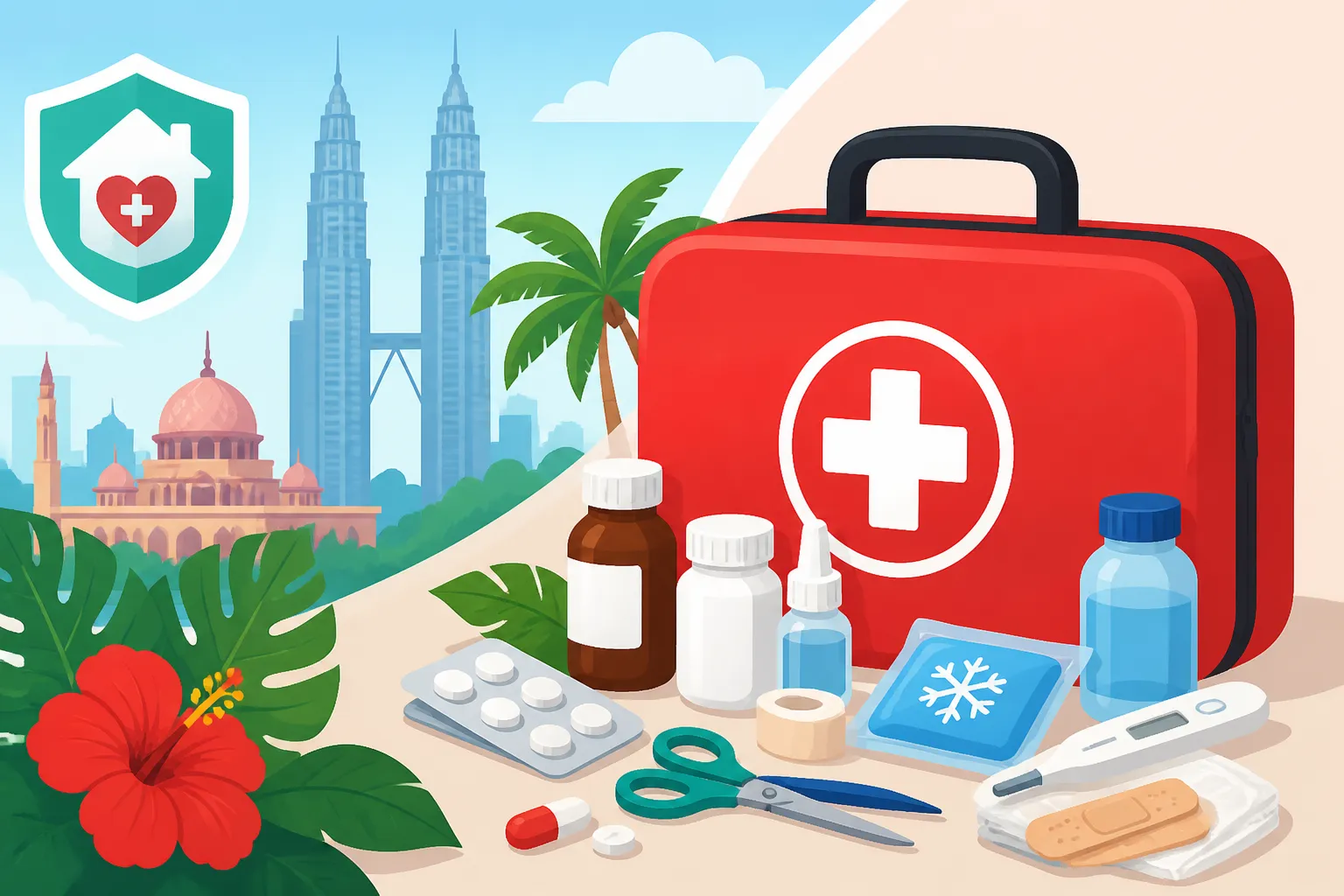
- Antiseptic wipes or solution: Like Dettol or Betadine.
- Various sizes of adhesive bandages (plasters): From tiny ones for paper cuts to larger ones for grazes. Waterproof ones are a bonus given the humidity.
- Sterile gauze pads and medical tape: For larger wounds or wrapping.
- Antibiotic ointment: To prevent infection in cuts and scrapes.
- Blister plasters: A godsend for walking around new cities.
Ensuring you have high-quality wound care items means you can treat minor injuries promptly, reducing the risk of infection in a tropical climate where cuts can take longer to heal.
Thermometer and Basic Monitoring Tools
A good digital thermometer is crucial, especially if you have children. Knowing if a fever is spiking can help you decide if it’s time to seek professional medical attention. Beyond temperature, consider a basic pulse oximeter if you or a family member has respiratory concerns. For those with specific health needs, a blood pressure monitor or glucose monitor should also be part of your routine home health checks. These tools empower you to monitor your health at home and provide accurate information if you do need to consult a doctor.
Insect Repellent and After-Bite Relief
This cannot be stressed enough in Malaysia. Dengue fever is prevalent, and mosquitoes are everywhere, especially around dawn and dusk. Pack a strong insect repellent containing DEET or picaridin. While local repellents are available, you might prefer a specific brand or strength you trust. Also include an after-bite cream or antihistamine gel to soothe itchy bites, preventing excessive scratching that can lead to infection. Remember to reapply repellent regularly, especially if you are sweating or swimming. For prolonged outdoor activities or travel within Southeast Asia, ensuring you have adequate travel medical insurance like SafetyWing provides a safety net if a mosquito-borne illness does send you to the hospital.
Sun Protection and Skin Care
The Malaysian sun is no joke. Even on cloudy days, UV index can be very high. A high SPF broad-spectrum sunscreen is vital for preventing sunburn and long-term skin damage. After-sun lotion with aloe vera is a soothing relief if you do get a bit too much sun. Don't forget lip balm with SPF too! The humidity can also lead to skin irritations or fungal issues, so a mild anti-fungal cream and some talcum powder (to keep skin dry in folds) can be useful additions.
Other Useful Items
- Hand sanitizer: For hygiene on the go, especially before eating street food.
- Tweezers: For splinters or tick removal.
- Small scissors: For cutting bandages or gauze.
- Eye wash solution: For flushing irritants from eyes.
- Heat/cold packs: Reusable gel packs can help with muscle aches or swelling.
Managing Your Prescriptions and Chronic Conditions in Malaysia
If you're an expat with ongoing medical needs, managing your prescriptions in a new country requires careful planning. Don't just assume your home country's prescriptions will be valid or easily refilled.
Bringing Medications from Home
When you first move, bring at least a 3-month supply of any essential prescription medications. This gives you ample time to settle in and find a local doctor who can manage your ongoing care. Always keep your medications in their original packaging with clear labels and carry a letter from your doctor detailing your conditions and prescribed drugs. This documentation is crucial for Malaysian customs and for any local doctor you consult. Be aware that some medications legal in your home country might be controlled substances or require special permits in Malaysia, so it's always wise to check with the Malaysian High Commission or embassy in your home country before departure.
Finding a Local Doctor and Pharmacy
Once you're settled, one of your first tasks should be to How to Find and Register with a General Practitioner (GP) in Malaysia who can take over your care. A GP can assess your needs and provide local prescriptions. Many private clinics in urban areas have English-speaking doctors who are familiar with international patients. You'll also need to understand Prescription Medications and Pharmacies in Malaysia: The Complete Guide. Pharmacists in Malaysia are generally well-trained and can offer advice on over-the-counter medications, but for anything requiring a prescription, you'll need to see a doctor. For specialist care, your GP will typically provide a referral, so building that initial relationship is key.
Understanding Local Regulations and Substitutions
Malaysia has its own regulations regarding prescription medications. Some drugs that are over-the-counter in other countries might require a prescription here, and vice-versa. Generic versions of many medications are widely available and often much cheaper. Your local doctor or pharmacist can advise on appropriate substitutions if your exact brand isn't available. It's a good practice to ask about the active ingredient rather than just the brand name when discussing your medications. If you have any concerns about medication availability or legality, it's always best to consult with a local medical professional. In cases where specific, niche medications are difficult to source, you might have to rely on a doctor to apply for a special import permit, which can be a lengthy process.
Tropical Troubles and Travel Preparedness
Living in a tropical country like Malaysia means being aware of specific health risks that might not be common in your home country. Your medical kit needs to reflect these realities.
Dealing with Dengue and Mosquito-Borne Illnesses
Dengue fever is endemic in Malaysia. While your home kit won't prevent dengue, it can help manage symptoms if you contract it. A high fever is a primary symptom, so having paracetamol and a thermometer is crucial. Unlike some other fevers, ibuprofen and aspirin are generally not recommended for dengue as they can increase the risk of bleeding. The best prevention is robust insect repellent and protective clothing, but having the means to manage initial symptoms and hydrate yourself is important until you can seek medical attention. Always seek medical advice if you suspect dengue. Understanding What Health Risks Should Expats Be Aware of in Malaysia? will further prepare you.
Food Safety and Water Purification
While Malaysia's tap water is generally considered safe to drink in major cities, many expats prefer to drink bottled or filtered water to avoid any stomach upsets while their system adjusts. Carry a small supply of water purification tablets or a portable water filter if you plan on hiking or traveling to more remote areas. For food, be mindful of where and what you eat, especially from street vendors. While delicious, ensure food is freshly cooked and served hot. Your antidiarrheal medications and rehydration salts will be your best friends if you do encounter a dodgy meal.
Travel Health Preparedness
Many expats in Malaysia love to explore Southeast Asia. When traveling, your home medical kit should become your travel medical kit. Consider additional items like motion sickness medication, altitude sickness pills (if applicable to your destination), and any vaccinations recommended for your travel spots. It's always a good idea to research destination-specific health risks before you go. Having international health coverage like SafetyWing is particularly beneficial here, as it covers you for unforeseen medical emergencies while you're exploring not just Malaysia, but other countries too. This provides immense peace of mind, knowing that if something unexpected happens while trekking in Borneo or island hopping in Thailand, you're covered.
Here's a handy table summarizing key items for your expat home medical kit in Malaysia:
| Category | Essential Items | Local Availability (General) | Notes for Expats |
|---|---|---|---|
| Pain & Fever | Paracetamol (Panadol), Ibuprofen, Anti-inflammatory gel | High | Bring preferred brands for familiarity; different forms. |
| Digestive Issues | Anti-diarrhea meds (Imodium), Oral Rehydration Salts (ORS), Antacids, Probiotics | High | ORS is critical for dehydration in tropical climate. |
| Allergies | Non-drowsy Antihistamines, Drowsy Antihistamines, Eye drops | Moderate-High | Can be triggered by new environment/foods. |
| Colds & Flu | Multi-symptom cold/flu remedy, Decongestant nasal spray, Cough syrup, Lozenges | High | Antibiotics require prescription. |
| Wound Care | Antiseptic wipes/solution, Bandages (various sizes), Sterile gauze, Medical tape | High | Prevent infection in humid climate. |
| Topical Creams | Antibiotic ointment, Hydrocortisone cream (mild), Anti-fungal cream, After-bite relief | Moderate-High | For cuts, rashes, insect bites, and fungal issues. |
| Monitoring Tools | Digital thermometer, (Optional: Pulse Oximeter, BP Monitor) | High | Essential for assessing severity of illness. |
| Tropical Essentials | Strong Insect Repellent (DEET/Picaridin), High SPF Sunscreen, Aloe Vera | High | Critical for dengue prevention and sun protection. |
| Miscellaneous | Hand sanitizer, Tweezers, Small scissors, Eye wash, Heat/cold pack | High | General utility for minor issues. |
| Prescription Meds | Personal ongoing prescriptions (3-month supply) | N/A | Doctor's letter & original packaging are crucial. |
Having a fully stocked and thoughtfully assembled home medical kit will immensely smooth out the inevitable bumps on your expat journey in Malaysia. It empowers you to handle minor health issues with confidence and familiarity, leaving the more serious stuff to the capable hands of local medical professionals when needed. Remember that your medical kit is a first line of defense; for anything beyond minor ailments or if symptoms persist, it's always best to seek professional medical advice. For unforeseen major incidents or for comprehensive coverage while globetrotting, understanding your options for Health Insurance in Malaysia: Local, International and Employer Options Explained is also key.
Disclaimer
The information provided in this guide is intended for general informational purposes only and does not constitute medical advice. While every effort has been made to ensure accuracy and relevance for expats in Malaysia, individual medical needs can vary greatly. Always consult with a qualified healthcare professional for diagnosis, treatment, and medical advice specific to your situation. The mention of specific brands or products is for illustrative purposes and not an endorsement. It is crucial to read product labels, understand usage instructions, and consider any personal allergies or medical conditions before using any medication or medical product.