How Do I Buy a Motorcycle in Malaysia?
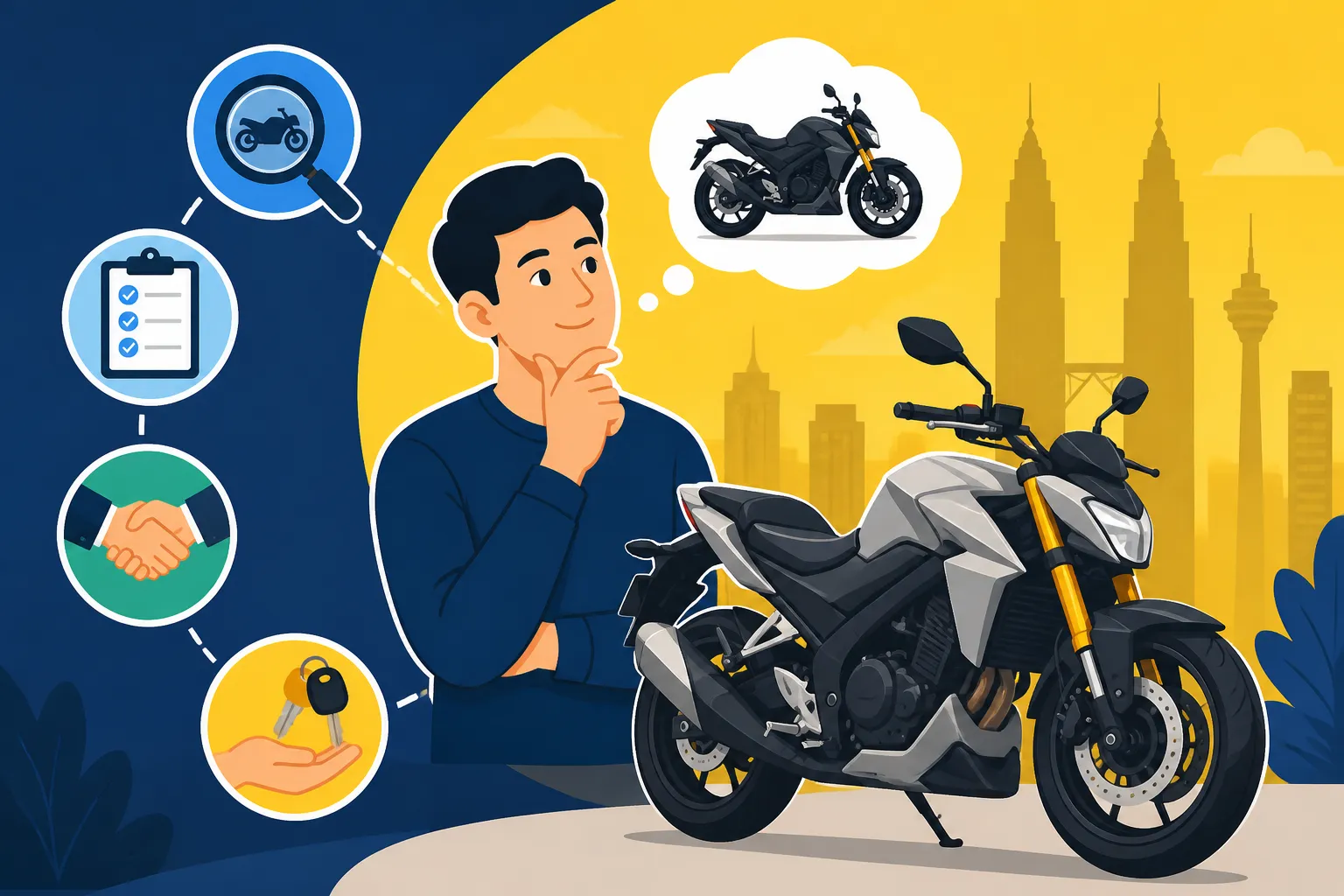
So, you’ve been stuck in traffic, perhaps on Jalan Tun Razak, watching those motorbikes weave effortlessly through the congestion, and a little spark ignites, doesn't it? The thought of getting your own set of two wheels in Malaysia is incredibly tempting, offering a sense of freedom and a way to beat the notorious Klang Valley gridlock. But before you dive headfirst into buying a motorcycle, let's unpack the reality, the paperwork, and the practicalities for us expats. This guide will walk you through everything you need to know, from the initial dream to safely cruising the Malaysian roads.
The Lure and the Laws: Why Consider a Motorcycle and What You Need to Know First
Let's be honest, the romance of a motorbike here is powerful. You see locals zipping around, seemingly immune to the perpetual standstill that plagues our roads. For many expats, the idea of owning a motorcycle is born out of pure frustration with traffic and the desire for more agile, independent travel. But it's not quite as simple as picking out a shiny new ride; there are a few important considerations and legal hoops you'll need to jump through first.
The Appeal of Two Wheels in Malaysian Traffic
The primary draw for most expats is, undeniably, the ability to bypass traffic jams. Imagine cutting your commute time drastically, especially if you live in a bustling city like Kuala Lumpur or Penang. Motorcycles allow you to navigate narrower streets, find parking more easily, and often save significantly on petrol costs compared to a car. Plus, there's an undeniable thrill and sense of adventure that comes with riding a bike through diverse landscapes, from cityscapes to serene coastal roads or misty highlands. It’s a very different experience than being encased in a car, offering a more visceral connection to your surroundings.
However, it's crucial to balance this allure with realism. The Malaysian roads can be challenging, especially for those accustomed to more orderly traffic conditions. The riding culture is dynamic, to say the least, and while liberating, it demands constant vigilance and a different kind of defensive riding skill. You'll need to be comfortable with spontaneous maneuvers from other road users and the occasional unexpected pothole. While you're researching potential bikes online, remember to also keep your phone connected with services like Airalo so you can stay updated on traffic conditions or navigate to dealerships without a hitch.
Legal Prerequisites: Who Can Actually Buy a Bike?
This is where the rubber meets the road, quite literally. As an expat, your ability to legally purchase and ride a motorcycle in Malaysia hinges on a few key factors, primarily your visa status and your driving licence. You absolutely must have a valid Malaysian motorcycle driving licence. This is non-negotiable. If you only have a foreign driving licence, you'll need to go through the process of converting it. This can often be done if your home country has an agreement with Malaysia, but it's important to understand the full process, which you can read more about in our guide on How to Convert a Foreign Driving Licence in Malaysia.
Generally, foreigners holding long-term passes like an Employment Pass, MM2H visa, or a Dependant Pass are eligible to own a vehicle. Tourists or those on short-term social visit passes typically cannot purchase a motorcycle in their own name, as you need a stable residential status for registration. The road authority, Jabatan Pengangkutan Jalan (JPJ), requires proof of your long-term residency. Don't be tempted to cut corners here; any issues with your legal status or licence will lead to significant headaches down the line, including fines, impounding of the vehicle, or even more serious legal repercussions.
Understanding Motorcycle Categories and Your Needs
Malaysia has various categories of motorcycles, mainly differentiated by engine capacity (cc). For most expats, a scooter or kapcai (underbone motorcycle, usually 100cc-150cc) is the most practical choice for daily commutes within city limits. These are lightweight, fuel-efficient, and easy to maneuver in traffic. Popular brands like Honda, Yamaha, and Modenas dominate this segment.
If you’re looking for something with a bit more oomph for longer rides or highway travel, you might consider larger capacity motorcycles (above 150cc), often referred to as 'big bikes'. These range from sports bikes to cruisers and touring bikes. However, keep in mind that larger bikes come with higher purchase prices, insurance costs, and often require a different class of driving licence (e.g., B2 for bikes under 250cc, B for bikes 250cc and above). Think carefully about your actual needs and riding experience. Do you really need a superbike to commute 10km to work? Probably not. A sensible 150cc scooter will likely serve you better for everyday city life and still allow you to explore nearby areas.
Navigating the Purchase: Your Step-by-Step Guide to Buying a Motorcycle
Once you've sorted out your legal standing and decided on the type of bike you need, the next exciting step is the actual purchase. This process can feel a bit daunting with the paperwork involved, but breaking it down makes it much more manageable.
New vs. Used: Weighing Your Options
Just like buying a car, you have the choice between a brand-new motorcycle and a pre-loved one. Each comes with its own set of pros and cons, particularly for expats who might not be here permanently.
| Feature | New Motorcycle | Used Motorcycle |
|---|---|---|
| Initial Cost | Higher, includes showroom markup and registration fees | Lower, depreciated value |
| Financing | Easier to obtain loans, better interest rates | Can be harder to finance, higher interest rates often |
| Condition | Flawless, comes with warranty | Varies widely, may have wear and tear, limited warranty |
| Maintenance | Minimal initial maintenance, scheduled servicing | May require immediate repairs, unknown history |
| Documents | Straightforward, dealer handles most | Requires careful verification of ownership history |
| Resale Value | Higher initial depreciation, then stabilizes | Less depreciation from purchase, but still loses value |
| Peace of Mind | High, no hidden issues, full manufacturer support | Lower, potential for unforeseen mechanical problems |
Buying New:
Opting for a new bike from an authorised dealership (like a Honda BigWing or a Yamaha dealer) offers peace of mind. You get a manufacturer's warranty, the latest models, and often financing options tailored for new purchases. The dealership will typically handle all the initial registration paperwork with JPJ, making the process relatively smooth for you. They’ll guide you through signing the Sales and Purchase Agreement, arranging insurance, and getting your road tax sorted. While the upfront cost is higher, the convenience and assurance can be worth it.
Buying Used:
A used motorcycle can be a fantastic way to save money, but it comes with more risks and requires more diligence. You could find great deals on platforms like Mudah.my or at second-hand dealerships. When buying used, it's absolutely crucial to:
- Inspect the bike thoroughly: Bring a knowledgeable friend or a mechanic. Check for rust, leaks, tire wear, chain condition, brake responsiveness, and electrical issues.
- Verify documents: Ensure the seller has the original registration card (geran or V5), and that the engine and chassis numbers match the documents. This is paramount to avoid buying a stolen bike or one with outstanding issues.
- Check for outstanding summons/loans: You don't want to inherit someone else's problems. A quick check at JPJ or online can reveal outstanding summonses.
- Consider a Puspakom inspection: For bikes above a certain age or engine size (though less common for smaller bikes), a Puspakom inspection can verify roadworthiness. Our guide on Understanding the Puspakom Vehicle Inspection in Malaysia has more details, primarily for cars, but the principle applies.
- Test ride: Always take it for a spin to feel how it handles.
For expats, the resale value is a practical consideration. You might not want to deal with the sharp depreciation of a new bike if you plan to leave Malaysia in a few years. A well-maintained used bike can hold its value better in the short term.
The Buying Process: From Showroom to Road
Whether new or used, the core steps involve paperwork, payment, and getting your bike officially on the road.
- Choose Your Bike: After careful consideration and test rides, make your selection.
- Negotiate Price: Don't be afraid to haggle, especially at used bike shops. Even for new bikes, you might get accessories thrown in.
- Financing (if needed): If you're not paying cash, arrange for a loan. This often requires proof of income, your employment pass, and a good credit history. Some dealerships have in-house financing, or you can approach banks.
- Sales Agreement: Sign a Sales and Purchase Agreement. Read it carefully.
- Insurance: You'll need at least third-party insurance, which is mandatory. Comprehensive insurance is highly recommended, especially for new or more expensive bikes. The dealer can usually help arrange this. You can compare this process to How Much Is Car Insurance in Malaysia? for a general idea of insurance types.
- Road Tax: This is paid annually and is based on the engine capacity of the motorcycle. It must be valid for your bike to be on the road legally.
- JPJ Registration and Transfer of Ownership:
- New Bike: The dealership will handle the initial registration in your name with JPJ (Jabatan Pengangkutan Jalan). You'll typically collect your bike with the number plate, road tax sticker, and temporary insurance. The official registration card (geran/V5) will follow by mail or collection.
- Used Bike: This requires a visit to JPJ with the seller, or through a registered agent. Both buyer and seller must be present or have provided proper authorisation. The original registration card, insurance cover note, and identity documents are crucial. The transfer of ownership process is similar to How Do I Transfer a Car Into My Name in Malaysia?. The bike must pass a basic inspection if the ownership is transferred at JPJ.
Essential Documents and Where to Get Them
This is the part that often causes the most sighs for expats. Having all your documents in order is paramount.
Here's a checklist of what you'll typically need:
- Original Passport: With your valid long-term visa endorsed (Employment Pass, MM2H, Dependant Pass, etc.).
- Malaysian Driving Licence: Original.
- Proof of Address: Utility bill (electricity, water, or internet) in your name. If you're living in rented accommodation and the bills aren't in your name, you might need a tenancy agreement or a letter from your landlord. Our guide on How to Set Up Electricity (TNB) in Your Malaysian Home can help you get those bills in order.
- Original Sales and Purchase Agreement (SPA): From the dealer or private seller.
- Original Registration Card (Geran/V5): For used bikes.
- Insurance Cover Note: Proof of valid motorcycle insurance.
- Employer Letter (for some cases): Sometimes requested as additional proof of stable income and residency if you're on an Employment Pass.
Make sure to have photocopies of everything. Malaysian bureaucracy often loves a good stack of copies! The process for applying for the documents you need to purchase a motorbike, whether new or used, is also covered in our broader guide on Driving in Malaysia: Licences, Registration and Rules for Expats (2027).
Beyond the Purchase: Insurance, Maintenance, and Safe Riding
Congratulations, you've got your bike! But owning a motorcycle is more than just the purchase. You need to understand the ongoing responsibilities, from keeping it insured and maintained to navigating the unique riding culture safely.
Demystifying Motorcycle Insurance in Malaysia
Motorcycle insurance in Malaysia is mandatory, just like for cars. At a minimum, you'll need third-party insurance, which covers damages or injuries you might cause to another party. However, I strongly recommend opting for comprehensive insurance, especially if your bike is new or valuable. This covers damages to your own motorcycle due to accidents, theft, or fire, giving you a much-needed safety net. The cost of insurance depends on your bike's engine capacity, its value, your age, and your riding history.
When purchasing insurance, you'll work with an agent or directly with an insurance company. Brands like Allianz, Etiqa, and AXA are common choices. They'll need your vehicle details, your driving licence information, and your personal particulars. Renewing your insurance and road tax is an annual affair, and many vehicle owners use online platforms or post offices for this. You can check out Understanding Road Tax and Insurance Renewal in Malaysia for more insights into the yearly renewal cycle. Keep your insurance cover note and road tax sticker prominently displayed on your bike, as traffic police conduct regular checks.
Keeping Your Ride Running: Maintenance and Inspections
Regular maintenance is crucial for safety and longevity, particularly given Malaysia's tropical climate and sometimes challenging road conditions. You should follow the manufacturer's recommended service schedule, which usually involves regular oil changes, chain lubrication, brake checks, and tire inspections. For new bikes, stick to authorised service centers to maintain your warranty. For used bikes, finding a trusted local mechanic is key. Word-of-mouth recommendations are often the best way to find a reliable workshop.
Periodically, you might also need to replace parts like tires, brake pads, or spark plugs. Keep an eye on your bike's performance and don't ignore any unusual noises or handling issues. Being proactive about maintenance not only ensures your safety but also prevents more expensive repairs down the line. Plus, a well-maintained bike is safer for you and for others on the road.
Riding Culture and Safety Tips for Expats
Riding a motorcycle in Malaysia is an experience. The roads are often shared with everything from heavy lorries to nimble scooters, and traffic rules can sometimes feel more like suggestions than strict laws. Here are some indispensable tips for expats:
- Wear Proper Gear: Always wear a good quality helmet (it's mandatory and often checked by police), a jacket, gloves, and sturdy shoes. Even a low-speed fall can result in serious injuries, and the tropical heat is no excuse to skimp on protection.
- Defensive Riding: Assume other road users don't see you. Be predictable, but always anticipate the unexpected. Watch out for sudden lane changes, cars opening doors, and pedestrians.
- Lane Splitting: While common, exercise extreme caution. Only do it if you feel comfortable and there's enough space. Be aware of blind spots.
- Weather: Tropical downpours can happen suddenly and dramatically reduce visibility and road grip. Slow down significantly in the rain.
- Potholes and Road Debris: Malaysian roads, especially outside major city centres, can have unexpected hazards. Stay alert.
- Learn Basic Malay: Knowing a few phrases for directions or in case of an emergency can be incredibly helpful when dealing with mechanics or in an accident situation.
- Consider a Riding Course: If you're new to riding in a chaotic environment, a defensive riding course could significantly boost your confidence and skills.
- Stay Connected: Always have your phone charged. For navigating or in emergencies, a reliable data connection is a lifesaver. Ensure you have a good local SIM or use an eSIM from providers like Airalo to keep you connected while on the go.
Riding in Malaysia can be incredibly rewarding, offering a unique perspective and unparalleled freedom. However, it demands respect for the road, constant awareness, and a willingness to adapt to local conditions. Embrace the experience, but always prioritise your safety. If you're looking for alternative ways to get around, our guide to The Expat Guide to Public Transport in Malaysia might offer some good comparisons.
Disclaimer
Please note that the information provided in this guide is for general informational purposes only and does not constitute legal or professional advice. Laws and regulations regarding vehicle ownership, driving licenses, and insurance in Malaysia can change frequently. Expats are strongly advised to verify all current requirements with the relevant Malaysian authorities (such as JPJ, the Immigration Department, and trusted insurance providers) or seek independent professional advice before making any decisions. We aim to provide accurate and up-to-date information, but we cannot guarantee its completeness or accuracy at the time of your reading.