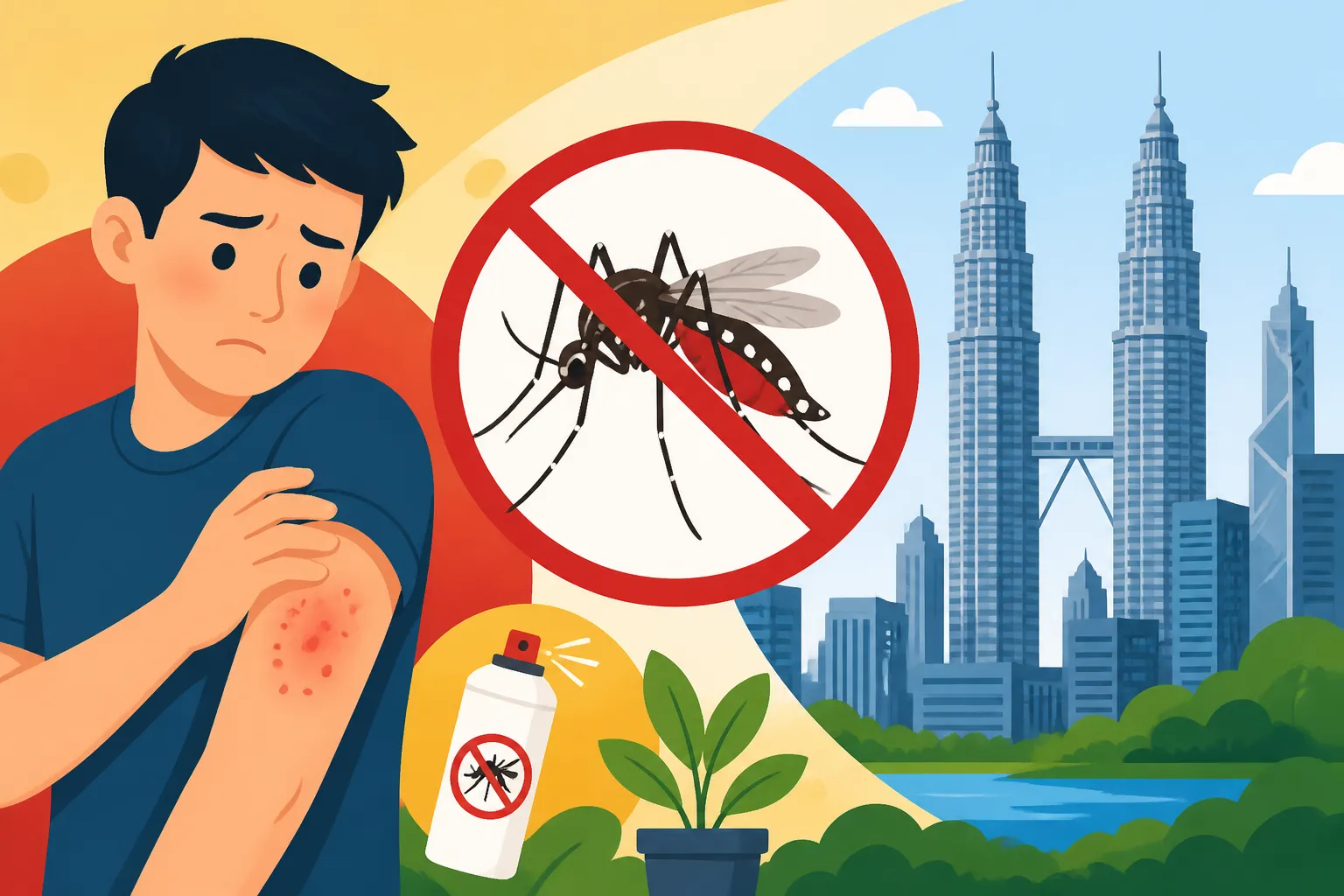
Is Dengue Fever Common in Kuala Lumpur?
Moving to Kuala Lumpur, or even just visiting, often brings a mix of excitement and a healthy dose of worry about things you might not encounter back home. One of those nagging concerns that tends to surface is dengue fever. You’re right to be asking, because navigating the health landscape of a tropical city like KL means understanding very real, very local risks. This guide is here to give you a straightforward, empathetic look at dengue in Kuala Lumpur, dispelling myths and equipping you with practical knowledge to stay safe and well.
The Reality of Dengue in Kuala Lumpur: Is It Common?
Let's get straight to it: Yes, dengue fever is common in Kuala Lumpur. It's not a scare tactic; it's just the reality of living in a beautiful, vibrant tropical metropolis. For expats, this can be a bit unsettling because it's probably not something you had to worry about daily back in your home country. Here, it’s a public health concern that local authorities, and by extension, residents, actively manage.
Understanding Dengue Prevalence in Urban Malaysia
Kuala Lumpur’s climate – consistently warm, often humid, and prone to rainfall – creates the perfect breeding ground for the Aedes mosquitoes responsible for transmitting dengue virus. These aren't just any mosquitoes; they're cunning, preferring to bite during the day, particularly in the early morning and late afternoon. Unlike the mosquitoes that carry malaria, Aedes thrive in urban environments, finding countless little pockets of standing water to lay their eggs. Think about it: every construction site, every potted plant tray, every clogged drain, even discarded plastic cups can become a nursery for these tiny menaces.
The high population density in KL also contributes to its prevalence. More people in close proximity means the virus can spread more easily once it's introduced into an area. The Ministry of Health Malaysia regularly publishes data on dengue cases, and while there are fluctuations, the numbers consistently show that dengue is an endemic issue across urban areas, including the Klang Valley where Kuala Lumpur sits. It's an ongoing battle, and one that requires constant vigilance from everyone.
Hotspots and High-Risk Areas in KL
You might wonder if certain areas are worse than others, and the answer is generally yes. While Aedes mosquitoes can be found anywhere in KL, some places tend to see higher incidence rates. Typically, these are areas with:
- High population density: More people mean more potential hosts for the virus.
- Active construction sites: These often accumulate standing water in debris, discarded tires, and incomplete structures, making them prime breeding grounds.
- Poor drainage or waste management: Clogged drains and litter provide ample opportunities for water collection.
- Residential areas with many potted plants: Those beautiful balcony gardens can inadvertently become mosquito nurseries if not properly maintained.
Local councils, like Dewan Bandaraya Kuala Lumpur (DBKL), often identify specific kawasan panas (hot zones) and conduct targeted fogging operations and public awareness campaigns. While fogging helps kill adult mosquitoes, it's a temporary measure. The real fight is at the source – eliminating breeding grounds. For anyone considering renting a property, it's worth asking about the building's pest control measures and observing the general cleanliness of the surrounding environment.
What Dengue Feels Like and How to Spot It Early
One of the most frustrating things about dengue is that its initial symptoms can often be mistaken for a common flu or even other tropical illnesses. This makes early detection tricky, but crucial, especially for expats who might not be familiar with its insidious progression.
Recognizing the Symptoms of Dengue Fever
Dengue typically manifests after an incubation period of 4-10 days following a mosquito bite. The symptoms can range from mild to severe, but generally, the classic signs include:
- Sudden, high fever: Often reaching 40°C (104°F), it's usually the first symptom and can last for 2-7 days.
- Severe headache: Often behind the eyes. It's not just a mild ache; it can be debilitating.
- Severe joint and muscle pain: This is where dengue gets its nickname "breakbone fever." The pain can be intense and widespread.
- Skin rash: This typically appears 2-5 days after the fever starts. It can look like measles, often starting on the chest and spreading to the limbs.
- Nausea and vomiting: Many patients experience gastrointestinal upset.
- Swollen glands: Lymph nodes can become enlarged.
Some people might only experience a mild, non-specific febrile illness, but others can develop severe dengue, which is a medical emergency. This is when warning signs like severe abdominal pain, persistent vomiting, rapid breathing, bleeding gums, fatigue, and blood in vomit or stools appear, usually after the fever has subsided (the critical phase). This can lead to dengue hemorrhagic fever or dengue shock syndrome, which require immediate medical intervention.
When to Seek Medical Attention and Get Tested
Given the variable nature of dengue symptoms, the most crucial piece of advice is: if you have a sudden high fever and any of the other classic symptoms, particularly after a mosquito bite, seek medical attention immediately. Don't try to tough it out or self-diagnose based on online information. Malaysian healthcare professionals are highly experienced with dengue, and early diagnosis can make a significant difference in managing the illness and preventing complications.
You can visit a general practitioner (GP) clinic, often referred to as a "Klinik Swasta" or "Klinik Keluarga," which are plentiful across Kuala Lumpur. They can conduct a rapid dengue test (NS1 antigen test) or order a complete blood count (CBC) to check for a drop in platelet count, which is characteristic of dengue. Blood tests usually need to be repeated daily or every other day to monitor platelet levels and hematocrit during the critical phase. Knowing How to Find an English-Speaking Doctor in Malaysia can save you precious time during such an emergency. Don't hesitate to explain your travel history and exposure risks clearly to the doctor.
Proactive Steps to Protect Yourself from Dengue in KL
While dealing with dengue can be daunting, especially if you're new here, the good news is that there are very tangible, effective steps you can take to significantly reduce your risk. Prevention is truly your best defense.
Personal Protection: More Than Just Insect Repellent
When you're out and about in Kuala Lumpur, especially during those prime mosquito biting hours (early morning and late afternoon), personal protection is paramount. It’s not just about spraying yourself once and calling it a day; it’s about a multi-layered approach:
- Insect Repellent: This is your first line of defense. Look for repellents containing DEET (N,N-diethyl-meta-toluamide), picaridin, oil of lemon eucalyptus, or IR3535. Apply it generously to exposed skin and reapply regularly, especially after sweating or swimming. Always follow the product instructions.
- Protective Clothing: When practical, wear long-sleeved shirts, long trousers, and socks, especially if you're going to be outdoors in areas with lush greenery or near standing water. Light-coloured clothing is often recommended, as mosquitoes are believed to be attracted to darker colours.
- Mosquito Nets: If you live in an area without air conditioning, or prefer to sleep with windows open, a mosquito net over your bed can provide an additional barrier, particularly at night, although Aedes are day-biters, some opportunistic evening bites can still occur.
- Screened Doors and Windows: Ensure your accommodation has properly fitted screens on all windows and doors. Check for tears or gaps regularly.
- Indoor Insecticides: You can use mosquito coils or electronic vaporisers indoors, especially in common areas where you spend a lot of time.
Remember, Aedes mosquitoes are stealthy. They don't make a lot of noise, and their bites are often unnoticed until an itchy bump appears. So, assume they're always around and take precautions.
Eliminating Breeding Grounds Around Your Home
This is where collective responsibility truly comes into play. Since Aedes mosquitoes breed in small pockets of clean, stagnant water, regularly inspecting and eliminating these sources around your home and workplace is critical. This practice is often championed through community "gotong-royong" (communal self-help) clean-up efforts.
Here’s a checklist you should make a habit:
- Empty and Clean Water Containers: Regularly empty and scrub flower pot saucers, pet water bowls, and any other containers that collect water, ideally every other day.
- Clear Gutters and Drains: Ensure rain gutters are free of debris and able to drain properly. Clogged drains are perfect mosquito nurseries.
- Properly Store or Dispose of Items: Turn over buckets, tires, and other items that can collect water, or dispose of them properly. Even bottle caps can hold enough water for mosquito larvae.
- Cover Water Storage: If you have water storage tanks or drums, ensure they are tightly covered.
- Report Unattended Breeding Grounds: If you notice large breeding grounds in public spaces or construction sites near your home, report them to your local council. They can initiate fogging or other control measures.
These simple, consistent actions significantly disrupt the mosquito life cycle and are far more effective than just spraying repellent. It’s a community effort to keep Kuala Lumpur dengue-free, or at least, reduce its prevalence.
Navigating Medical Care and Insurance for Dengue in Malaysia
Should the unfortunate happen and you contract dengue, understanding your medical care options and having adequate health insurance in Malaysia will be incredibly important. This is where being an expat can feel a bit isolating if you’re not prepared.
Treatment and Hospitalization Options in Kuala Lumpur
For uncomplicated dengue fever, treatment is largely symptomatic: rest, plenty of fluids to prevent dehydration, and paracetamol for fever and pain (avoid aspirin and ibuprofen, as they can increase bleeding risk). Most cases can be managed at home with close monitoring by a doctor, usually involving daily blood tests to track platelet count.
However, if warning signs of severe dengue appear, immediate hospitalization is crucial. Kuala Lumpur boasts excellent medical facilities, both public and private.
- Private Hospitals: Institutions like Gleneagles Hospital, Pantai Hospital Kuala Lumpur, Sunway Medical Centre, and Prince Court Medical Centre offer world-class care, often with English-speaking staff and shorter waiting times. They are well-equipped to handle severe dengue cases, providing intravenous fluids, blood transfusions, and intensive care if needed. While the quality of care is high, it does come at a significant cost, which is where your insurance becomes vital. Knowing How to Access Care at a Private Hospital Group Like Pantai or Gleneagles can be very reassuring.
- Government Hospitals: Public hospitals such as Hospital Kuala Lumpur provide essential care at a much lower cost. However, they can be crowded, and waiting times might be longer. While the quality of medical expertise is generally good, the patient experience might not be as comfortable as in a private setting. Foreigners typically pay higher fees than Malaysians, but still considerably less than private hospitals. For a deeper dive, check out The Complete Guide to Healthcare in Malaysia for Expats (2027).
Understanding Outpatient vs Inpatient Care and Billing in Malaysia can help you prepare for potential costs and procedures.
Health Insurance: Your Safety Net for Unexpected Illnesses
This cannot be stressed enough: do not live in Malaysia without comprehensive health insurance. Dengue, while often manageable, can quickly escalate into a life-threatening condition requiring extensive medical care, which can rack up significant bills in private hospitals. A good health insurance plan is not a luxury; it’s a necessity.
Your employer might provide a corporate health insurance plan, but it’s crucial to understand its coverage limits, especially for illnesses like dengue that might require hospitalization or specialist consultation. Sometimes, these plans have deductibles or co-payments, or specific panel clinics you must use. If you are self-employed, retired, or your employer’s plan is insufficient, you’ll need to secure your own.
This is where options like SafetyWing can be incredibly useful, especially for digital nomads, freelancers, or those on shorter stays who need flexible, comprehensive travel medical insurance that also covers unexpected illnesses like dengue. It provides a safety net that covers medical expenses, emergency dental, and even emergency evacuation, which can be a huge relief if you’re suddenly incapacitated far from home. Make sure whatever plan you choose covers inpatient and outpatient treatment, and specifically look for details regarding tropical diseases. Reviewing Health Insurance in Malaysia: Local, International and Employer Options Explained can give you a clearer picture of your options. Even if you're typically healthy, an unexpected dengue infection can seriously derail your finances if you're not covered.
Dispelling Myths and Understanding Long-Term Effects
Amidst the legitimate concerns about dengue, it's easy for misinformation to spread. Understanding the facts, and what to expect post-recovery, is crucial for your peace of mind and long-term health.
Common Misconceptions About Dengue
Let's bust a few common dengue myths that sometimes circulate:
- Myth 1: Dengue is only a problem in rural areas. Absolutely not. As we've discussed, Aedes mosquitoes thrive in urban environments. Kuala Lumpur's bustling nature makes it particularly susceptible.
- Myth 2: You can get dengue directly from another person. Nope. Dengue is transmitted solely through the bite of an infected Aedes mosquito. You can't catch it like a cold from someone who has it.
- Myth 3: Fogging is the most effective way to control dengue. While fogging kills adult mosquitoes, it’s a temporary measure and less effective than eliminating breeding grounds. The smoke also disperses quickly, and mosquitoes might simply move to another area before returning. It's often used in active outbreak zones to quickly reduce the adult mosquito population.
- Myth 4: If you've had dengue once, you're immune. This is partially true, but with a dangerous twist. There are four different serotypes of the dengue virus (DENV-1, DENV-2, DENV-3, and DENV-4). If you get infected with one serotype, you develop lifelong immunity to that specific serotype. However, you remain susceptible to the other three. In fact, a secondary infection with a different serotype is often associated with a higher risk of developing severe dengue (Dengue Hemorrhagic Fever or Dengue Shock Syndrome). This is why subsequent infections are often more concerning.
Post-Dengue Recovery and Potential Complications
Most people who contract dengue make a full recovery, but the recovery period can be tough. After the fever breaks and the critical phase passes, many patients report significant fatigue, weakness, and sometimes lingering joint pain for several weeks. This post-dengue fatigue can be quite debilitating and often requires ample rest and a gradual return to normal activities.
While rare, some long-term complications can occur, particularly after severe dengue. These can include:
- Neurological issues: In some cases, dengue can affect the brain, leading to seizures, encephalitis, or Guillain-Barré syndrome.
- Organ damage: Severe dengue can cause damage to organs like the liver, heart, or kidneys, though this is uncommon.
- Prolonged psychological effects: The experience of severe illness and hospitalization can sometimes lead to anxiety or depression.
It's vital to follow your doctor's advice during recovery and not push yourself too hard. If you notice any unusual symptoms or your recovery seems protracted, don't hesitate to seek further medical advice. Maintaining your health with comprehensive coverage like SafetyWing ensures you have the resources for ongoing care should any unexpected issues arise. Your health journey in Malaysia can be smooth, but being prepared for potential bumps like dengue fever is part of being a savvy expat.
| Dengue Symptom | Key Characteristics | When to Worry (Warning Signs) |
|---|---|---|
| High Fever | Sudden onset, 40°C (104°F) or higher, lasts 2-7 days | Fever subsides but symptoms worsen |
| Severe Headache | Intense, often behind the eyes | Persistent, severe headache |
| Joint & Muscle Pain | Aches resembling "breakbone" pain | Severe body aches, irritability |
| Rash | Red spots, appearing 2-5 days after fever | Any signs of bleeding (gums, nose, skin) |
| Nausea/Vomiting | General stomach upset, loss of appetite | Persistent, severe vomiting (>3 times in 1 hour) |
| Fatigue | General tiredness, weakness | Extreme fatigue, restlessness |
| Other Bleeding | None in mild cases | Blood in vomit/stools, easy bruising, skin petechiae |
| Fluid Accumulation | None in mild cases | Abdominal pain, rapid breathing, cold clammy skin |
Disclaimer
The information provided in this guide is for general informational purposes only and does not constitute medical advice. While we strive to provide accurate and up-to-date information, the healthcare landscape, regulations, and medical recommendations can change. Always consult with a qualified healthcare professional for any health concerns or before making any decisions related to your health or treatment.